

Plantar Wart Treatment: Causes of Recurrence and Principles for Effective Removal Beomgye, Pyeongchon, Beomgye Station, Pyeongchon Station, Hogye-dong, Bisan-dong, Gwanyang-dong, Dongan-gu, Indeogwon, Geumjeong, Anyang
9/1/2026
This is a procedure note for Plantar Wart Treatment: Causes of Recurrence and Principles for Effective Removal at Gyeonggi Anyang Beomgye KKEUT Korean Clinic.
If a lesion on the sole of your foot that looks like a callus gradually spreads or doesn't disappear, it's necessary to check whether it's a plantar wart.
Plantar warts caused by HPV virus infection tend to grow inwards into the skin due to the pressure of body weight during walking.
Plantar warts, which commonly occur on the bottom part of the big toe or the heel where weight is concentrated, can also cause pain when walking.
While their appearance may resemble calluses, warts often show small black dots on the surface due to capillary bleeding, which helps in differentiation.

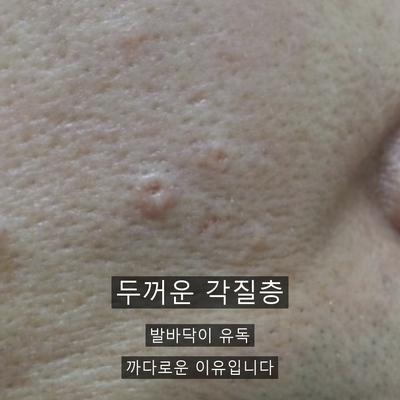
Warts on the soles of the feet are generally more difficult to remove than warts on the hands or face, which is closely related to the thick stratum corneum.
The skin on the soles of the feet, which supports body weight, has a thick stratum corneum. This thick layer protects the virus and allows the wart lesion to root deep into the skin.
Simply removing the surface of the lesion makes it difficult to eliminate the virus hidden beneath the thick stratum corneum, which can eventually lead to recurrence over time.
Even if the surface is repeatedly frozen using methods like cryotherapy, if the treatment doesn't sufficiently reach the root of the wart, it can recur.
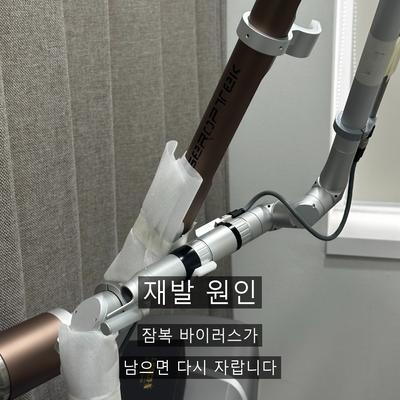
The main reason plantar warts reappear even after treatment is that not only the visible root of the lesion but also latent viruses hidden in the surrounding areas are not sufficiently removed.
Removing only the visible lesion might make it look clean temporarily. However, viruses remaining at the lesion's border can proliferate again, leading to recurrence in the original area or its surroundings.
Therefore, plantar wart treatment requires an approach that goes beyond simply removing surface lesions, considering viruses that may be latent in surrounding tissues.
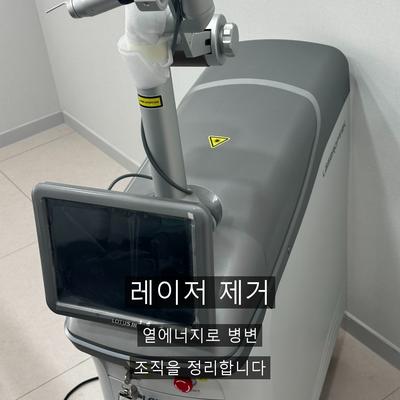
Wart removal using lasers involves vaporizing the lesional tissue with thermal energy. The heat generated can be adjusted to affect the border areas surrounding the lesion.
There can be a difference in future recurrence rates between precisely cauterizing only the central part of the wart lesion and intentionally expanding the thermal damage to the surrounding areas.
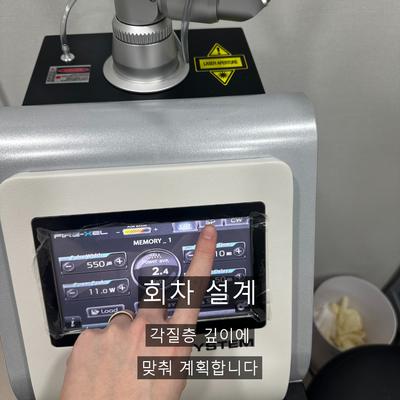
The number of treatment sessions is also planned with full consideration of the thickness of the stratum corneum on the sole of the foot.
It can be difficult to completely remove lesions beneath the thick stratum corneum with just one treatment. It is common to perform treatments over several sessions, depending on the size and depth of the lesion.
The interval between treatment sessions is adjusted considering the rate of keratin regeneration and wound healing. Repeating treatments too frequently may actually delay recovery.
The likelihood of recurrence can vary depending on how the wound site is managed after treatment, so care is needed.
Immediately after treatment, it is recommended to use a dressing product that acts as a wound protective barrier to prevent bacterial infection, and to be careful to avoid direct pressure on the wound while walking.
Since the sole of the foot is a weight-bearing area every day, it requires more meticulous care than post-treatment management for other areas.
During showering or bathing, ensure the wound area is not exposed to water for prolonged periods, and it is advisable to allow any scabs or crusts that form during the healing process to fall off naturally. Do not forcibly remove them.
Using bandages or special pads to appropriately distribute pressure on the sole of the foot is also a way to aid wound healing.
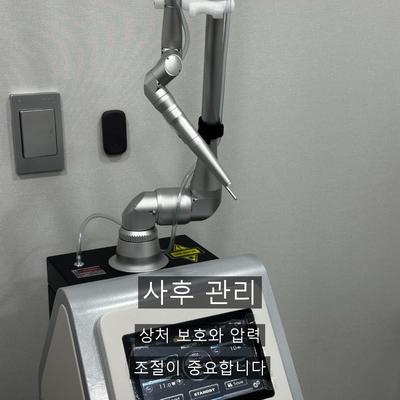
When choosing a medical institution for plantar wart treatment, it is important to check beforehand whether they follow an accurate diagnostic process.
At Kkeut Korean Medicine Clinic, we directly examine and confirm the lesion with a light during the consultation process before proceeding with treatment. This allows us to accurately differentiate between calluses and warts.
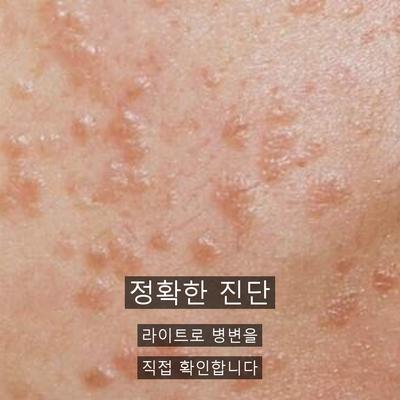
At Kkeut Korean Medicine Clinic, we apply a dual laser approach, utilizing both Er:YAG laser and CO2 laser in combination for treatment.
While using the Er:YAG laser alone has the advantage of a relatively short recovery period, there is a possibility of missing latent viruses in the surrounding areas. Conversely, using only the CO2 laser can expand the thermal damage range, which may be beneficial for virus removal, but the longer recovery period needs to be considered.
At Kkeut Korean Medicine Clinic, we intentionally control the peripheral thermal damage that occurs during CO2 laser treatment to remove even viruses that may be latent at the border of the wart lesion.
Appropriately combining these two types of lasers according to the patient's condition is a strategic approach that deeply understands and applies the latent characteristics of viruses.
For those hesitant to undergo treatment due to concerns about recurrence, Kkeut Korean Medicine Clinic has also prepared special provisions in its medical fee policy.
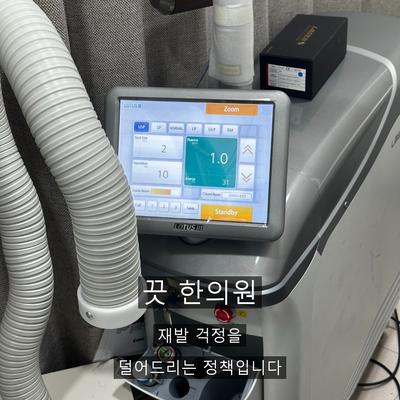
At Kkeut Korean Medicine Clinic, if you choose our unlimited treatment program, we will remove any recurrent lesions through retouch treatments at no additional cost.
Due to the nature of viral diseases, it is difficult to completely eliminate the possibility of recurrence. This policy can be a factor that helps patients feel less psychological burden and proceed with treatment.
For wound care after treatment, we recommend using Duoderm Gel, which can be used relatively comfortably even by patients who are allergic to adhesive dressings.
To promote faster recovery until the treated area is fully healed, it may be beneficial to minimize activities that involve prolonged standing or extensive walking.
Frequently Asked Questions
Q. Can plantar warts be cured with a single treatment?
A. Plantar wart treatment often requires multiple sessions, considering the thick stratum corneum of the sole and the depth of the lesion. At Kkeut Korean Medicine Clinic, after thoroughly diagnosing the patient's lesion condition, we explain the appropriate treatment plan and estimated number of sessions in detail.
Q. What level of pain is associated with plantar wart treatment?
A. While there are individual differences depending on the treated area and depth, you may experience tenderness or a foreign body sensation when walking for a few days immediately after the procedure. After plantar wart treatment, adjusting walking habits to minimize pressure on the sole of the foot can aid recovery.
Q. How can calluses and plantar warts be distinguished?
A. Calluses usually have a relatively smooth surface, whereas warts are characterized by tiny black dots on the surface due to bleeding. For an accurate diagnosis, a detailed examination of the lesion using a light (magnifying glass) is essential, and this step is crucial for clear differentiation before plantar wart treatment.
Q. What should I do if plantar warts recur after treatment?
Kkeut Korean Medicine Clinic operates a retouch policy that provides retreatment free of charge even in case of recurrence. This policy can help alleviate concerns about recurrence.
Kkeut Korean Medicine Clinic's Treatment Philosophy
At Kkeut Korean Medicine Clinic, we use a light to directly examine and accurately diagnose lesions. This diagnostic method can help provide customized care tailored to each individual patient.
Kkeut Korean Medicine Clinic utilizes a dual laser approach, combining Er:YAG laser and CO2 laser. This method is applied considering the effectiveness and safety of the procedure, and is expected to contribute to enhancing patient satisfaction.
At Kkeut Korean Medicine Clinic, we operate a retouch system that provides retreatment free of charge even if recurrence occurs. Through this system, we focus on reducing the burden of post-procedure care and maintaining stable results.
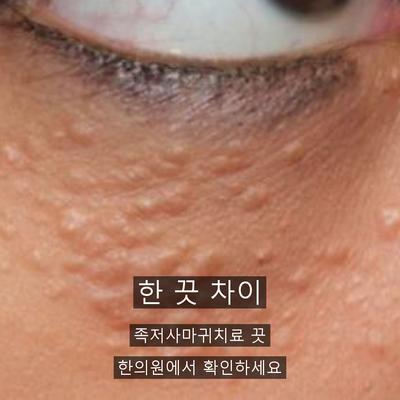
Differentiated results stem from the smallest details. At Kkeut Korean Medicine Clinic, you can experience delicate and meticulous treatment.
Related notes
Procedure notes worth reading next.


Loading menu…