

What's the typical recovery for mole removal? Does it vary by the kind of laser employed? Beomgye, Pyeongchon, Beomgye Station, Pyeongchon Station, Hogye-dong, Bisan-dong, Gwanyang-dong, Dongan-gu, Indeogwon, Geumjeong, Anyang
12/6/2025
This is a procedure note for What's the typical recovery for mole removal? Does it vary by the kind of laser employed? at Gyeonggi Anyang Beomgye KKEUT Korean Clinic.
A more rapid recovery from mole removal can be achieved through specific methods.
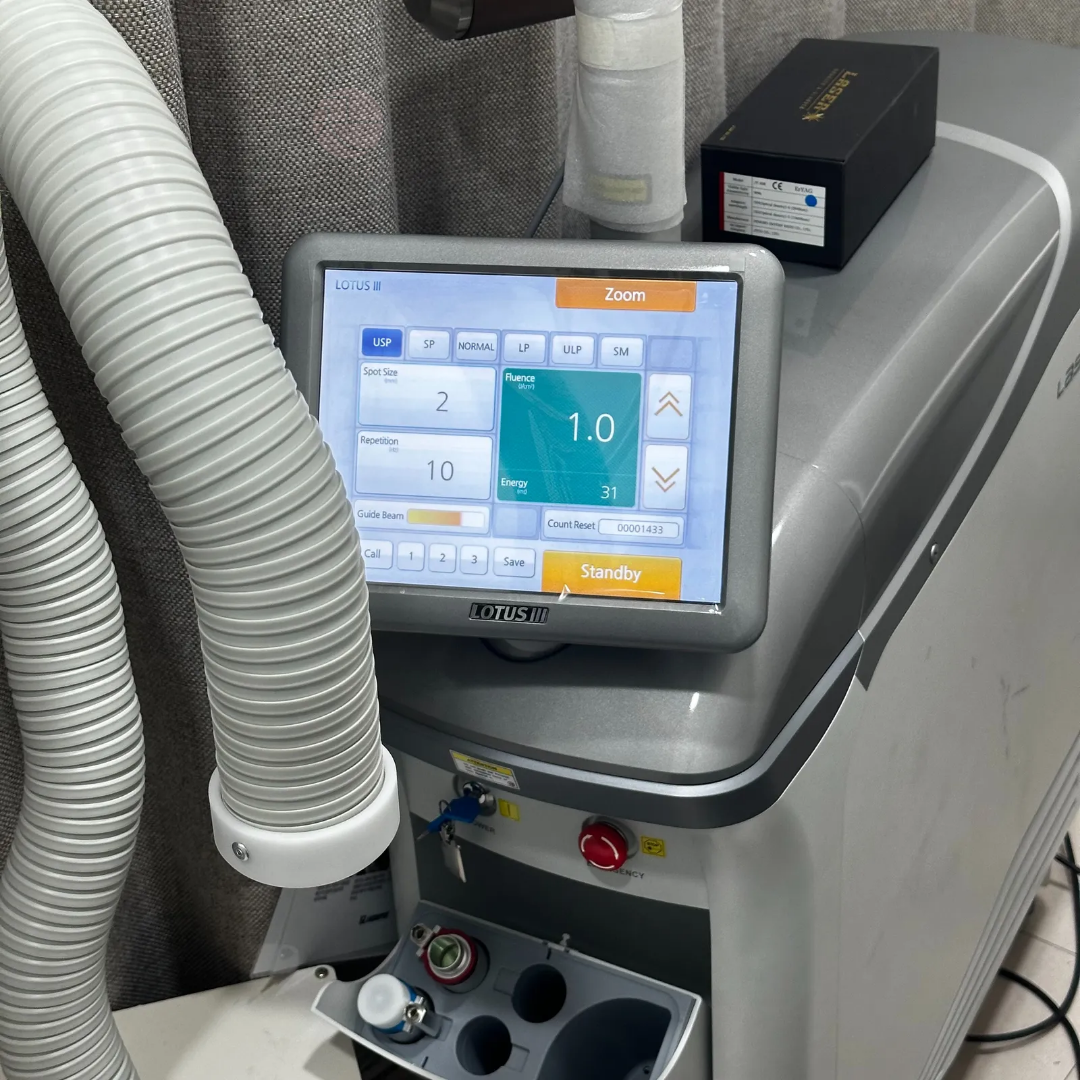
– This is possible due to the deliberate selection of equipment.
Er:YAG laser and CO₂ laser are used together to help reduce the downtime following mole removal.

These two devices have distinct operational principles. By selecting the most suitable combination based on the lesion's depth, form, and prominence,
unnecessary thermal exposure can be lessened, allowing for precise lesion removal.
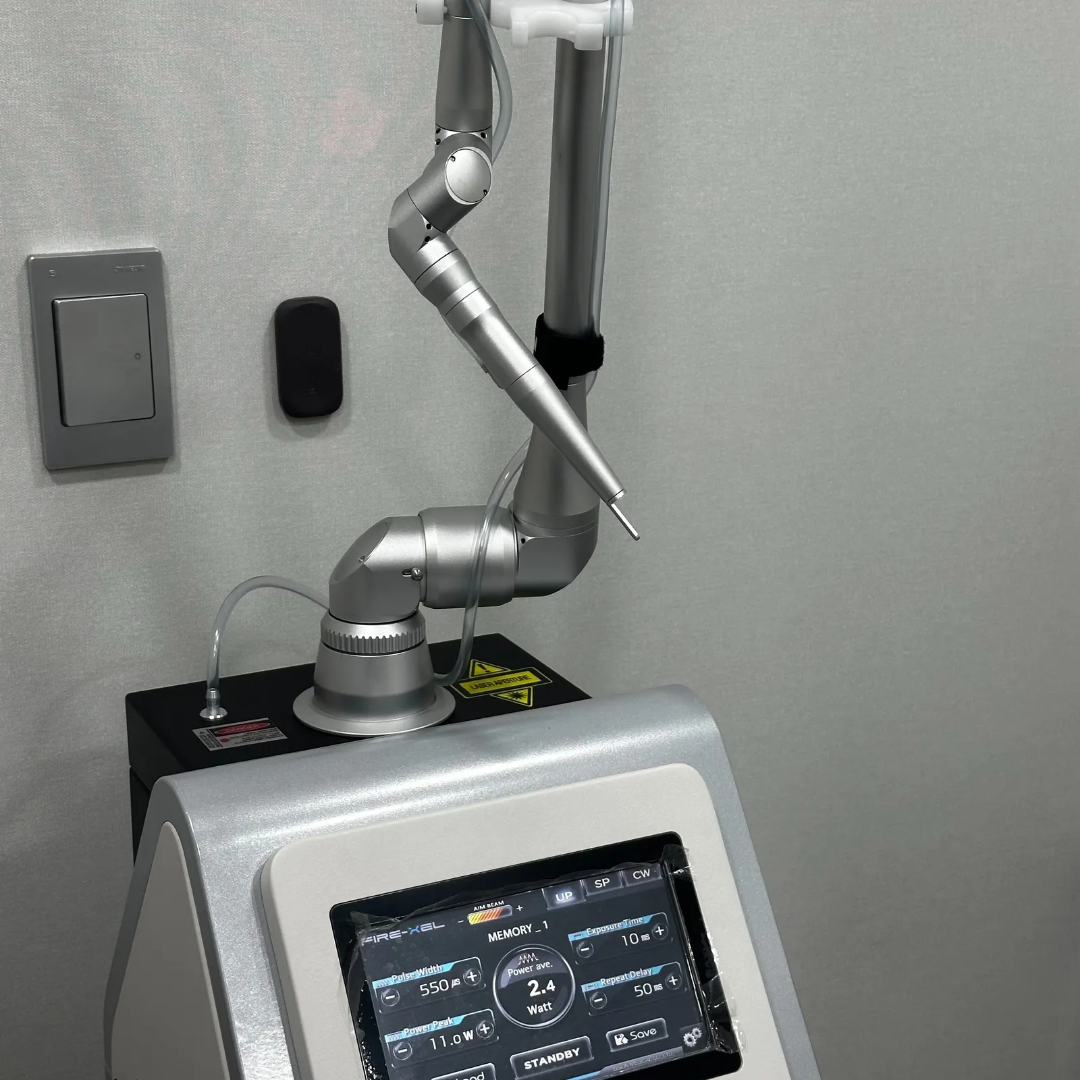
Q. Why do recovery times for mole removal differ between facilities?
A. The primary reason is the specific type of laser equipment utilized.
To remove moles, a laser is often used to ablate superficial layers of the skin.
Some places may only employ a CO₂ laser, without an Er:YAG,
while others utilize both devices concurrently.
The choice of laser significantly influences the duration of the post-procedure recovery.
Q. What distinguishes the Er:YAG laser?
A. It minimizes thermal damage to the surrounding skin, leading to a quicker recovery.
It exhibits high absorption in the water molecules within the skin.
This laser precisely ablates only the target tissue, leaving adjacent healthy skin with minimal thermal impact.
Consequently, the periods for scab formation and redness (erythema) are reduced, allowing for a generally faster healing process.
However, as it lacks strong hemostatic capabilities,
treating deeper or more elevated moles solely with an Er:YAG laser can be challenging.
Q. What benefits does the CO₂ laser offer?
A. It is effective in treating deep moles and prominent skin lesions.
The substantial heat produced during tissue vaporization aids in achieving effective hemostasis.
It is often utilized for the removal of deep or large moles, warts, milia, and other similar growths.
Its thermal properties also make it useful in certain scar treatments.
A drawback is the potential for some thermal damage to surrounding tissues,
which generally extends the recovery time compared to the Er:YAG laser.
Q. Considering these factors, what should one look for in a facility for mole removal?
A. It can be beneficial to select a facility equipped with both Er:YAG and CO₂ lasers.
For superficial and smaller moles, the Er:YAG laser may facilitate a quicker healing process.
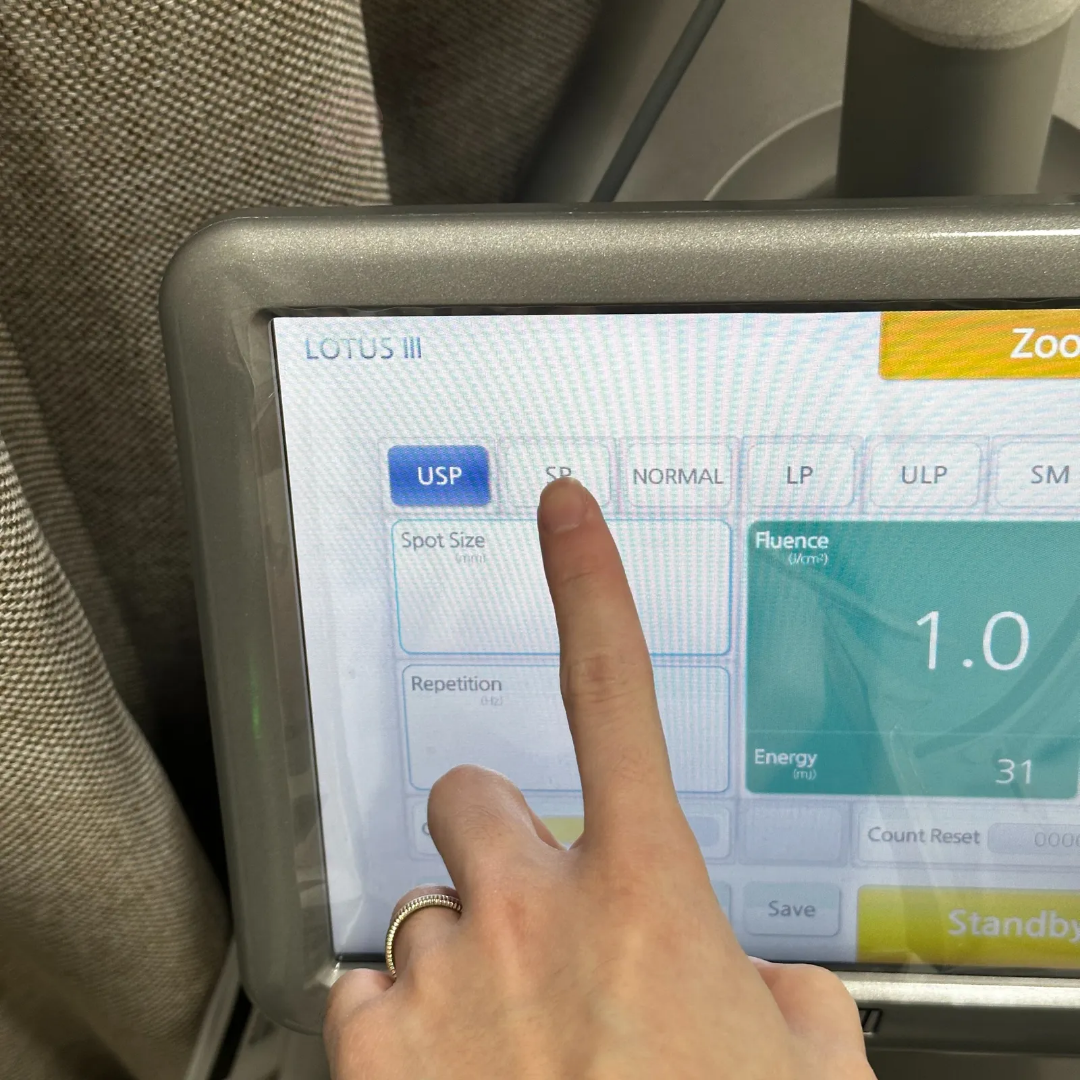
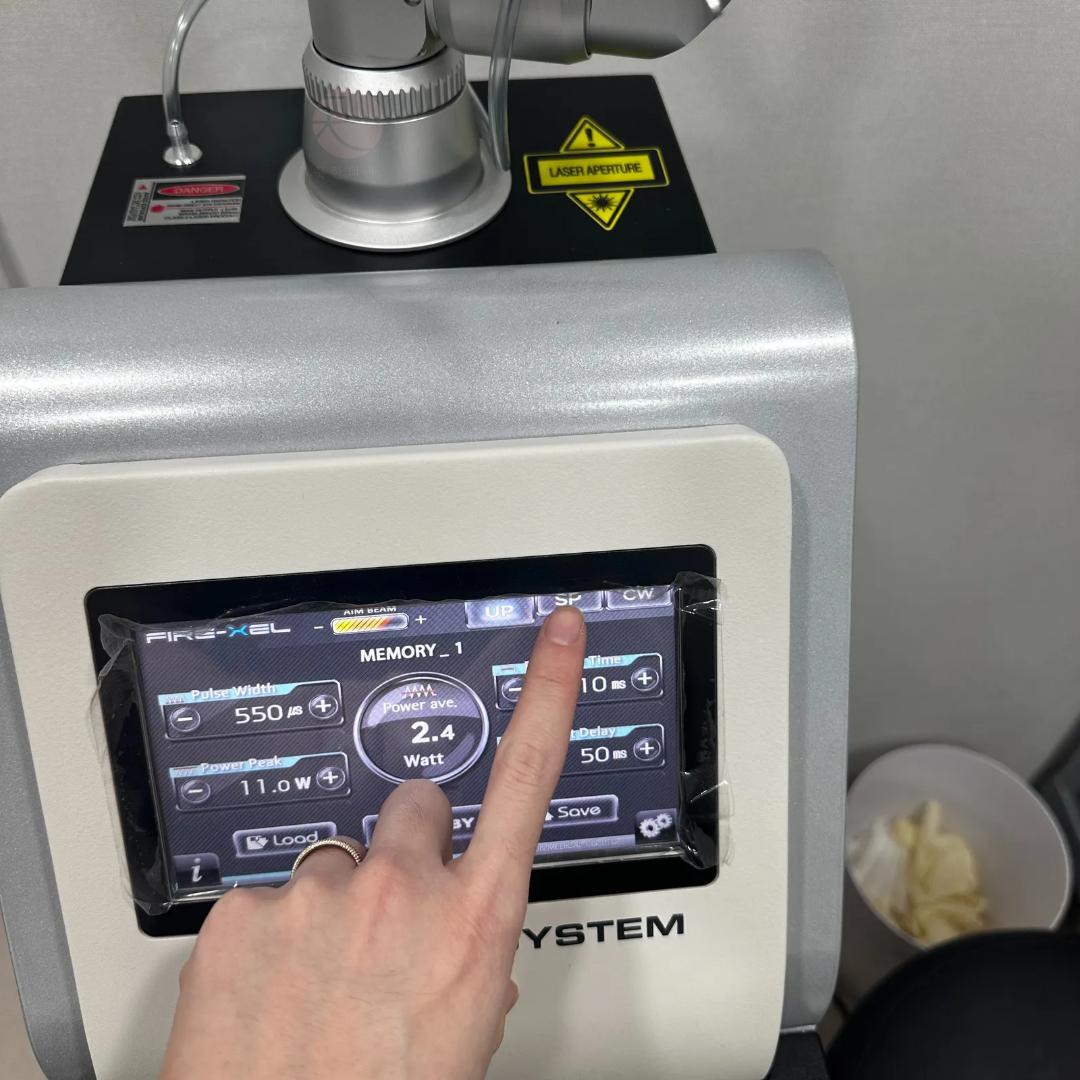
For deeper or protruding moles, the CO₂ laser is generally considered for effective removal.
Using both devices in combination may lead to minimized recovery time and precise removal. Many facilities commonly operate solely with a CO₂ laser due to equipment costs.
This can restrict the ability to tailor treatments with patient recovery speed in mind.
When a facility has both types of equipment, it can select the most appropriate device according to the lesion's specific characteristics,
aiming for mole removal with a minimized recovery period.
Q. What is the typical healing duration after a mole removal procedure?
A. This primarily depends on the specific laser technology employed.
- Er:YAG laser:
- 딱지와 붉은기는 비교적 빠르게 가라앉는 편입니다.
- 시술 후 약 2주 정도 지나면 가벼운 붉은기만 남을 수 있으며,
- 이는 시간이 흐르면서 서서히 개선됩니다.

CO₂
: 깊거나 돌출된 병변에 사용될 수 있으나,회복 기간이 다소 길어질 수 있습니다.환자분의 피부 두께, 병변의 깊이, 그리고 생활 습관 등을 복합적으로 고려하여,
필요한 경우 두 가지 장비를 병행하여 적절한 레이저 시술을 결정하게 됩니다.
Q. 본원 점 제거 시술의 주요 특징은 무엇인가요?
- Er:YAG 및 CO₂ 레이저 두 가지 모두를 갖추고 있습니다.
- 병변의 깊이, 돌출 여부, 그리고 피부 타입에 따른 맞춤 시술 선택이 가능합니다.
- 불필요한 열 손상을 최소화하여 회복 기간의 부담을 줄일 수 있습니다.
- 깊은 위치의 점도 신중하게 제거하는 것을 목표로 합니다.
Recommended treatments
Treatments that work especially well together.


Related notes
Procedure notes worth reading next.


Loading menu…