

Mole removal can also be performed non-surgically with a laser. Beomgye, Pyeongchon, Beomgye Station, Pyeongchon Station, Hogye-dong, Bisan-dong, Gwanyang-dong, Dongan-gu, Indeogwon, Geumjeong, Anyang
6/25/2026
This is a procedure note for Mole removal can also be performed non-surgically with a laser. at Gyeonggi Anyang Beomgye KKEUT Korean Clinic.
Mole removal surgery is not necessarily a procedure that requires a scalpel.
Many people first think of surgery when it comes to removing moles. Considering incision and suturing methods can make one feel scared and hesitant. However, in most cases, mole removal can be approached non-surgically with lasers. The reason laser procedures can replace surgical incision methods is clear. This is because laser energy precisely destroys pigment cells while minimizing damage to surrounding healthy tissue.
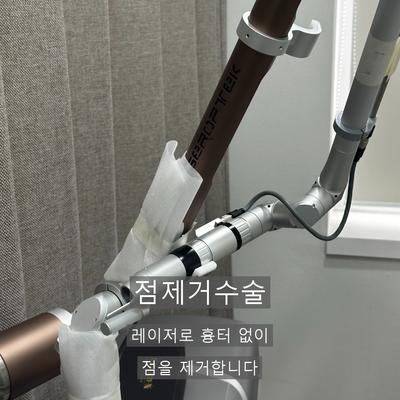
Laser Mole Removal: Equipment Choice Determines the Outcome
Lasers used for mole removal are broadly divided into Er:YAG and CO2 (carbon dioxide) lasers. These two devices work differently on the skin.
Er:YAG has an absorption rate for water that is approximately 12 to 15 times higher than CO2. This means it precisely vaporizes the target layer while minimizing thermal damage to the surrounding area. This is why downtime is short and recovery is fast. On the other hand, CO2 has excellent hemostatic effects due to its characteristic of spreading heat to surrounding tissues. In vascular moles prone to bleeding or larger moles, this hemostatic property enhances procedural safety.
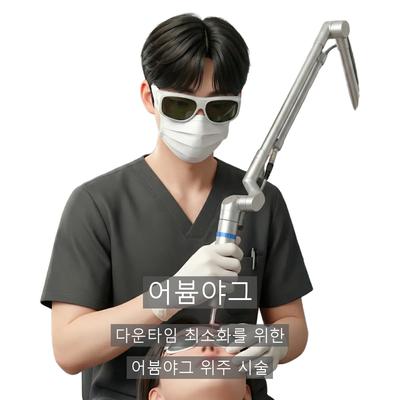
Using only Er:YAG can make bleeding control difficult, and using only CO2 can slow recovery due to accumulated thermal damage. This is why combining both devices is currently recommended in the field of mole removal.
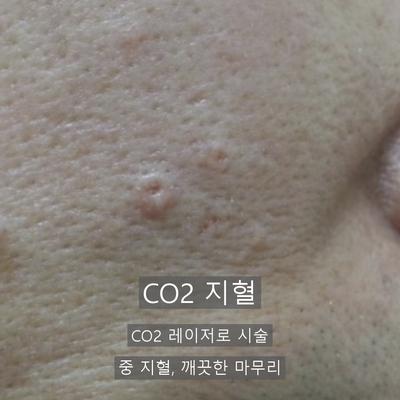
Treatment Approach Varies Depending on Mole Type
The concerns people bring when they come for laser mole removal are more diverse than one might expect. These include not only flat, common moles, but also raised moles protruding from the skin, moles located near the eyelid edge or inner corner of the eye, and moles with dark colors or large sizes, each varying in location and shape.
Raised moles may not be sufficiently treated with surface lasers alone. If the mole has roots extending deep beneath the skin, it must be vaporized in multiple layers, making the practitioner's judgment and skill crucial. Moles near the eyes are structurally delicate areas, requiring precise energy control; excessive energy can lead to the risk of scars or hyperpigmentation.
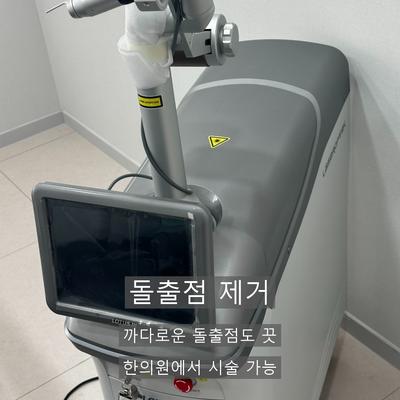
While some moles can be removed with lasers, there are also lesions that absolutely require a biopsy. Moles that are 6mm or larger, have irregular borders, uneven color, or have changed rapidly recently cannot rule out the possibility of malignancy. In such cases, simply removing them with a laser is not appropriate; a differential diagnosis must first be performed.
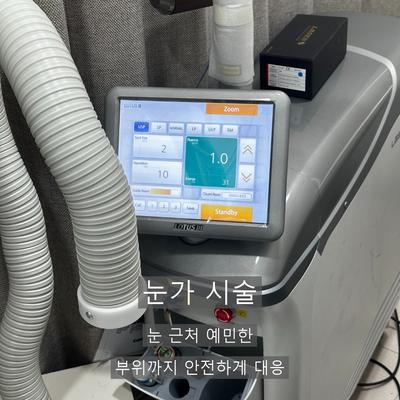
Post-Mole Removal Care: This Stage Determines Scarring
After laser treatment, the skin is temporarily in an open state. If the treated area is directly exposed to external stimuli, it can lead to hyperpigmentation or scarring. This is why aftercare is as crucial as the procedure itself.
Generally, a scab forms after the procedure and falls off within 1-2 weeks. During this period, dressing management is required to cover and protect the treated area. The principle is not to forcefully remove the scab until it falls off naturally, and UV protection is key to preventing hyperpigmentation. Consistent application of sunscreen for at least 6 months after the procedure is recommended.
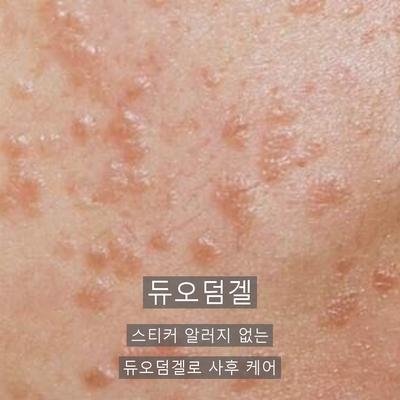
The choice of dressing material also affects recovery. Hydrocolloid dressings like DuoDERM are reported to promote faster wound healing than dry dressings. A moist environment must be maintained for epidermal cells to migrate quickly and regeneration to occur smoothly.

Frequently Asked Questions
Q. If I get laser mole removal without surgery, will it not recur?
A. Even when moles are removed with a laser without surgery, there is a possibility of recurrence. The deeper the mole's roots extend into the dermis, the higher the chance of recurrence. Therefore, observing the progress after a single treatment and addressing recurrence with additional procedures is a common approach.
Q. Can I have multiple moles removed with a laser at once?
A. Yes, multiple moles can be removed simultaneously. However, if there are many moles or many large moles, it may be recommended to divide the treatment into 2-3 sessions to manage the recovery burden. The treatment plan will be adjusted based on the number and location of moles during consultation.
Q. Can moles around the eyes also be removed with a laser?
A. Moles around the eyes are located in a structurally delicate area, so not all clinics can perform the procedure in the same way. Depending on the location, size, and nature of the mole, laser treatment may or may not be possible. It is essential to verify directly before deciding on the procedure. It is crucial to accurately understand the scope of laser treatment that can replace mole removal surgery during your consultation.
Q. What should I do to avoid scarring after laser treatment?
A. To minimize scarring, it is crucial not to forcefully remove scabs after treatment, consistently maintain moist dressings, and protect against UV rays. The energy settings of the procedure itself and the practitioner's skill also influence the scar outcome.
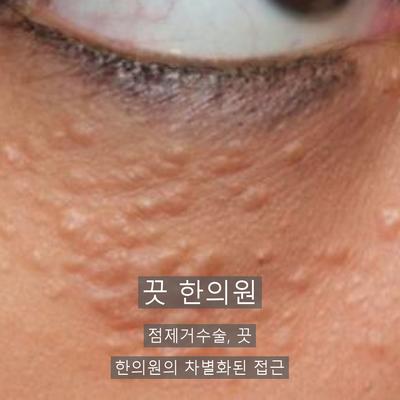
Kkeut Korean Medicine Clinic's Sincerity
Kkeut Korean Medicine Clinic combines Er:YAG and CO2 lasers, primarily using Er:YAG to minimize downtime, and CO2 is used only when necessary for hemostasis. This approach aims for both a clean treatment surface and rapid recovery.
Kkeut Korean Medicine Clinic extends its treatment scope to challenging areas such as raised moles and those near the eyes, and operates a safety protocol where suspicious malignant lesions are not indiscriminately removed with lasers but are immediately referred to a higher institution. Distinguishing between cosmetic procedures and safety assessments is Kkeut Korean Medicine Clinic's standard.
Kkeut Korean Medicine Clinic also differentiates its post-treatment dressing. Instead of regular DuoDERM stickers, they use DuoDERM Gel. Being a gel type, it can be used comfortably even by those with sticker allergies, and there's no hassle of peeling and sticking. This choice prioritizes convenience for post-treatment care.
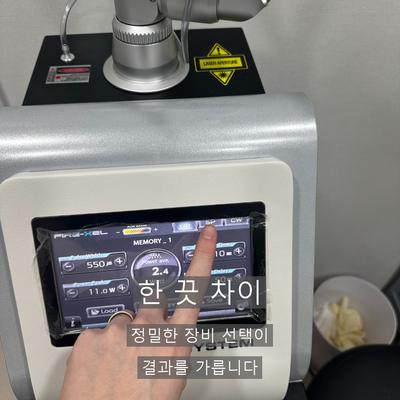
A subtle difference for a distinct result — Experience it at Kkeut Korean Medicine Clinic.
Related notes
Procedure notes worth reading next.


Loading menu…