

Why We Recommend DuoGEL: No Need to Replace DuoDERM After Mole Removal. Beomgye, Pyeongchon, Beomgye Station, Pyeongchon Station, Hogye-dong, Bisan-dong, Gwanyang-dong, Dongan-gu, Indeogwon, Geumjeong, Anyang
5/7/2026
This is a procedure note for Why We Recommend DuoGEL: No Need to Replace DuoDERM After Mole Removal. at Gyeonggi Anyang Beomgye KKEUT Korean Clinic.
Many people ask how often DuoDERM needs to be replaced after mole removal.
The process of peeling off and re-applying the sticker-type DuoDERM received after the procedure every few days is more cumbersome than expected, and there's also concern that the wound area might be irritated during the application and removal process.
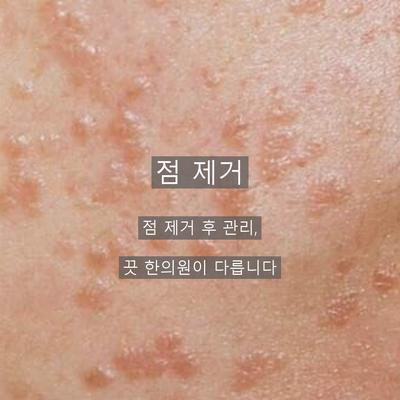
At Kkeut Korean Medicine Clinic, we have eliminated this hassle itself.
General DuoDERM Stickers vs. DuoDERM Gel — What's the Difference?
General DuoDERM stickers are applied to the skin in a film form.
They have a waterproof function, which is beneficial for blocking water during face washing, but their replacement cycle is short, and the mole removal area gets irritated during the application and removal process.
If your skin is sensitive to the adhesive ingredients in the sticker's edge, allergic reactions such as redness, itching, or chafing may occur on the surrounding skin.
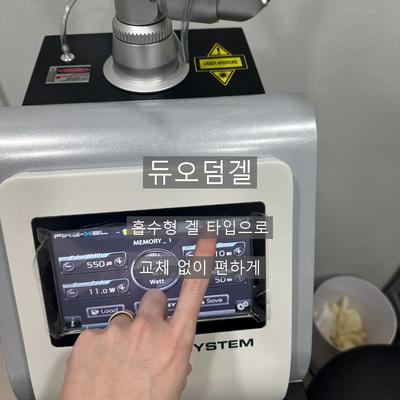
The more frequently DuoDERM is replaced after mole removal, the more the treated area is repeatedly irritated, and the healing environment becomes unstable.
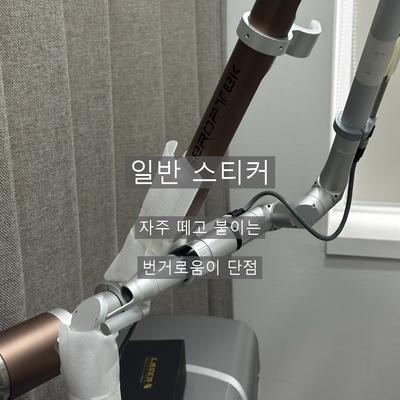
Why Kkeut Korean Medicine Clinic Chose DuoDERM Gel
Kkeut Korean Medicine Clinic uses gel-type DuoDERM, not sticker-type.
When applied to the mole removal site, the gel type reacts with skin secretions to form a moist environment that protects the wound surface.
There's no need for a replacement process of peeling and sticking like a sticker, and since there's no adhesive surface on the skin, allergic reactions due to adhesive ingredients do not occur.
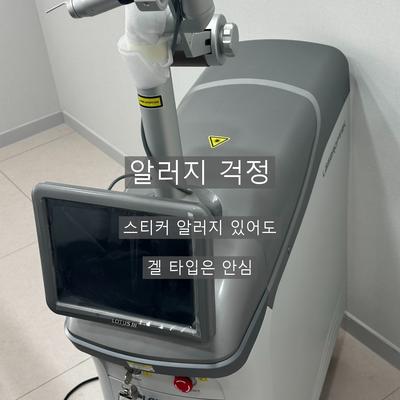
This is why you can comfortably manage your skin at Kkeut Korean Medicine Clinic after mole removal without worrying about DuoDERM replacement.
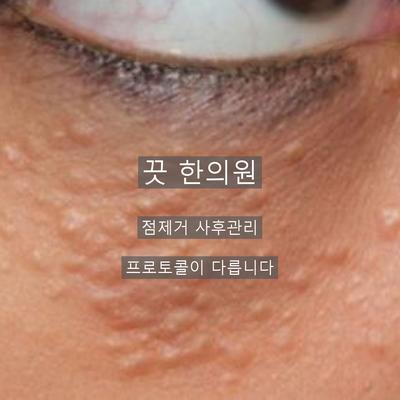
Kkeut Korean Medicine Clinic Is Different Even During the Procedure Phase
Kkeut Korean Medicine Clinic approaches not only post-procedure care but also the procedure process itself differently.
Both Er:YAG and CO2 lasers are used for mole removal, but Kkeut Korean Medicine Clinic primarily uses the Er:YAG laser to minimize downtime.
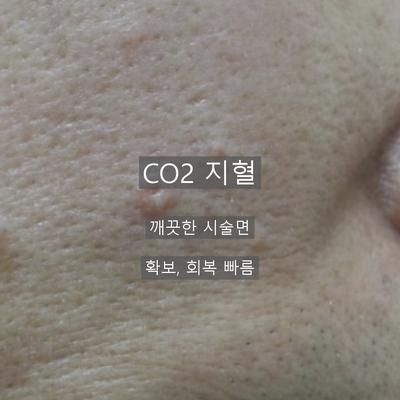
The CO2 laser is used concurrently for hemostasis, ensuring a clean treatment surface.
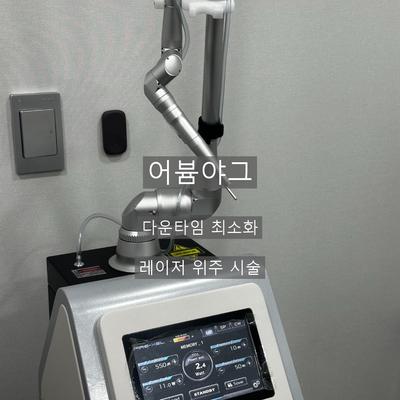
Moles on difficult areas such as protruding moles and near the eyes can all be treated, and a safety protocol is in place to immediately refer suspected malignant moles to a higher-level institution.
Frequently Asked Questions
Q. How often should DuoDERM be replaced after mole removal?
A. If it's a general sticker-type DuoDERM, replacement is usually needed every 1-2 days. At Kkeut Korean Medicine Clinic, we use gel-type DuoDERM, so you can focus solely on wound healing without worrying about DuoDERM replacement after mole removal.
Q. I have a DuoDERM sticker allergy. How is the aftercare managed after mole removal?
A. Kkeut Korean Medicine Clinic uses a gel type, so there are no adhesive ingredients. Even with a sticker allergy, you can receive comfortable DuoDERM care after mole removal.
Q. Is gel-type DuoDERM waterproof?
A. Due to the nature of gel type, it is not completely waterproof like a sticker. When washing your face, be careful not to let water directly touch the mole removal area, and follow the face washing methods guided by Kkeut Korean Medicine Clinic.

Q. Does scar management work well after mole removal without DuoDERM replacement?
A. The gel type works by forming a moist environment to aid wound healing. Since there is no irritation from the replacement process, the healing environment is maintained stably.
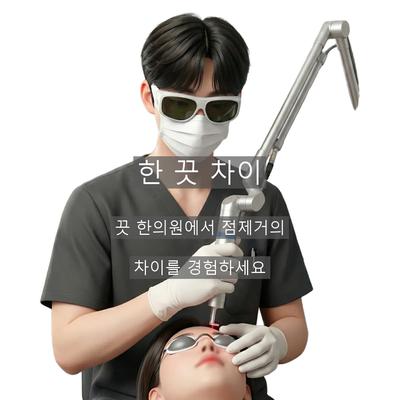
The Sincerity of Kkeut Korean Medicine Clinic
Kkeut Korean Medicine Clinic provides a post-care protocol that eliminates both the hassle of replacement and the risk of allergies after mole removal through the use of gel-type DuoDERM.
Kkeut Korean Medicine Clinic minimizes downtime and ensures a clean treatment surface through primary use of Er:YAG laser treatment combined with CO2 hemostasis.
Kkeut Korean Medicine Clinic prioritizes patient safety with a protocol that safely responds to all types of moles, from challenging areas like protruding moles and near the eyes to referring suspected malignant moles to higher-level institutions.
A Subtle Difference, A Different Result — Experience it at Kkeut Korean Medicine Clinic.
Related notes
Procedure notes worth reading next.


Loading menu…