

Ensure thorough flat wart removal from your entire face to prevent recurrence. Beomgye, Pyeongchon, Beomgye Station, Pyeongchon Station, Hogye-dong, Bisan-dong, Gwanyang-dong, Dongan-gu, Indeogwon, Geumjeong, Anyang
12/15/2025
This is a procedure note for Ensure thorough flat wart removal from your entire face to prevent recurrence. at Gyeonggi Anyang Beomgye KKEUT Korean Clinic.
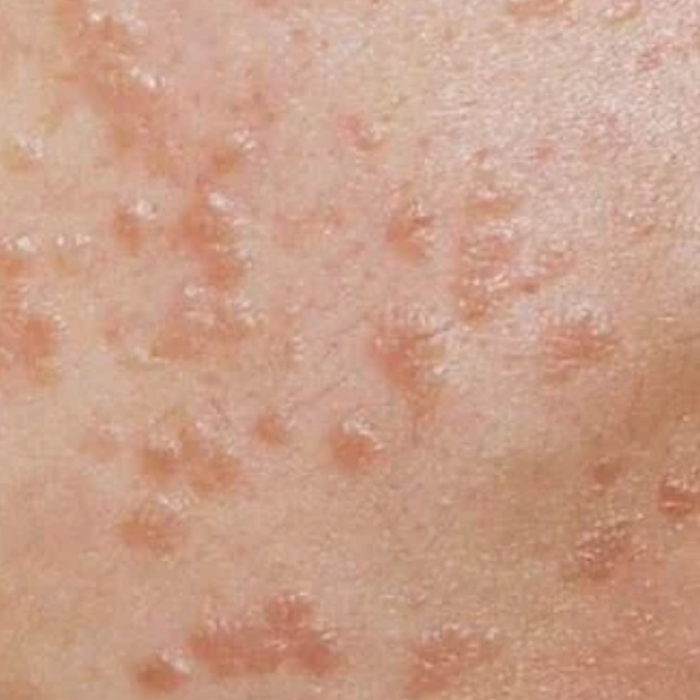
Comprehensive management for facial flat warts,
Why is the term 'retreatment' often mentioned?
Let us consider the reasons behind the recommendation for full-face treatment through common questions.
When it comes to flat warts, more than the treatment itself,
patients frequently inquire, 'Why did they reappear?' or 'Why weren't they resolved in one visit?'
Here are some of the most common questions raised during consultations.
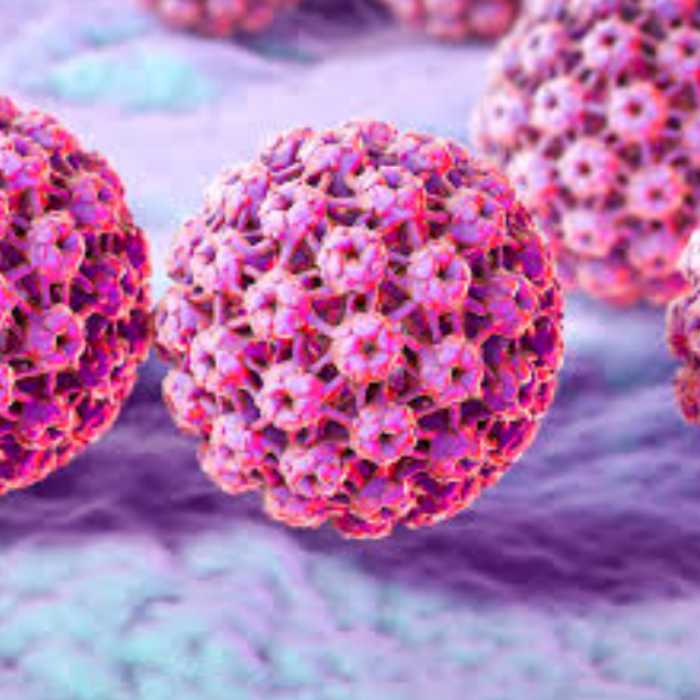
Q1. What exactly are flat warts?
Flat warts are skin growths resulting from the Human Papillomavirus (HPV).
They do not significantly protrude and tend to blend with the skin's natural color,
leading to them often being mistaken for other skin concerns, such as pigmentation or uneven texture.
They commonly appear on areas like the forehead, temples, around the eyes, cheeks, and chin,
and are observed to spread broadly across the entire face.
Q2. If there were only a few at first, why do they seem to gradually multiply?
Flat warts
rarely manifest solely as visible lesions.
Along with the warts that are already apparent,
numerous small, nascent lesions that are not yet visible
are often simultaneously present across the skin surface.
Consequently, as time progresses,
it can feel to the individual as though they have “suddenly increased” in number.

Q3. If new lesions appear after removal, is that considered a recurrence?
This is a very common question in the consulting room.
In reality,
it is less frequent for a completely removed lesion to regrow in its exact former spot.
More often, previously existing, unnoticeable early lesions become visible later.
From the patient's perspective, this process
might be perceived as a recurrence.
This is precisely why a flat wart retreatment might be advisable.
Q4. So, is treatment across the entire face indeed necessary?
Yes, it is often recommended.
Full-face flat wart treatment should not be misunderstood as
aggressively treating all areas of the face indiscriminately.
Instead, it is a thoughtful approach designed to address not only visible lesions
but also those early lesions that are highly likely to surface soon,
all under consistent criteria.
If this comprehensive strategy is not employed,
it is often observed that some time after initial treatment,
a few more warts may become visible again.
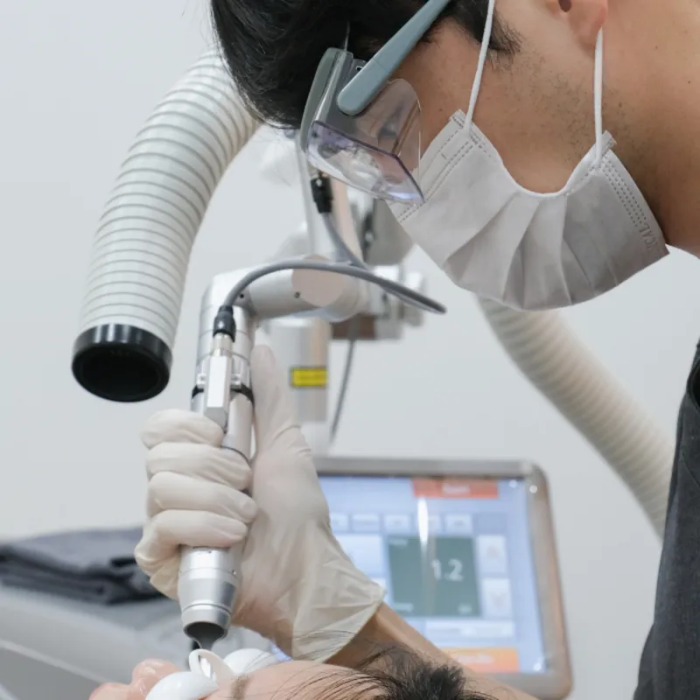
Q5. Won't treating the entire face cause excessive irritation?
Many individuals express this particular concern.
In flat wart management, what truly matters is
not just the extent of removal, but rather how effectively the skin's reaction is managed.
Instead of focusing on aggressive removal from one specific area,
it is often more advisable to manage irritation by distributing the treatment across the entire face.
This approach tends to provide a more stable recovery.
It can also lead to a more predictable healing journey.
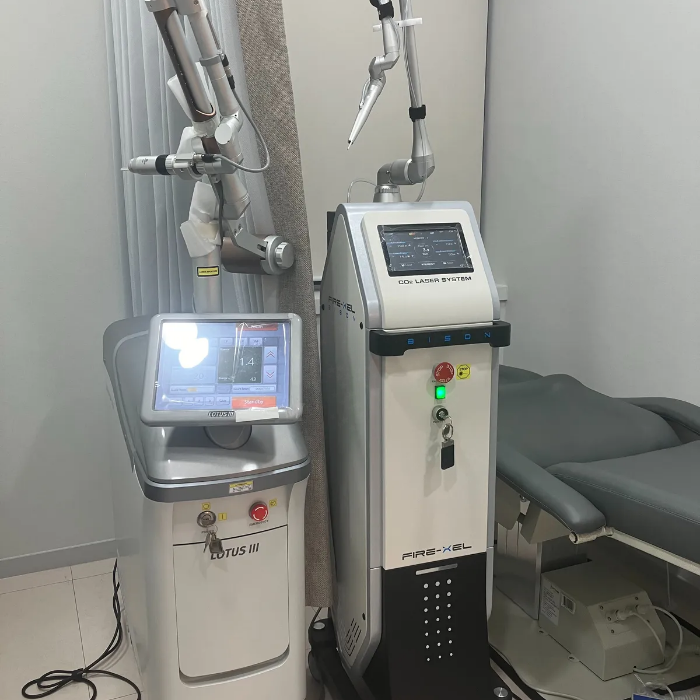
Q6. Can marks or pigmentation remain after treatment?
Given that flat warts appear on the face,
it's entirely natural to be concerned about potential marks.
While the speed of recovery can vary individually based on the lesion's depth, the removal technique, and post-procedure care,
healing duration can vary considerably.
However, if excessive irritation is successfully avoided,
the occurrence of lasting scars is uncommon.
Therefore, the treatment plan should always
account for the skin's recovery process following the removal of lesions.

Q7. If a touch-up is necessary, what is an appropriate interval?
Should a touch-up be required for flat warts,
a standard period of approximately 2 months is typically observed to assess the condition.
Only after this time has passed
can we properly determine if the skin has fully recovered
and if any residual lesions have truly manifested.
This interval helps differentiate between healing skin and any persistent lesions.
Initiating a touch-up too early
may only lead to repeated skin irritation,
while delaying it excessively could result in the lesions becoming noticeable once more.
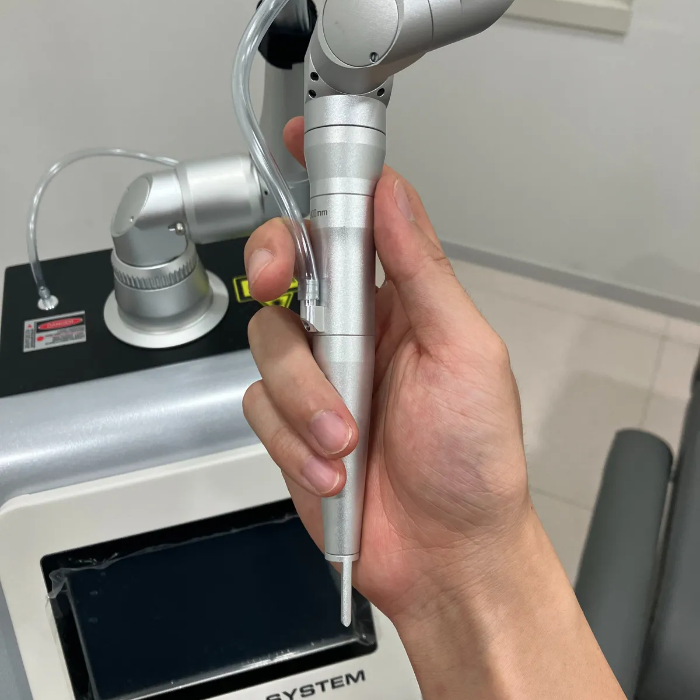
Q8. Is a touch-up necessary in all cases?
Not always.
In the context of the initial treatment,
depending on how the lesion area was evaluated,
there are many instances where progress is simply monitored without a subsequent touch-up.
However, considering the inherent characteristics of flat warts,
a touch-up should not be perceived as a “failure” of the initial procedure, but rather
it is more appropriate to understand it as an ongoing part of the progress monitoring process.
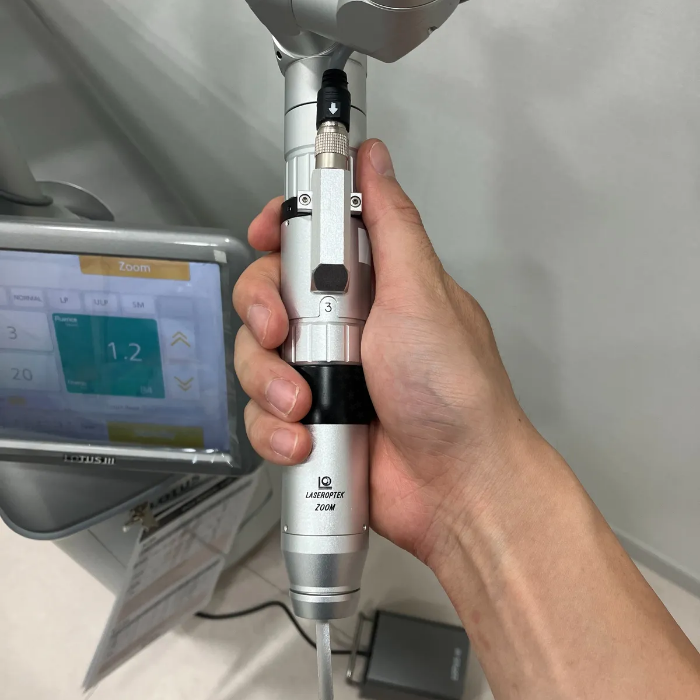
To summarize,
managing flat warts
is not a treatment that concludes solely with the removal of visible lesions.
If the characteristic of their widespread distribution across the facial skin
and their tendency to emerge with a time delay are not factored in,
situations leading to renewed concern after treatment may indeed recur.
Therefore, when addressing flat warts,
Instead of only focusing on the skin issues currently present,
it is essential to adopt ``a perspective that also accounts for potential future developments.``
Prior to finalizing any treatment plan,
even beginning with a foundational understanding of your condition's structure,
can be a beneficial approach.
Recommended treatments
Treatments that work especially well together.


Related notes
Procedure notes worth reading next.


Loading menu…