

Reasons why you need to manage by applying spot removal ointment, recovery cream, and sunscreen. Beomgye, Pyeongchon, Beomgye Station, Pyeongchon Station, Hogye-dong, Bisan-dong, Gwanyang-dong, Dongan-gu, Indeogwon, Geumjeong, Anyang
7/10/2026
This is a procedure note for Reasons why you need to manage by applying spot removal ointment, recovery cream, and sunscreen. at Gyeonggi Anyang Beomgye KKEUT Korean Clinic.
After mole removal, a scab forms, followed by a healing process where new skin regenerates.
During this period, diligently applying mole removal ointment significantly impacts whether scars and hyperpigmentation occur.
Neglecting post-mole removal care can lead to greater problems caused by insufficient aftercare than by the procedure itself.
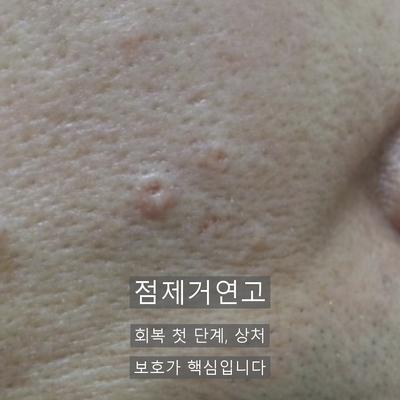
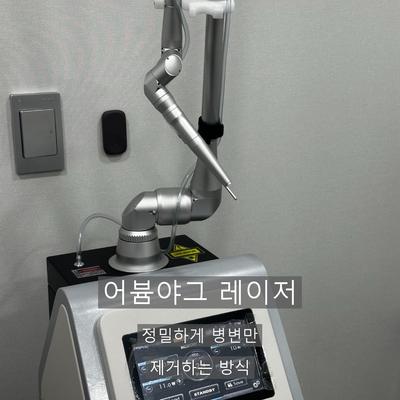
Mole removal typically involves burning off the lesion tissue with an Er:YAG laser or CO2 laser.
The approach may vary, with Er:YAG often used for raised moles and CO2 laser for flat moles.
The area treated by the laser becomes like a small wound, requiring epidermal regeneration.
During this regeneration process, it's crucial to maintain a moist environment to prevent the wound from drying out, and this is where mole removal ointment comes in.
Mole removal ointment is a key care tool that keeps the wound moist, helping new skin regenerate quickly.
If the wound is managed by letting the scab dry out without applying mole removal ointment, the recovery period will be longer, and the likelihood of scarring will increase.
Sometimes hydrocolloid dressings are used, and other times ointment is applied thinly.
Both methods have the same goal.
To protect the wound surface from external irritation and bacteria while maintaining moisture.
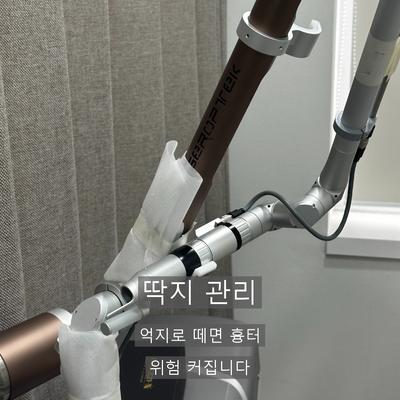
Caution is needed as forcibly peeling off a scab before it naturally falls off can lead to hyperpigmentation or depressed scars.
Recovery time varies depending on the area and size of the mole, but typically, scabs fall off naturally within seven to ten days.
Immediately after the scab falls off, the skin is very thin and sensitive, so direct exposure to UV rays rapidly increases the risk of hyperpigmentation.
Consistently applying sunscreen during this period is the second crucial step in determining the outcome of your mole removal procedure.
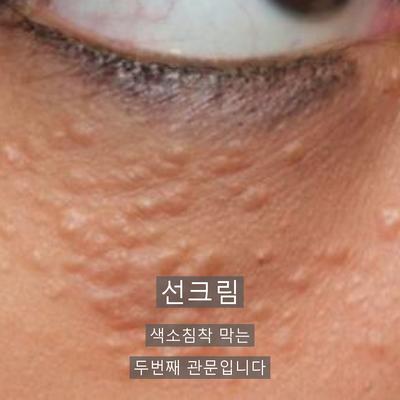
Newly regenerated skin has not yet fully developed its UV protection function, making melanin production easily activated.
It is generally recommended to choose sunscreens with SPF 50 or higher and PA+++ or higher.
Mineral sunscreens, which have less chemical irritation, are safer for recovering skin.
If you engage in outdoor activities without applying sunscreen, a phenomenon called post-inflammatory hyperpigmentation (PIH) can occur, where the treated area becomes darker than the surrounding skin.
Once PIH occurs, it can take several months to improve, so prevention is best.
At Ggeut Korean Medicine Clinic, specific guidance on when to use mole removal ointment and sunscreen is provided during consultation immediately after the procedure.
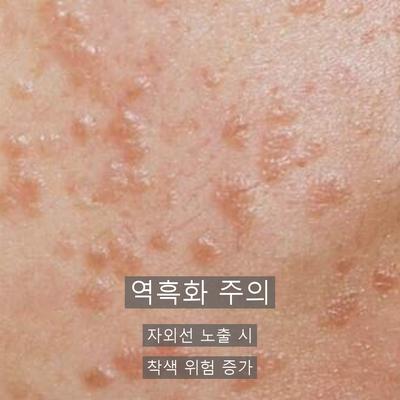
People often think that care ends once the scab falls off, but it takes nearly a month for new skin to fully settle.
Light makeup is possible without difficulty after the scab has completely fallen off.
Even during this period, you should apply regenerating cream and sunscreen together to regain smooth skin without worrying about recurrence or scars.
The procedure itself, which involves applying anesthetic cream and then burning the lesion with a laser, is short, but the subsequent care period determines the actual results.
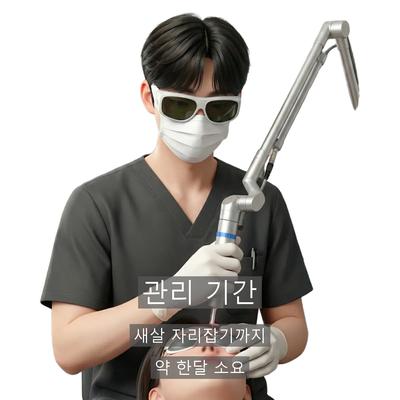
Mole Removal Care Possible Because It's Ggeut Korean Medicine Clinic
Ggeut Korean Medicine Clinic performs a wide range of procedures, even for challenging areas like near the eyes or for raised moles.
Ggeut Korean Medicine Clinic carefully examines the shape and location of the mole before the procedure to determine a customized laser combination.
If a lesion is visually inspected before the procedure and malignancy is suspected, referral to a higher medical institution takes precedence over cosmetic treatment.

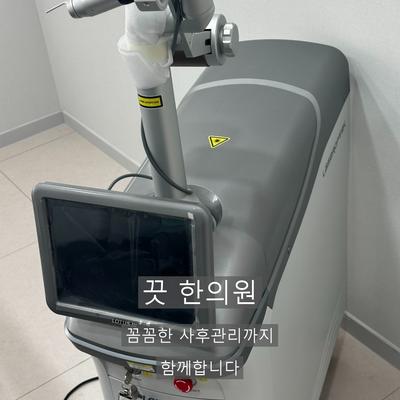
Ggeut Korean Medicine Clinic primarily uses the Er:YAG laser to minimize downtime, while also applying the CO2 laser to areas with bleeding to ensure hemostasis and a clean treatment surface.
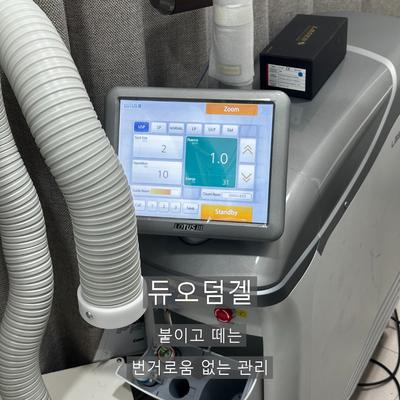
Ggeut Korean Medicine Clinic also differentiates itself in post-procedure aftercare. Instead of standard DuoDERM stickers, DuoDERM Gel is used.
DuoDERM Gel is a special dressing that absorbs wound exudate while maintaining a moist environment to accelerate regeneration.
The gel type avoids the hassle of attaching and detaching and can be used comfortably by patients with sticker allergies.
A Subtle Difference, A Different Result
Ggeut Korean Medicine Clinic's meticulousness is evident even in the criteria for selecting a regenerating cream.
Through these meticulous protocols, Ggeut Korean Medicine Clinic reduces concerns about recurrence and scarring.
The habit of using mole removal ointment and sunscreen in the correct order is the final stage of mole removal treatment.
Frequently Asked Questions
Q. How many times a day should I apply mole removal ointment?
A. It is generally recommended to apply a thin layer 2-3 times a day. Since mole removal ointment helps keep the wound from drying out, it should be applied consistently until the scab falls off.
Q. Can I apply mole removal ointment and sunscreen together?
A. It is generally recommended to apply only mole removal ointment while the scab remains, and to use sunscreen in conjunction once the scab has fallen off.
Q. What happens if I don't apply mole removal ointment?
A. If mole removal ointment is not applied, the wound can dry out, causing the scab to thicken, slowing down recovery, and increasing the likelihood of scarring.
Q. Is it okay to apply only sunscreen instead of mole removal ointment?
A. While the scab remains, mole removal ointment takes precedence over sunscreen. Sunscreen should be used in conjunction once the wound has healed.
Q. Is mole removal ointment effective in preventing scars?
A. Consistent application of mole removal ointment helps keep the wound area from drying out, thereby reducing the risk of scar formation.
The Sincerity of Kkeut Korean Medicine Clinic
Kkeut Korean Medicine Clinic addresses even tricky areas like around the eyes or raised moles, and provides differentiated results through a safety protocol that prioritizes referral to higher institutions for moles suspected of being malignant.
Kkeut Korean Medicine Clinic enhances patient satisfaction by primarily utilizing Er:YAG laser treatments in conjunction with CO2 laser hemostasis.
Kkeut Korean Medicine Clinic pursues both comfortable recovery without concerns about sticker allergies and effective results through DuoDerm Gel aftercare.
A subtle difference, distinct results — Experience it at Kkeut Korean Medicine Clinic.
Related notes
Procedure notes worth reading next.


Loading menu…