

Recurring milia problem? Get spotless results with professional milia removal from between eyebrows and around the eyes. Beomgye, Pyeongchon, Beomgye Station, Pyeongchon Station, Hogye-dong, Bisan-dong, Gwanyang-dong, Dongan-gu, Indeogwon, Geumjeong, Anyang
12/16/2025
This is a procedure note for Recurring milia problem? Get spotless results with professional milia removal from between eyebrows and around the eyes. at Gyeonggi Anyang Beomgye KKEUT Korean Clinic.
Milia: Understanding their formation and recurrence.
Here are answers to common questions.
Milia are small, typically not painful,
however, their visible and persistent nature can be a concern once they develop.
Patients often find them particularly bothersome when they reappear after removal.
Many wonder why milia tend to recur.
We will now address frequent inquiries regarding milia.
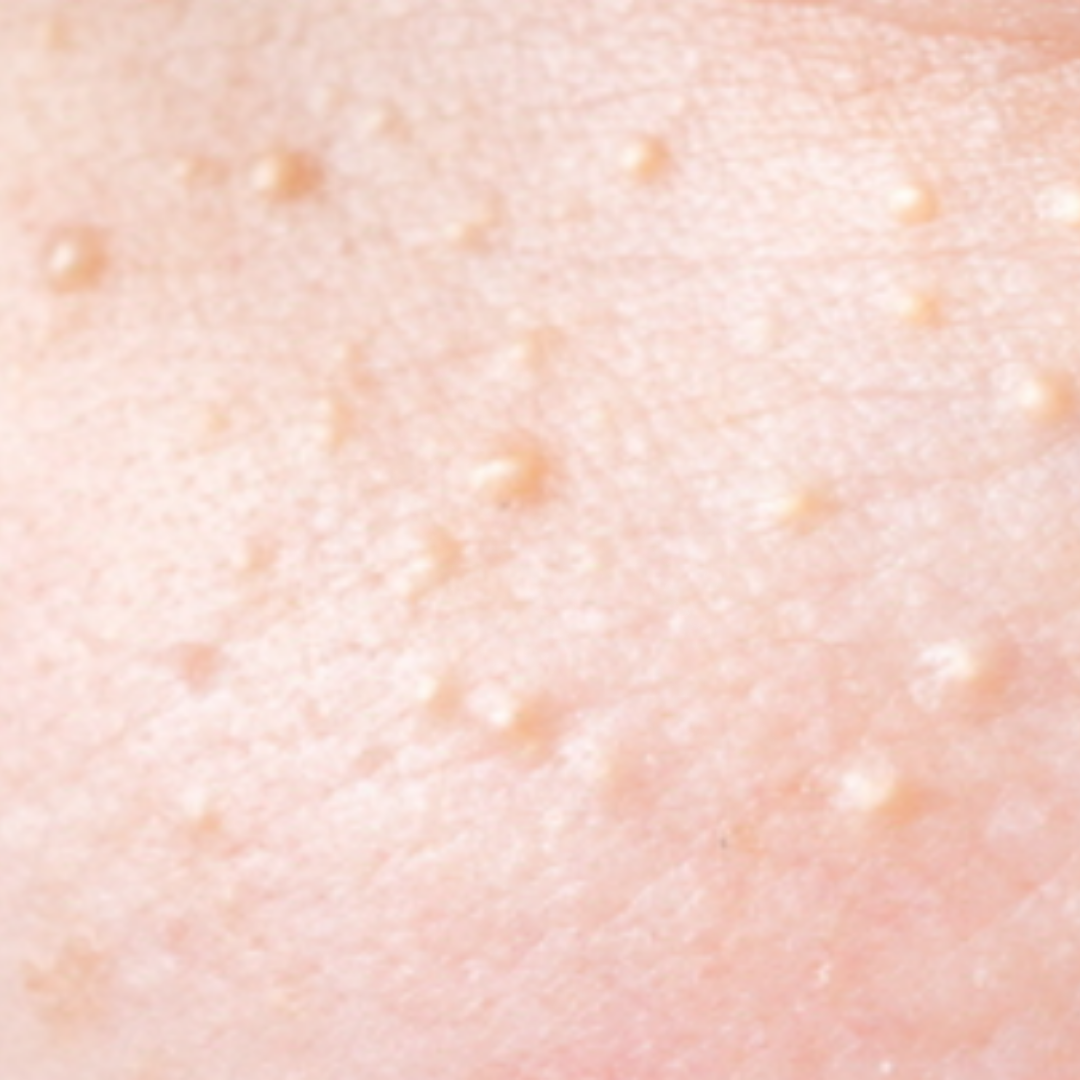
Q1. What are milia specifically?
Milia are not plugs of sebum,
but rather small cysts that develop from trapped keratin within the skin.
In terms of appearance,
they manifest as tiny, white or skin-toned bumps.
Manual extraction is often difficult,
and they usually cause minimal to no inflammation or discomfort.
Though they can be mistaken for acne or other small papules,
their underlying causes and treatment approaches differ.
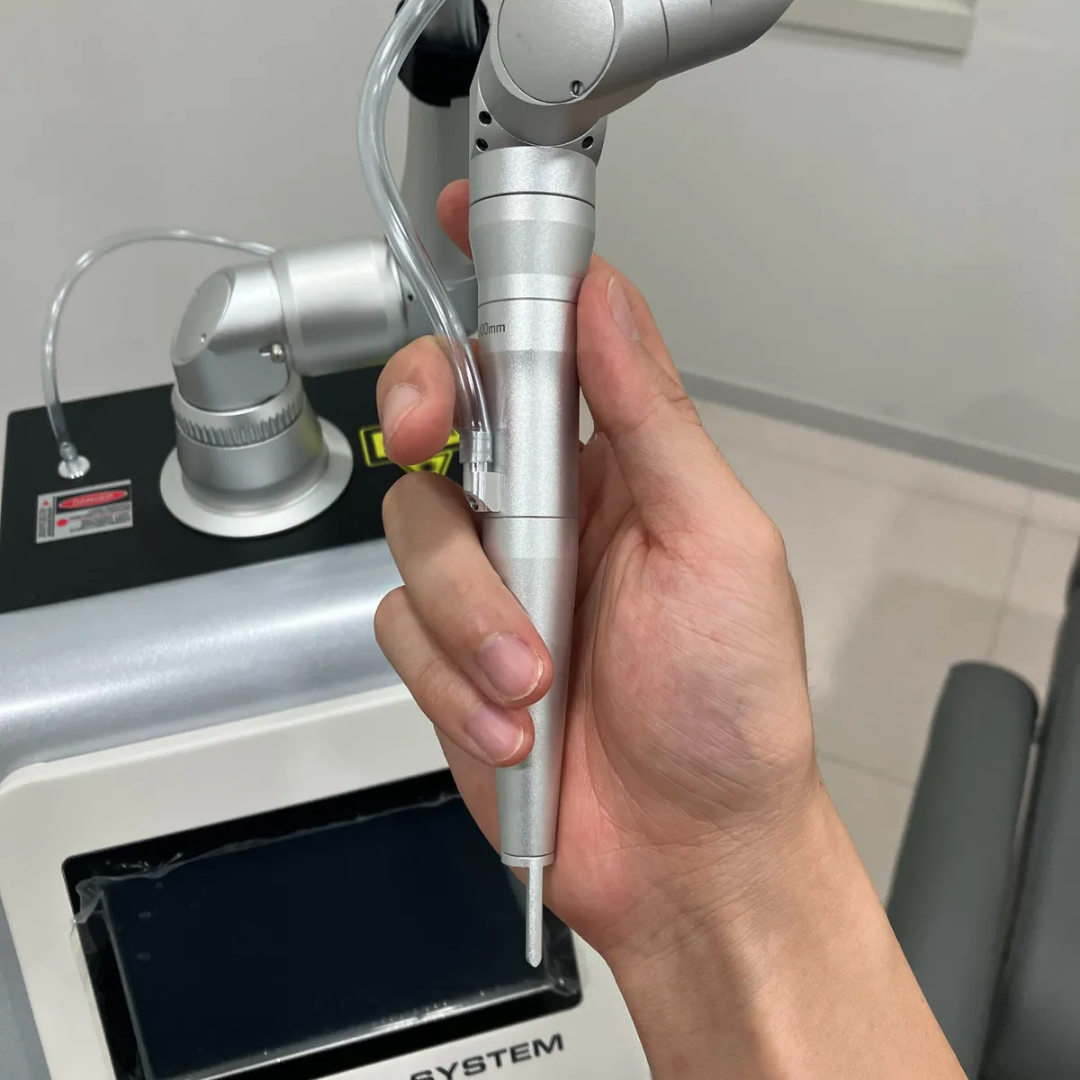
Q2. What causes milia to form?
Milia typically develop when
keratin on the skin's outer layer fails to shed adequately
and becomes entrapped within the skin.
The following conditions are commonly associated with their formation:
Areas with delicate skin, such as around the eyes and between the eyebrows (glabella)
A slower rate of skin cell renewal
Consistent application of richly textured cosmetic products
Therefore, instead of being a sign of "unclean skin",
it is more accurate to view their formation as a blockage of the keratin's exit pathway.
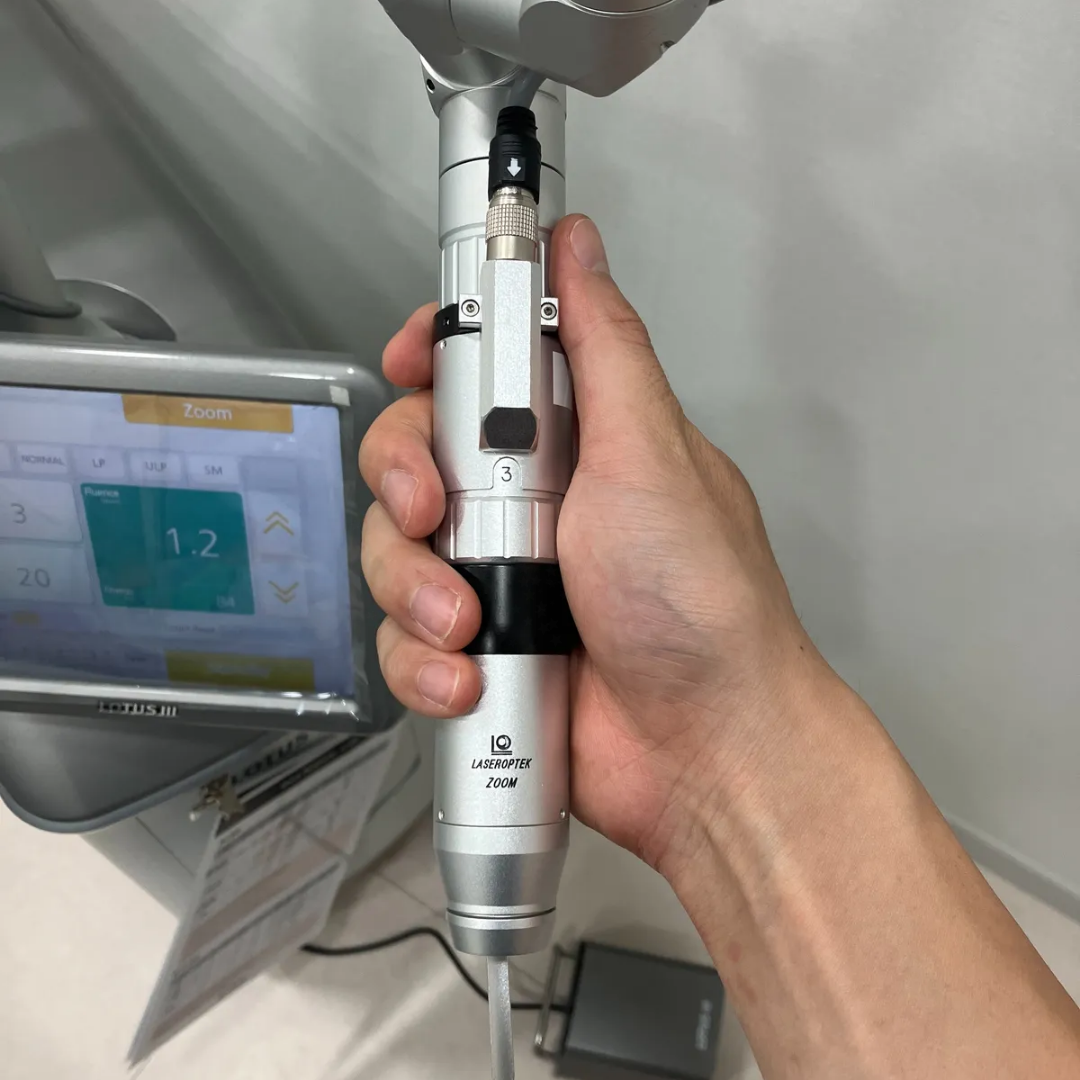
Q3. What makes milia so prevalent in the glabella region?
The glabella is an area that can be quite difficult to care for.
It involves frequent movement of facial expression muscles,
making thorough cleansing and exfoliation challenging,
and cosmetic products for the forehead and eye area often accumulate easily.
When these elements converge,
keratin builds up without proper shedding,
thereby increasing the probability of milia recurrence in the glabella area.
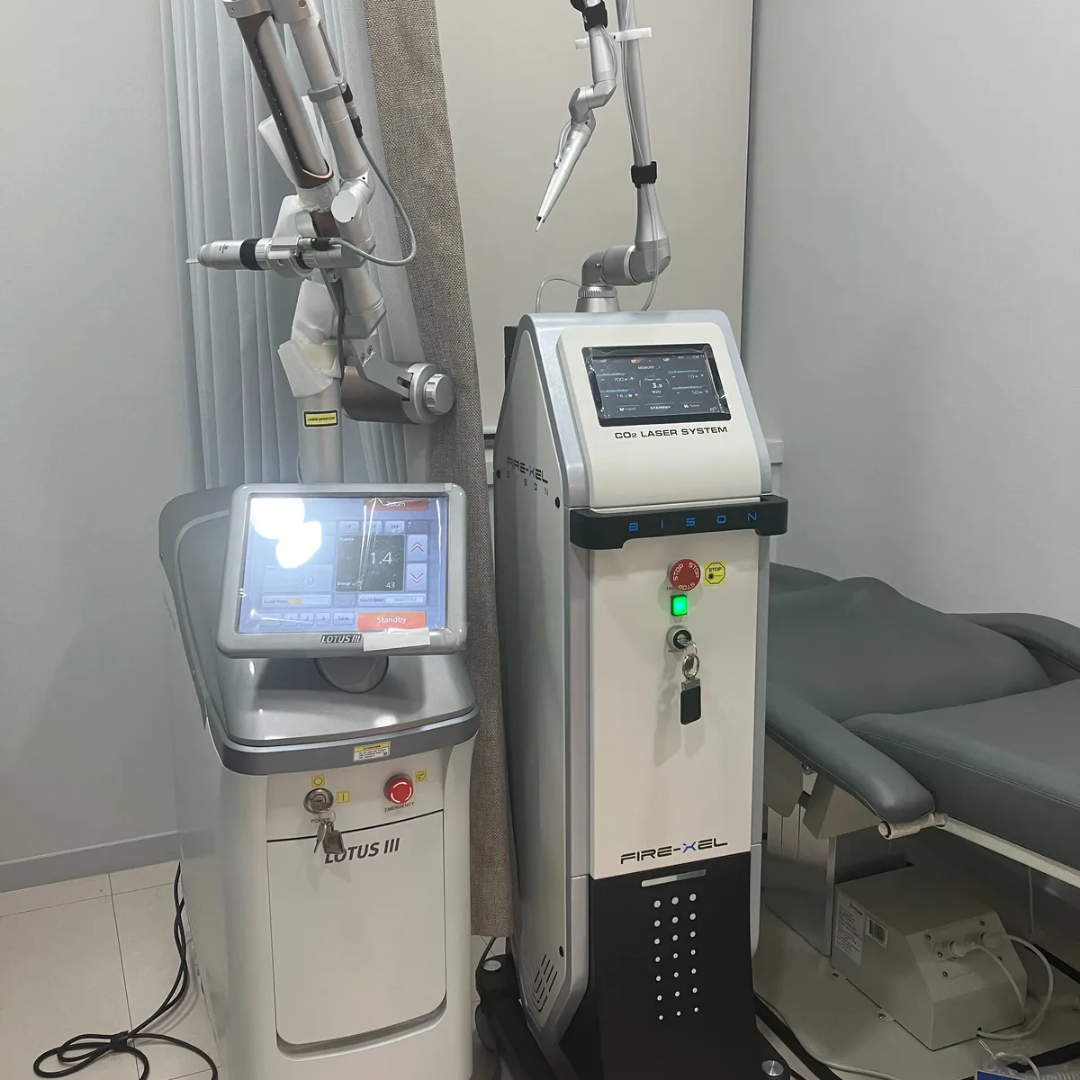
Q4. Is it possible to extract or manage milia at home?
Milia that are already noticeable to the eye and touch
are generally challenging to remove solely through self-attempted extraction or topical products.
In fact,
attempting forceful extraction may frequently result in scarring,
or hyperpigmentation.
or, at times, inflammation.
Certain skincare products or chemical peels
can be beneficial for preventing new milia or managing their return, but
these approaches are not designed to remove milia that have already formed.
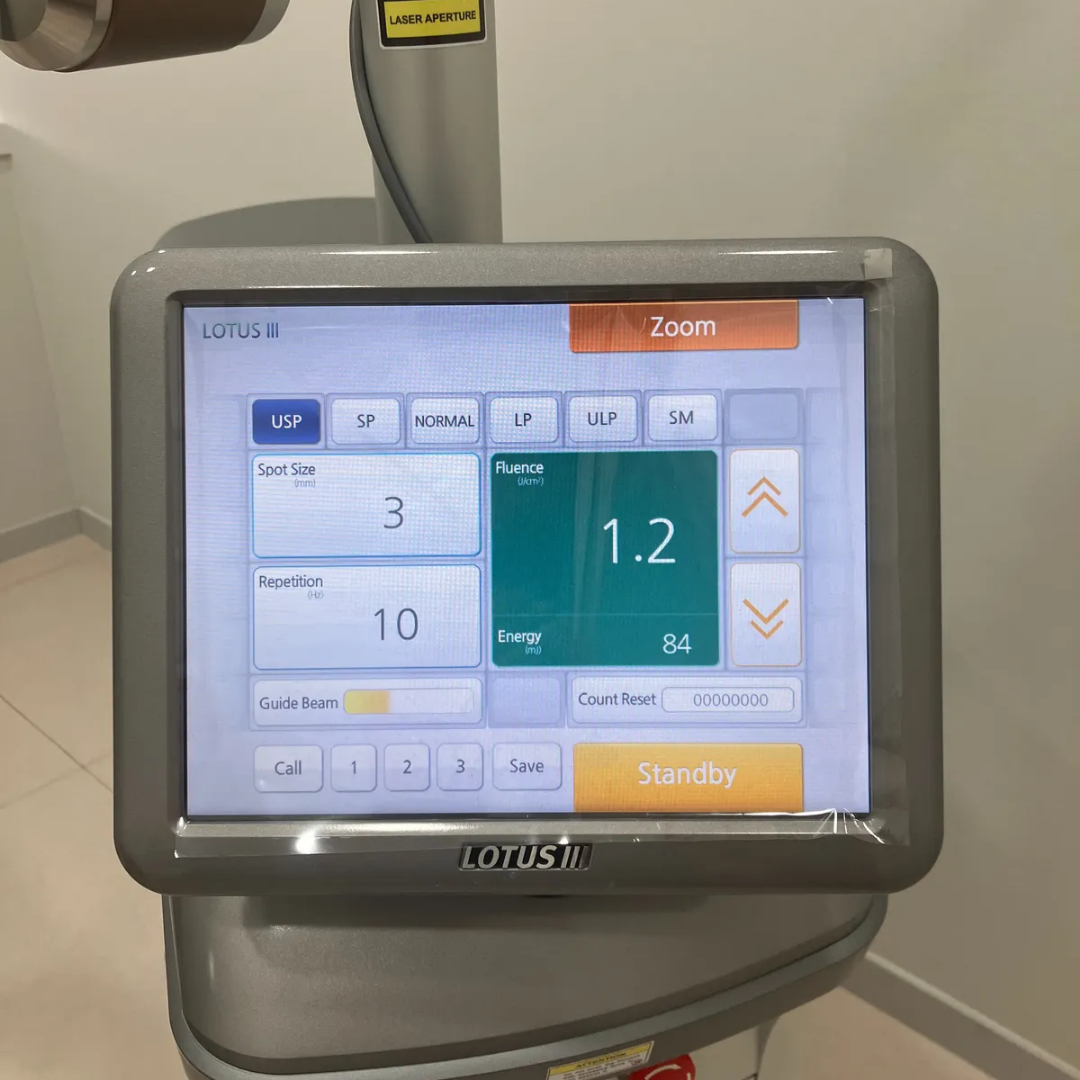
Q5. How are milia typically removed?
Effective milia removal prioritizes
precisely targeting only the lesion while ensuring minimal harm to the surrounding skin.
Generally,
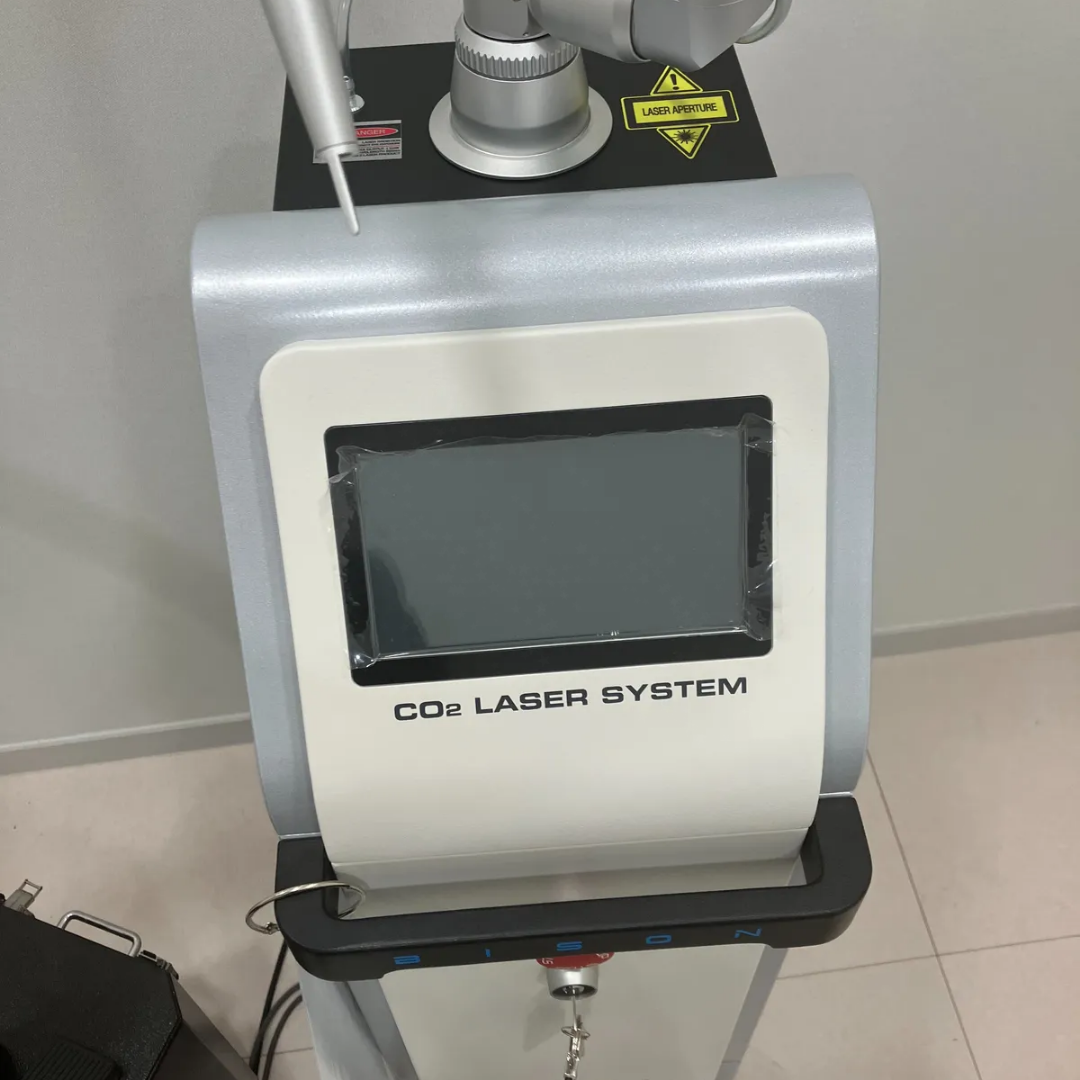
the process involves using a gentle laser to create a tiny opening in the lesion
then carefully extracting the trapped keratin.
Especially in areas where the skin is thin, such as around the eyes or the glabella,
it is crucial to use an approach that avoids excessive irritation.
Q6. Why do milia sometimes reappear after removal?
There are usually two reasons why milia might recur.
One situation is when the lesion was not completely cleared, allowing it to reform.
Separately from the original lesions,
due to the skin environment of that specific area, new ones may emerge.
Therefore, for milia,
we cannot definitively state they will "never recur once removed,"
making both the removal technique and post-procedure care important considerations.
Q7. What factors are important to minimize milia recurrence?
To help reduce recurrence, the following aspects are important:
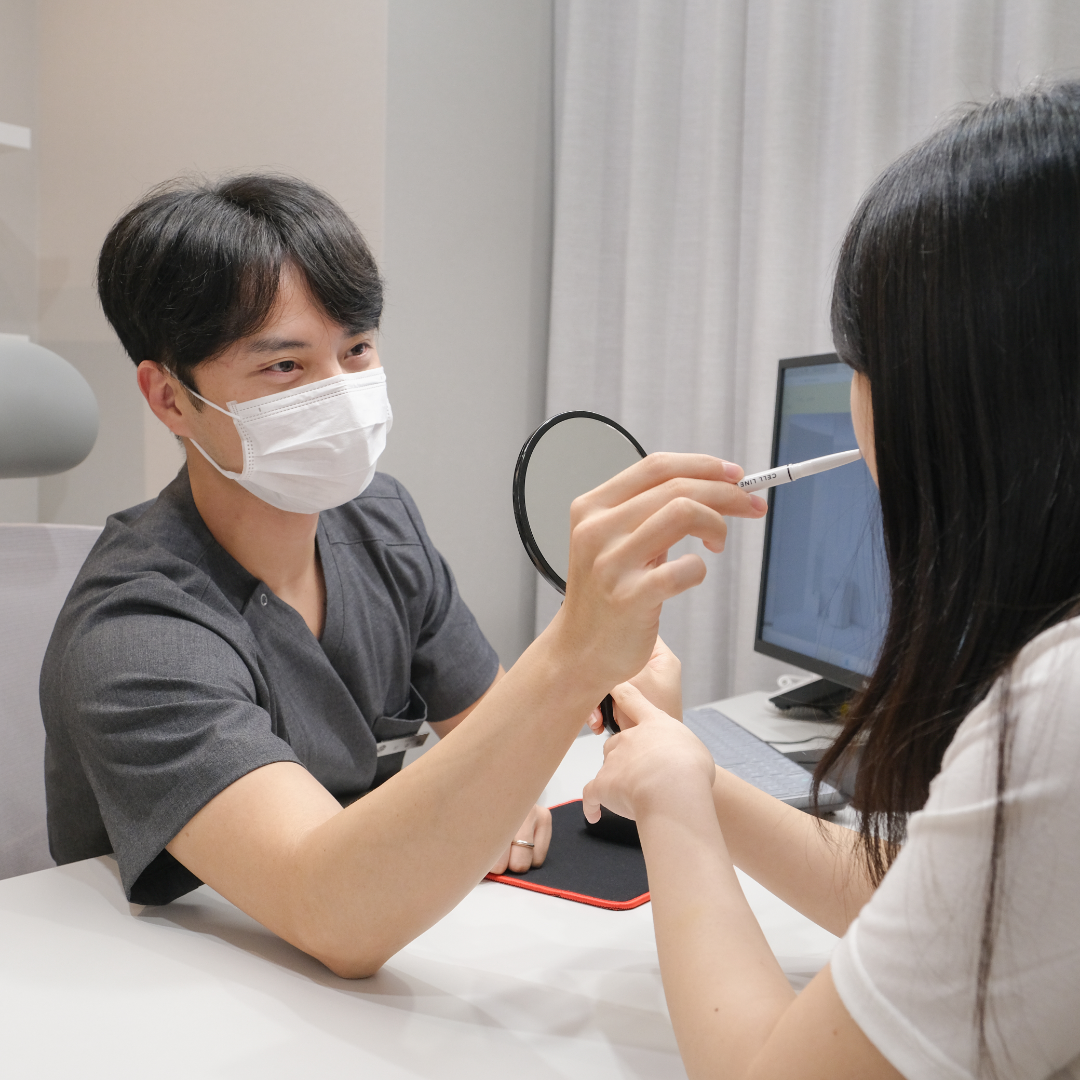
Choosing a removal method tailored to the lesion's depth and size.
Care focused on preventing dead skin cells from re-blocking pores after treatment.
A good understanding of the skin characteristics in the affected region.
When these factors are well managed,
the chances of milia reappearing in the same spot can considerably decrease.
Q8. What criteria should one consider when choosing a clinic for milia treatment?
Milia are small blemishes, yet
the outcomes can show a notable difference depending on the treatment method used.
Confirming that milia are treated distinctly from acne.
Ensuring that sensitive zones like the glabella and eye areas are separately recognized and explained.
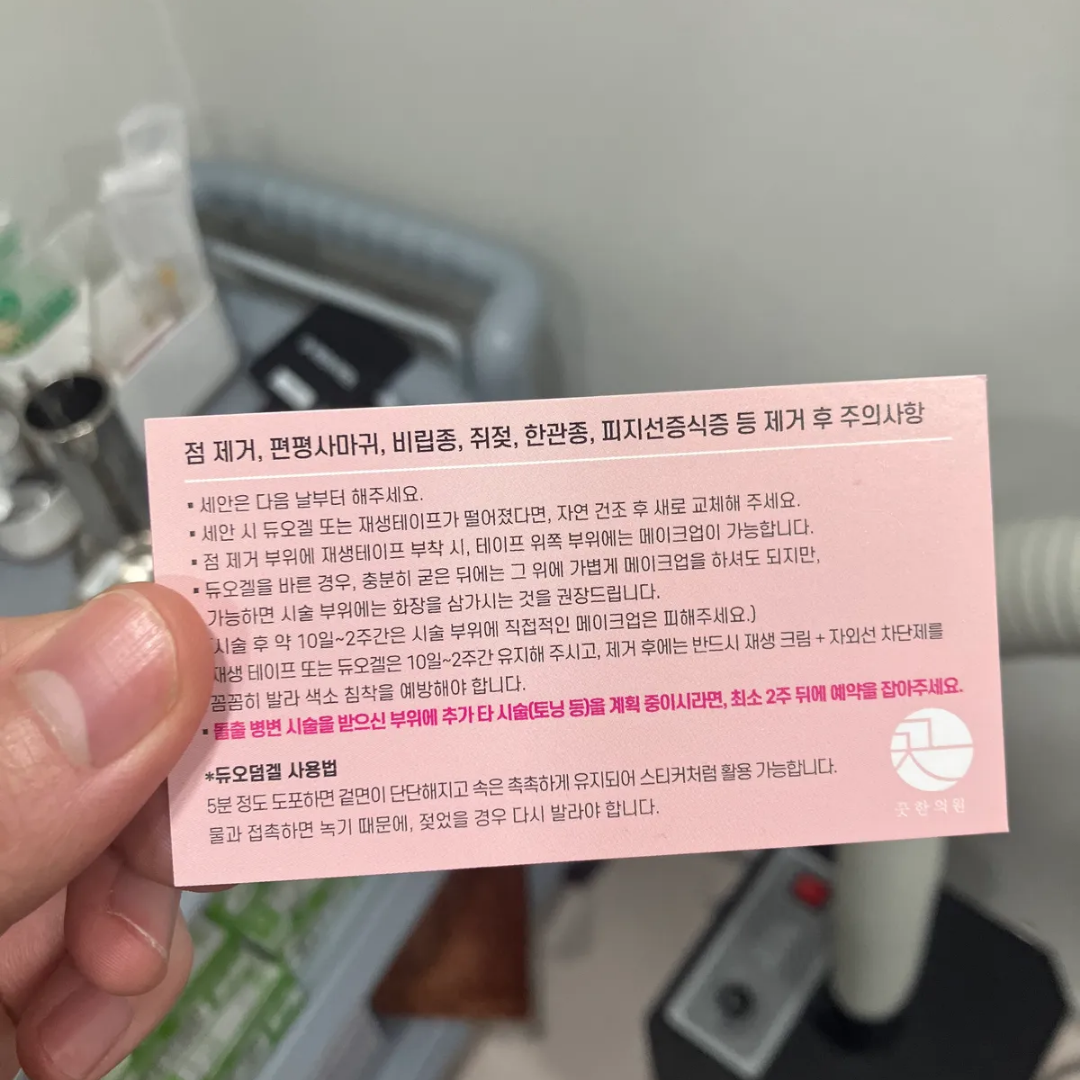
Verifying that post-removal care and potential recurrence are clearly discussed.
The more carefully these points are addressed,
the more beneficial it can be for reducing unwanted marks or the reappearance of milia.
In summary,
While milia are small,
depending on an individual's skin condition, the characteristics of the specific area, and the removal technique used,
they are lesions where the level of satisfaction after treatment can vary significantly.
Especially if milia tend to recur,
or if they appear in a noticeable area like the glabella,
rather than simply 'removing' them,
it is crucial to understand their cause and how to manage them appropriately.
Recommended treatments
Treatments that work especially well together.


Related notes
Procedure notes worth reading next.


Loading menu…