

3 Things to Consider Beyond the Cost of Milia Removal Around the Eyes Beomgye, Pyeongchon, Beomgye Station, Pyeongchon Station, Hogye-dong, Bisan-dong, Gwanyang-dong, Dongan-gu, Indeogwon, Geumjeong, Anyang
8/18/2026
This is a procedure note for 3 Things to Consider Beyond the Cost of Milia Removal Around the Eyes at Gyeonggi Anyang Beomgye KKEUT Korean Clinic.
When small, bumpy, millet-like growths appear around the eyes, it's important to first identify exactly what they are before searching for milia removal around the eyes.
Milia are small, white or yellowish, millet-seed-like lesions that form when keratin (dead skin cells) gets trapped under the skin and clumps together in tiny sacs.
Unlike acne or pimples, milia are not inflammatory conditions, and they do not disappear by being squeezed.
The skin around the eyes is much thinner and more sensitive than other areas of the face, making it a region where treatment methods can significantly affect the results.
Therefore, milia removal around the eyes is not a decision to be made solely by comparing price lists; there are specific checkpoints that must be addressed before treatment.
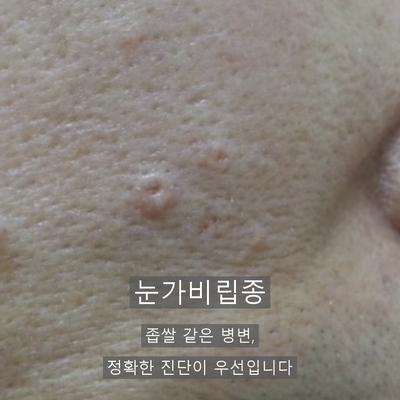
First Checkpoint: Accurate Diagnosis
Besides milia, there are several other outwardly similar conditions that can appear around the eyes, such as syringomas or sebaceous hyperplasia.
Because these lesions have different causes and tissue structures, approaching them in the same way can lead to reduced effectiveness or quicker recurrence.
The first checkpoint is to ensure the clinic diagnoses by thoroughly examining the shape, number, and distribution of the lesions, rather than relying solely on visual inspection.
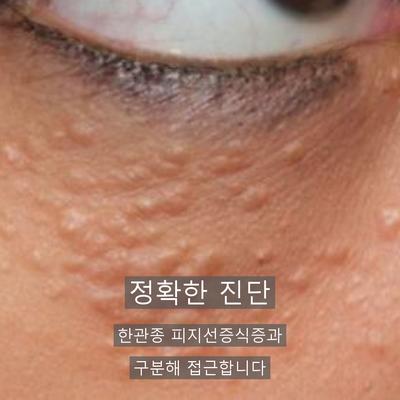
Second Checkpoint: Removal Method
While some methods involve pricking with a needle or manual extraction to treat milia, these approaches only remove the surface contents, leaving the keratin sac that encloses the lesion intact.
If the keratin sac remains, it's easy for milia to recur in the same spot over time.
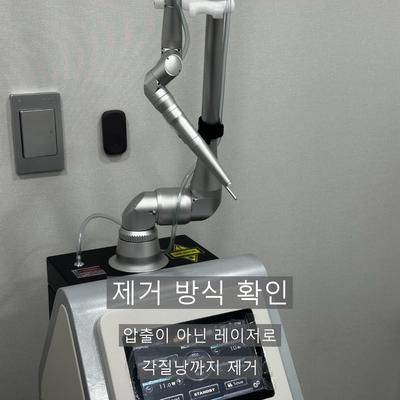
Confirming whether the method precisely destroys the keratin sac using laser equipment is a key checkpoint for milia removal around the eyes.
Third Checkpoint: Recovery and Aftercare
The eye area is prone to feeling slow in recovery, so it's important to confirm in advance how swelling, weeping, and scabs will be managed after the procedure.
Since the area where the keratin sac has been removed by laser undergoes a healing process like a small wound, it's important that aftercare includes applying a protective dressing immediately after the procedure.
Leaving it without dressing can increase the risk of scarring or hyperpigmentation, so it's advisable to choose a place with a well-established aftercare protocol.

If there are many milia or they are widely spread, it's often better to divide the area and perform the procedure over several sessions rather than trying to treat them all at once.
Instead of pushing for too much in one session, ensuring the clinic adjusts the number of sessions based on your skin condition should also be included in your checkpoints.

Kkeut Korean Medicine Clinic: Precision Approach
At Kkeut Korean Medicine Clinic, during consultations for periorbital milia removal, we first differentiate between milia, syringomas, and sebaceous hyperplasia.
If confirmed as milia, we proceed with a simple removal method; however, if identified as lesions with different causes, we guide you through a separate cause-specific removal program.
The reason for adopting different approaches, even for outwardly similar conditions, is to reduce recurrence.
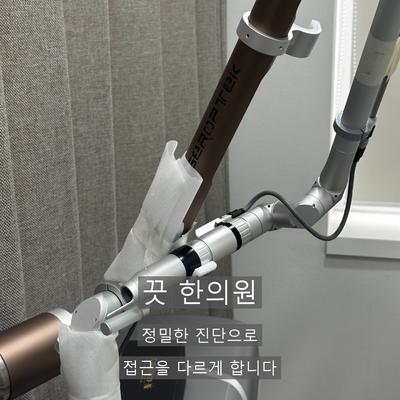
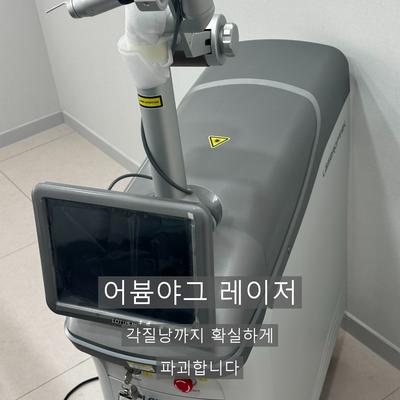
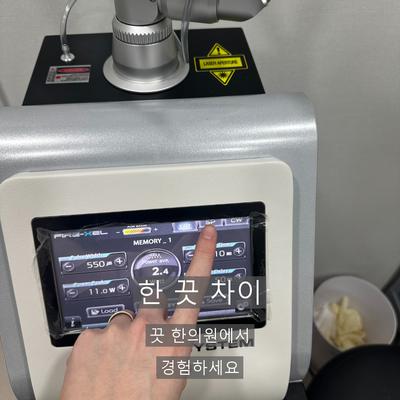
Kkeut Korean Medicine Clinic exclusively uses Er:YAG laser for periorbital milia removal.
The Er:YAG laser is a device focused on definitively destroying the keratin sac surrounding the lesion, a method that reduces downtime while lowering the recurrence rate.
If the keratin sac is not properly destroyed, milia can reappear in the same spot, which is why Kkeut Korean Medicine Clinic considers this aspect to be the core of the treatment.
A Subtle Difference, A Different Result
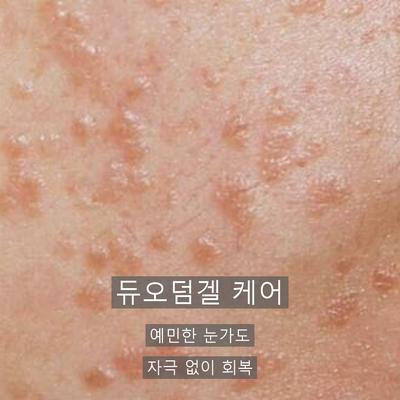
Aftercare also incorporates Kkeut Korean Medicine Clinic's unique approach.
We use DuoDerm Gel to help sensitive areas like the eyes recover without irritation, and it can be used comfortably even by those who have had allergies to DuoDerm stickers.
Frequently Asked Questions
Q. Can periorbital milia removal be completed in one session?
A. It depends on the number and distribution of the lesions. If there are few, they can be cleared in one session, but if they are widely spread, dividing the periorbital milia removal into several sessions by area is a way to reduce the risk of scarring.
Q. Can I squeeze them at home?
A. It is not recommended. Squeezing can leave the keratin sac intact, leading to easy recurrence, and since the eye area heals slowly if a wound remains, it is safest to receive laser treatment.
Q. When can I apply makeup after periorbital milia removal?
A. It is recommended after the dressing falls off and scabs have naturally resolved. As there are individual differences, it is best to confirm your recovery status and receive guidance.
Q. Is there no possibility of recurrence?
A. If the keratin sac is definitively destroyed, the possibility of recurrence is greatly reduced. If you are considering periorbital milia removal, we recommend confirming whether the keratin sac will be destroyed before the procedure.
The Sincerity of Kkeut Korean Medicine Clinic
Kkeut Korean Medicine Clinic provides differentiated results through accurate diagnosis, precisely distinguishing milia from similar lesions.
Kkeut Korean Medicine Clinic is increasing patient satisfaction through a protocol that definitively destroys keratin cysts with an Erbium YAG laser.
Kkeut Korean Medicine Clinic simultaneously pursues both safety and efficacy through DuoDERM gel aftercare.
Different Results with a Subtle Difference — Experience it at Kkeut Korean Medicine Clinic.
Related notes
Procedure notes worth reading next.

Effective Milia Removal: Opt for Er:YAG laser, avoid risky needle extraction.
2025. 9. 22.

Milia Laser: Why You Should Remove the Entire Keratin Cyst with a Laser Instead of Squeezing It
2026. 6. 20.

Recurring milia problem? Get spotless results with professional milia removal from between eyebrows and around the eyes.
2025. 12. 16.
Loading menu…