

Understanding Erbium YAG and CO2 Lasers for Flat Warts. Beomgye, Pyeongchon, Beomgye Station, Pyeongchon Station, Hogye-dong, Bisan-dong, Gwanyang-dong, Dongan-gu, Indeogwon, Geumjeong, Anyang
12/13/2025
This is a procedure note for Understanding Erbium YAG and CO2 Lasers for Flat Warts. at Gyeonggi Anyang Beomgye KKEUT Korean Clinic.
Flat wart laser treatment requires a thoughtful approach. Removing flat warts involves carefully assessing each lesion's characteristics, such as size, number, bleeding, and potential spread, as these factors influence outcomes and recovery. For this reason, some clinics use Er:YAG lasers, which offer precision. When beneficial, a dual laser strategy combining a CO2 laser may also be employed. Moreover, an efficient system can allow for timely treatment, enabling a meticulous approach to each individual lesion with these laser options. This deliberate method can lead to variations in results.
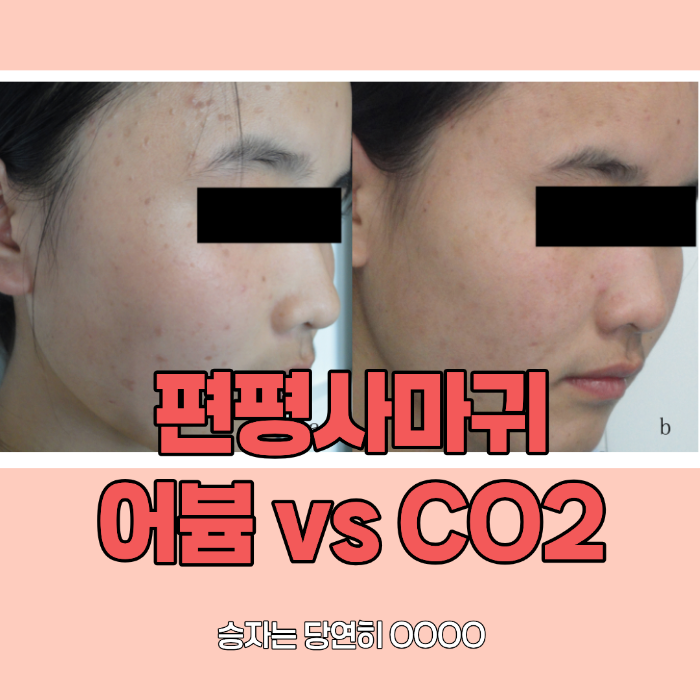
Flat Wart Management
a process that involves examining the size, quantity, any active bleeding, and likelihood of expansion to adjacent skin areas,
as these elements can significantly influence both the efficacy of treatment and the subsequent recovery phase.
Certain clinics are equipped with Er:YAG lasers,
these are advanced devices, often considered a significant investment compared to CO₂ lasers,
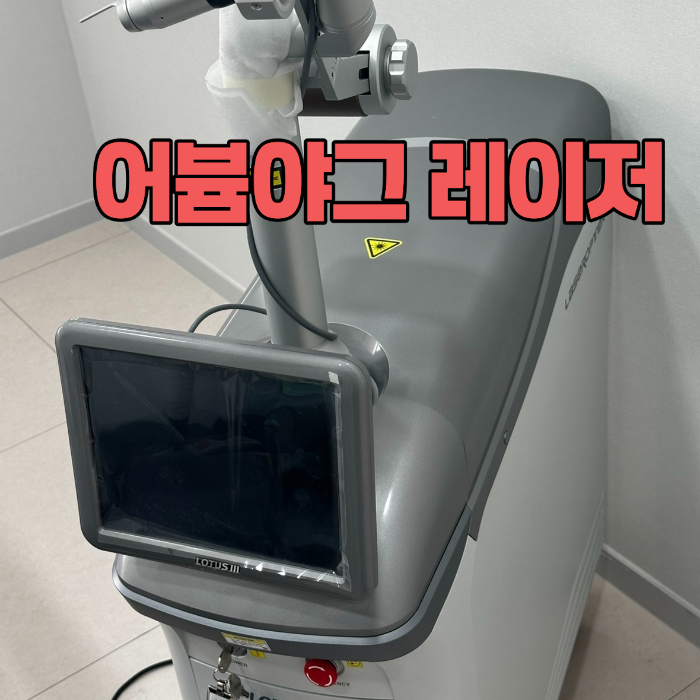
When clinically indicated,
a combined approach using a CO₂ laser may be adopted as a fundamental part of the treatment plan.
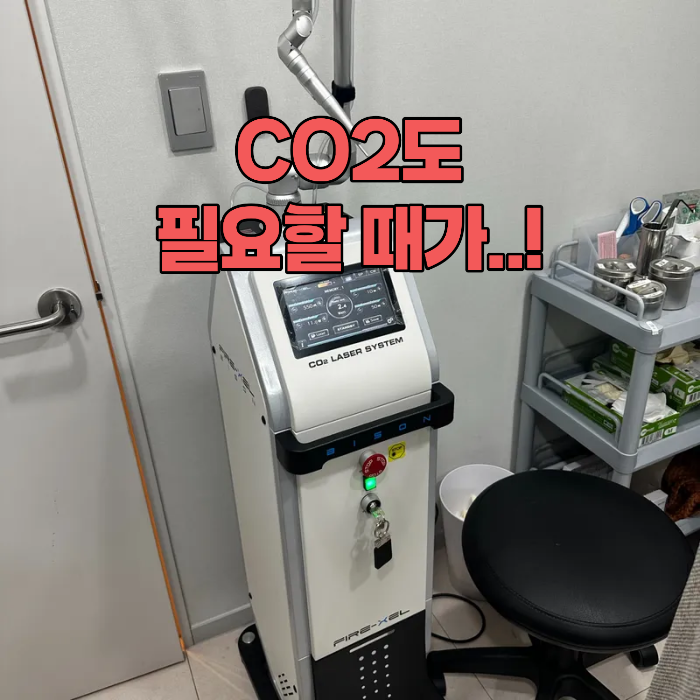
Furthermore,
efficient scheduling can facilitate prompt treatment, minimizing waiting times,
this allows for
a thorough inspection of each distinct lesion
and enables precise removal, potentially using a dual-laser method.
This methodical approach contributes to
variations that may arise in the overall treatment results.
Q1. What defines flat warts?
These are a dermatological condition resulting from infection with the human papillomavirus (HPV).
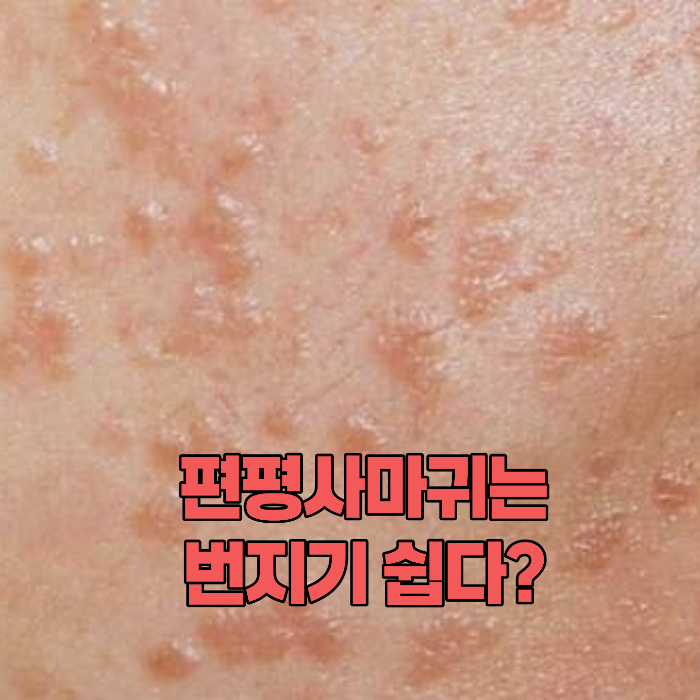
Typically, they manifest on the face as
lesions with a skin-like color or light brown hue, often showing a mild elevation.
while often presenting with minimal to no discomfort or pruritus,
they are inherently infectious and prone to dissemination.
Transmission is possible even via
routine interactions, including shared towels or direct hand contact,
Should they remain unaddressed,
a primary concern is the potential for an increase in the count of lesions.
Q2. Is it possible to achieve a complete resolution for flat warts?
For flat warts, managing the condition is often considered more crucial than aiming for a complete cure.
While existing lesions can be eradicated,
owing to the inherent characteristics of the virus,
the potential for recurrence or the emergence of new lesions consistently remains.
Consequently,
the optimal strategy involves
removing lesions progressively to preempt further dissemination.
Q3. What methods are used for flat wart removal?
A fundamental principle in flat wart removal is
to simultaneously eliminate both the discernible lesions and the viral components embedded within the tissue.
For this purpose,
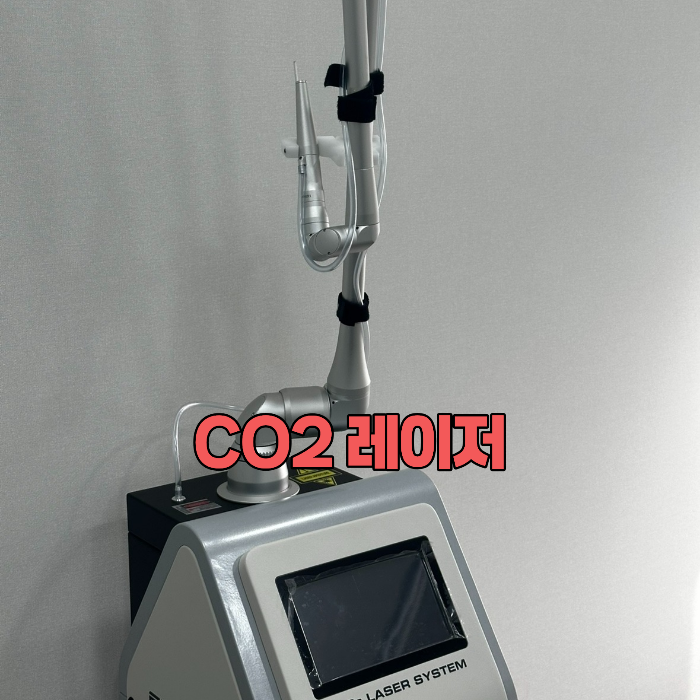
ablative lasers, capable of precise surface tissue ablation, are typically employed.
Examples of such ablative lasers include
CO₂ lasers and Er:YAG lasers.
Q4. What defines the CO₂ laser?
The CO₂ laser is a device that
produces thermal effects impacting both the target lesion and its surrounding tissues.
Advantages of the CO₂ Laser
- When lesions are widespread or cover a significant area,
- an indirect reduction of the viral load may be observed.
- For warts characterized by prominent blood vessel development,
- a hemostatic effect can be achieved.
Potential Drawbacks
- Thermal damage might extend to surrounding healthy skin areas.
- This can result in a longer recovery period and extended redness.
Q5. What sets the Er:YAG laser apart?
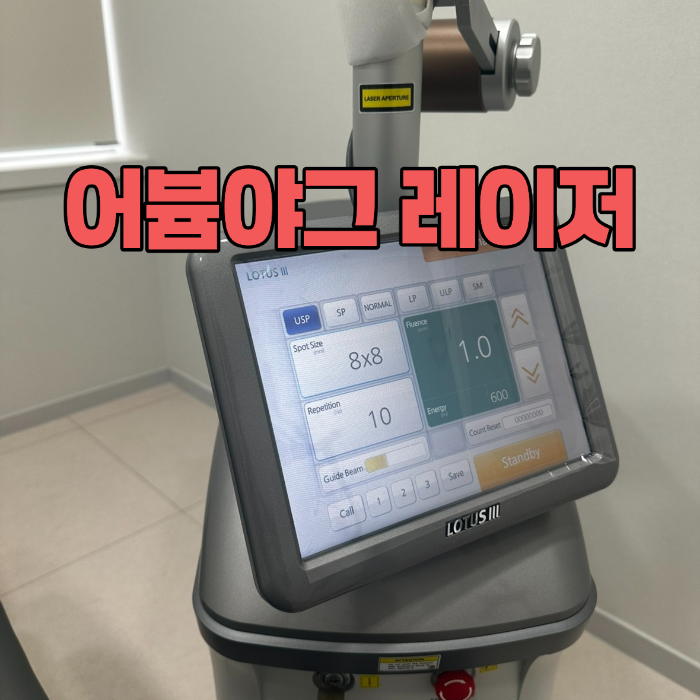
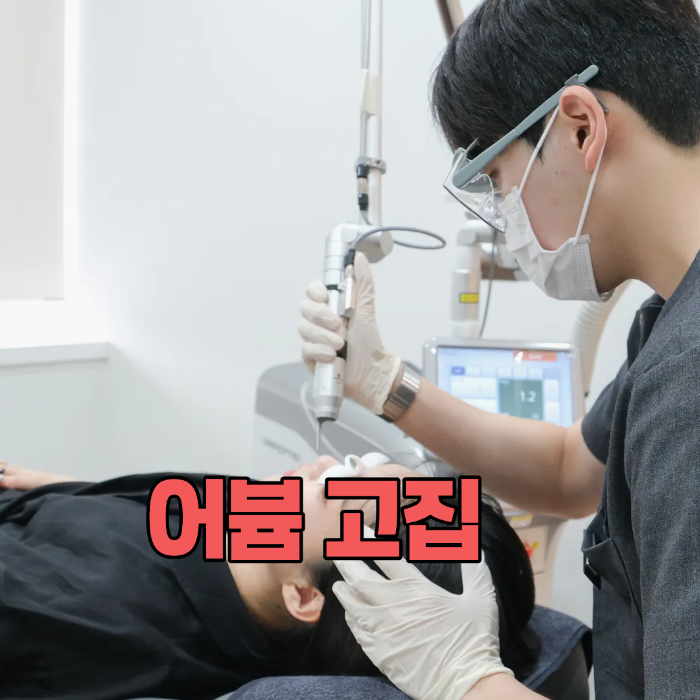
The Er:YAG laser is a precise tool that
enables the removal of only the intended tissue.
Advantages of the Er:YAG Laser
Reduced impact on surrounding healthy skin.
Targeted and accurate tissue removal.
Faster recovery and decreased post-procedure redness
Given these characteristics,
it is often regarded as a highly appropriate laser for treating flat warts.
Potential Limitation
It does not offer a hemostatic function.
Q6. Is it possible to use only one type of laser, either Erbium YAG or CO₂, or is a dual laser approach consistently needed?
Generally, a combined approach is often recommended.

The Erbium YAG laser is suitable for precise and delicate tissue removal.
The CO₂ laser may be used for managing potential bleeding, larger lesions, or particular clinical situations.
Integrating both laser types, tailored to the lesion's specific condition,
is considered a highly effective and strategic approach to treatment.
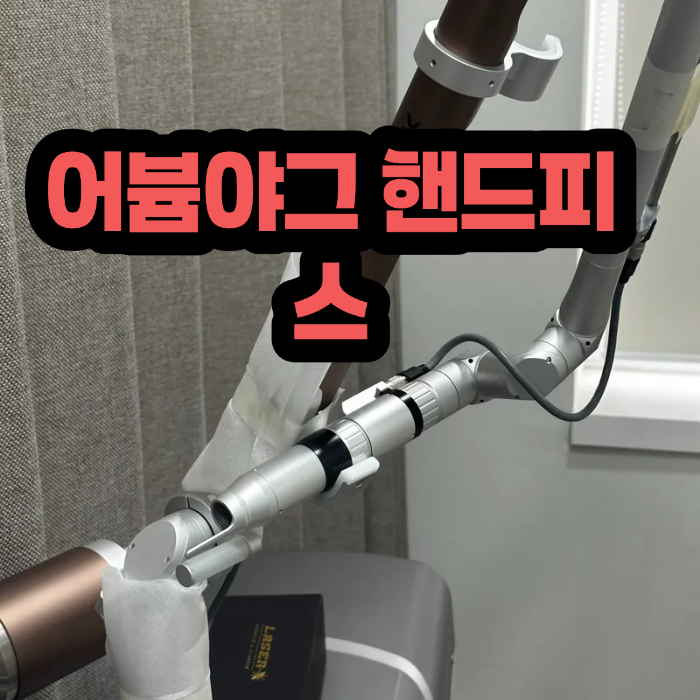
At our facility,
treatment protocols are initially designed to utilize this dual laser methodology.
Q7. What is the significance of clinics utilizing the Erbium YAG laser?
The Erbium YAG laser,
has an equipment cost that is approximately ten times greater than that of a CO₂ laser.
This can make it challenging for every clinic to implement.
Clinics that possess significant expertise in flat wart management
typically employ the Erbium YAG laser as their primary tool,
and only incorporate the CO₂ laser for adjunctive use when deemed necessary.
Q8. What are the guiding principles for flat wart treatment at our facility?
Laser selection is determined by assessing the lesion's size, anatomical location, and its propensity for bleeding.
Individualized treatment, leveraging a dual Erbium YAG and CO₂ laser approach, is carried out.
Efficient scheduling helps reduce waiting times. We are dedicated to providing meticulous, individualized care for every patient.

Recommended treatments
Treatments that work especially well together.


Related notes
Procedure notes worth reading next.


Loading menu…