



Can a post-mole removal healing patch help prevent hyperpigmentation? Beomgye, Pyeongchon, Beomgye Station, Pyeongchon Station, Hogye-dong, Bisan-dong, Gwanyang-dong, Dongan-gu, Indeogwon, Geumjeong, Anyang
6/5/2026
This is a procedure note for Can a post-mole removal healing patch help prevent hyperpigmentation? at Beomgye(Opening Soon) KKEUT Korean Clinic.
After mole removal, the most common concern is hyperpigmentation.
When your skin turns from red to brown after a laser procedure, it's natural to worry, 'Is it more noticeable than before I had the mole removed?'
At this point, you often hear that mole removal recovery tape, or hydrocolloid dressing, can help prevent hyperpigmentation.
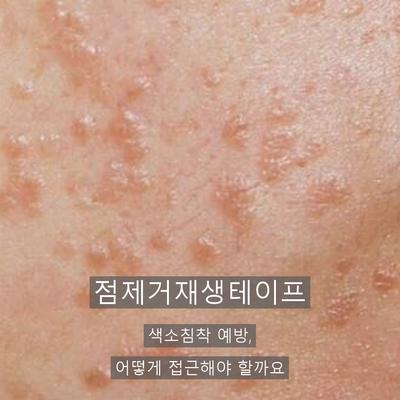
Why Does Hyperpigmentation Occur After Mole Removal?
When a mole is removed with a laser, the treated area temporarily becomes a wound.
As the skin heals from the damage, melanocytes (cells that produce melanin pigment) are activated. If melanin is overproduced during this process, hyperpigmentation occurs.
This is known as 'PIH (Post-Inflammatory Hyperpigmentation)'.
Melanocytes react sensitively to inflammatory stimuli, UV radiation, and friction. Therefore, how well you protect the wound area after the procedure is key to preventing hyperpigmentation.
How Mole Removal Recovery Tape (Hydrocolloid) Works
Hydrocolloid dressing, also known as mole removal recovery tape, is a dressing material that creates a moist environment.
The hydrocolloid material absorbs exudate from the wound, transforming into a gel. This gel layer keeps the wound surface moist.
In a dry environment, a scab forms, hindering cell migration and slowing down regeneration. However, in a moist environment, cells move faster, accelerating wound healing.
When the healing speed increases, the duration of inflammation shortens, and the activation period of melanocytes (which react to inflammatory stimuli) also decreases, thereby lowering the likelihood of hyperpigmentation.
Correct Usage Determines Effectiveness
For mole removal recovery tape, the timing of replacement is just as important as applying it correctly.
Typically, if the center of the tape swells and turns whitish, it's a signal to change it. This means it has absorbed enough exudate, so replacing it at this point helps maintain a moist environment without the risk of infection.
The replacement cycle varies depending on individual skin condition, but generally, it's around once a day. When removing the tape, it's best to soak it thoroughly with water and then slowly peel it off to minimize irritation.
After washing your face, ensure the area is completely dry before applying a new tape to maintain its adhesiveness.
The duration of tape application varies depending on the size and depth of the treated area, but generally, it's until the wound is fully healed, which is about 1 to 2 weeks.
Once the wound is deemed healed, remove the tape and transition to focusing on UV protection.
Since UV radiation is the most potent factor directly stimulating melanocytes, consistently applying sunscreen with SPF 50 or higher, even after the tape usage period ends, is the final and most crucial step in preventing hyperpigmentation.
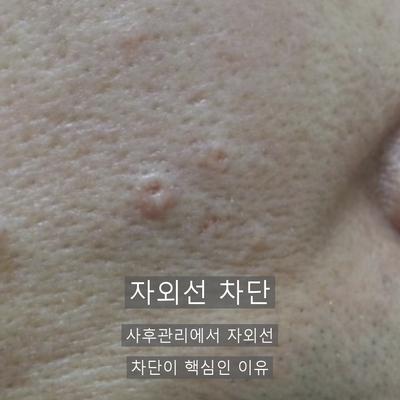
Even when combining recovery tape and UV protection, it's important to remember that a shorter downtime from the procedure itself lowers the likelihood of hyperpigmentation.
The longer the wound healing period, the more opportunities there are for melanin stimulation. Therefore, the method of mole removal significantly influences the effectiveness of post-procedure care.
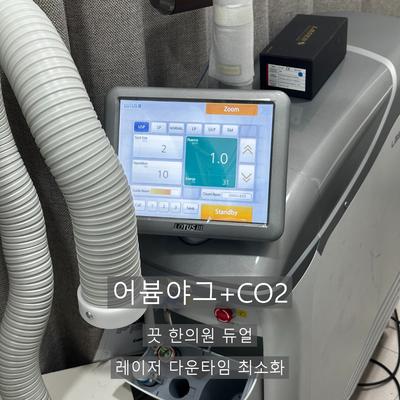
How Kkeut Korean Medicine Clinic Approaches Mole Removal
Kkeut Korean Medicine Clinic uses both Er:YAG laser and CO2 laser.
The Er:YAG laser is selectively absorbed by water, precisely vaporizing the mole while minimizing damage to surrounding tissues. To minimize downtime, Er:YAG is primarily used, with the CO2 laser accompanying it for hemostasis (blood clotting).
Proper hemostasis ensures a clean treated surface, leading to a more uniform wound healing process. This process is the starting point for reducing the risk of hyperpigmentation.
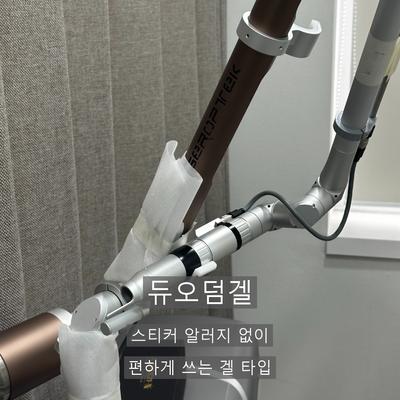
At Kkeut Korean Medicine Clinic, DuoDERM gel is used for post-mole removal care.
Since a gel type rather than the typical DuoDERM sticker type is applied, even those with allergic reactions to sticker-type tapes can use it without concern.
The ability to manage it comfortably without the hassle of repeatedly peeling and sticking like a sticker is also a practical difference for patients.
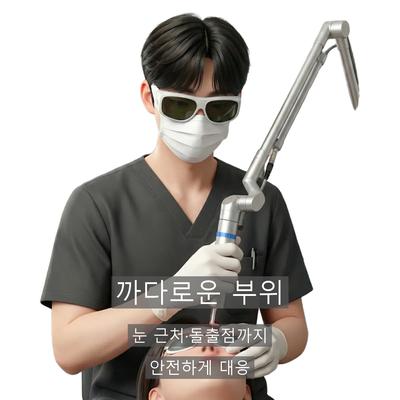
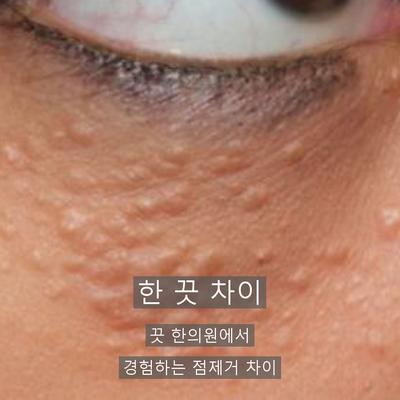
Kkeut Korean Medicine Clinic also treats moles in challenging areas such as raised moles and those near the eyes.
The practitioner's judgment is crucial when areas require adjustment of energy and depth according to their specific characteristics, and Kkeut Korean Medicine Clinic safely handles such areas.
If a mole suspected of being malignant is found, we operate under a safety protocol where we do not proceed with the procedure and immediately refer the patient to a higher-level institution.
Frequently Asked Questions
Q. Is mole removal recovery tape essential?
A. Using mole removal recovery tape (hydrocolloid dressing) maintains a moist environment, which speeds up wound healing. Faster healing shortens the duration of inflammation, thereby reducing the likelihood of hyperpigmentation. Therefore, Kkeut Korean Medicine Clinic strongly recommends its use.
Q. How long should I keep the mole removal recovery tape on?
A. Generally, the standard is about 1 to 2 weeks, until the wound is completely healed. This can vary depending on the size and depth of the treated area, so it's most accurate to follow your medical professional's instructions.
Q. How should I care for the treated area after removing the mole removal recovery tape?
A. After removing the tape, UV protection is crucial. Since UV radiation can directly stimulate melanocytes and worsen hyperpigmentation, consistently applying sunscreen with SPF 50 or higher every day is the most important step in preventing hyperpigmentation.
Q. If I have an allergy to sticker-type tape, can I not use the mole removal regenerative tape?
A. Kkeut Korean Medicine Clinic uses DuoDERM gel instead of regular sticker-type tape, so even those with allergic reactions to sticker types can use it comfortably. If you experience any discomfort, please inform us during your consultation.
Q. What should I do if pigmentation has already occurred?
A. Pigmentation that occurs after mole removal often fades naturally, but thorough UV protection is fundamental to speeding up recovery. If pigmentation persists for a long time, additional treatments such as laser toning or pico toning may be considered.
The Commitment of Kkeut Korean Medicine Clinic
Kkeut Korean Medicine Clinic primarily uses Er:YAG laser, combined with CO2 laser for hemostasis, a dual approach that minimizes downtime while providing clean and refined treatment results.
Kkeut Korean Medicine Clinic uses DuoDERM gel instead of general sticker-type dressings, enhancing patient satisfaction by allowing for more comfortable post-treatment care without concerns about tape allergies.
Kkeut Korean Medicine Clinic safely handles challenging areas such as raised moles and areas near the eyes, and pursues both safety and effectiveness through a safety protocol that immediately refers suspected malignant lesions to a higher medical institution.
A subtle difference, a different result — Experience it at Kkeut Korean Medicine Clinic.
Loading menu…