

Mole and Spot Removal: Our standard for removing multiple moles/spots without leaving scars. Beomgye, Pyeongchon, Beomgye Station, Pyeongchon Station, Hogye-dong, Bisan-dong, Gwanyang-dong, Dongan-gu, Indeogwon, Geumjeong, Anyang
7/5/2026
This is a procedure note for Mole and Spot Removal: Our standard for removing multiple moles/spots without leaving scars. at Gyeonggi Anyang Beomgye KKEUT Korean Clinic.
Many people with multiple moles on their arms feel self-conscious when wearing short sleeves or sleeveless tops.
When considering arm mole removal, the biggest concerns are scarring and recurrence.
The more moles there are, the more a standard is needed to determine if they can all be removed at once and if marks will be left behind.
The darker the mole's color and the greater their number, the more the results can vary significantly depending on the approach taken.
Since results differ based on the laser method and aftercare, let's start by explaining the principles.
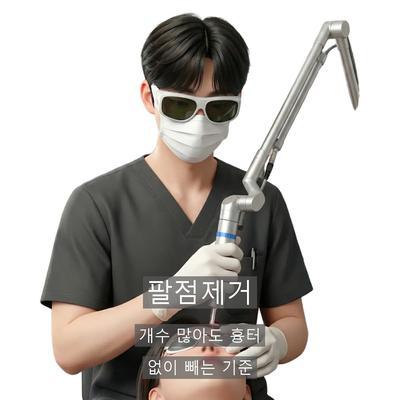
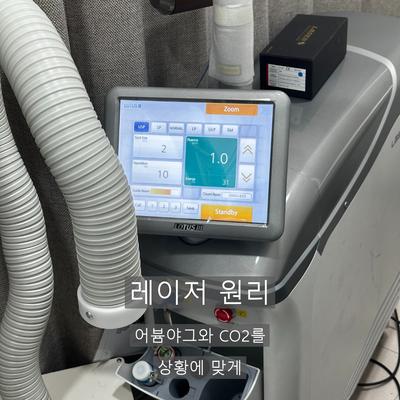
Lasers Used for Arm Mole Removal
Mole removal is a procedure that precisely ablates pigmented tissue using a laser.
Erbium YAG lasers thin the skin tissue by vaporizing it, resulting in less surrounding heat damage and faster recovery.
CO2 lasers have a strong hemostatic effect that quickly stops bleeding, keeping the treated area clean.
Using both devices appropriately for the situation reduces downtime and increases procedural precision.
Depending on whether the mole's pigment is shallow or deeply rooted, the depth and intensity of the laser must be adjusted accordingly.
The procedure is performed after local anesthesia, which minimizes pain, and each area is completed in a short amount of time.
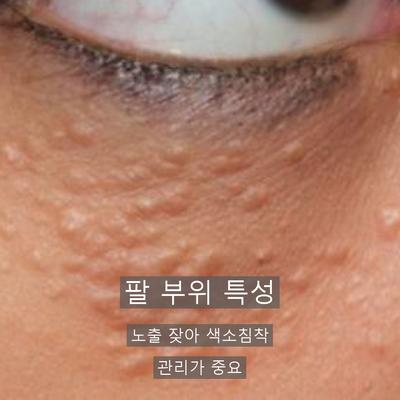
Due to the nature of the arm area, management is important.
The arms are an area that frequently comes into contact with clothes and bags, and is often exposed to sunlight, making post-inflammatory hyperpigmentation likely.
For arm mole removal, the size and depth of each mole vary, so using the same intensity in one spot can easily leave marks.
If there are many moles, it's better to remove them in stages according to their depth rather than trying to remove them all at once, which helps reduce scarring.
Aggressively burning deep moles all at once increases the risk of leaving depressed scars in that spot.
Shallow and small moles can be removed in one session, while large and deep moles may require multiple sessions, depending on their regeneration status.
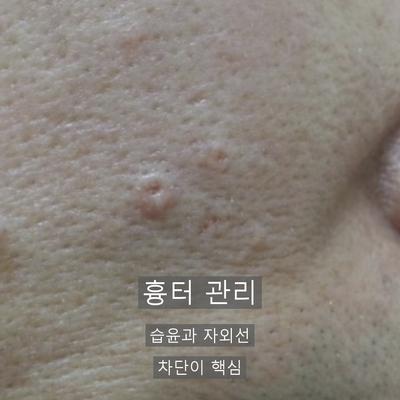
Recovery Care to Minimize Scars
After mole removal, a small hollow forms, and keeping this area moist during healing is key to scar management.
Maintaining a moist environment so that the scab doesn't dry out too quickly promotes smooth regeneration.
Applying a thin layer of regenerative ointment and covering it with a gel helps protect against external stimuli while the scab forms.
UV radiation is the biggest cause of post-inflammatory hyperpigmentation, so thorough UV protection is essential during the recovery period.
In the early stages of recovery, avoiding environments that cause excessive sweating, such as saunas and strenuous exercise, helps reduce infection.
It's best not to forcibly remove scabs but to let them fall off naturally to avoid leaving marks.

Not All Moles Are the Same
If a spot looks like a mole but has an irregular shape, uneven color, or has suddenly grown larger, differentiation is the priority.
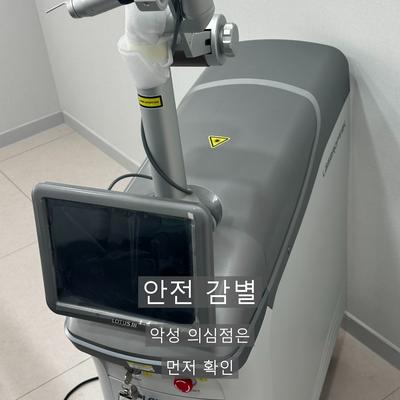
Before aesthetic removal, it's safer to examine the mole's condition and, if malignancy is suspected, to refer to a higher institution first.
Sometimes moles reappear in the same spot after removal; this is not due to a faulty procedure but rather the recurrence of remaining pigment cells.
Being informed about re-treatment criteria in advance, considering the possibility of recurrence, makes it easier to plan management.
Arm Mole Removal, When Is the Best Time?
Many people plan arm mole removal during autumn and winter, when UV radiation is weaker, as this period is favorable for recovery and pigment management.
If done in summer, covering the treated area with clothing or a band and being extra diligent with sun protection is crucial to prevent post-inflammatory hyperpigmentation.
If multiple sessions are required, it's reassuring to ensure an adequate recovery period by avoiding seasons with frequent sun exposure.
Frequently Asked Questions
Q. For arm mole removal, if there are many, can they all be removed at once?
A. For arm mole removal, depth is the criterion, not the number. Shallow moles can be removed in one go, while deeper ones can be divided into sessions, watching their recovery, to reduce the burden of marks.
Q. What should I do to avoid scars after arm mole removal?
A. After arm mole removal, the most reliable way to reduce scars is to avoid touching the scabs and to maintain moist wound care and UV protection.
Q. What is the downtime after arm mole removal?
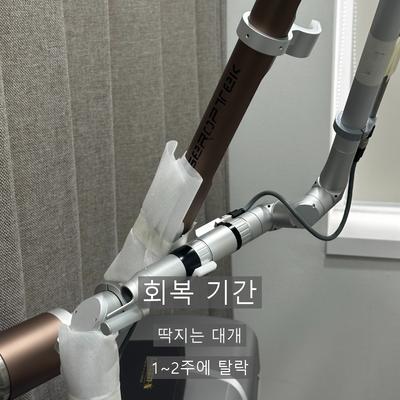
A. After mole removal, scabs usually fall off within 1 to 2 weeks, depending on their size. With an Er:YAG laser-focused approach, surrounding tissue damage is minimal, leading to faster recovery.
Mole Removal at Kkeut Oriental Clinic
Kkeut Oriental Clinic addresses moles in challenging locations, such as raised moles or those near the eyes, and meticulously treats multiple moles concentrated on the arm, area by area.
Kkeut Oriental Clinic is equipped with both Er:YAG and CO2 lasers, primarily using the Er:YAG to minimize downtime, and adding CO2 when hemostasis is needed to ensure a clean treatment surface.
Even when moles are scattered across a large area like the arm, we check the condition of each spot and adjust the intensity to achieve a uniform result.
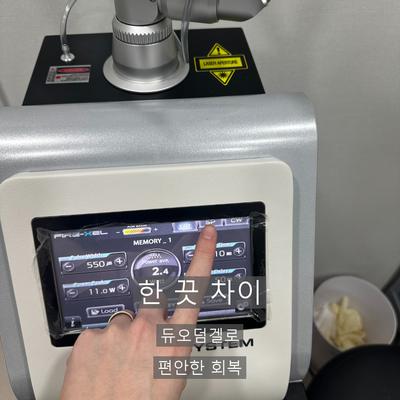
At Kkeut Oriental Clinic, we recommend Duoderm Gel for aftercare instead of regular stickers, allowing even those with sticker allergies to recover without the hassle of peeling and re-applying.

The Sincerity of Kkeut Oriental Clinic
Kkeut Oriental Clinic safeguards both aesthetics and health through a safety protocol that first identifies suspected malignant moles.
Kkeut Oriental Clinic provides clean results while reducing downtime through a protocol that combines Er:YAG and CO2 lasers.
Kkeut Oriental Clinic pursues comfort during the recovery process and scar prevention through Duoderm Gel aftercare.
A subtle difference, distinct results. Experience it at Kkeut Oriental Clinic.
Related notes
Procedure notes worth reading next.


Loading menu…