

Hair removal, why isn't once enough? What is the necessary number of sessions? Beomgye, Pyeongchon, Beomgye Station, Pyeongchon Station, Hogye-dong, Bisan-dong, Gwanyang-dong, Dongan-gu, Indeogwon, Geumjeong, Anyang
This is Gyeonggi Anyang Beomgye KKEUT Korean Clinic's procedure note on Hair removal, why isn't once enough? What is the necessary number of sessions.
After receiving hair removal treatment, some people are disappointed when they expect all hair to disappear at once, but the results differ from their expectations.

Laser hair removal works by concentrating laser energy on the melanin pigment in the hair follicles, thereby damaging the hair roots.
At this time, only hair follicles in the growth phase react to the laser and show effectiveness.
The hair on our bodies grows by periodically going through three stages: growth, regression, and resting. Therefore, at the time of treatment, only a portion of the total hair follicles are in the growth phase.
This is the main reason why hair removal treatment is not completed in a single session.
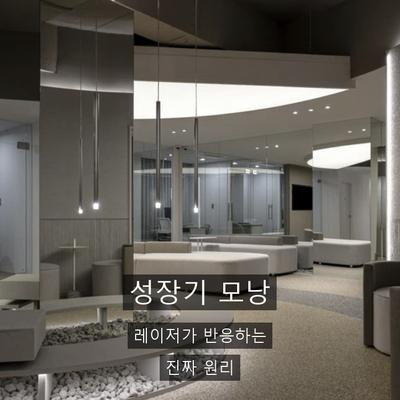
After the hair follicles that were in the growth phase during the first treatment are destroyed, other hair follicles that were in the resting phase will then enter the growth phase in sequence.
Time is needed to wait until the next session to treat the newly growing hair follicles. This process must be repeated to progressively manage all hair follicles.
If you stop treatment just because visible hair has reduced after a single session, it's common for hair to grow back from follicles that were not removed.
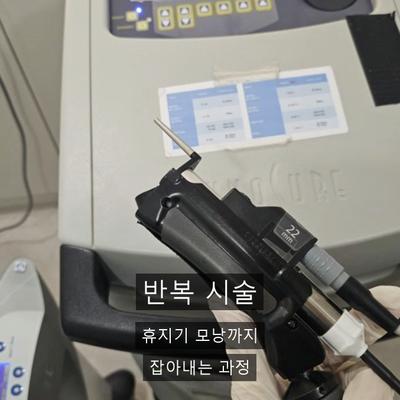
Generally, for hair removal treatment, a minimum of 10 cumulative sessions are recommended, regardless of the area.
For areas with thick and dense hair, such as a man's beard, over 20 sessions and consistent treatment for more than a year may be necessary to achieve satisfactory results.
Areas with a clear presence of melanin pigment over a large area, such as armpits or limbs, generally show a relatively good laser response. However, this does not mean that the recommended number of sessions can be reduced.
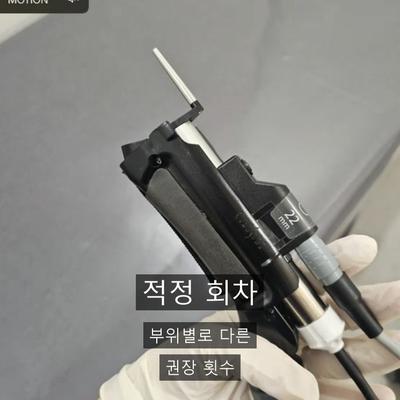
The recommended treatment cycle is a minimum of 3 weeks, and typically treatments are performed at 4-week intervals.
This interval is set by considering both the skin's exfoliation cycle and the time when new hair follicles enter the growth phase.
If the treatment interval is too short, hair follicles that are not yet in the growth phase will be repeatedly targeted, leading to decreased efficiency. Conversely, if it's too long, the management period may be extended.
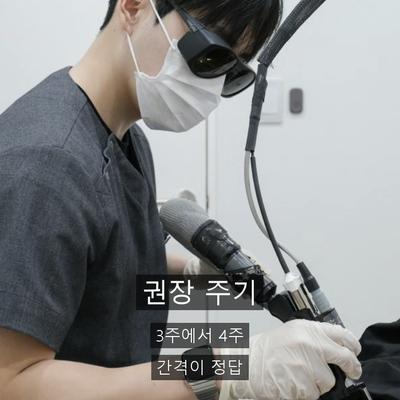
There can be several misunderstandings regarding pain during hair removal.
Anesthetic cream only serves to dull the sensation on the skin's surface and cannot anesthetize the hair roots. Therefore, even with anesthesia, the pain does not completely disappear.
The actual pain felt is similar to the sensation of having ice on the skin during treatment, and as the number of sessions increases and hair decreases, the perceived pain tends to decrease as well.
After treatment, it's best not to intentionally pluck hair. Shaving is recommended starting the day after treatment, rather than on the day of.
Due to the nature of the treatment, where thermal energy is directly delivered to the hair follicles, folliculitis may occasionally occur. In most cases, it naturally subsides after applying a regenerative cream and waiting a few days.
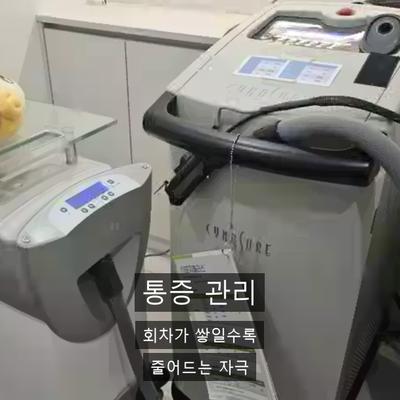
Kkeut Korean Medicine Clinic's hair removal follows these recommended numbers of sessions and cycles, while also differentiating itself in how energy is designed within a single treatment.
At Kkeut Korean Medicine Clinic, we delicately adjust the laser pulse duration to match the thickness of the hair.
Thick and dark hair has a high melanin content, so when treated with a short pulse, energy can be rapidly absorbed, increasing the risk of epidermal damage. Kkeut Korean Medicine Clinic protects the epidermis by using long pulses to deliver thermal energy gently.
Fine and light hair has less melanin, making it prone to reduced laser effectiveness. At Kkeut Korean Medicine Clinic, we plan treatments by precisely adjusting energy density or adding repeated passes to ensure sufficient heat delivery to the hair roots.
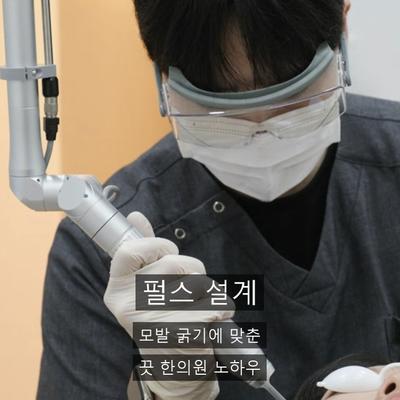
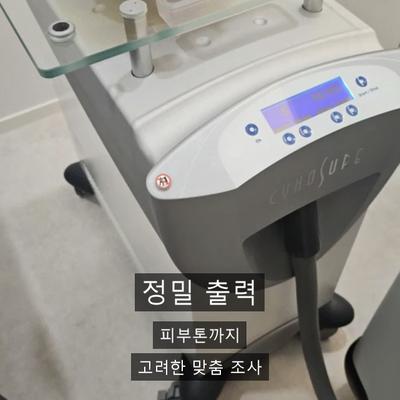
For areas with dense hair, energy is efficiently dispersed to prevent skin damage from excessive heat accumulation. Furthermore, for darker skin tones, power output is precisely adjusted to avoid discomfort due to excessive melanin reaction.
This detailed treatment design contributes to creating the differentiated results unique to Kkeut Korean Medicine Clinic.
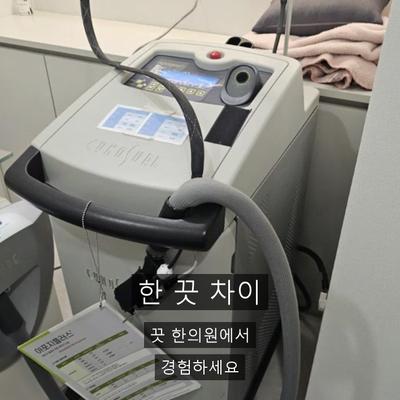
Our treatment equipment also includes high-performance devices such as Apogee and GentleMax, which help reduce pain and achieve satisfactory results.
At the end of the treatment, we carefully check for any areas that need additional trimming, and the session is concluded after the client's final confirmation.
Frequently Asked Questions
Q. Why isn't hair removal completed in one session?
A. Due to the characteristic that lasers only react to hair follicles in the growth phase, hair removal cannot eliminate all hair follicles in a single session. Kkeut Korean Medicine Clinic explains this principle in detail during consultations.
Q. What is the appropriate number of hair removal sessions?
A. While it varies depending on the treatment area, generally 10 or more sessions are recommended. For areas with thick hair like a beard, more than 20 sessions may be necessary. During your hair removal consultation, we will explain the estimated number of sessions for each area.
Q. What is the recommended interval for hair removal treatments?
A. Treatments are performed at a minimum of 3 weeks, with a recommended interval of 4 weeks. If the hair removal interval is too short, it can lead to inefficient results.
Q. How is pain managed after hair removal treatment?
A. Anesthetic cream helps reduce sensation on the skin's surface. Hair removal treatments tend to show a decrease in pain as the number of sessions progresses. Kkeut Korean Medicine Clinic utilizes equipment with cooling functions to help reduce pain.
Q. Can permanent hair removal be achieved with hair removal treatment?
A. Permanent hair removal in the absolute sense is difficult to achieve. However, a semi-permanent effect can be expected through a sufficient number of hair removal sessions.
Kkeut Korean Medicine Clinic's Philosophy
At Kkeut Korean Medicine Clinic, we delicately adjust the pulse duration and energy density to match each individual's hair thickness and melanin concentration. This customized treatment design contributes to achieving more satisfactory results.
At Kkeut Clinic, we delicately adjust treatment energy, considering each individual's hair density and skin characteristics. We strive to ensure the procedure is conducted in a more comfortable and stable manner.
Upon completing the treatment, we double-check for any areas that may not have been meticulously addressed. We enhance safety by thoroughly listening to and confirming the patient's feedback, helping each individual achieve suitable results.
Delicacy considering individual characteristics is important. Our medical team approaches treatments with this level of dedication.
Related notes
Procedure notes worth reading next.


Loading menu…