

Dealing with Swelling After Laser Hair Removal: Practical Advice. Beomgye, Pyeongchon, Beomgye Station, Pyeongchon Station, Hogye-dong, Bisan-dong, Gwanyang-dong, Dongan-gu, Indeogwon, Geumjeong, Anyang
4/10/2026
This is a procedure note for Dealing with Swelling After Laser Hair Removal: Practical Advice. at Gyeonggi Anyang Beomgye KKEUT Korean Clinic.
Following laser hair removal, it is understandable to feel worried if you observe the treated area appears slightly elevated, red, or swollen. It can be perplexing to determine if this is a typical response, an issue that needs attention, or how long one should simply monitor the condition.
For areas that are prominently visible, such as the face, even minor swelling can feel considerable. This often leads to heightened anxiety, particularly after viewing various images online. Nevertheless, not every such reaction carries the same implication, so a calm assessment to differentiate them is important.
Today, we aim to clarify how to interpret swelling after laser hair removal, distinguishing between situations that can be observed and those that necessitate professional evaluation.
Laser hair removal operates by delivering thermal energy to the hair follicles, which means temporary redness or a somewhat swollen appearance may occur immediately post-procedure.
The nature of this reaction can vary, influenced by factors such as individual skin type, the treated area, hair thickness, and personal sensitivity. Therefore, its presentation is not uniform across all individuals.
Consequently, the key is not merely the presence of swelling, but rather its specific characteristics and the duration of its persistence.
When concerns arise regarding swelling after laser hair removal, it is advisable to assess changes in warmth, discomfort, redness, and sensitivity to touch, beyond just the subjective sensation of swelling.
A temporary prominence of pores or mild redness around the follicles may be a relatively common occurrence. However, if discomfort intensifies or if more significant surface changes develop, it is prudent to have the condition evaluated without delay.
Furthermore, engaging in activities such as hot showers, saunas, vigorous exercise, or applying strong friction immediately after the procedure could lead to swelling persisting longer or feeling more troublesome.
A practical approach to managing swelling after hair removal with reduced anxiety involves temporarily minimizing heat exposure and friction.
Immediately applying overly strong stimuli, such as ice, or indiscriminately using numerous products, may also induce discomfort depending on your skin's condition, hence caution is recommended.
Factors such as your usual skin sensitivity, recent irritation from shaving or waxing, and the specific area treated also play a role in interpreting the reaction. Consequently, diligently attending to explanations provided both before and after the procedure holds more significance than commonly perceived.
Ultimately, swelling after laser hair removal should not be automatically categorized as an abnormal reaction. Rather, it is a response that requires calm interpretation based on its distinct characteristics and ongoing progression.
Summary of Papers, Academic Resources, and Evidence
1. Medical literature on laser hair removal indicates that temporary erythema or perifollicular edema may manifest immediately after the procedure, and these responses typically tend to resolve over time.
2. Reviews concerning skin treatment recovery often suggest that prudent lifestyle management, including minimizing heat exposure and friction, can contribute to alleviating initial discomfort.
3. In clinical settings, the perception of swelling can vary considerably even with identical hair removal treatments, influenced by the specific area and individual skin sensitivity. The presence of an atypical reaction is ascertained by concurrently evaluating its persistence and any associated surface alterations.
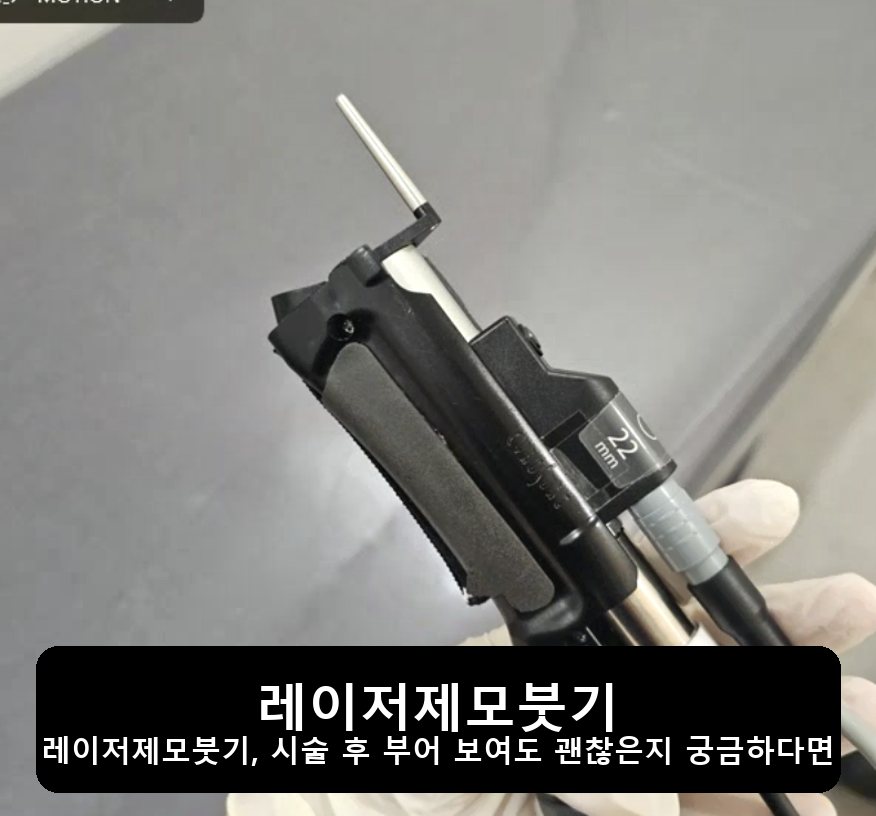
Kkeut Korean Medicine Clinic's Differentiating Factors
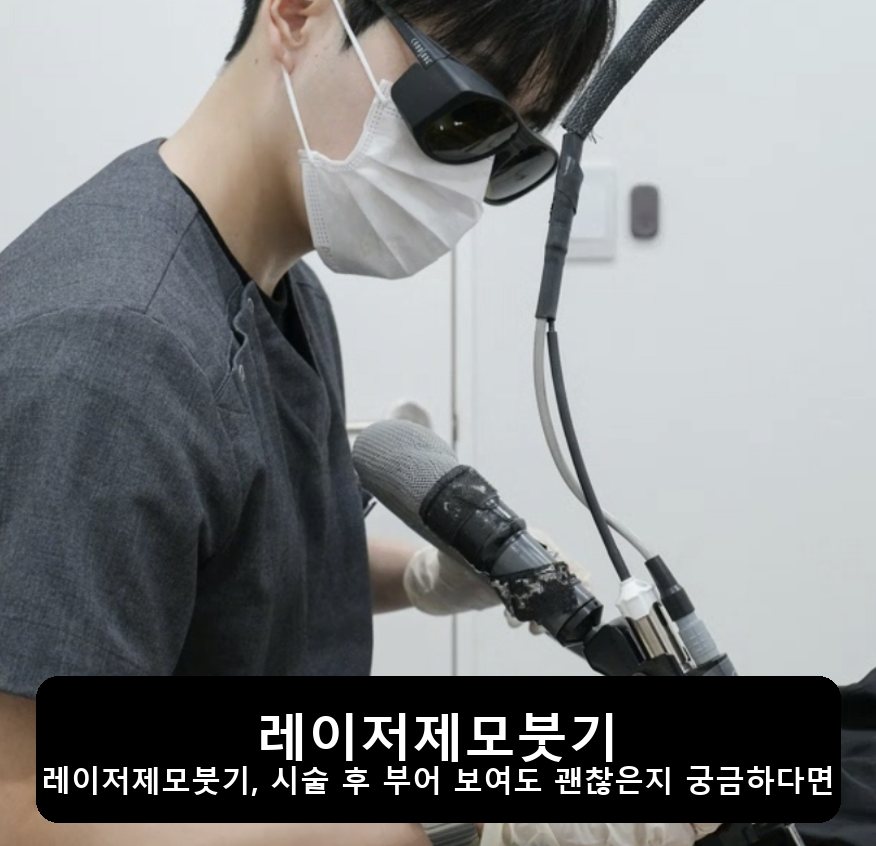
At Kkeut Korean Medicine Clinic, laser hair removal procedures consistently commence following a thorough consultation with the director, and medical staff consultations are an integral part of our process.
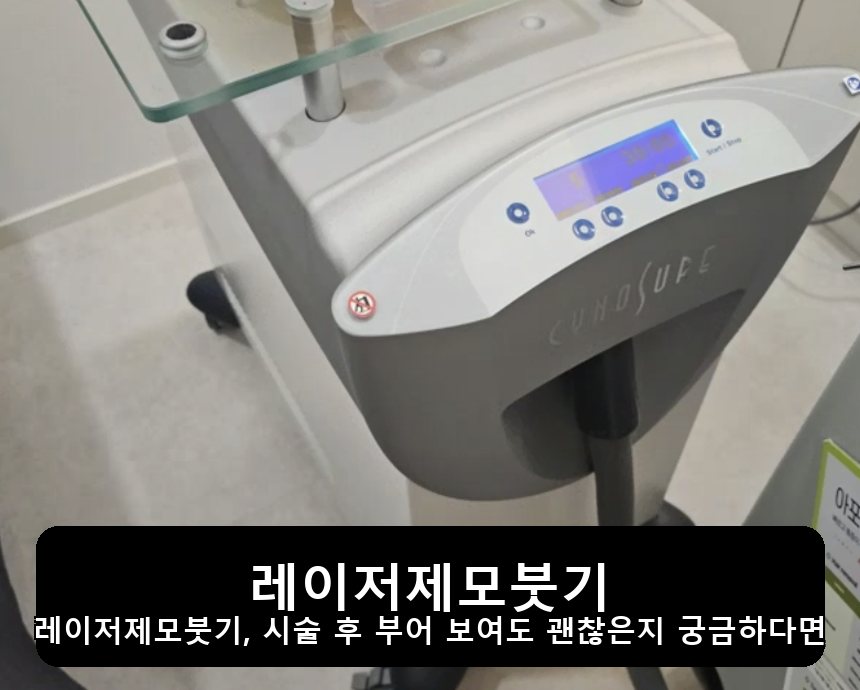
We uphold a procedural philosophy that utilizes carefully selected laser devices for precise management and follows systematic protocols aimed at achieving desired hair removal outcomes for each individual.
While striving for efficient patient flow to minimize waiting periods, we simultaneously ensure comprehensive explanations are provided regarding the criteria for assessing any signs of post-procedure discomfort, so no concerns are inadvertently overlooked.
We hold the conviction that it is more prudent to clearly differentiate and elucidate between expected normal reactions and indicators necessitating further assessment, rather than merely advising patients to endure discomfort.
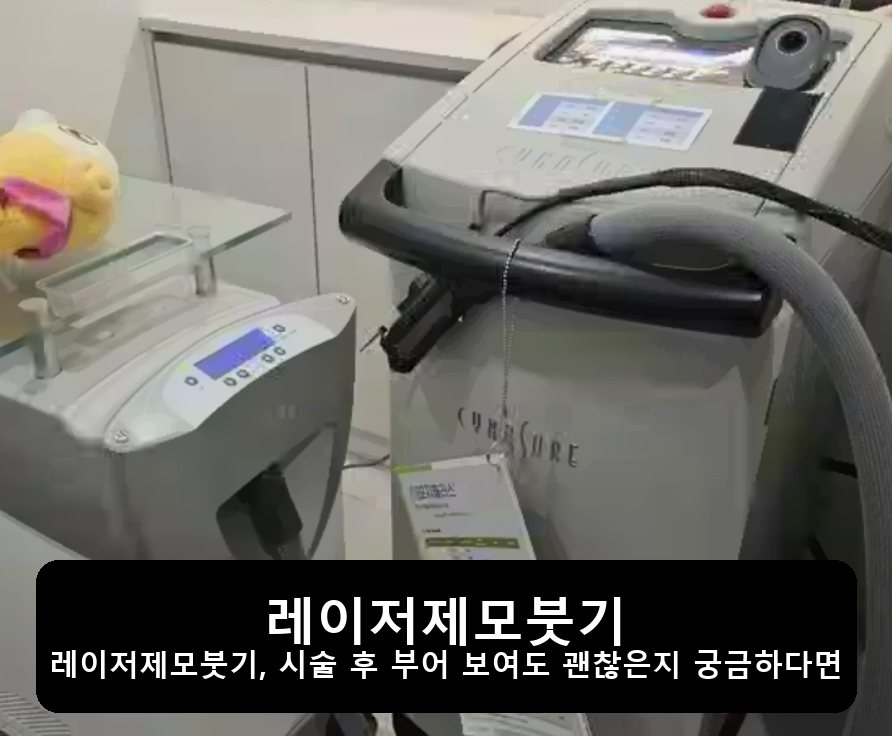
In conclusion, swelling after laser hair removal is a frequently encountered concern post-treatment, yet not every manifestation holds identical significance.
A practical approach involves minimizing heat and friction while observing the progression, and promptly seeking professional assessment if discomfort intensifies or if the characteristics appear atypical.
True effective aftercare lies not in unnecessarily tolerating discomfort, but in understanding what constitutes a normal range and observing the condition with that knowledge.
Q&A Summary
Q. Is it common to experience mild swelling after laser hair removal?
Temporary redness or a somewhat swollen look around the hair follicles might be observed after the procedure.
Under what circumstances should one consider seeking a prompt medical check-up?
If the pain escalates, there are noticeable alterations on the skin surface, or the discomfort continues, it is recommended to promptly consult with a medical professional.
What precautions should be taken to help minimize swelling?
To help manage swelling, it is advisable to minimize activities that generate heat and irritation. This includes hot showers, visiting saunas, engaging in strenuous exercise, or applying strong friction to the area.
Related notes
Procedure notes worth reading next.


Loading menu…