

Nevus Removal Recovery: Why Even One Drink of Alcohol Can Be Detrimental Beomgye, Pyeongchon, Beomgye Station, Pyeongchon Station, Hogye-dong, Bisan-dong, Gwanyang-dong, Dongan-gu, Indeogwon, Geumjeong, Anyang
4/10/2026
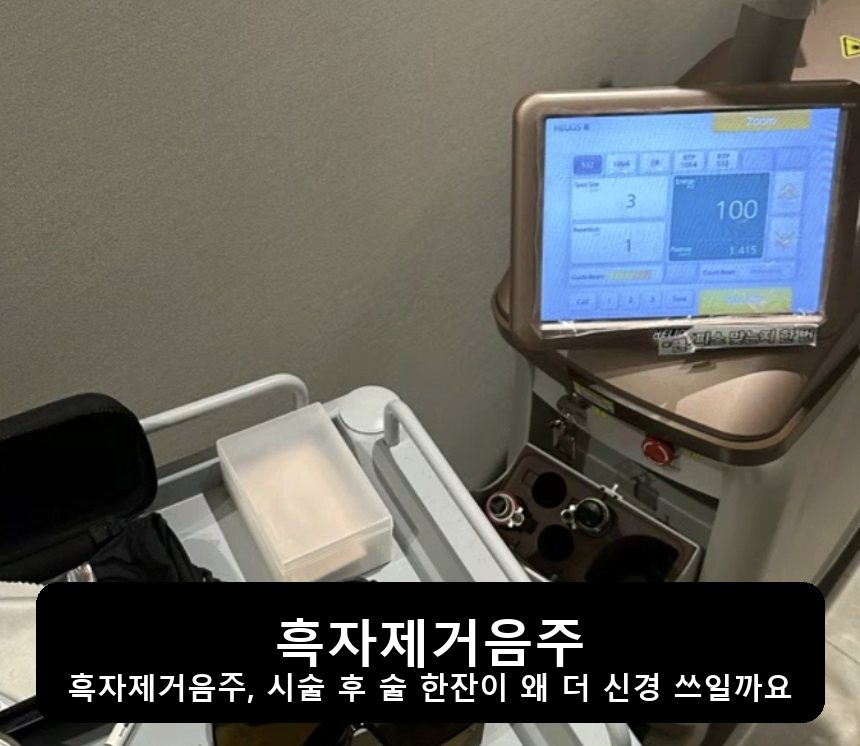
This is a procedure note for Nevus Removal Recovery: Why Even One Drink of Alcohol Can Be Detrimental at Gyeonggi Anyang Beomgye KKEUT Korean Clinic.
After having seborrheic keratosis removed, many people wonder about drinking alcohol. While it may seem like a small procedure, casually assuming that social plans are fine could potentially complicate the healing process.
Should alcohol be consumed when scabs, redness, or a feeling of warmth are present, the treated area on the face could experience increased heat or prolonged irritation. This can sometimes lead to concerns about the healing progress.
Instead of simply cautioning against alcohol, this discussion aims to clarify the specific reasons why exercising care with drinking is recommended after seborrheic keratosis removal.

Right after seborrheic keratosis removal, the skin begins a healing period, making it particularly vulnerable and more delicate than its normal state.
At this time, even subtle influences such as rubbing, sun exposure, or heat can extend the duration of redness and any associated discomfort.
Alcohol intake falls into this category of potential irritants, making it advisable to approach it with caution during the early stages of skin recovery.
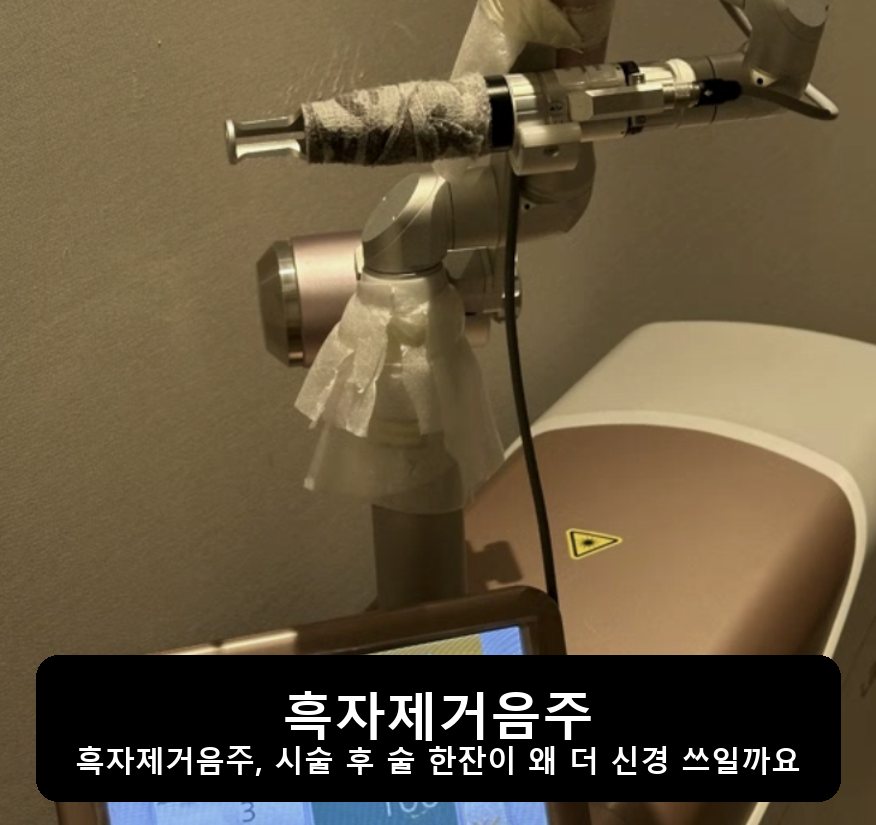
The reason alcohol consumption after seborrheic keratosis removal is often a point of concern stems from understanding not only the alcohol itself, but also how it interacts with the body and skin.
Consuming alcohol can lead to facial flushing or an increase in blood vessel activity. This may intensify existing redness and a sensation of heat, making the treated skin, which is already delicate, feel even more pronounced.
Social drinking often comes with additional elements that are not conducive to healing, such as eating spicy foods, staying up late, insufficient sleep, or sun exposure. Therefore, the impact is often beyond that of just the alcohol itself.
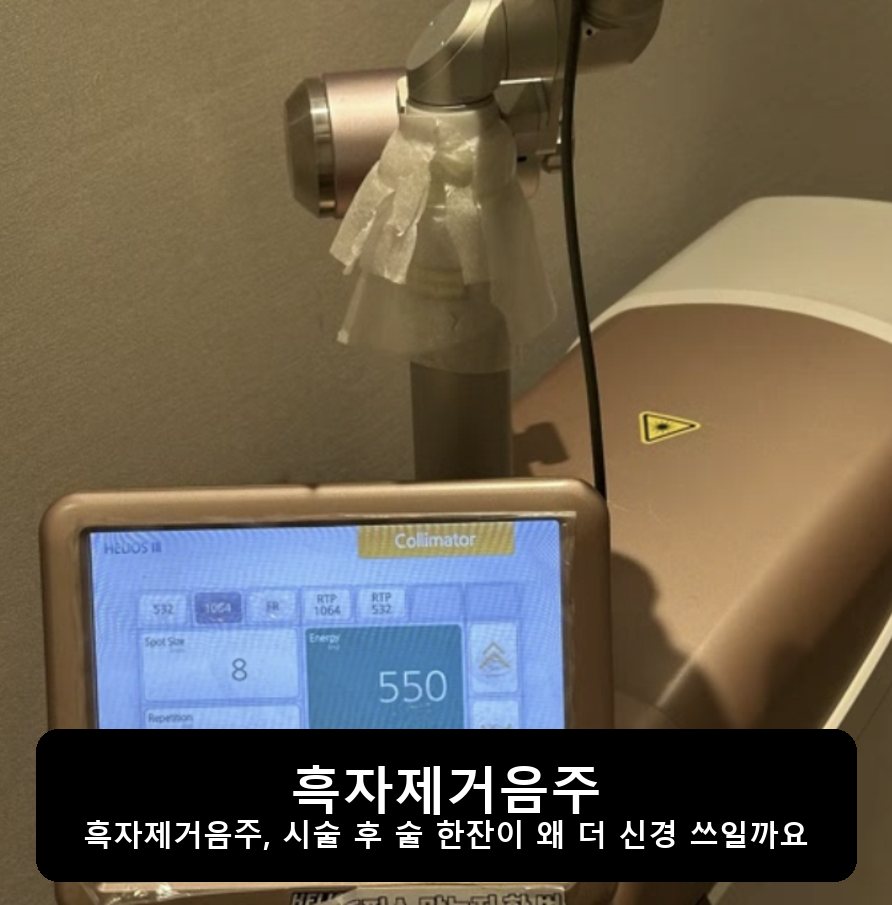
Caution regarding alcohol post-procedure largely stems from the need to prevent simultaneous exposure to various irritants that might impede the healing process.
Once scabs appear, there's a higher chance of unintentionally disturbing them, perhaps by touching them with hands or using vigorous cleansing methods. This could further interfere with proper recovery.
Given this, if you anticipate an important social engagement, it would be more prudent to schedule your seborrheic keratosis removal in advance. If the procedure has already been done, it is best to defer social alcohol consumption as long as possible during the critical initial healing phase.
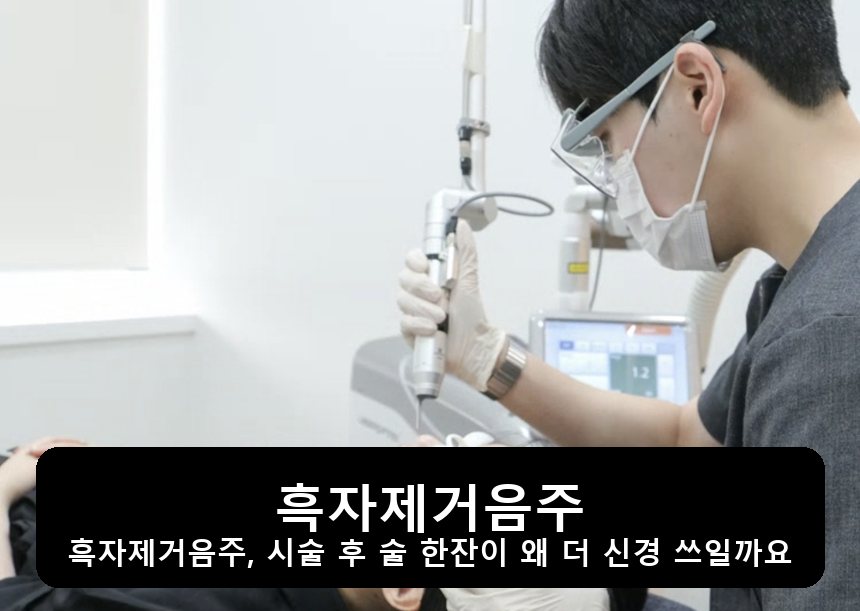
In conclusion, the primary reason alcohol consumption after seborrheic keratosis removal warrants careful consideration is not merely about having one drink. It's because your skin is still in a delicate, healing phase and has not fully returned to its typical condition.
Summary of Papers, Academic Resources, and Evidence
1. Guidelines for post-procedure care of pigmented lesions indicate that skin may be transiently sensitive right after treatment. Therefore, minimizing elements that might heighten heat and inflammatory reactions is advised.
2. Analyses of skin healing patterns suggest that factors like drinking alcohol, insufficient rest, and certain lifestyle choices can influence how quickly recovery is felt and how long redness might last.
3. From a clinical perspective, it is often observed that patients report increased discomfort if alcohol intake, exposure to outdoor elements, or consumption of stimulating foods occur concurrently during the initial healing phase following a procedure.
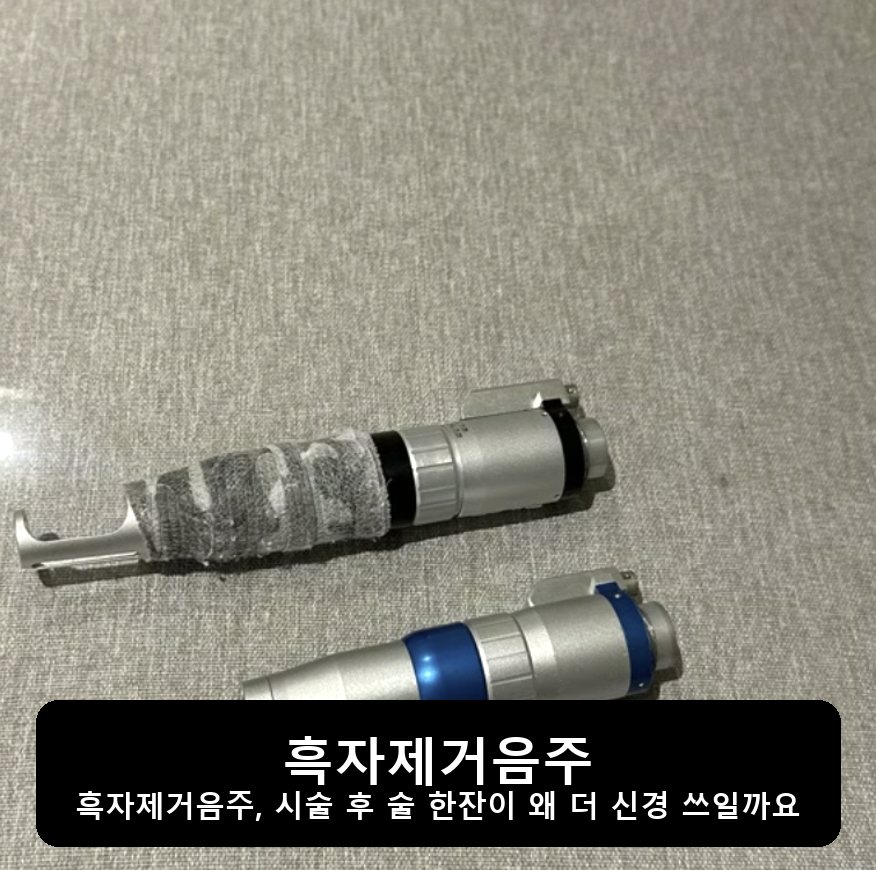
Kkeut Korean Medicine Clinic's Differentiators
At Kkeut Korean Medicine Clinic, all treatments for seborrheic keratosis and other skin imperfections proceed only after a thorough discussion with the director, ensuring medical staff consultation is always a prerequisite.
Our approach offers similar laser capabilities to Re-Pot Laser, yet at a more accessible cost. We also make efforts to thoroughly guide patients on the lifestyle adjustments necessary right after their treatment.
We aim to reduce waiting times while prioritizing comprehensive post-procedure instructions, ensuring no crucial details that could impact healing are overlooked.
Our conviction is that providing a clear explanation for your skin's current sensitivity promotes better understanding, which is preferable to merely stating that all is well.
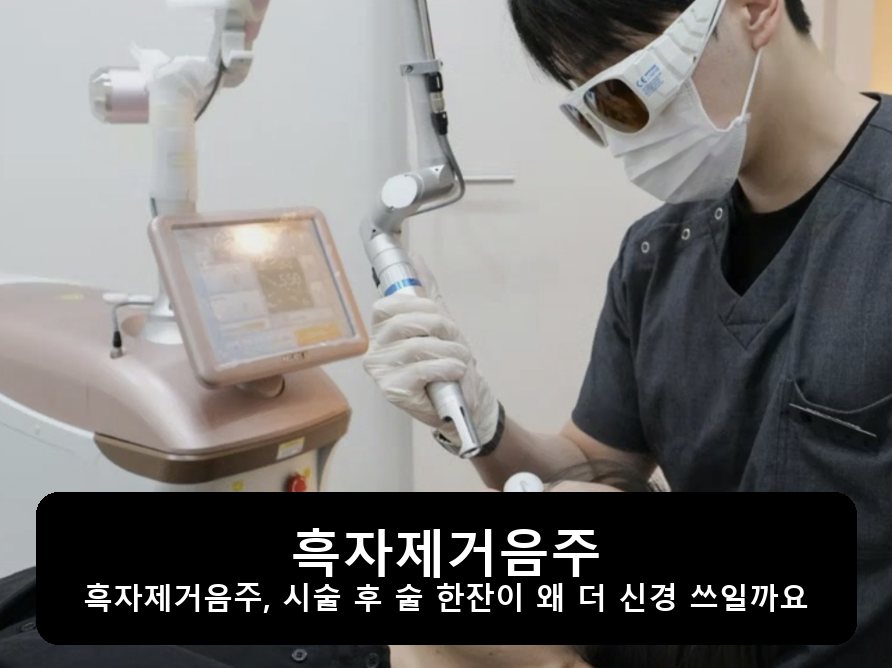
In essence, the recommendation to moderate alcohol consumption after seborrheic keratosis removal is not a rigid ban. Instead, it serves as guidance to avoid introducing avoidable irritants to skin that is actively healing.
By focusing on proper recovery for just a short period immediately following the procedure, there is a greater potential for reduced redness and discomfort.
Achieving favorable outcomes may be more significantly influenced by your post-procedure lifestyle choices than by the treatment day itself.
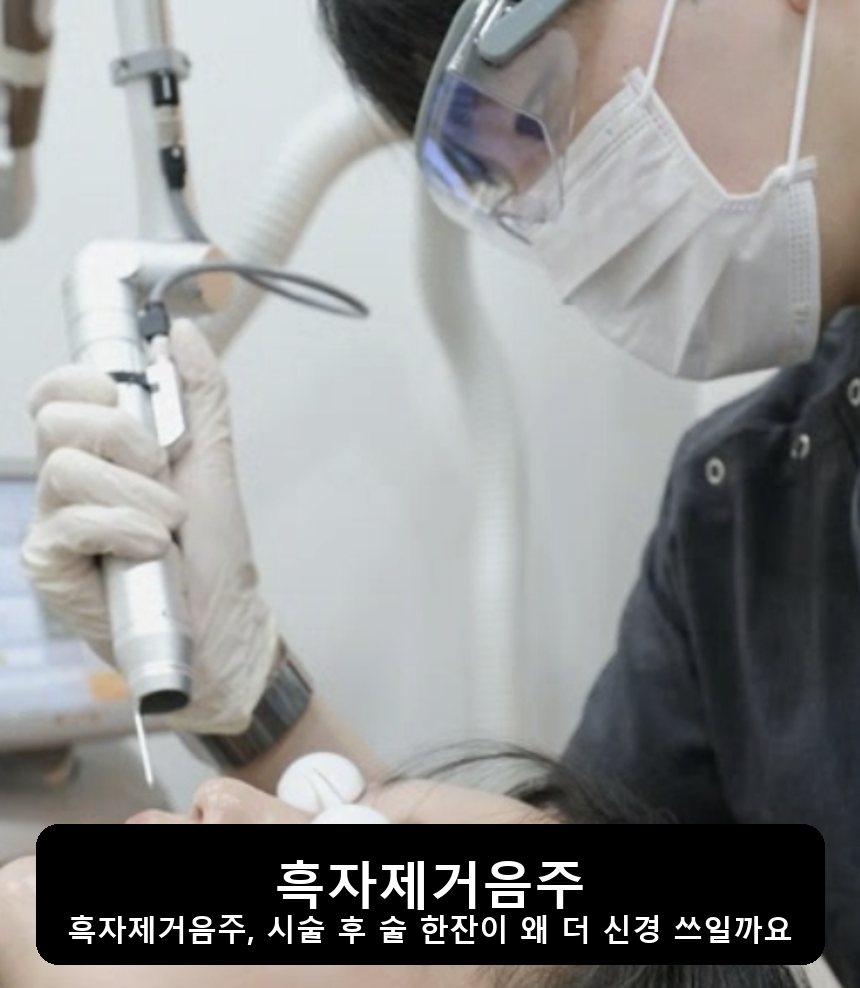
Q&A Summary
Q. Is alcohol strictly prohibited after seborrheic keratosis removal?
During the initial recovery phase after a procedure, it is generally advised to refrain from alcohol or postpone its consumption. This is because the skin is often in a sensitive state, which can make various reactions more noticeable.
Is it acceptable to consume only one or two alcoholic drinks?
While individual responses can differ, alcohol consumption frequently goes hand-in-hand with staying up late, eating stimulating foods, and experiencing insufficient sleep. These factors collectively can have a negative impact on the healing process.
Are there other precautions to consider beyond alcohol intake?
It is also advisable to be cautious with exposure to UV radiation, friction on the treated area, picking at scabs, and intense heat stimulation.
Related notes
Procedure notes worth reading next.


Loading menu…