

What to Do After Pigmentation Removal: Precautions During Scab Healing Beomgye, Pyeongchon, Beomgye Station, Pyeongchon Station, Hogye-dong, Bisan-dong, Gwanyang-dong, Dongan-gu, Indeogwon, Geumjeong, Anyang
4/3/2026
This is a procedure note for What to Do After Pigmentation Removal: Precautions During Scab Healing at Gyeonggi Anyang Beomgye KKEUT Korean Clinic.
Post-removal care for freckles/lentigines is even more important. Although the procedure itself is brief, how you spend the subsequent few days can significantly affect the appearance of residual marks.
In particular, if you touch scabs because they bother you, or become complacent thinking that applying only a regeneration cream will solve everything, your recovery might actually be delayed.
Therefore, it is much more important to clearly understand what actions are helpful and what should be avoided from immediately after the procedure until the scabs fall off.
To begin with a broad overview, it's easier to understand if you think of your skin after pigment lesion removal as being in a temporarily thin and sensitive protective state.
During this period, friction, UV radiation, excessive cleansing, and irritating cosmetics can disrupt the healing process, making daily habit management crucial.
In other words, how stably you protected your skin during the initial few days has a greater impact on satisfaction than the procedure itself.
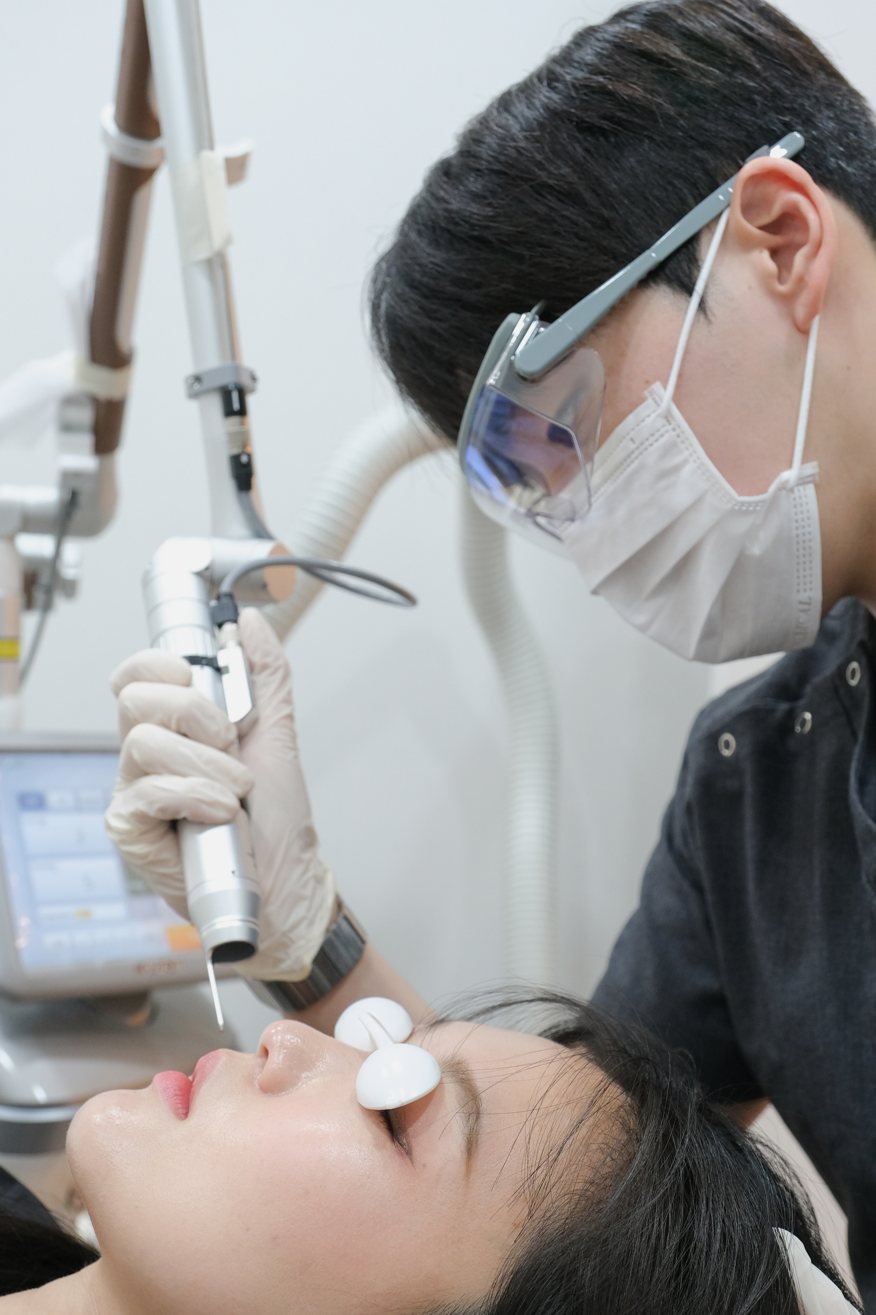
Post-lentigo removal care: The most important point is not "to remove them quickly" but "to create an environment for them to fall off naturally".
Not forcing off scabs, and consistently maintaining UV protection and moisturization are fundamental to reducing the risk of hyperpigmentation.
Cleansing should be gentle rather than scrubbing, makeup should be applied carefully according to the lesion's condition, and habits that significantly raise heat and blood flow, such as exercise, saunas, and drinking, require caution in the initial stages.
The most common mistake in post-lentigo removal care is the impatience of thinking, “It looks fine on the surface, so it must be all healed now.”
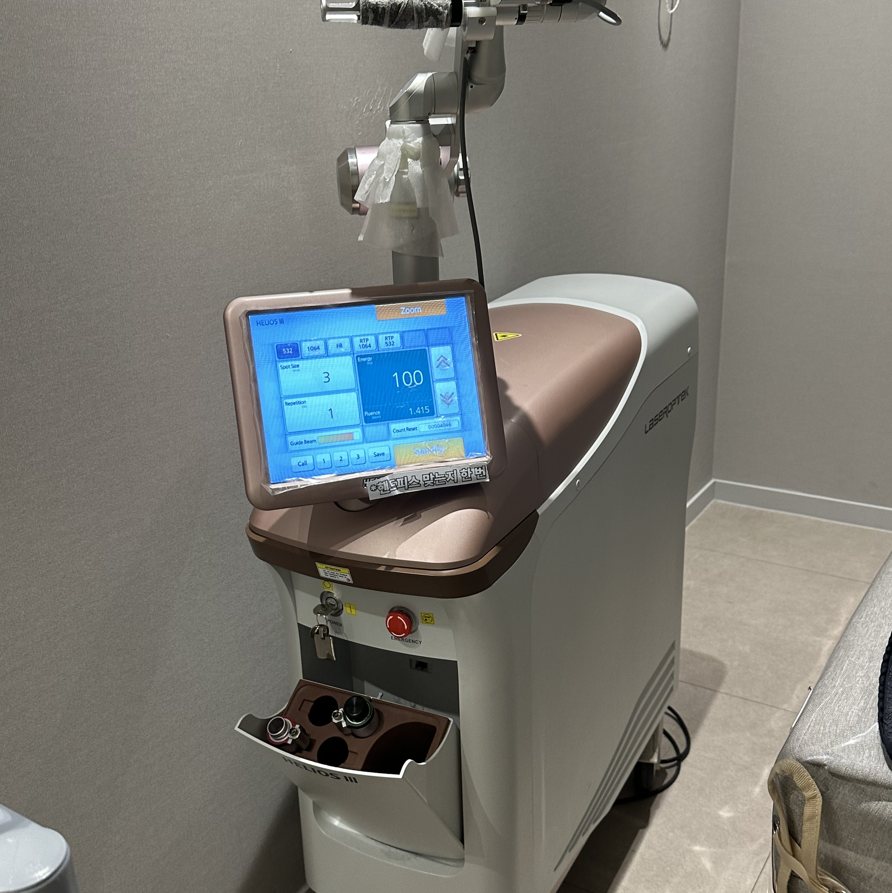
Summary of Papers, Academic Resources, and Evidence
1. Post-pigment lesion removal care guides explain that reducing UV exposure and friction during the initial wound healing process is a fundamental principle for lowering the risk of post-inflammatory hyperpigmentation.
2. Literature related to skin regeneration states that excessive irritation during epidermal recovery can prolong redness or color changes.
3. In clinical settings, even with the same laser response, the perceived recovery and satisfaction can vary significantly depending on post-procedure care. Therefore, providing explanations of post-procedure lifestyle guidelines is considered very important.
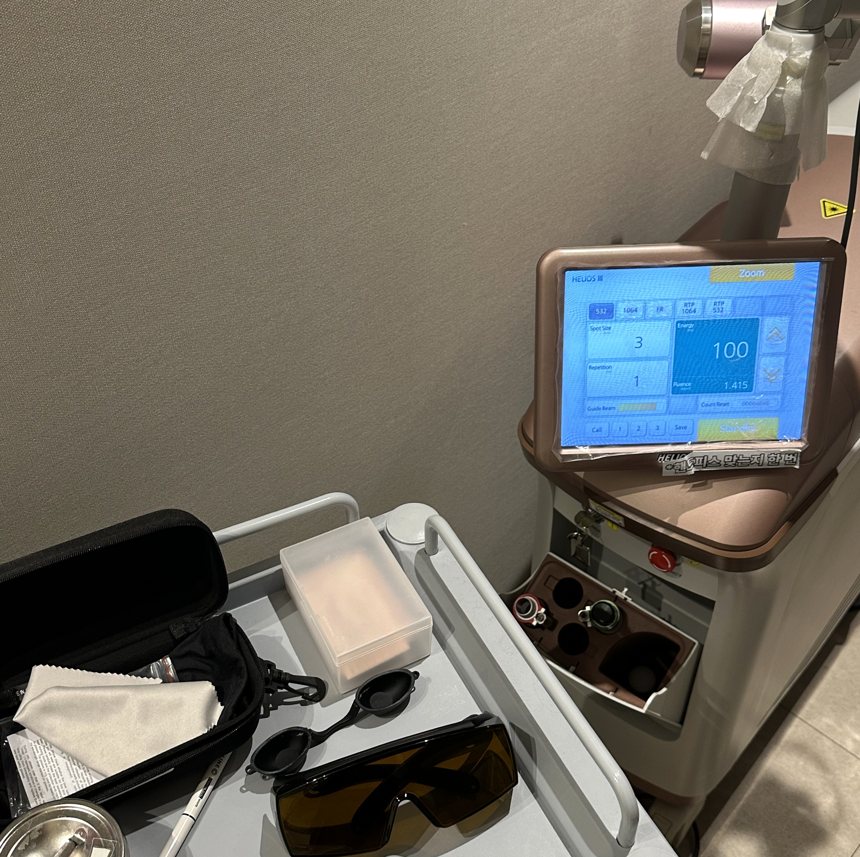
Key Points Emphasized by Kkeut Korean Medicine Clinic
At Kkeut Korean Medicine Clinic, lentigo and blemish removal procedures are always performed after a consultation with the director, and medical staff consultation is mandatory.
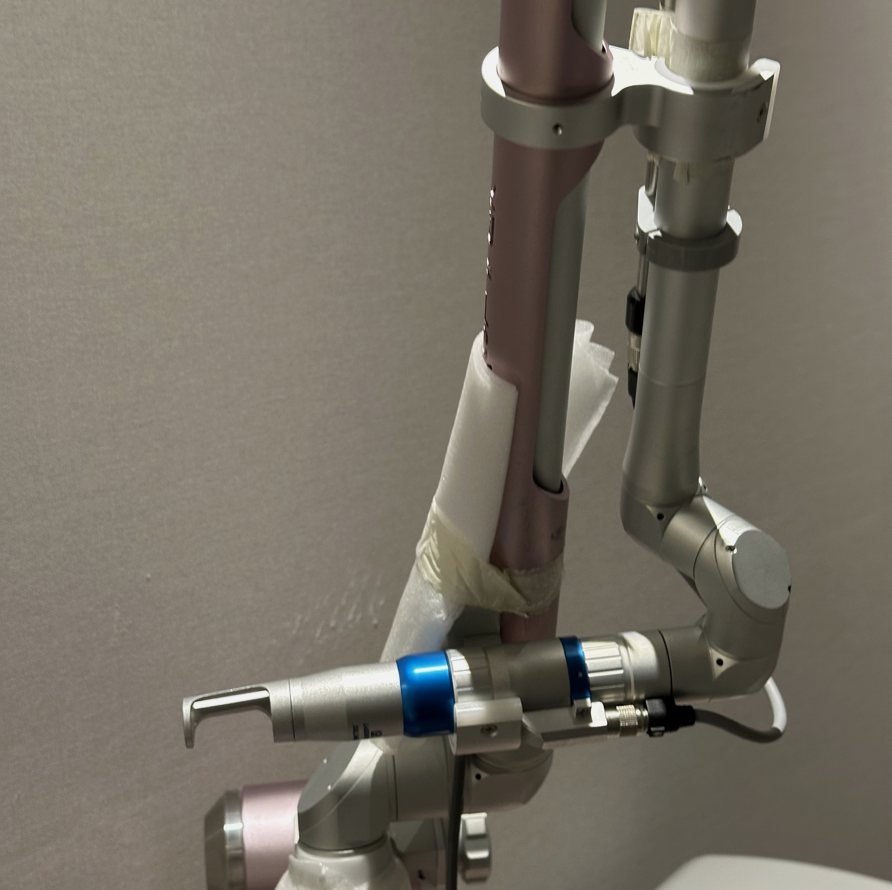
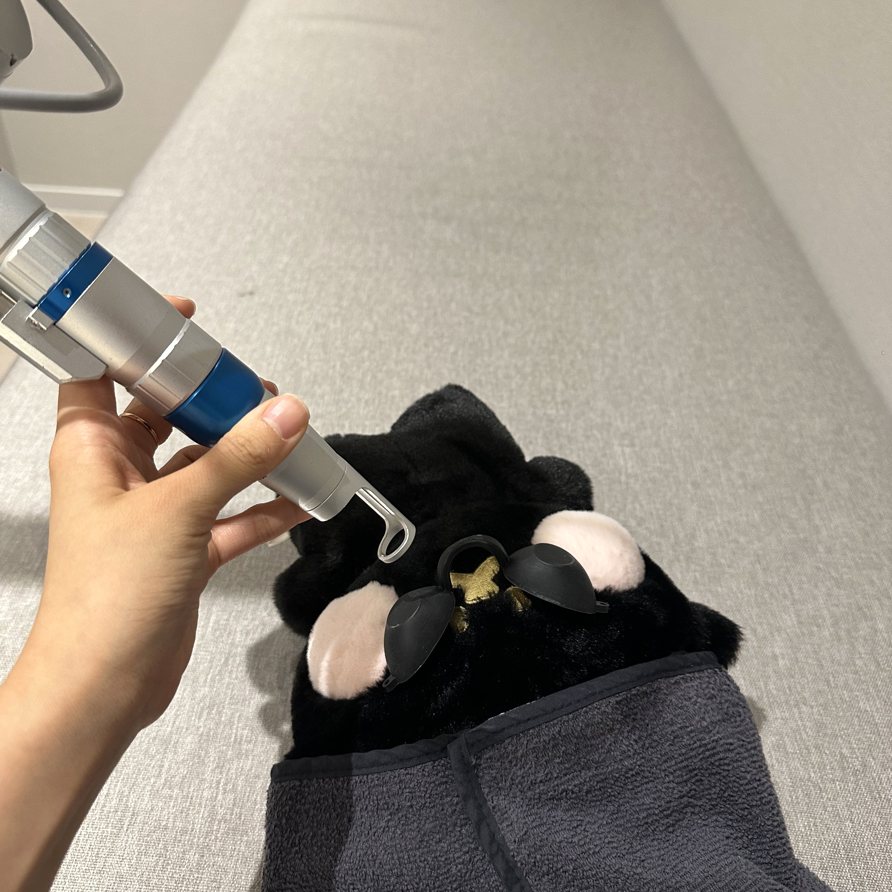
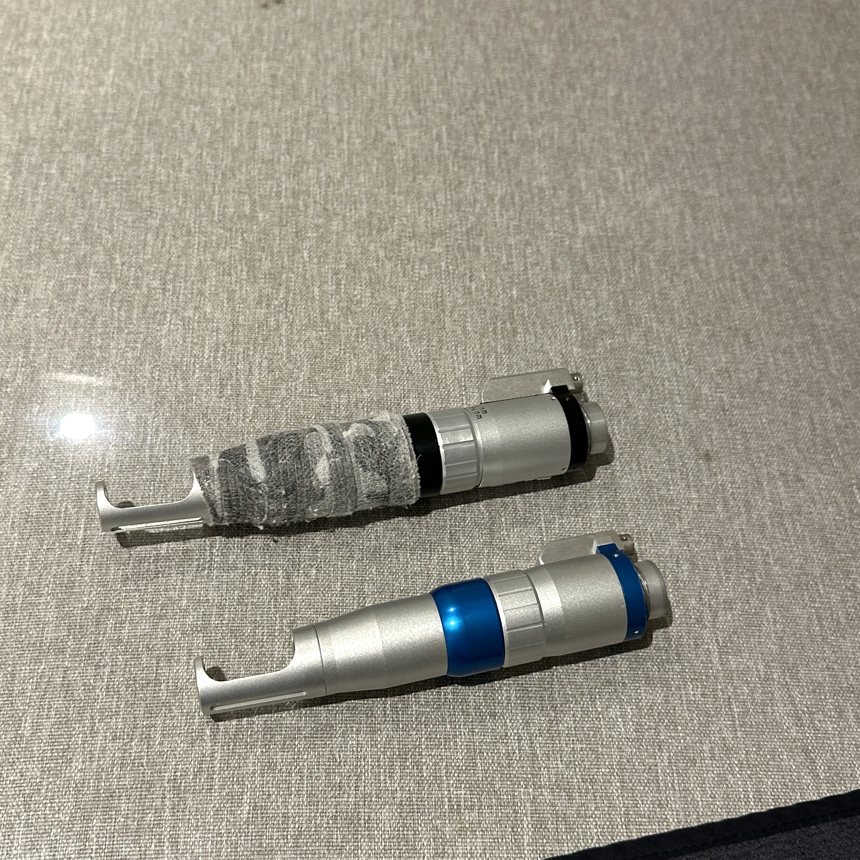
A distinctive feature is explaining that while operating to reduce waiting times, the clinic offers the same wavelength as the RePot laser but at a more reasonable price point.
We believe it's more important to assess the lesion's condition and provide guidance on necessary aftercare and what to be cautious of in daily life, rather than simply pursuing an aggressive burning approach.
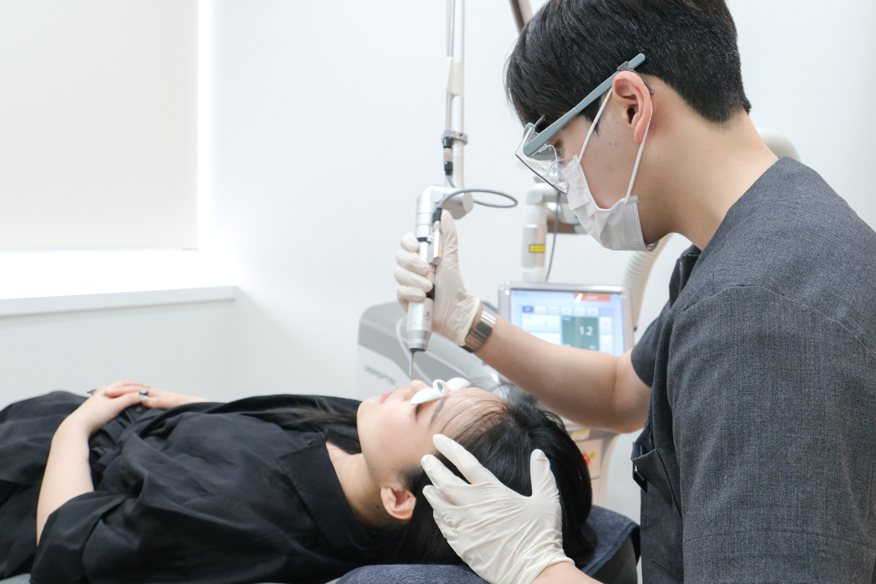
Ultimately, post-lentigo removal care is not a simple problem solved by a single regeneration cream, but a matter of lifestyle management that involves controlling scabs, cleansing, UV exposure, and friction.
It's more important to maintain the healing rhythm to prevent the color from reappearing, rather than being impatient to make it look clean immediately.
Make sure you receive detailed guidance on how to spend the first few days after the procedure.
Q&A Summary
Q. Until when should I avoid touching the scabs?
A. The principle is not to forcibly remove them until they fall off naturally.
Q. When can I cleanse my face and apply makeup?
A. This may vary depending on the lesion's condition and protection methods, so it's best to prioritize the guidelines provided on the day of your procedure.
Q. What is most important to reduce hyperpigmentation?
A. UV protection, minimizing friction, and avoiding excessive touching – these three are the most fundamental.


Related notes
Procedure notes worth reading next.


Loading menu…