

Waxing vs. Laser Hair Removal: How Many Treatments Until Hair is Gone? Beomgye, Pyeongchon, Beomgye Station, Pyeongchon Station, Hogye-dong, Bisan-dong, Gwanyang-dong, Dongan-gu, Indeogwon, Geumjeong, Anyang
12/8/2025
This is a procedure note for Waxing vs. Laser Hair Removal: How Many Treatments Until Hair is Gone? at Gyeonggi Anyang Beomgye KKEUT Korean Clinic.
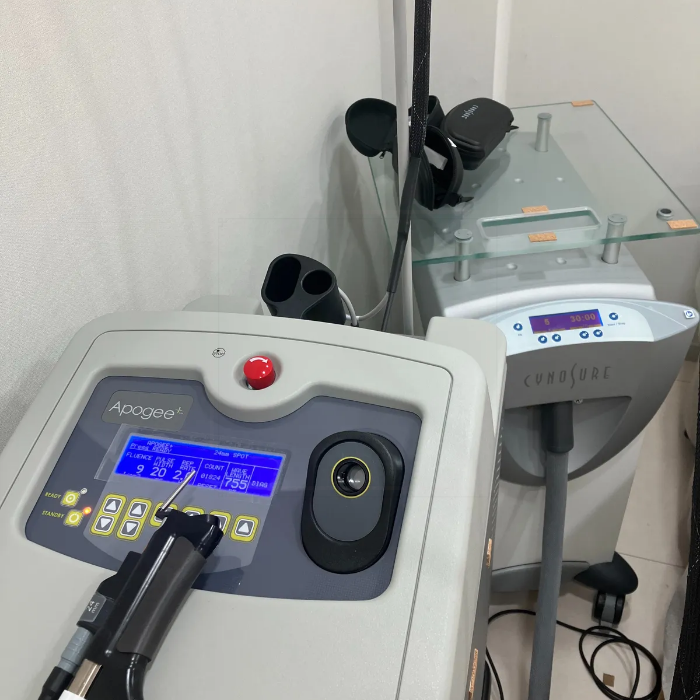
Laser hair removal versus waxing: which method aligns better with individual needs?
Also, what is the typical number of laser hair removal sessions required for a noticeable reduction in hair?
Many individuals considering hair removal frequently think of two primary methods:
laser hair removal and waxing.
Both treatments aim for smoother skin, but
they employ fundamentally different approaches.
Let us explore the distinctions between laser hair removal and waxing, including the general number of sessions often needed for each.
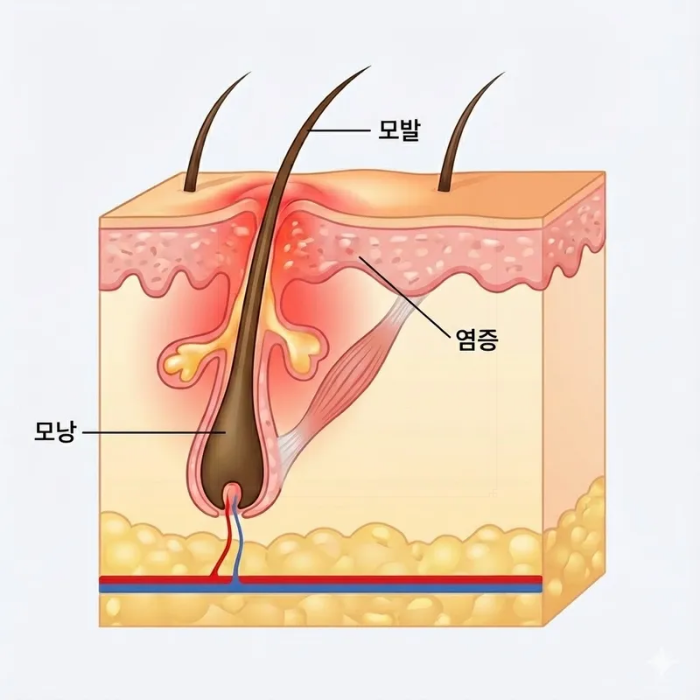
1. Waxing: Managing Visible Hair
Waxing works by physically pulling hair out from its root.
This provides immediate skin smoothness right after the procedure,
making it convenient for temporary hair management, such as for specific events.
However,
because the hair-producing cells remain unaffected,
hair typically regrows within 2 to 4 weeks.
Furthermore, with repeated waxing sessions,
the skin surface may become continually irritated,
ingrown hairs could develop,
or concerns like hyperpigmentation might arise.
Essentially, waxing is a method for clearing visible hair temporarily, primarily on the day of treatment.
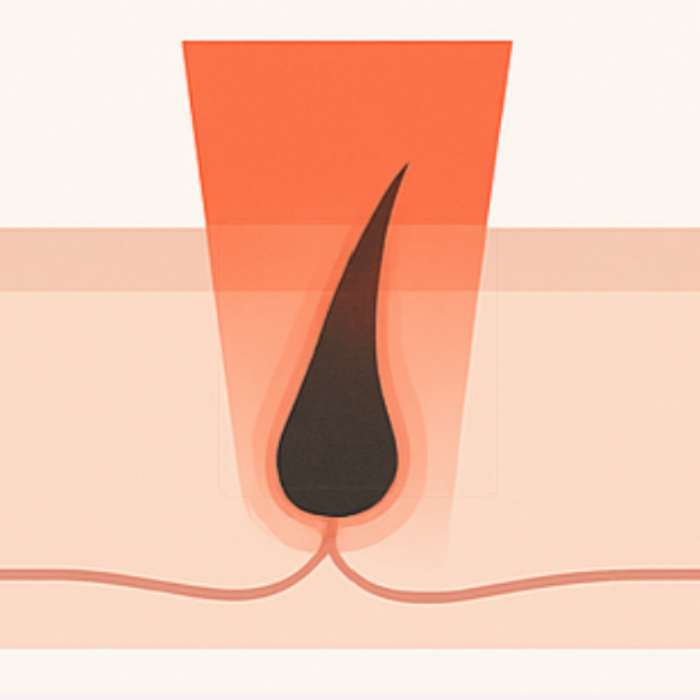
2. Laser Hair Removal: Progressive Reduction of Future Hair Growth
Laser light specifically targets the pigment within the hair, converting this light energy into heat.
This heat impacts the growth structures of the hair follicle,
which can gradually diminish its activity.
Therefore,
this is not a one-time treatment.
After a series of sessions,
hair may become finer,
its density can decrease,
the growth cycle typically slows down,
and many find that the need for regular shaving or waxing is significantly reduced long-term.
While waxing offers immediate but temporary hair removal,
laser hair removal is a treatment designed to progressively lessen the speed and quantity of future hair growth.
3. Different Skin Sensations
As waxing involves quickly ripping multiple hairs from the skin simultaneously,
a strong, brief pulling sensation is often felt.
The level of discomfort experienced can also vary considerably depending on the body area treated.
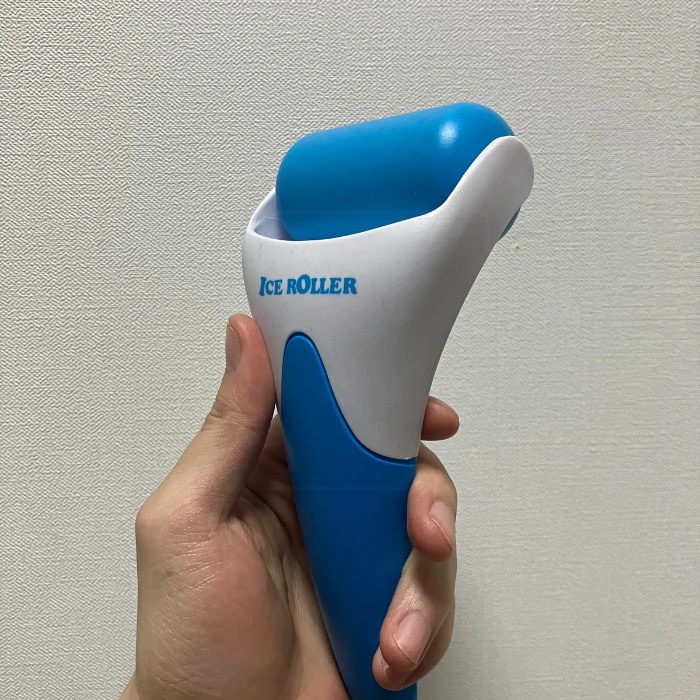
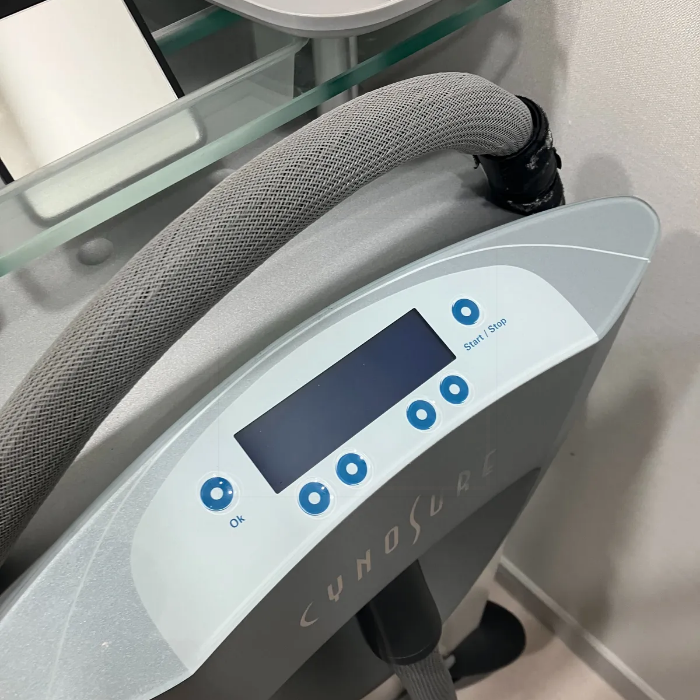
In contrast, during laser treatments, a momentary sensation of warmth or a light snap is typically reported,
When cooling features are applied simultaneously,
the procedure can be received with significantly greater comfort than previous methods.
For individuals with sensitive skin,
laser treatments are generally reported to be less bothersome.
4. Waxing: The Need for Continuous Appointments
In contrast, laser hair removal treatments eventually lead to a decrease in the number of required sessions.
Since hair invariably regrows after waxing,
appointments must be scheduled and repeated on a regular basis.
However, with laser hair removal,
as treatments continue, the rate of hair growth typically slows down,
allowing for extended intervals between sessions,
and eventually, hair growth may become significantly reduced.
Over time,
waxing consistently demands ongoing appointments,
whereas laser hair removal results in fewer total appointments.
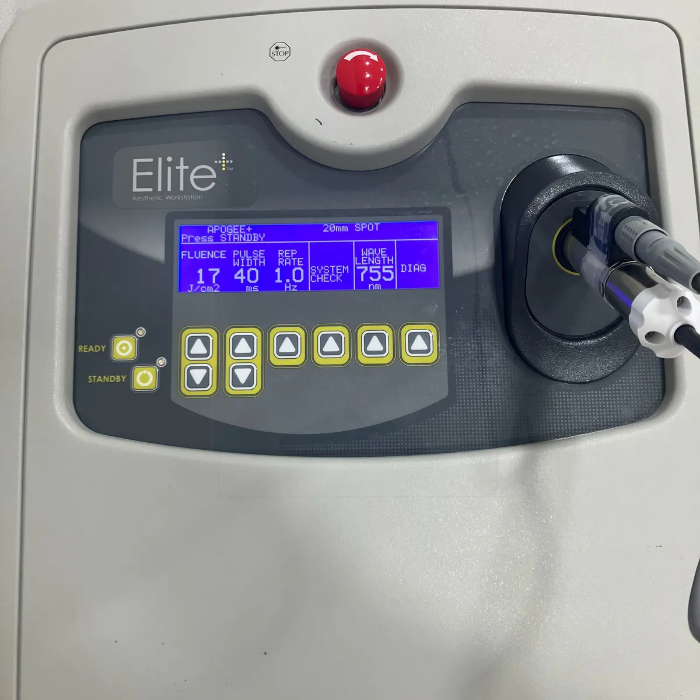
5. How Many Laser Hair Removal Sessions Are Typically Required?
Hair does not grow at a constant rate.
Instead, it progresses through three distinct, cyclical phases:
- Anagen (Growth Phase)
- Catagen (Regression Phase)
- Telogen (Resting Phase)
Laser treatment is most effective when targeting
hair in the anagen phase.
However, at any specific moment,
only approximately 20–30% of the hair follicles in a treated area
are actively in their growth phase.
Consequently,
it is generally recommended that treatment be conducted in multiple sessions
to ensure that hair across the entire area can be effectively targeted.
For the majority of body areas,
five or more sessions are often considered a standard course.
Regions characterized by dense hair growth,
for example, the face or beard area,
may frequently necessitate a more extended treatment course.

6. Which Hair Removal Option is Ultimately More Suitable?
If immediate smoothness is your primary concern, waxing may be a suitable option.
Conversely, if the goal is to reduce future hair growth over time, laser hair removal could be a more appropriate choice.
Waxing tends to be efficient under these circumstances:
- When a clean, hair-free result is desired on the same day.
- When your objective is for a specific, immediate occasion or short period.
Conversely, laser hair removal could be a more suitable consideration under these circumstances:
- If you frequently experience skin irritation from shaving.
- When ingrown hairs appear often.
- When the goal is to reduce the overall volume of hair.
- Should you seek to diminish expenses over an extended period.
Waxing offers a method for addressing immediate hair removal needs.
In contrast, laser hair removal is an approach designed to gradually alleviate future discomfort.
Summary of Considerations
For those prioritizing immediate hair removal, waxing may be a fitting option.
However, if a long-term approach to hair removal has been a consideration,
and the aim this time is to suppress hair regrowth significantly,
laser hair removal may offer a more effective approach.
Recommended treatments
Treatments that work especially well together.

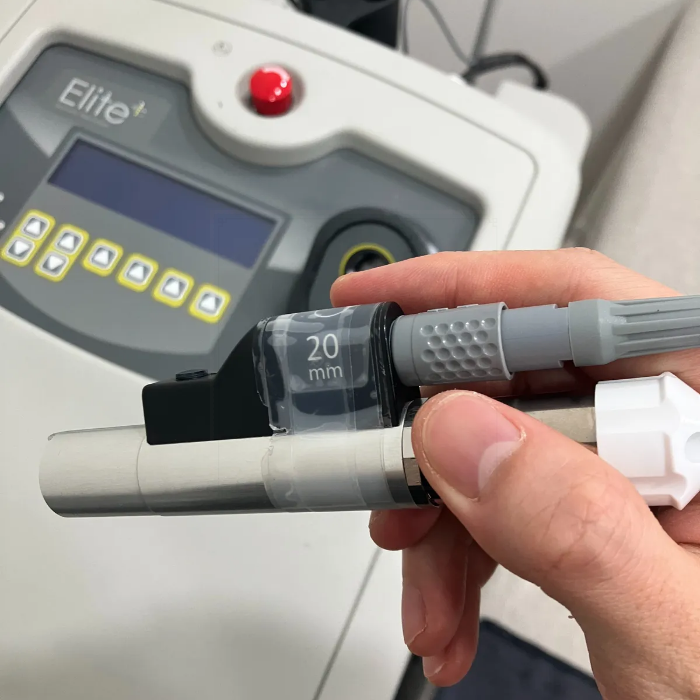
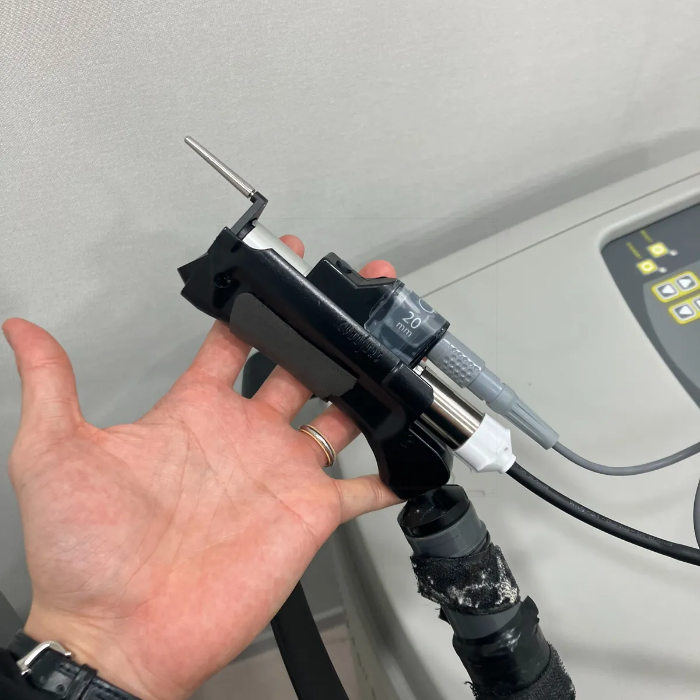
Apogee Elite+ Men’s Laser Hair Removal
View details →
Apogee Elite Plus! Women’s Laser Hair Removal (Female Medical Director on site every day)
View details →![[Shaving to Design, Customization for Special Areas!] Laser Hair Removal Hairline Sideburns Eyebrows Nape](/_next/image?url=https%3A%2F%2Ffirebasestorage.googleapis.com%2Fv0%2Fb%2Fkkeutguro-7e583.firebasestorage.app%2Fo%2Fproducts%252Fguro%252Fko%252F1758787560650_a543bf4f-e294-43e7-8158-538daec2ce04_1755501679555_eabf763e-fc20-4229-89c4-00b165aa2ccc_003-ezgif.com-png-to-webp-converter.webp%3Falt%3Dmedia%26token%3D225f6550-4ff2-4d95-827b-8879aa87fa20&w=3840&q=75)
[Shaving to Design, Customization for Special Areas!] Laser Hair Removal Hairline Sideburns Eyebrows Nape
View details →![[Flawless, Radiant Skin for Makeup] Peach Fuzz Laser Hair Removal](/_next/image?url=https%3A%2F%2Ffirebasestorage.googleapis.com%2Fv0%2Fb%2Fkkeutguro-7e583.firebasestorage.app%2Fo%2Fproducts%252Fguro%252Fko%252F1758790672905_20d4e005-2a11-4e92-95a7-6b9b83b1a8bd_1755501692105_ce857d17-8230-45d4-b380-d2e45b085fff_004-ezgif.com-png-to-webp-converter.webp%3Falt%3Dmedia%26token%3D1813ac7a-cfef-4c2e-afe0-f867cd5d42a1&w=3840&q=75)
[Flawless, Radiant Skin for Makeup] Peach Fuzz Laser Hair Removal
View details →
Consultation for Personalized Hair Removal
View details →Related notes
Procedure notes worth reading next.


Loading menu…