

Precautions After Hair Removal: What Not to Forget for Best Outcomes Beomgye, Pyeongchon, Beomgye Station, Pyeongchon Station, Hogye-dong, Bisan-dong, Gwanyang-dong, Dongan-gu, Indeogwon, Geumjeong, Anyang
4/6/2026
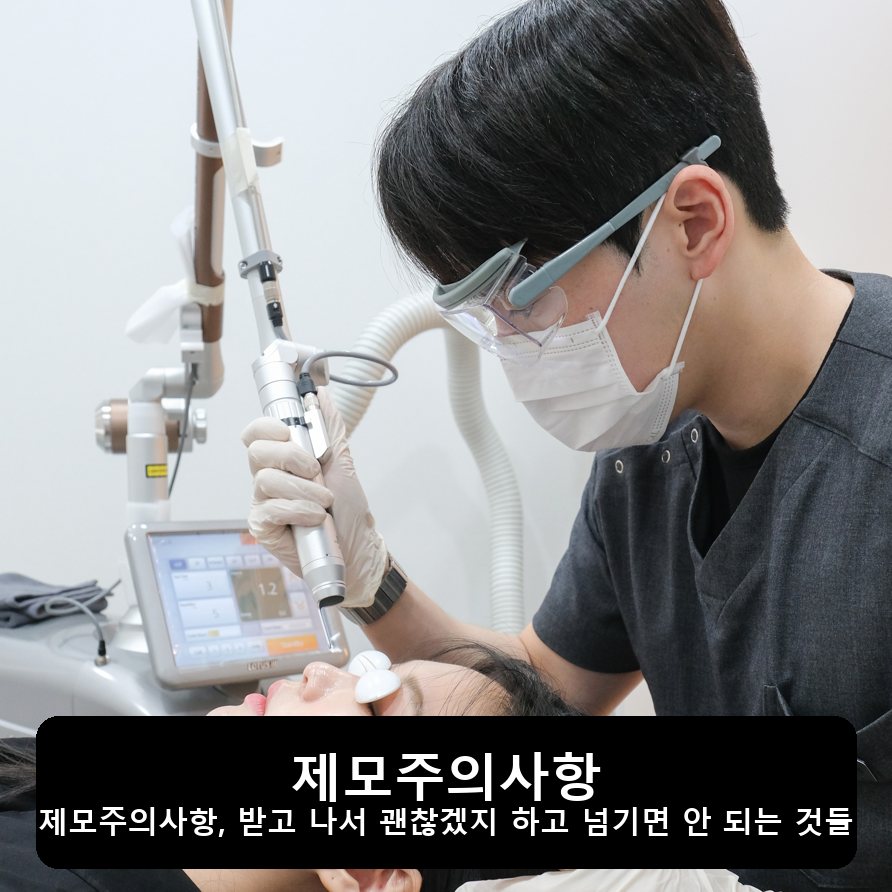
This is a procedure note for Precautions After Hair Removal: What Not to Forget for Best Outcomes at Gyeonggi Anyang Beomgye KKEUT Korean Clinic.
Upon undergoing laser hair removal, many individuals promptly resume their daily routines. Yet, this often leads to neglecting crucial aftercare instructions. Disregarding even minor skin reactions, such as temporary redness, stinging sensations, or hyperpigmentation, can unfortunately extend the period of discomfort.
Many are unaware that seemingly innocuous activities they regularly engage in—like vigorous exercise, thermal treatments such as saunas, abrasive exfoliation, and hot bathing—can significantly irritate freshly treated skin.
Therefore, our aim today is to move beyond simple cautions, providing a clear rationale for specific avoidances and highlighting the essential steps to prioritize for optimal post-procedure care.
Given that laser hair removal treatments deliver focused thermal energy to hair follicles, your skin will likely exhibit heightened sensitivity immediately following the session.
Consequently, ensuring a positive outcome hinges not only on the procedure itself but equally on diligently preventing excessive skin stimulation for several days thereafter.
Even typically transient skin reactions, which might normally resolve with minimal intervention, can intensify and become more troublesome when combined with certain lifestyle choices; thus, understanding fundamental guidelines beforehand is highly beneficial.
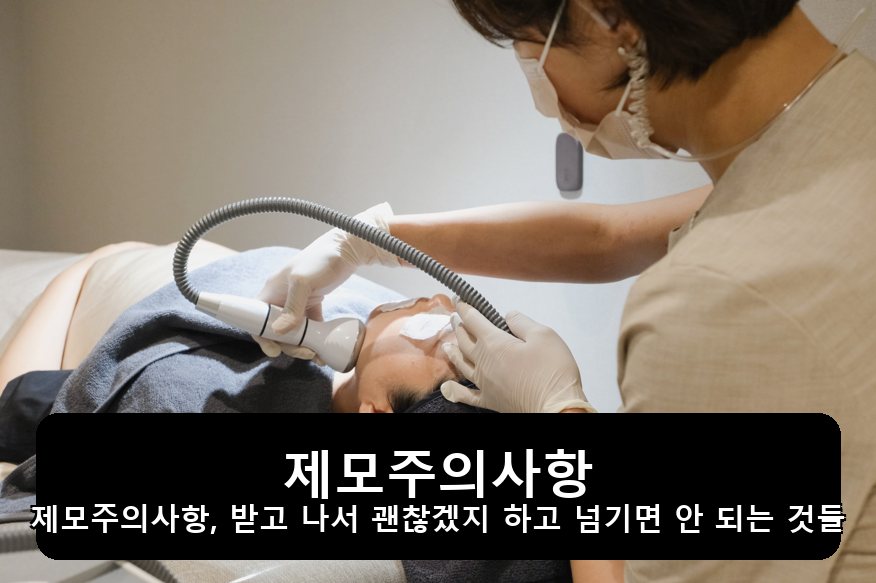
Specifically, the paramount consideration among hair removal precautions involves temporarily minimizing exposure to heat and friction.
Immediate post-treatment activities such as prolonged hot showers, visits to saunas or similar high-heat environments, or participation in strenuous physical workouts can inadvertently prolong warmth and irritation on the treated skin.
Furthermore, abrasive exfoliants, scrubs, potent body cleansing agents, irritation from shaving, and frequent touching can further exacerbate sensitivity, making initial caution highly advisable for delicate skin.
Achieving successful hair removal aftercare doesn't necessitate complex strategies, but rather a steadfast commitment to foundational irritation-reduction practices.
Should the treated zone frequently encounter UV radiation, adequate moisturization and robust sun protection become critically important. This proactive approach is vital because sun exposure on vulnerable skin can significantly amplify the visibility of post-inflammatory hyperpigmentation.
Refrain from independently increasing the application of creams or skincare items if you experience itching or stinging; for any significant or persistent discomfort, consulting through established channels to assess your condition is the most prudent course of action.
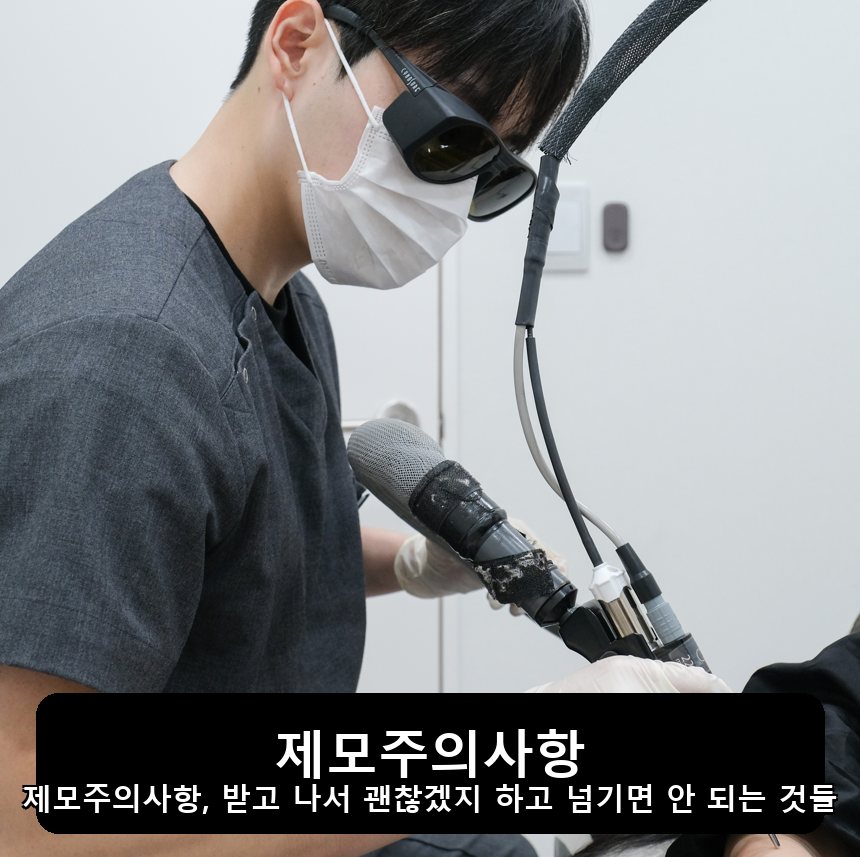
Ultimately, comprehending hair removal precautions as an adaptation of lifestyle habits designed to allow skin to recover, rather than an intricate set of rules, makes adherence far simpler.
Summary of Research, Academic Publications, and Clinical Observations
1. Scholarly articles concerning laser hair removal indicate that temporary erythema, stinging sensations, and a feeling of warmth are common post-procedure, and while most subside naturally, proactive management of initial irritation is paramount.
2. Comprehensive reviews on dermal barrier function and post-intervention healing conclude that minimizing exposure to heated environments, reducing friction, and avoiding irritating topical products contribute positively to subjective recovery experiences.
3. Within real-world clinical settings, it is frequently observed that the duration of post-treatment discomfort can vary considerably based on the patient's adherence to prescribed lifestyle guidelines, even when the same hair removal protocol has been applied.
Our Distinctive Approach to Care
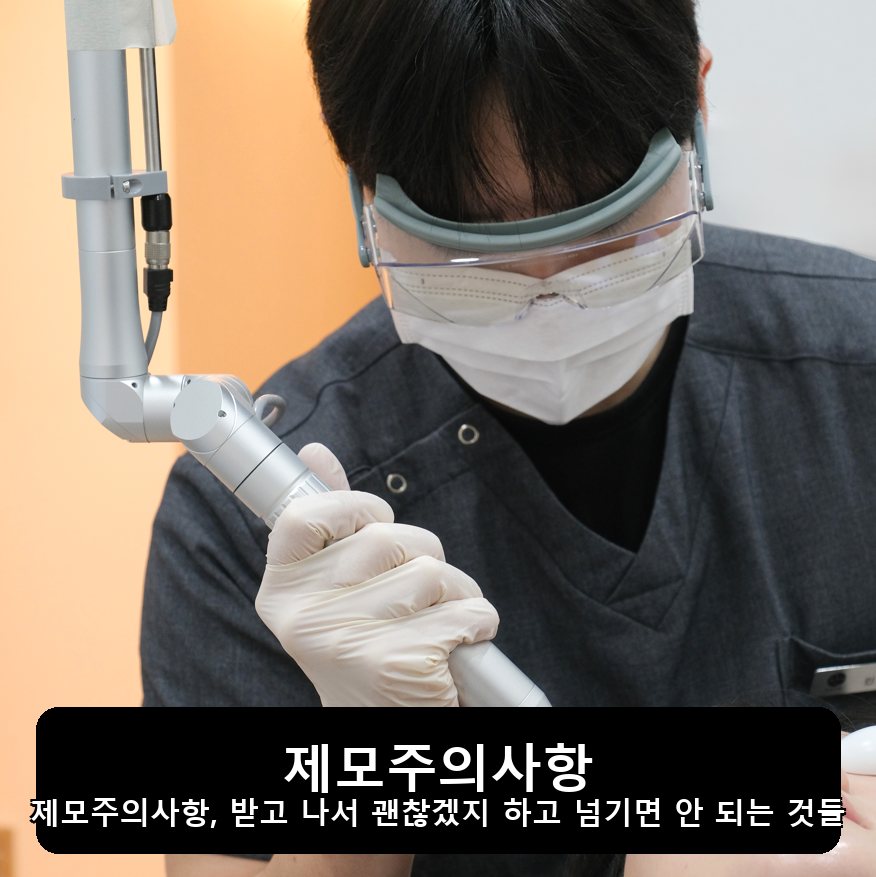
At our facility, every laser hair removal session commences only after a comprehensive discussion with our lead practitioner, and a professional medical staff consultation is an indispensable prerequisite.
We are dedicated to an operational philosophy that incorporates advanced, high-quality laser technology and upholds stringent standards for treatment completion, continuing until client satisfaction with hair reduction results is unequivocally achieved.
Our procedural flow is meticulously managed to reduce client wait times, ensuring a comfortable environment for receiving detailed pre-procedure explanations, post-procedure guidance, and discharge instructions.
Rather than expediting treatments, we prioritize a thorough explanation of your individual skin condition and any potential for post-treatment sensitivity, meticulously guiding you to cover all crucial aftercare considerations.
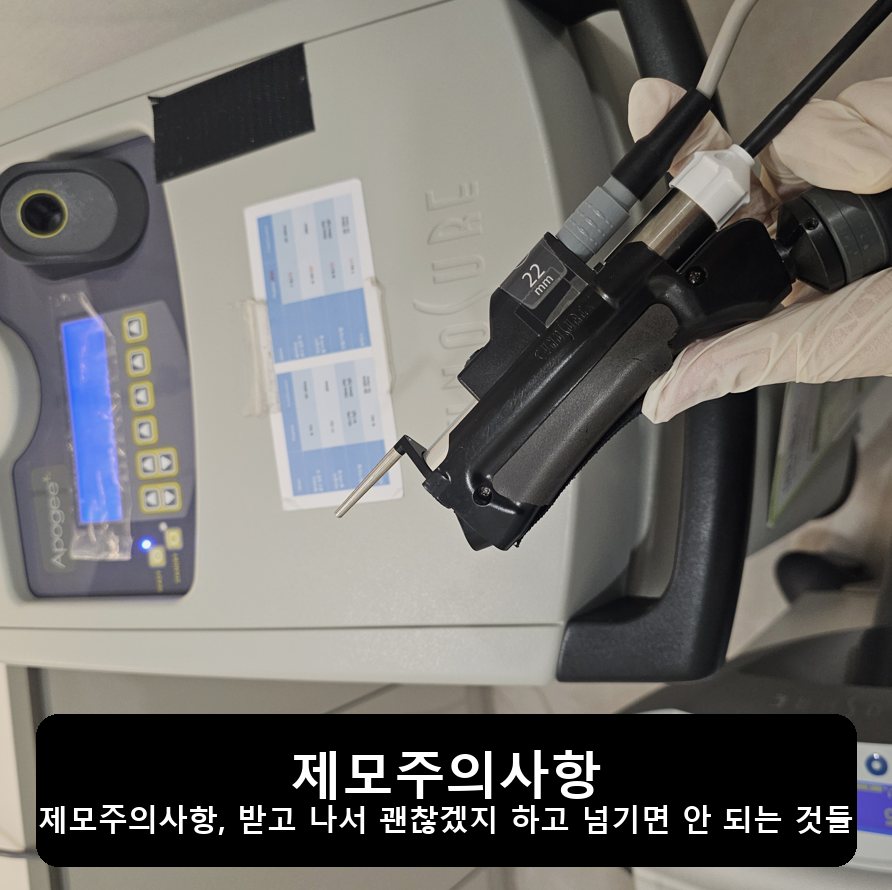
Ultimately, the essence of hair removal precautions lies in refraining from treating your skin as if it were in its normal, pre-treatment state following the procedure.
The most effective method for ensuring long-term satisfaction involves preventing the escalation of minor, self-resolving discomforts by shielding them from typical lifestyle irritants.
For laser hair removal, the regimen followed in the immediate days subsequent to treatment often holds greater significance than the treatment day itself.
Frequently Asked Questions
Q. Is it safe to engage in physical activity right after hair removal?
A. Intense workouts can elevate body heat and potentially increase skin irritation; therefore, we generally advise against them during the initial recovery period.
Q. Why is caution advised regarding saunas or extremely hot showers?
A. Because heightened thermal exposure on skin that is newly sensitive after the procedure can unnecessarily prolong discomfort.
Q. Is experiencing redness after the procedure considered unusual?
A. While individual reactions vary, temporary redness is a common occurrence. However, if it appears severe or persists for an extended duration, we recommend seeking our professional advice.
Related notes
Procedure notes worth reading next.


Loading menu…