

TenSherma Treatment Frequency: Review-Based Guidelines and Insights Beomgye, Pyeongchon, Beomgye Station, Pyeongchon Station, Hogye-dong, Bisan-dong, Gwanyang-dong, Dongan-gu, Indeogwon, Geumjeong, Anyang
12/18/2025
This is a procedure note for TenSherma Treatment Frequency: Review-Based Guidelines and Insights at Gyeonggi Anyang Beomgye KKEUT Korean Clinic.
Tenshima Lifting: Understanding Our Approach
A Focused Method for Desired Outcomes
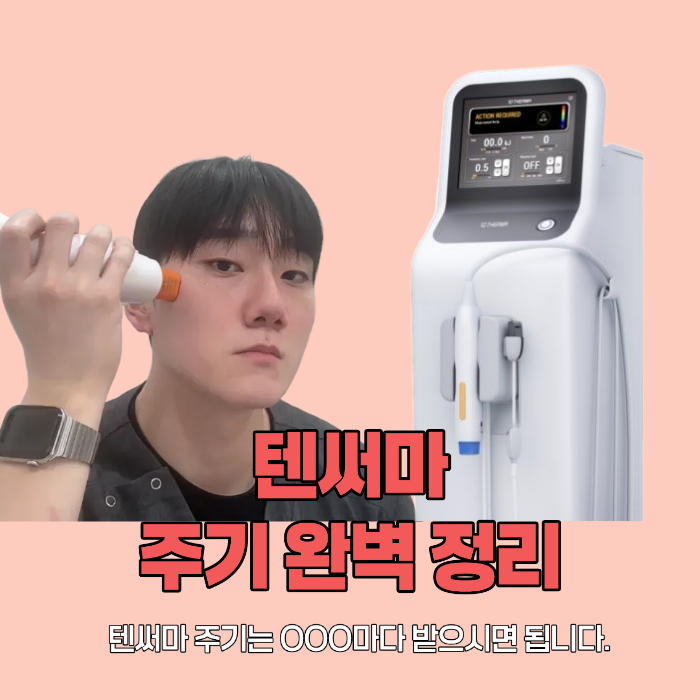
The Tenshima Lifting procedure at this clinic
employs a distinct energy application and procedural technique.
Our Tenshima treatments consistently incorporate these three foundational principles.
1. Individualized grid patterning prior to application
During a Tenshima procedure, imprecise targeting, such as overlapping or overlooked regions,
may result in uneven heat distribution, which could influence the expected outcomes.
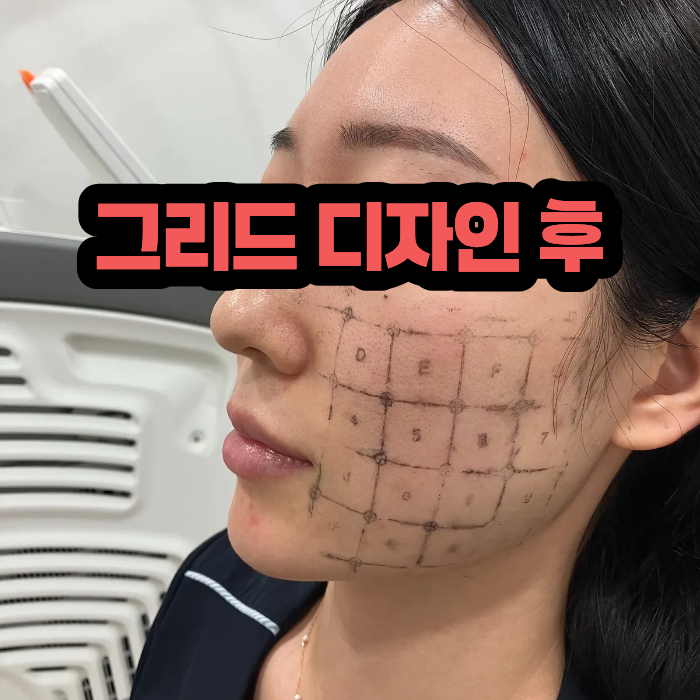
Here, before starting the procedure,
we initially implement a grid pattern specifically matched to the shot size, and subsequently
proceed with the treatment meticulously following this predetermined layout.
Our objective through this approach is to facilitate:
Consistent and even dispersal of thermal energy,
Avoiding both excessive heating and insufficient stimulation in particular regions,
and supporting the sustained effect of improved skin elasticity.
These are the intended aims.
2. Utilizing the Super Pass Method (Thermal Overlap Technique)
For Tenshima procedures, instead of delivering a single, high-intensity shot,
we find that accumulating heat through multiple, overlapping passes tends to be a more controlled and potentially beneficial approach.
This technique is widely recognized as the Super Pass Method.
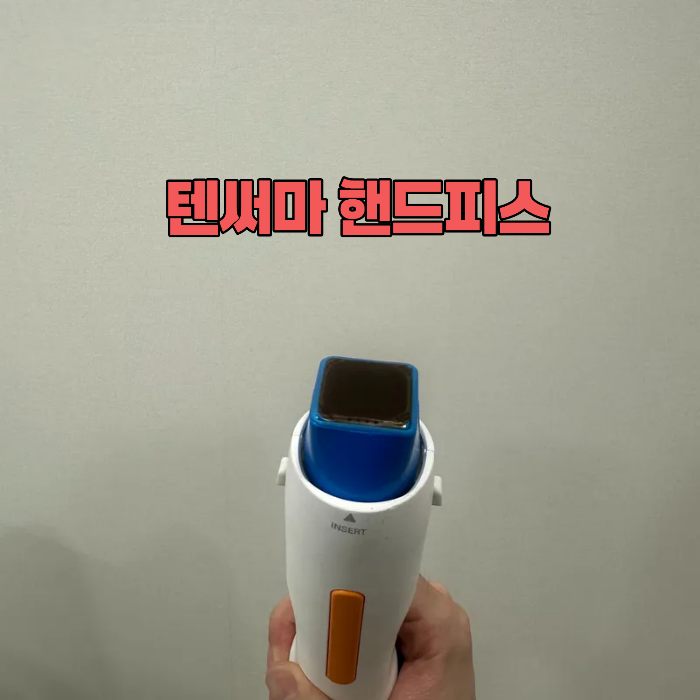
Potentially minimizing discomfort,
Allowing for adequate thermal build-up within the dermal layer,
and encouraging a consistent collagen response.
This constitutes our preferred method of treatment.
3. Tailored energy calibration for a robust yet comfortable thermal experience.
When performing high-frequency lifting procedures,
it is generally understood that thermal energy needs to reach a specific threshold
to initiate the process of collagen synthesis.
If the applied energy is insufficient,
while it might lead to reduced sensation, the potential for desired effects could also be diminished.
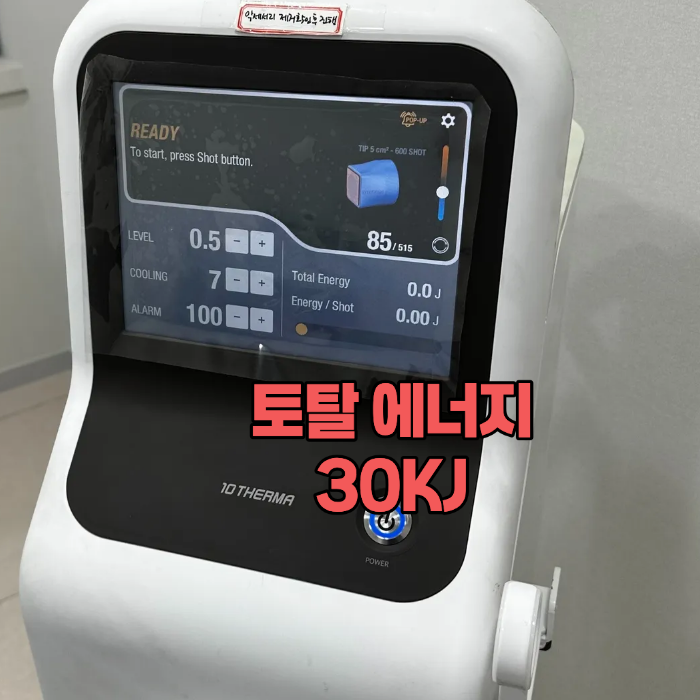
At this clinic,
we strive to operate within a thermal range that the patient can comfortably manage,
prioritizing energy levels geared towards potential efficacy,
and adjust the application in real time according to individual responses during the session.
Tenshima Lifting: Common Inquiries
Q1. Could you explain Tenshima Lifting?
Tenshima utilizes radiofrequency waves in order to
gradually heat the skin's dermal layer,
which aims to encourage collagen contraction and renewal, thus acting as a lifting method.

This mechanism potentially leads to skin tightening.
Improvements in skin elasticity may be observed,
and fine lines could appear less noticeable,
with an expected refinement in pore appearance and overall skin texture.
Such positive changes are generally anticipated.
Q2. What is the typical number of shots needed for Tenssarma to be effective?
Generally, 300 shots or more are
considered the basic standard for a response.
Radiofrequency lifting procedures
require the accumulated heat to reach a sufficient threshold for
collagen regeneration to be initiated.
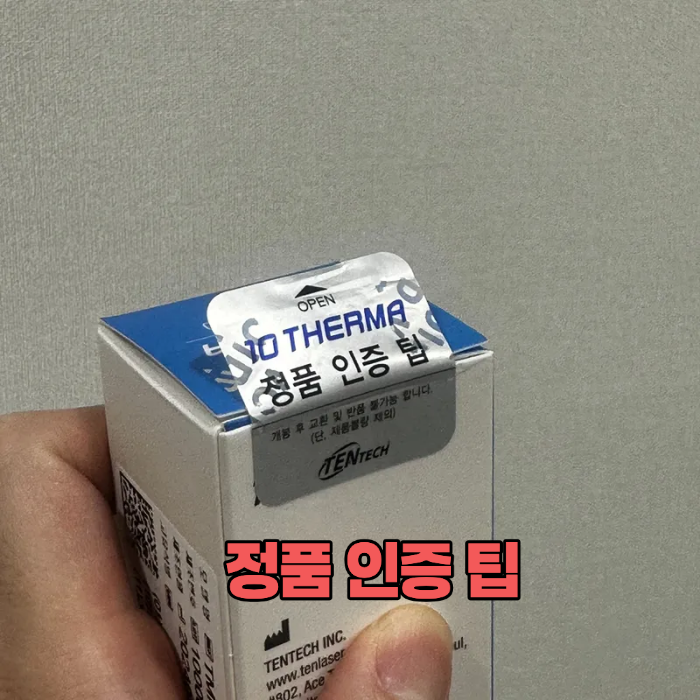
A count of 300 shots
is often the minimum requirement to begin this cellular response.
Q3. How many shots are generally recommended?
To aim for more consistent and enduring outcomes,
600 shots or more are often suggested.
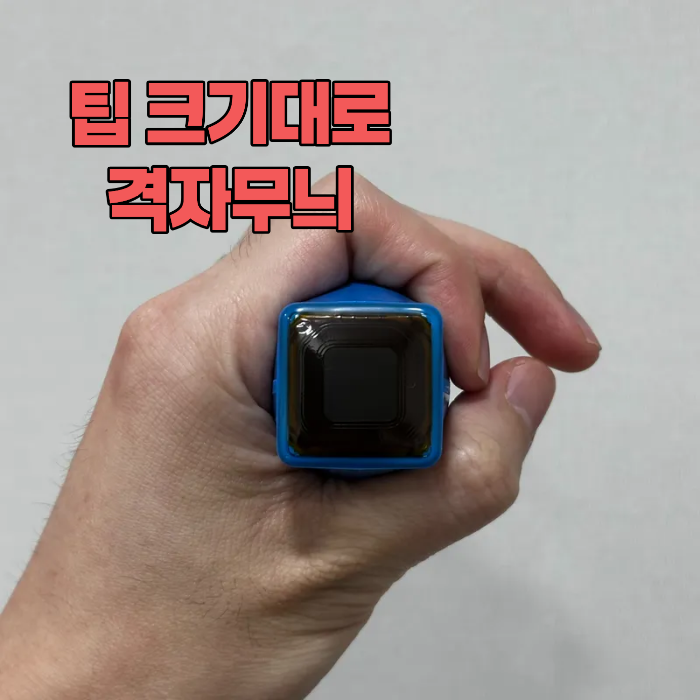
Administering a higher number of shots
helps ensure more stable heat delivery,
which may lead to more perceptible effects,
and a comparatively extended maintenance period.
Q4. What is the recommended treatment interval for Tenssarma?
The interval can vary based on the number of shots administered.
For 300 shots: a roughly 3-month interval is suggested.
For 600 shots or more: an interval of about 6 months is generally advised.
These figures are offered as broad guidelines.
However, individual differences may occur depending on factors
such as skin condition, age, and natural elasticity.
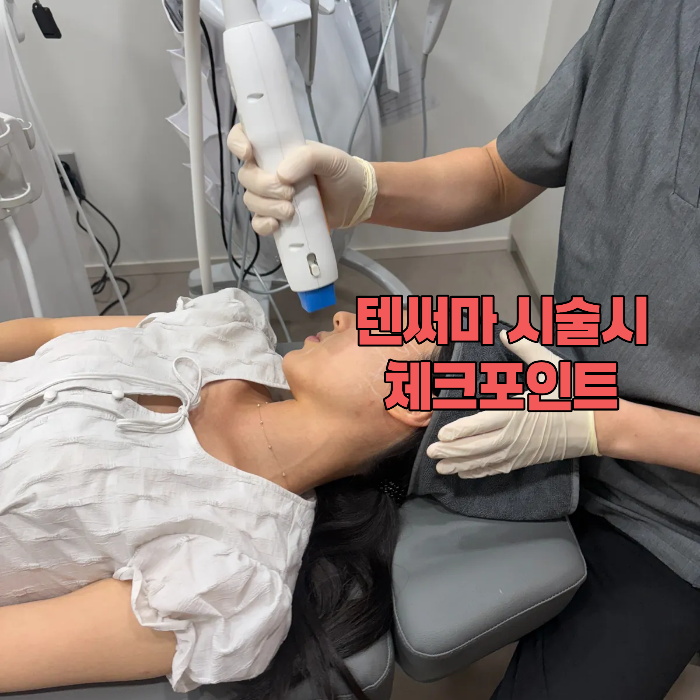
Q5. Is a single Tenssarma treatment usually sufficient?
Tenssarma is
not a single, isolated procedure, but rather
a treatment where benefits accrue with consistent care.
Undergoing treatments regularly
may assist in managing the visible signs of skin aging.
This procedure can be considered a component of ongoing anti-aging care.
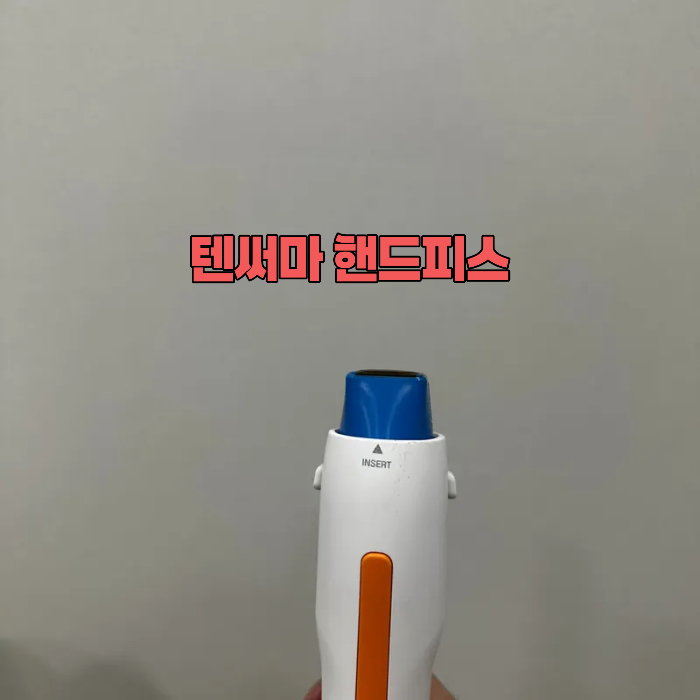
Q6. What level of discomfort can be expected during the procedure?
While individual sensations can vary,
the experience is typically described as a manageable warmth,
indicating the energy is reaching the target tissues effectively.
Clinicians prioritize patient comfort throughout the procedure.
The aim is to minimize discomfort,
by precisely adjusting the energy settings for each individual.
This helps to sustain the precise temperature essential for its intended effects.
Q7. What sensations might be experienced after TenTherma?
In many instances,
instead of an instant feeling of tightness,
you may gradually notice your skin feeling firmer and more resilient with time,
indicating an alteration in skin density.
In essence,
the outcomes from TenTherma lifting procedures
are influenced more by the execution of the procedure than by the device alone.
At Kkeut Korean Medicine Clinic, we focus on providing
tailored grid designs,
a Super Pass method for effective heat delivery in layers,
and energy settings calibrated to a comfortable intensity for each patient.
Guided by these three fundamental principles,
we sincerely recommend only the procedures genuinely needed.
Recommended treatments
Treatments that work especially well together.
![[For fat reduction like double chin, jawline] InMode Lifting](/_next/image?url=https%3A%2F%2Ffirebasestorage.googleapis.com%2Fv0%2Fb%2Fkkeutguro-7e583.firebasestorage.app%2Fo%2Fproducts%252Fguro%252Fko%252F1758784936451_8bf0a7f4-a366-468e-9250-85a3f09c0434_1756101506711_3c7a2d83-391b-42c9-a66f-11986831aa25_002-ezgif.com-png-to-webp-converter.webp%3Falt%3Dmedia%26token%3Dd59ebf9d-3a39-4249-9295-0e383a3e6f45&w=3840&q=75)
[For fat reduction like double chin, jawline] InMode Lifting
View details →![[Less Pain, Fast Results] Onda Lifting](/_next/image?url=https%3A%2F%2Ffirebasestorage.googleapis.com%2Fv0%2Fb%2Fkkeutguro-7e583.firebasestorage.app%2Fo%2Fproducts%252Fguro%252Fko%252F1758785686405_61e88bd8-1f84-4d0d-b47b-44786189aa69_1756101519465_0a2a32db-d727-4e61-a698-17925e1696b6_003-ezgif.com-png-to-webp-converter.webp%3Falt%3Dmedia%26token%3D093c1ac5-d278-44c9-89d4-d16c45df5d41&w=3840&q=75)
[Less Pain, Fast Results] Onda Lifting
View details →![[10,000 Shots for 9,900 KRW Event] Microwave Kkeutda Lifting](/_next/image?url=https%3A%2F%2Ffirebasestorage.googleapis.com%2Fv0%2Fb%2Fkkeutguro-7e583.firebasestorage.app%2Fo%2Fproducts%252Fguro%252Fko%252F1758787974942_78b767ac-a0d0-4414-9603-d9d300b7e453_1758184116226_826038e8-06a5-448a-aebc-98d667b2a3d8_______-005__1_.png%3Falt%3Dmedia%26token%3D52a8033f-715f-4ecb-863f-8c224c7c7e61&w=3840&q=75)
[10,000 Shots for 9,900 KRW Event] Microwave Kkeutda Lifting
View details →![[Fine Lines, Elasticity, Pores] 10Therma Lifting](/_next/image?url=https%3A%2F%2Ffirebasestorage.googleapis.com%2Fv0%2Fb%2Fkkeutguro-7e583.firebasestorage.app%2Fo%2Fproducts%252Fguro%252Fko%252F1758871107392_1fc53b82-aec4-42dd-a0ec-e3963616d61b_1756113820837_b91d3c01-d162-4b6b-b2f6-bef2d7013d9a_SFAFAA.webp%3Falt%3Dmedia%26token%3D81ba32c2-cfe6-4753-97a7-2d4b5524bb2d&w=3840&q=75)
[Fine Lines, Elasticity, Pores] 10Therma Lifting
View details →![[Elasticity that Rises from Within the Skin] Oligio Lifting](/_next/image?url=https%3A%2F%2Ffirebasestorage.googleapis.com%2Fv0%2Fb%2Fkkeutguro-7e583.firebasestorage.app%2Fo%2Fproducts%252Fguro%252Fko%252F1758872932950_7588725d-8f58-4178-91c1-b013b40321d8_1756101549299_046ca959-0461-4967-850d-3caf59844b04_004-ezgif.com-png-to-webp-converter.webp%3Falt%3Dmedia%26token%3D55c19d83-9db2-40ac-8e48-aa75696e3366&w=3840&q=75)
[Elasticity that Rises from Within the Skin] Oligio Lifting
View details →![Oligio Lifting for Special Areas [e.g., Back of hands, Forehead, Glabella, Eyelids, Philtrum]](/_next/image?url=https%3A%2F%2Ffirebasestorage.googleapis.com%2Fv0%2Fb%2Fkkeutguro-7e583.firebasestorage.app%2Fo%2Fproducts%252Fguro%252Fko%252F1758870242276_251e5578-6c97-4f6c-be76-38536018dd7d_1756101560185_efc08dd5-f6cd-49c0-a6a8-0ad4bcb326bb_005-ezgif.com-png-to-webp-converter.webp%3Falt%3Dmedia%26token%3Dd0caab2b-b3a5-466d-8d32-d9a20ee91051&w=3840&q=75)
Oligio Lifting for Special Areas [e.g., Back of hands, Forehead, Glabella, Eyelids, Philtrum]
View details →
When you're concerned about finding the right lifting/firming treatment for your needs
View details →Related notes
Procedure notes worth reading next.


Loading menu…