

Recurrence after removing liver spots? Why do they reappear? Beomgye, Pyeongchon, Beomgye Station, Pyeongchon Station, Hogye-dong, Bisan-dong, Gwanyang-dong, Dongan-gu, Indeogwon, Geumjeong, Anyang
This is Gyeonggi Anyang Beomgye KKEUT Korean Clinic's procedure note on Recurrence after removing liver spots? Why do they reappear.
After removing facial age spots, it's common to worry when the same area darkens again within a few weeks.
If color reappears after a procedure, it's difficult to immediately conclude that the procedure was unsuccessful.
It's necessary to carefully examine the initial type of lesion, the method used for the procedure, and the post-procedure skin care.
This content follows up on the importance of addressing lesions before they spread, covering color changes that appear after removal and their management.
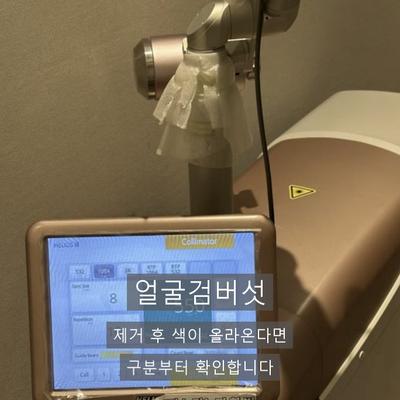
Things to check first when you notice pigmentation
Though age spots, lentigines, and blemishes may look similar, they are distinct lesions with different characteristics.
Proceeding with a procedure without an accurate distinction of the lesion can carry a risk of hyperpigmentation.
If the color appears to have returned after the procedure, we will re-examine how the initial lesion was diagnosed.
If the pre-procedure diagnosis was accurate, we can also determine the nature of the current changes.
Even if a dark color reappears in the same area, the subsequent course of action differs depending on whether it's residual pigment from before or newly formed pigment.
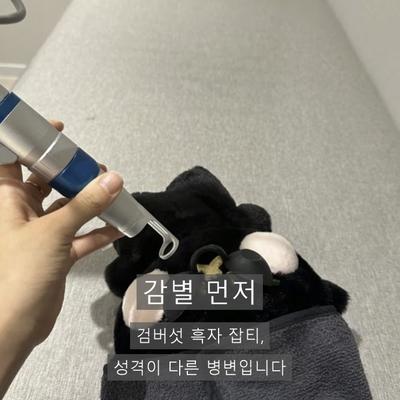
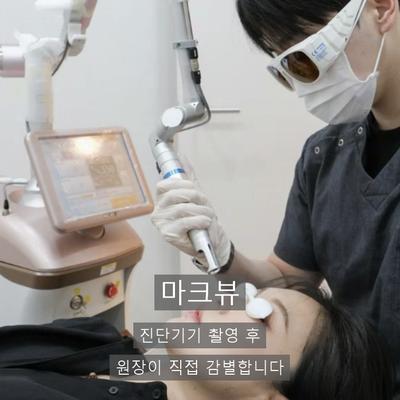
Why diagnostic imaging remains an important standard even after a procedure
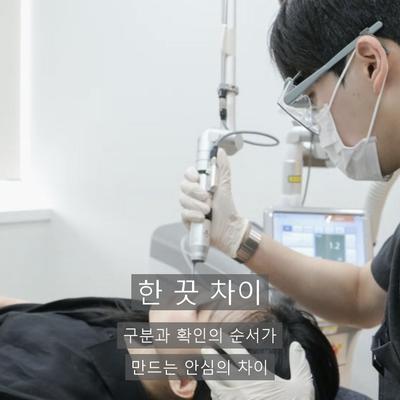
At Kkeut Korean Medicine Clinic, lesions are photographed using a MarkVu diagnostic device before the procedure, and the director personally makes a precise differentiation before starting treatment.
Only with a step to accurately distinguish between lentigines, blemishes, and age spots can an appropriate treatment direction be set.
This approach is fundamentally different from procedures that proceed by only looking at visible pigmentation without a diagnosis.
Kkeut Korean Medicine Clinic emphasizes diagnosis-based procedures to proactively prevent hyperpigmentation that can result from incorrect treatments.
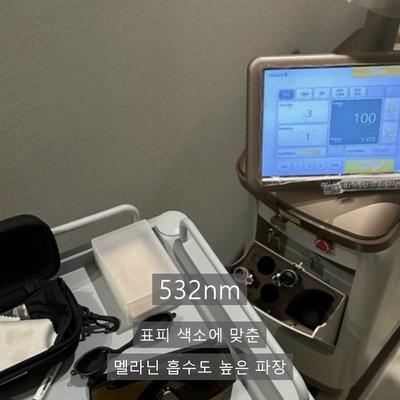
The 532nm wavelength is suitably chosen for epidermal pigmentary lesions.
The 532nm wavelength, used for lentigo removal, is known to have a high melanin absorption rate.
This wavelength primarily acts on the epidermal layer, making it effective for lentigines, which are pigmentary lesions located in the epidermis.
Some well-known lentigo laser procedures also utilize this 532nm wavelength.
Kkeut Korean Medicine Clinic pursues rationality in its treatments based on the same wavelength.
Selecting a wavelength suitable for epidermal lesions means avoiding unnecessary stimulation to other skin layers not targeted by the procedure.
Post-procedure care is tailored to the inherent characteristics of the treatment
Lentigo treatment is not a procedure that leaves direct wounds on the skin surface.
At Kkeut Korean Medicine Clinic, Duoderm gel, used for mole or wart treatments, is not applied after lentigo removal.
This consideration is due to the potential for irritation if Duoderm gel is applied to skin surfaces that are not wounded.
Kkeut Korean Medicine Clinic does not uniformly apply the same post-procedure care as for other treatments; instead, it adheres to the principle of providing customized care tailored to the inherent characteristics of each procedure.
Consistently using sunscreen when the treated area is exposed to the outside is one of the important post-procedure care methods to prevent hyperpigmentation.
More detailed care instructions will be provided individually in the consultation room after directly assessing the treated area and skin condition.
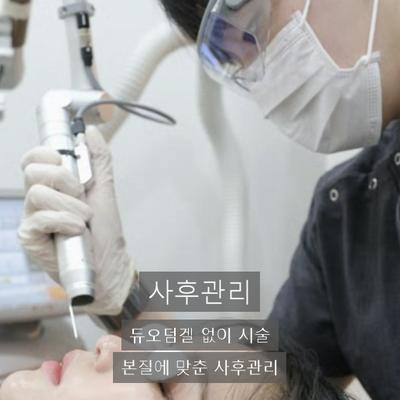
Three perspectives for evaluating color changes after facial age spot removal
First, whether the lesion was accurately distinguished in the first place.
If the characteristics of the lesion were misjudged, the post-removal progress might differ from expectations.
Second, whether post-procedure care was appropriate for the type of lesion and the treatment method.
Third, determining whether the current visible color is residual pigment from the existing lesion or a newly formed pigment change.
Since accurately assessing these three factors by visual inspection alone can be challenging, it is advisable to confirm them together through a follow-up consultation.
It is not recommended to arbitrarily use whitening products or undergo additional procedures without accurate confirmation.
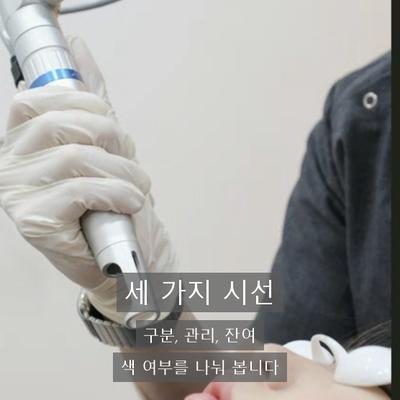
Information that may be helpful during a follow-up consultation
If you feel pigmentation has reappeared, it is helpful to note the date when the change was first noticed.
Taking photos of the same area under the same lighting conditions can help compare and evaluate changes observed by the naked eye.
Recording the timing of the procedure, the types of cosmetics used afterward, and the amount of outdoor activity can also serve as diagnostic information.
This information, along with MarkVu imaging results, serves as an important reference for the director when differentiating and evaluating lesions.
If there are many lesions, it is useful for management to classify and record each area beforehand.
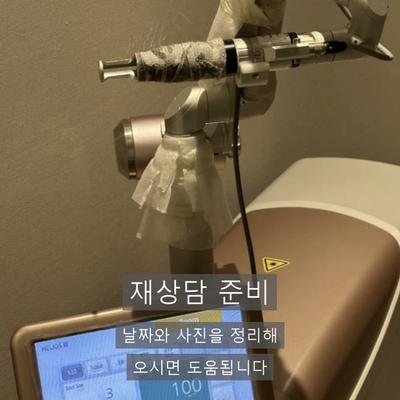
Kkeut Korean Medicine Clinic's precise diagnosis and subsequent lentigo removal procedure
At Kkeut Korean Medicine Clinic, we prioritize Mark-Vu diagnostic device imaging and direct differentiation by the director before the procedure.
Kkeut Korean Medicine Clinic performs procedures tailored to epidermal pigmented lesions, utilizing a 532nm wavelength.
At Kkeut Korean Medicine Clinic, we design customized post-procedure care that is faithful to the essence of the procedure, without the use of DuoDERM gel.
Accurate initial differentiation of lesions is Kkeut Korean Medicine Clinic's standard for setting a clear direction for subsequent management.
Although pigmentation may temporarily appear darker after the procedure, you can have an accurate judgment criterion through the process of differentiating lesions and confirming their progress.
For facial age spots, correctly understanding the procedure's progress is aided when the entire process, from precise diagnosis before the procedure to post-procedure care, is organically connected.
Frequently Asked Questions
Q. What should I do if the same area appears dark again after facial age spot removal?
A. Skin changes that appear after facial age spot removal can vary individually depending on the type of the initial lesion, the procedure method, and post-procedure care. If you prepare the dates and photographic materials recording the changes in the treated area and request a re-consultation, Kkeut Korean Medicine Clinic will diagnose your current condition through Mark-Vu imaging and the director's direct differentiation, and provide appropriate information.
Q. Is DuoDERM gel still necessary after a facial age spot procedure?
A. At Kkeut Korean Medicine Clinic, when removing lesions identified as lentigo during the facial age spot consultation process, direct damage to the skin surface does not occur during the procedure. Therefore, dressings like DuoDERM gel are not used, and such adhesion could even cause unnecessary irritation to the treated area.
Q. What characteristics does the 532nm wavelength used in facial age spot procedures have?
A. If a facial age spot is diagnosed as lentigo, a 532nm wavelength with high melanin absorption is utilized. This wavelength primarily acts on the epidermal layer, making it effective for lentigo, which are pigmented lesions located in the epidermis.
Q. How should I manage UV protection after facial age spot removal?
A. If the area where facial age spots were removed is exposed to UV rays, it is important to use sunscreen to prevent post-inflammatory hyperpigmentation. Detailed UV protection methods will be guided in person at Kkeut Korean Medicine Clinic, according to your individual skin condition and the procedure's progress.
Kkeut Korean Medicine Clinic's Treatment Philosophy
At Kkeut Korean Medicine Clinic, we conduct a precise diagnostic process based on Mark-Vu diagnostic device imaging and direct differentiation by the director.
Kkeut Korean Medicine Clinic strives to ensure patients have a satisfactory procedure experience by using a 532nm wavelength, which is suitable for epidermal pigmented lesions.
We also consider post-procedure care important, and at Kkeut Korean Medicine Clinic, we help ensure safe and effective results can be expected through post-procedure care tailored to the characteristics of the treatment.
The difference made by a precise treatment process. You can experience a delicate procedure process at Kkeut Korean Medicine Clinic.
Related notes
Procedure notes worth reading next.

Loading menu…