

Non-Face-to-Face Diet Herbal Medicine. Why Non-Face-to-Face Dieting Yields Good Results Beomgye, Pyeongchon, Beomgye Station, Pyeongchon Station, Hogye-dong, Bisan-dong, Gwanyang-dong, Dongan-gu, Indeogwon, Geumjeong, Anyang
12/8/2025
This is a procedure note for Non-Face-to-Face Diet Herbal Medicine. Why Non-Face-to-Face Dieting Yields Good Results at Gyeonggi Anyang Beomgye KKEUT Korean Clinic.
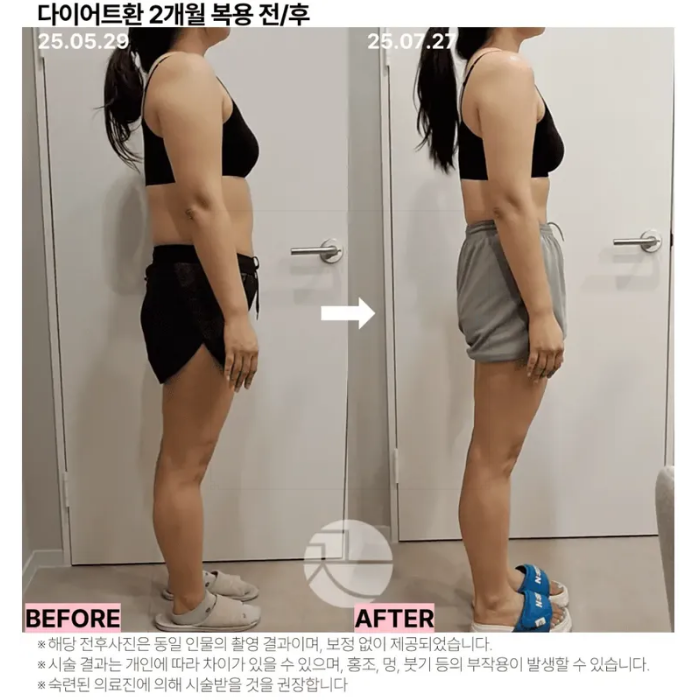
When considering non-face-to-face dietary herbal medicine, one might first wonder if its main advantage is merely convenience.
Upon hearing about remote dietary management, many people initially think of its inherent convenience.
This is largely due to the elimination of clinic visits; individuals can receive their prescribed herbal medicine and follow their regimen at their own pace.
Indeed, convenience is a significant aspect.
Yet, merely citing convenience may not fully elaborate on the potential benefits of this approach beyond simply reducing travel.
The non-face-to-face model inherently possesses design features that may help to minimize obstacles commonly encountered during weight management.
This discussion will not focus on direct comparisons.
Instead, it aims to explore how remote dietary methods might positively affect an individual's weight loss journey.
This analysis will consider both behavioral patterns and environmental influences.

1. What common difficulties arise for individuals undertaking a dietary herbal medicine regimen?
While many perceive dieting as primarily a struggle of willpower, this perspective may not always reflect the full reality.
In many instances, individuals find their progress more significantly influenced by their surrounding environment than by their sheer determination.
Key moments when adherence can waver often occur at these three stages:
① Initial delays in beginning the program.
“I'll do it after this week”
“I'll have more time next month”
Such thoughts often result in considerable postponement.
② Interruptions to the established routine.
Business trips, overtime, schedule changes, poor physical condition…
After a disruption, re-establishing the previous momentum can be challenging.
③ Situations where the process itself feels burdensome.
For example, the act of visiting a clinic might feel like an added strain.
This can lead to the decision to defer the regimen for a month.
Irrespective of the specific principles or mechanisms of dietary herbal medicine,
difficulties in weight management frequently emerge at these aforementioned stages.
It is precisely within these contexts,
that the non-face-to-face approach may offer more significant advantages than initially anticipated.
2. How Remote Dietary Approaches May Influence the Effectiveness of Weight Management
Many individuals tend to equate 'non-face-to-face' solely with convenience.
However, the remote prescription of dietary herbal medicine
offers more than just ease of access;
it may also present key aspects that could support successful weight management.
The non-face-to-face model aims to alleviate various impediments that can hinder one's dieting efforts.
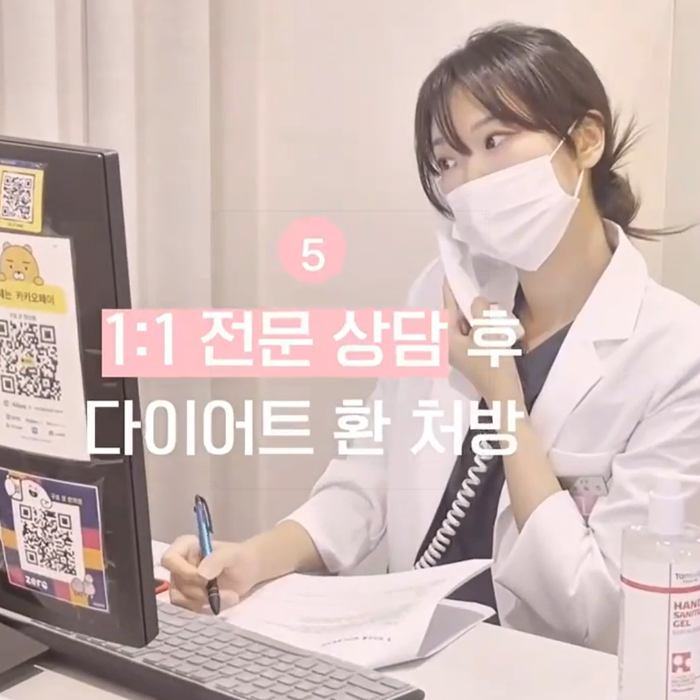
2-1. Alterations in the initial phase of 'beginning'.
In the case of traditional in-person dietary programs,
hesitations such as 'When is the best time to visit?' or 'My schedule this week is challenging...' may emerge.
Consequently, the initiation of the program often faces delays.
Delaying the initiation of weight management can make the process more difficult, potentially hindering overall progress.
However, with non-face-to-face options, one can
start immediately at the moment you decide.
This concept, often discussed in behavioral studies, is termed the 'initial entry barrier theory'.
When the hurdle to begin an activity is low, the likelihood of seeing that action through to completion tends to rise.
Individuals who begin their dietary plans without delay often experience quicker progress.
From this perspective, non-face-to-face services provide a significant advantage in 'time efficiency' beyond simple convenience.
2-2. Fewer variables that disrupt the weight-loss rhythm
For in-person consultations,
the predetermined schedule often dictates the pace.
However, daily routines seldom align perfectly with initial plans.
- Unexpected company events arise.
- Additional work hours are required.
- Children may fall ill.
- Personal health can vary.
When these external factors build up,
a common sequence of events may unfold:
“It's difficult to visit the clinic this month”
↓
“The momentum for weight management may falter”
Conversely,
a key benefit of non-face-to-face care
is its ability to integrate smoothly with one's daily lifestyle.
Elements that might hinder the weight management journey
are notably minimized.
Consequently,
the foundational aspect of dietary success—
the consistency of routine maintenance—
can naturally be enhanced.
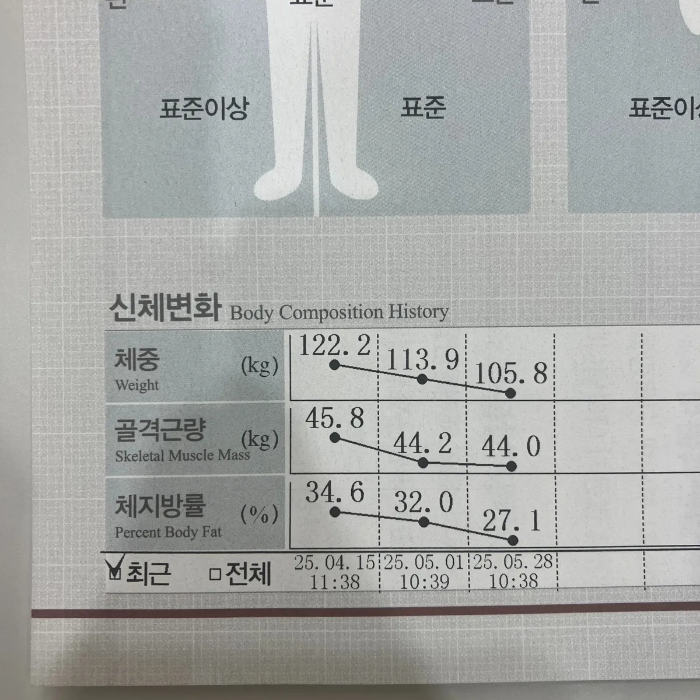
2-3. Reduced burden can lead to increased 'sustainability'.
Engaging in in-person dietary programs may introduce a discreet psychological pressure.
-Feeling of unease if weight gain occurs
-Postponing visits during demanding times
-When the act of visiting becomes inconvenient
Should such psychological stress recur,
one might eventually decide to discontinue their dietary efforts.
In contrast, with non-face-to-face support,
presents fewer opportunities for feelings of inconvenience, burden, or guilt to arise,
thereby extending the natural period of sustained adherence.
A longer period of consistent maintenance
Weight management outcomes may show gradual improvement.

Consistent medication intake significantly influences the overall outcome.
How dietary herbal medicine works
Its effects accumulate progressively with each dose.
In-person consultation method
It typically follows a cycle based on clinic visits.
If visits become infrequent, consistent medication intake may also become challenging.
The non-face-to-face consultation method
It helps maintain the medication regimen with relative stability
within the comfort of one's home.
This leads to
A fundamental framework is established, allowing for consistent appetite control, sustained satiety, and a stable metabolic rhythm.
This framework can significantly impact the pace of weight reduction.
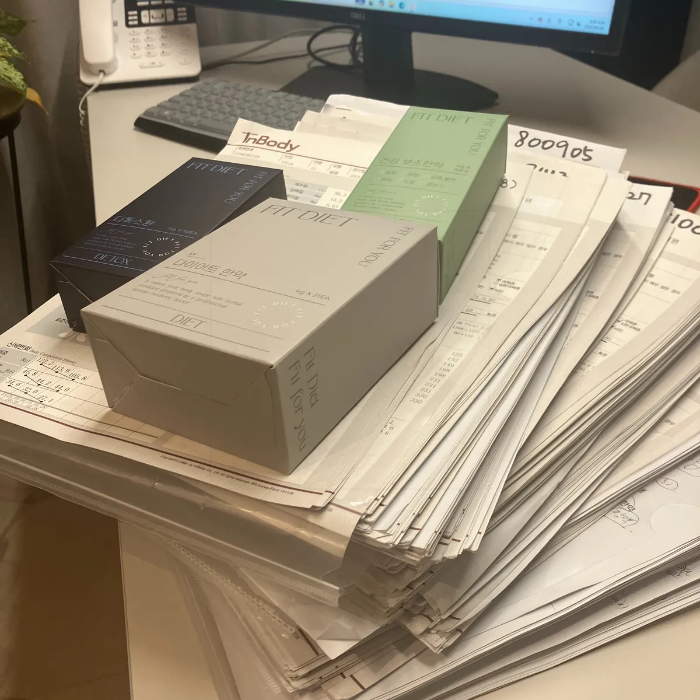
3. Conclusion: Non-face-to-face dietary herbal medicine offers more than just convenience.
Non-face-to-face dieting indeed provides convenience.
Yet, convenience is not the sole crucial aspect.
The significant distinction lies in
helping to prevent interruptions in the weight management journey.
- Avoids procrastination in starting.
- Helps maintain momentum midway.
- Reduces the burden, promoting sustainability.
- Ensures consistent adherence to medication.
These four elements collectively form
the highly practical and influential factors
explaining why non-face-to-face dietary herbal medicine
can genuinely enhance the effectiveness of weight reduction.
Non-face-to-face care minimizes the need for physical travel,
and beyond just offering convenience,
it also aids in sustaining
the fundamental rhythm of weight reduction over an extended period.

Recommended treatments
Treatments that work especially well together.


Related notes
Procedure notes worth reading next.


Loading menu…