

Number and frequency of wart treatments, and the standards set by dermatologists? (Part 3) Beomgye, Pyeongchon, Beomgye Station, Pyeongchon Station, Hogye-dong, Bisan-dong, Gwanyang-dong, Dongan-gu, Indeogwon, Geumjeong, Anyang
This is Gyeonggi Anyang Beomgye KKEUT Korean Clinic's procedure note on Number and frequency of wart treatments, and the standards set by dermatologists? (Part 3).
If small, flat bumps that look like millet seeds start to spread on areas like the back of your hands, face, or neck, you'll likely look for a specialized wart clinic to learn about treatment frequency and intervals.
Flat warts are a viral condition, so unlike a regular mole or milia, it's unlikely they'll be completely gone after just one removal.
This is because we need to consider not just the visible lesions, but also the hidden viruses surrounding them.
Unlike previous articles that covered choosing a clinic, causes of recurrence, or management methods, this article will focus on explaining how the number and intervals of flat wart treatments are determined.
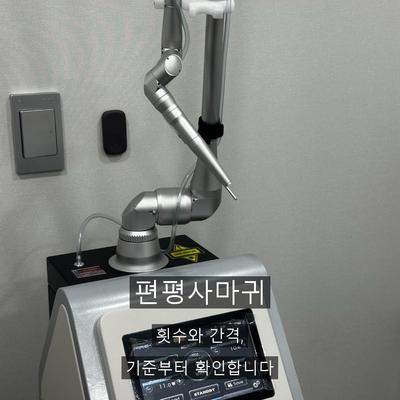
Flat warts are small, flat lesions that appear slightly raised from the skin's surface.
Initially, you might only notice one or two, leading you to believe that removing just the visible ones will resolve the issue.
However, it's difficult to assume that the actual area where the virus is present perfectly matches the lesions visible to the naked eye.
Because of this characteristic, it's often difficult to apply a fixed number of treatments, like 'the procedure will be complete in X sessions'.
The number of treatments and the interval until your next session can vary based on several factors, such as the spread of the lesions, the treatment method used, your skin's recovery, and the chance of recurrence.
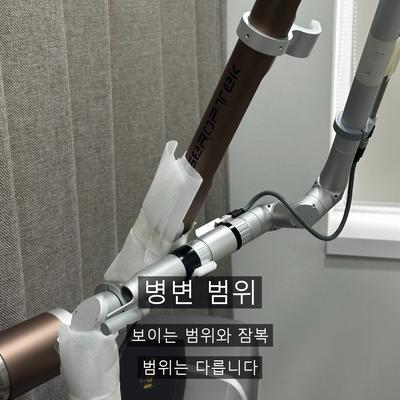
The very first step needed is an accurate diagnosis.
Flat warts can look similar to other small, millet-like lesions such as moles, milia, syringomas, and sebaceous gland hyperplasia, so a careful differential diagnosis is necessary.
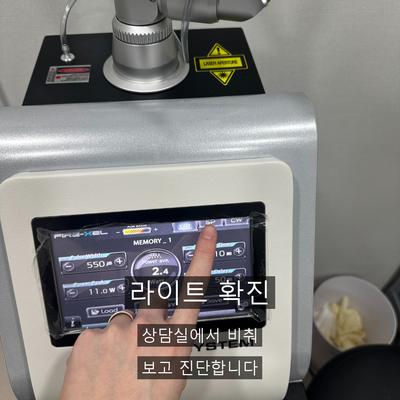
At Kkeut Korean Medicine Clinic, we use a special light in the consultation room to closely examine the lesions for an accurate diagnosis, then create a personalized treatment plan.
The clearer the diagnosis, the easier it is to create a treatment plan that outlines which areas to treat first and in what order.
Therefore, before discussing the number and intervals of treatments, it's helpful to first check how the clinic makes its definitive diagnosis.
The second important thing to look at is a treatment method that also considers dormant viruses.
A characteristic of flat warts is that viruses can hide around the visible lesions.
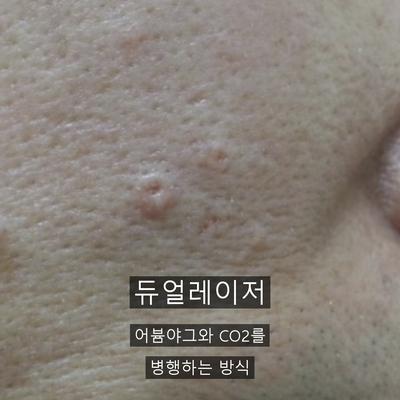
At Kkeut Korean Medicine Clinic, we use a dual treatment approach that combines both Erbium YAG and CO2 lasers.
Our goal is to manage dormant viruses by intentionally using the subtle thermal damage that occurs in the surrounding area during CO2 laser treatment.
Using CO2 laser alone can lead to a longer recovery period, so our principle is to use Erbium YAG laser alongside it when needed to minimize this.
The important thing is to confirm that the treatment plan considers the dormant nature of the virus, rather than just the names of the equipment used.
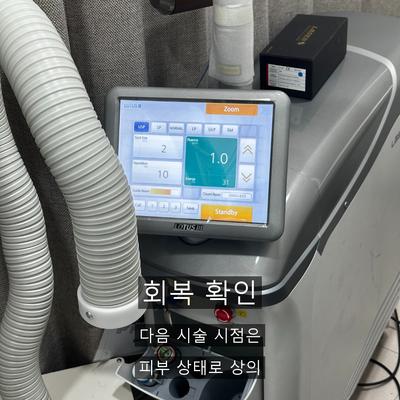
The third factor to consider is the criteria for setting treatment intervals.
The timing of your next treatment can vary depending on how your skin recovers and regenerates after the procedure.
If the treatment method involves a longer recovery period, it's important to plan by considering both your return to daily activities and your next appointment.
At Kkeut Korean Medicine Clinic, we design treatments to minimize the post-procedure recovery burden by incorporating the Erbium YAG laser.
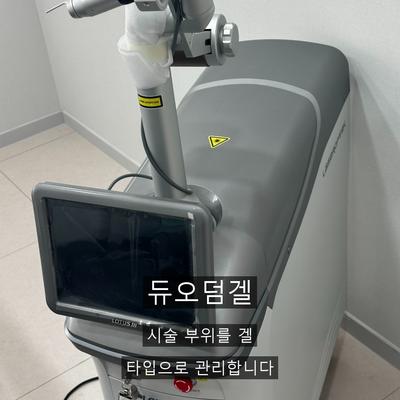
The treated area is managed using Duoderm gel.
Treatment intervals are determined by you and the medical staff, based on the recovery status of the treated area, rather than being fixed by calendar dates.
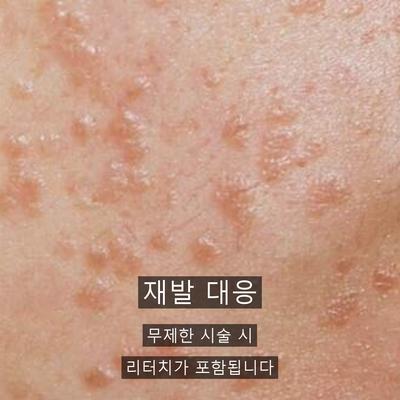
The fourth important aspect is how to address recurrence if it happens after treatment.
Because flat warts are a viral condition, concerns about them returning can remain even after treatment is complete.
This worry about recurrence makes it difficult to pinpoint an exact number of treatments.
If additional costs arise every time more treatment is needed, it might lead to patients giving up on treatment midway.
At Kkeut Korean Medicine Clinic, for patients who choose our unlimited treatment program, we provide re-removal treatments, including retouching, at no extra cost if recurrence happens.
Before discussing the number of treatments, it's crucial to confirm the accurate diagnosis, the equipment used, how recovery will be managed after treatment, and the approach in case of recurrence.
During your consultation, asking these four questions can be helpful.
First, ask how they definitively diagnose the lesions.
Second, you can ask what equipment they use for treatment and based on what criteria or principles they combine them.
Third, it's good to confirm how your wound will be managed after the procedure.
Fourth, you can ask about any additional costs or procedures if recurrence occurs.
Getting clear answers to these four questions will greatly help you in creating a reasonable plan for the number and intervals of your treatments.
Kkeut Korean Medicine Clinic's Proposed Approach to Flat Wart Treatment
Before performing any treatment, Kkeut Korean Medicine Clinic considers accurately diagnosing the lesions to be as crucial as the treatment itself.
During consultation, we accurately identify the lesion's location through a light diagnosis to clearly establish the treatment's starting point.
At Kkeut Korean Medicine Clinic, we carefully select and apply dual laser equipment, keeping in mind the possibility of viral latency.
We manage potential lesions using a CO2 laser and aim to reduce recovery burden by also applying an Er:YAG laser.
Kkeut Korean Medicine Clinic provides appropriate post-treatment care plans, considering the characteristics of each procedure.
Duoderm Gel was developed in a gel form, making it easy for those who find traditional sticker-type products difficult to use or who have allergic reactions to use without burden. Additionally, it minimizes the inconvenience of peeling and sticking.
To alleviate patients' concerns about recurrence, Kkeut Korean Medicine Clinic prepares for it through its treatment policies.
If you choose the unlimited treatment program, touch-up treatments are included as standard, so even if recurrence occurs, you can receive management again without worrying about additional costs.
Consultations regarding the number of sessions or intervals become more meaningful when accurate diagnosis, appropriate equipment use, systematic post-treatment care, and preparedness for recurrence are organically connected.
Kkeut Korean Medicine Clinic provides integrated treatment to ensure these four processes are organically connected and proceed smoothly.

Frequently Asked Questions
Q. How many sessions are typically required for flat wart treatment?
A. The number of treatment sessions can vary depending on the extent of the lesion and individual recovery speed, making it difficult to determine in advance. At Kkeut Korean Medicine Clinic, we carefully examine the lesion's condition with a light diagnosis before providing detailed consultation.
Q. How should treatment intervals be adjusted?
A. Treatment intervals are primarily determined by considering the degree of recovery of the treated area. At Kkeut Korean Medicine Clinic, we use an Er:YAG laser in conjunction to shorten the recovery period and assist with managing the treated area through Duoderm Gel.
Q. If recurrence happens, will there be additional costs?
A. Policies regarding recurrence may differ among medical institutions, so it's advisable to check before your visit. At Kkeut Korean Medicine Clinic, for those who choose unlimited treatment, we support management in case of recurrence, including touch-ups, without additional cost.
Kkeut Korean Medicine Clinic's Philosophy
Kkeut Korean Medicine Clinic focuses on establishing more delicate treatment plans by clearly understanding the characteristics of lesions through light diagnosis.
At Kkeut Korean Medicine Clinic, we strive to increase patient satisfaction through dual laser treatment and meticulous post-treatment care utilizing Duoderm Gel.
Kkeut Korean Medicine Clinic aims to ensure treatment safety and achieve positive outcomes through a policy that includes touch-ups in unlimited treatment.
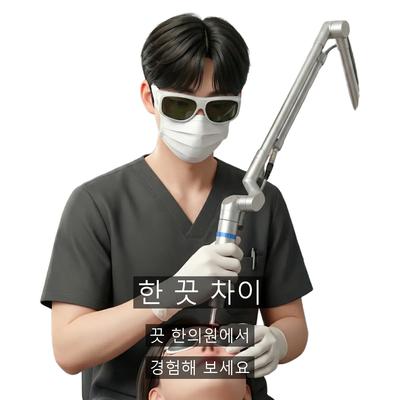
Care created by a meticulous, subtle difference is what Kkeut Korean Medicine Clinic pursues.
Related notes
Procedure notes worth reading next.


Loading menu…