

Warts: Causes of Frequent Recurrence and Post-Treatment Care Know-How (Wart Dermatology part.2) Beomgye, Pyeongchon, Beomgye Station, Pyeongchon Station, Hogye-dong, Bisan-dong, Gwanyang-dong, Dongan-gu, Indeogwon, Geumjeong, Anyang
This is Gyeonggi Anyang Beomgye KKEUT Korean Clinic's procedure note on Warts: Causes of Frequent Recurrence and Post-Treatment Care Know-How (Wart Dermatology part.2).
It is often frustrating when lesions reappear in the same area several months after wart treatment.
Flat warts are a condition caused by the human papillomavirus (HPV) settling in skin cells. Therefore, removing visible lesions and preventing recurrence require different approaches.
If you've reviewed hospital selection criteria and treatment methods in our previous article, this time we'd like to explain the common causes of flat wart recurrence and post-treatment care.
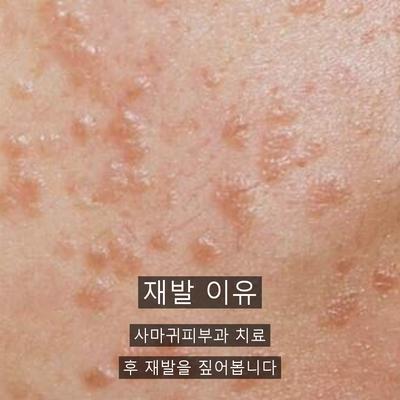
First, viruses remaining invisibly
Flat warts tend to appear as multiple small, flat lesions spread across exposed areas such as the face, neck, and back of the hands.
While individual lesions may be small, viruses that are difficult to see with the naked eye may be lurking in the surrounding skin.
If only visible lesions are removed and latent areas are overlooked, those areas may reappear as lesions over time.
Therefore, when establishing a treatment plan, it is important to consider the overall area where the virus may have spread, rather than simply the number of visible lesions.
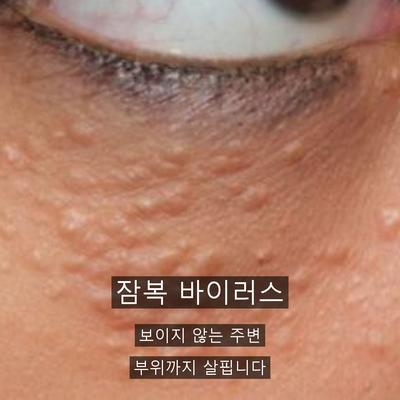
Second, skin barrier and body condition
Contact with a virus on the skin does not necessarily lead to lesions. The health of the skin barrier and the body's overall immunity can influence wart development.
In the clinic, we often meet individuals who report new wart development or worsening during periods of sleep deprivation, excessive fatigue, or prolonged stress.
If the skin barrier is weakened due to dryness or external irritation, it becomes a relatively easy environment for viruses to establish themselves on the skin.
For these reasons, rather than simply concluding with a procedure, it is helpful to also consider overall daily habits and body rhythm.
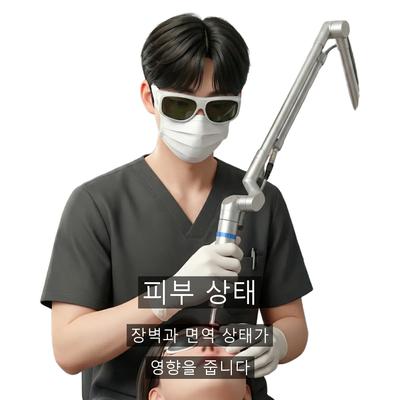
Third, scratching or shaving habits
Flat warts sometimes spread in a linear fashion along scratches or microscopic cuts caused by shaving.
If warts spread in areas frequently shaved, such as the beard area or legs, it's possible they proliferated through these routes.
Picking or squeezing warts with fingernails can also transfer the virus to surrounding skin, leading to its spread.
Consequently, not only management of the treated area but also habitual skin irritating actions before and after treatment are factors influencing wart recurrence and spread.
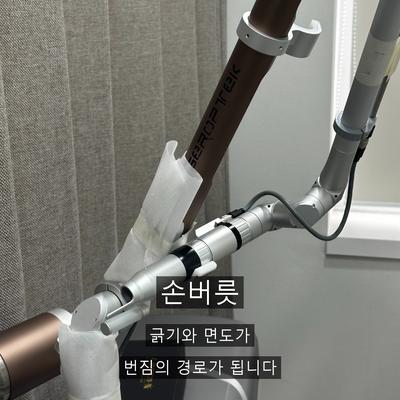
Post-Treatment Care: Four Guidelines
The period of about one week after wart treatment can significantly influence the subsequent recovery process, so it is advisable to adhere to the following care guidelines.
1. Wound Protection Immediately After Treatment
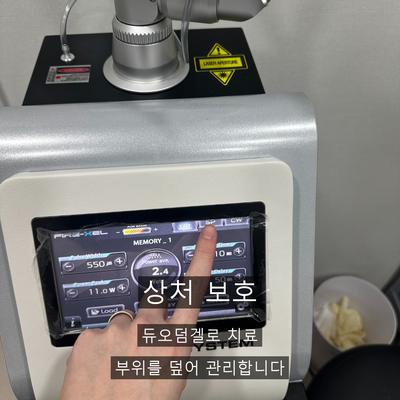
It is crucial to maintain a protective barrier over shallow wounds caused by laser procedures until they are fully healed.
At Kkeut Korean Medicine Clinic, we use Duoderm Gel instead of sticker-type dressings, effectively protecting the wound without the hassle of peeling off and reattaching.
Even those with allergic reactions to Duoderm stickers can use it relatively comfortably.
2. UV Protection and Moisturizing Care
The treated area may become temporarily sensitive, making it susceptible to post-inflammatory hyperpigmentation from UV exposure. Therefore, consistent use of sunscreen and moisturizer is recommended.
Maintaining a healthy skin barrier is a fundamental basis for managing wart recurrence.
3. Do Not Scratch or Irritate the Skin
It is best not to touch or pick at the treated area or its surroundings indiscriminately. Shaving or exfoliation should only be resumed after receiving sufficient guidance from the clinic.
It is safer for hygiene to use towels and cosmetic tools personally.
4. Observe for Signs of New Lesions
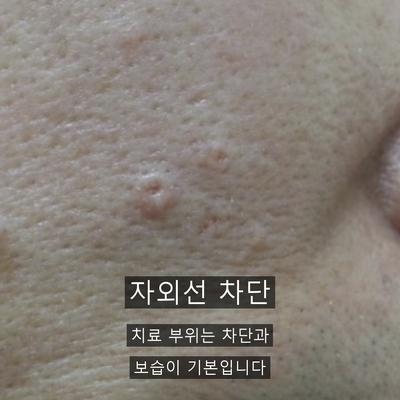
When new warts appear, they can be very small and similar in color to the skin, making them difficult to notice early on.
Periodically observe the same area through a mirror, and if even small changes are detected, it is advisable to visit a medical institution for confirmation.
Early detection can help the clinic compare with previous conditions, identify the extent of the lesions, and establish an appropriate treatment direction.
Our Kkeut Korean Medicine Clinic's Approach to Flat Wart Recurrence
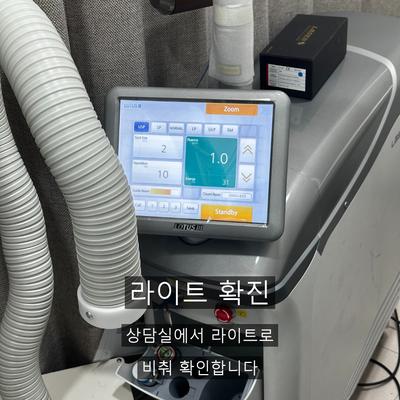
At Kkeut Korean Medicine Clinic, we carefully observe and diagnose lesions using a special light in the consultation room before planning the procedure.
This is because accurately distinguishing them from other similar-looking milia-like lesions is the first step in effective recurrence management.
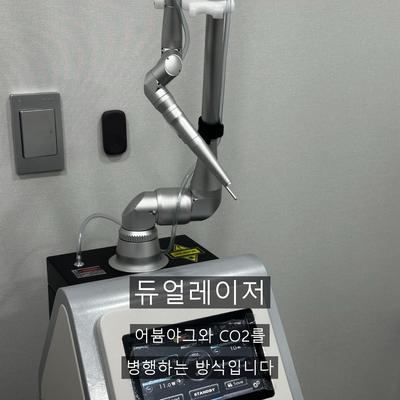
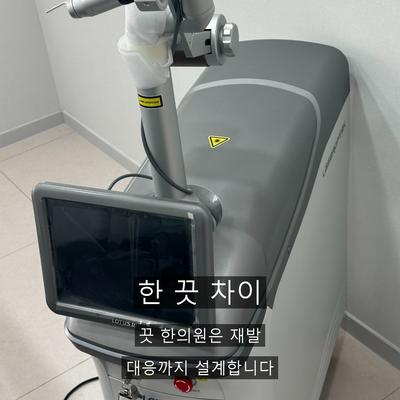
At Kkeut Korean Medicine Clinic, we utilize a dual-laser approach, combining both Er:YAG laser and CO2 laser.
This treatment approach leverages the surrounding thermal energy characteristics of the CO2 laser to consider not only visible lesions but also viruses that may be lurking invisibly in the surrounding areas.
Using only CO2 laser can prolong the recovery period, so it is our principle to combine it with an Er:YAG laser as needed.
At Kkeut Oriental Medicine Clinic, we develop treatment plans considering the possibility of recurrence.
If you choose unlimited procedures, touch-ups are included, so even if warts reappear, you can receive removal procedures without additional cost.
Understanding that viral diseases can recur, this system can be helpful for those concerned about recurrence.
When choosing a clinic for wart treatment, it's advisable to check not only the removal method but also the management plan in case of recurrence after the procedure.
Frequently Asked Questions
Q. Why do warts reappear after treatment?
A. Even if visible lesions have been removed, warts may reappear if latent viruses in the surrounding area, weakened skin barriers, or scratching habits persist.
Kkeut Oriental Medicine Clinic uses dual lasers to perform procedures, considering even surrounding latent areas.
Q. How should I manage wounds after wart treatment?
A. It is important to maintain a protective barrier until the wound at the treated site is completely healed. During this period, also pay attention to UV protection and sufficient moisturizing.
Kkeut Oriental Medicine Clinic uses Duoderm Gel to assist with wound management at the procedure site.
Q. Can I receive treatment again if warts recur?
A. If warts recur, it is possible to revisit and receive treatment again. Kkeut Oriental Medicine Clinic includes touch-up procedures with unlimited treatments.
Q. What habits should I be most careful about after wart treatment?
A. Habits such as scratching or picking at the treated area, or irritating it with shaving, should be avoided first and foremost.
Kkeut Oriental Medicine Clinic will inform you of the appropriate time to resume shaving or exfoliation in the consultation room.
Kkeut Oriental Medicine Clinic's Sincerity
At Kkeut Oriental Medicine Clinic, we strive to more accurately identify wart lesions through a light diagnostic stage before the procedure.
Kkeut Oriental Medicine Clinic performs procedures using both Er:YAG and CO2 dual laser methods.
Kkeut Oriental Medicine Clinic strives for procedural stability and wart improvement through its policy of including touch-ups for unlimited procedures and post-care using Duoderm Gel.
We hope that Kkeut Oriental Medicine Clinic's meticulous treatment provides a new experience in wart therapy.
Related notes
Procedure notes worth reading next.


Loading menu…