

Your Pre-Treatment Guide to Potenza for Acne Scars. Beomgye, Pyeongchon, Beomgye Station, Pyeongchon Station, Hogye-dong, Bisan-dong, Gwanyang-dong, Dongan-gu, Indeogwon, Geumjeong, Anyang
4/2/2026
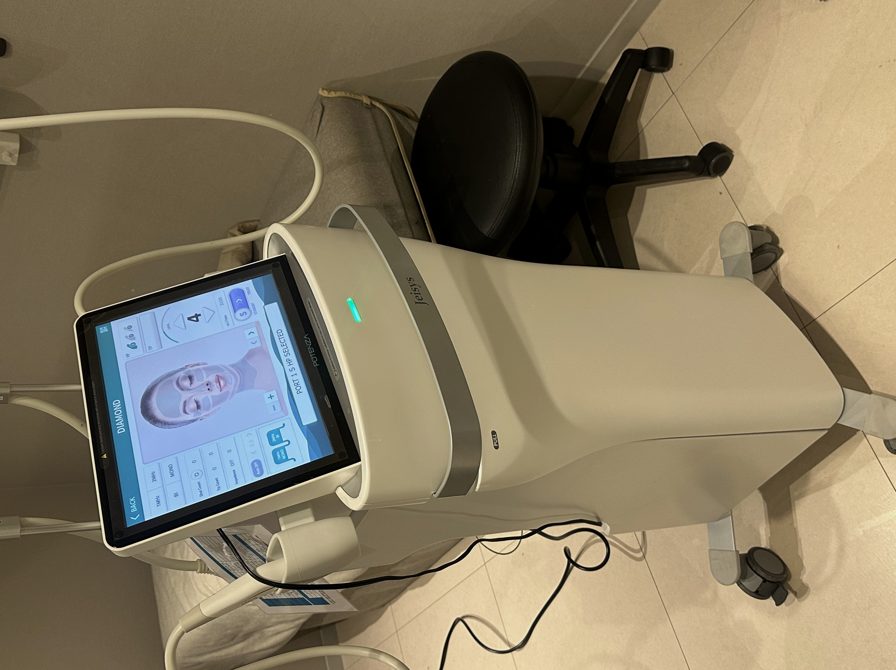
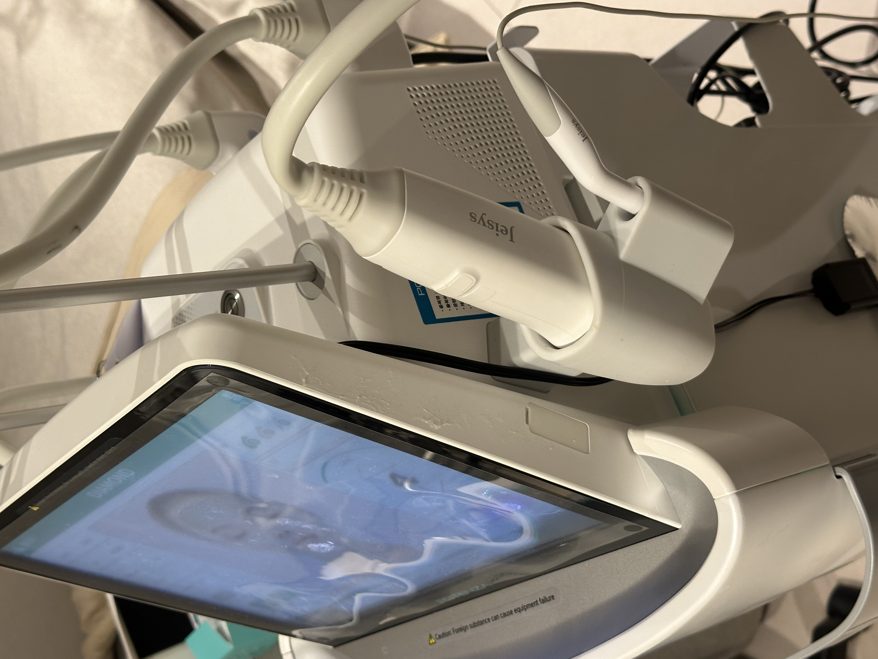
This is a procedure note for Your Pre-Treatment Guide to Potenza for Acne Scars. at Gyeonggi Anyang Beomgye KKEUT Korean Clinic.
Even after acne has completely cleared, if the skin texture remains uneven, many people feel uncomfortable for longer than expected.
This is because it cannot be hidden with makeup and appears more prominent depending on the lighting.
For these reasons, many people consider Potenza acne scar treatment, but when they actually try to start, questions like “how many sessions are needed?”, “how much pain is there?”, and “do different scar types respond differently?” all come up at once.
First, to give you the general direction, Potenza is a device that uses microneedles and radiofrequency together. This means it doesn't just skim the skin surface, but has the advantage of directly accessing the deeper layers where scars are repeatedly formed.
However, acne scars do not exist in only one form.
It is common to have a mixture of deep, icepick-like scars, wide and shallow scars, and generally uneven skin texture. Therefore, distinguishing the depth and distribution of scars during the consultation phase is very important.
Rather than blindly deciding based solely on the treatment name, first understanding “which layer of my skin needs to be addressed most prioritarily” is much more helpful for predicting results.
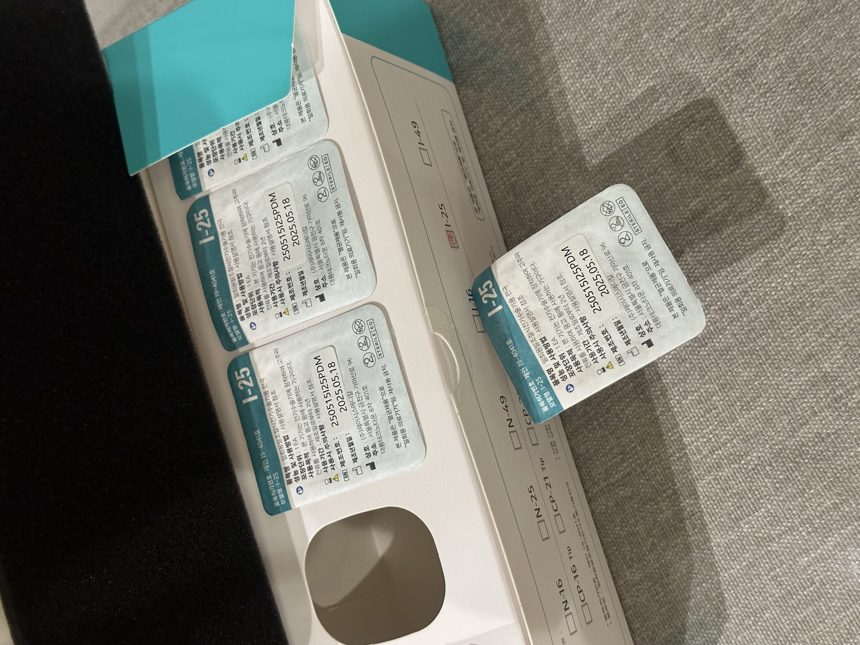
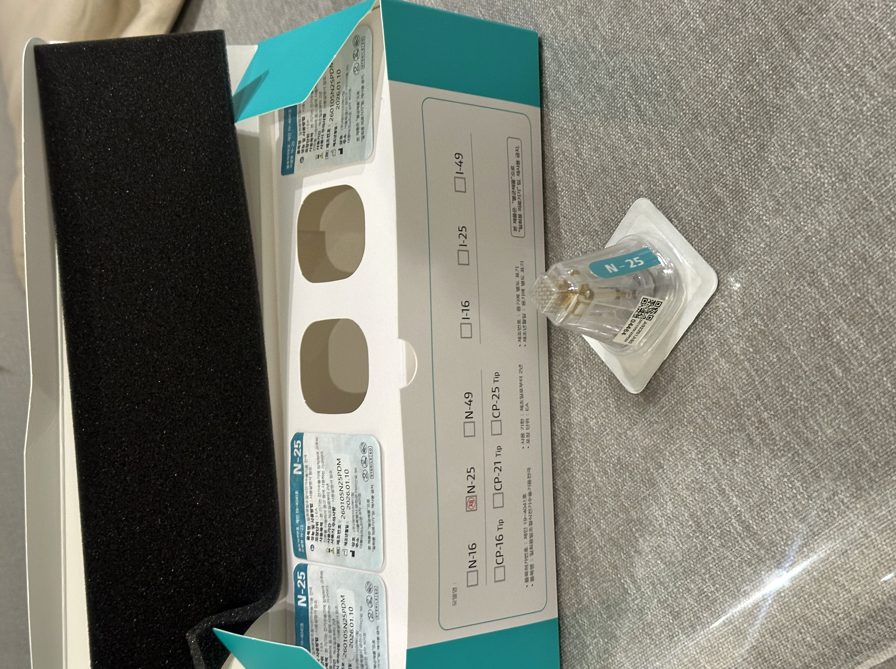
In fact, even with the same Potenza treatment, the perceived experience can vary greatly depending on the tip selection, energy intensity, shot distribution, and the nature of any accompanying skin boosters.
Therefore, if you approach it based only on event promotions without a consultation, expectations and reality may diverge.
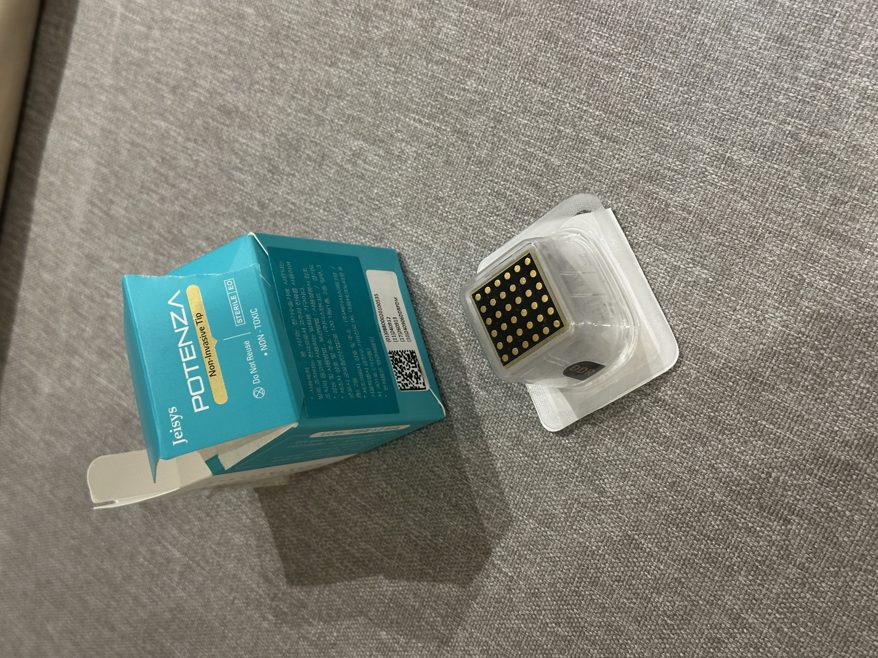
At this point, let's organize the explanation regarding Potenza acne scars in a more professional manner.
Potenza delivers radiofrequency energy after micro-needles penetrate the skin, allowing for more dense access to the target layer compared to methods that only stimulate the epidermis.
Specifically, it can be aimed at inducing irregular tissue rearrangement and collagen response around the scar, and if necessary, a strategy of combining it with skin boosters to improve skin texture and recovery is also possible.
Of course, not all scars change significantly in one go, and the speed can vary depending on the number and interval of repetitions, scar type, sebum secretion, and whether inflammation recurs.
The important point is that scar treatment is not good just by being strong; it must match the intensity that the skin can accept and a cumulative plan.
If the stimulation is excessive, recovery will be prolonged, and if it's too weak, it's difficult to achieve the desired changes.
Therefore, rather than rushing into an aggressive first treatment, a more realistic approach is to precisely tailor the intensity and number of shots to the skin's condition.
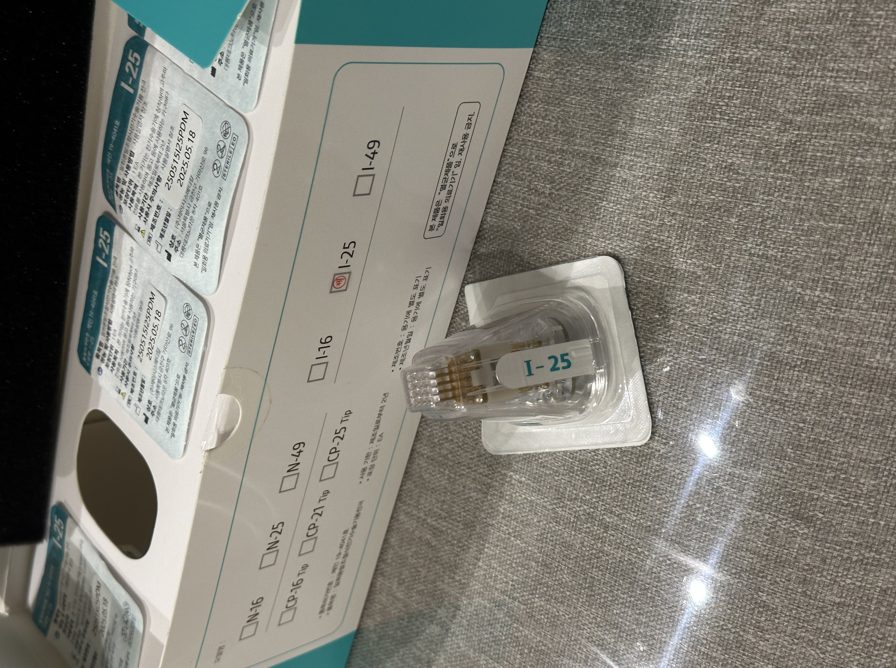
Let's also look at related evidence.
Summary of Related Papers/Evidence
1. Reviews on microneedle RF-based scar treatments conclude that repeated treatments can help improve skin texture and depressed scars, depending on the depth and shape of the acne scars.
However, there is significant individual variation in the degree of response, and it is considered difficult to uniformly improve all scars with a single treatment.
2. Research on devices combining microneedles and radiofrequency explains that while there are advantages in terms of tissue remodeling and inducing collagen response, treatment intensity, interval, and post-care significantly influence the results.
3. General guidelines for acne scar treatment also report that a scar-type specific approach is important. In other words, distinguishing scar types and designing combination strategies are more crucial for actual satisfaction than just the name of a single device.

Let's also clearly highlight the differentiating factors of Kkeut Korean Medicine Clinic.
Just because it's Potenza doesn't mean everyone performs the treatment in the same way.
Kkeut Korean Medicine Clinic always proceeds with treatment after a consultation with the director, makes medical staff consultation mandatory, and also puts great effort into operations that reduce waiting times.
Furthermore, we don't view Potenza as a standalone treatment. We prioritize operations that enhance absorption when combining it with skin boosters through a layering system, and meticulously distribute a sufficient number of shots to the areas of concern.
Ultimately, “where, how much, and in what order to treat” determines the results.
This difference is also evident in the actual consultation process. It's important whether they explain by differentiating uneven areas and rough-textured areas rather than lumping the entire skin together, whether they first determine if combination treatment is truly necessary, and whether they honestly explain pain and recovery periods. A place that clearly states the achievable range for your current skin, rather than providing overly exaggerated explanations, is more trustworthy.
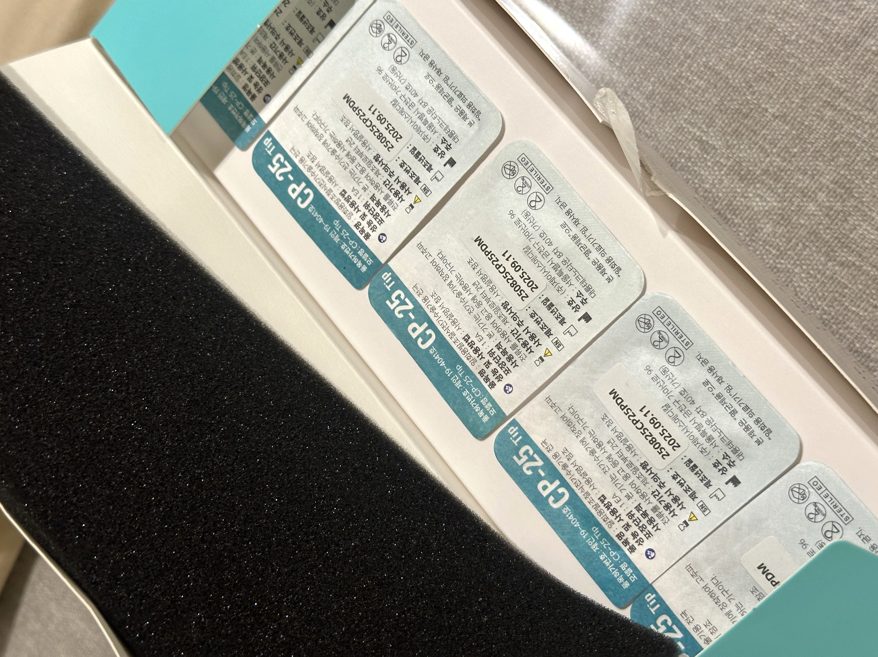
If you are considering Potenza acne scar treatment, it's best to look not only at “whether it's a strong device or not,” but also at scar type differentiation, energy design, repetition plans, and combination strategies.
This way, your expectations won't be shaken after the first treatment, and you won't unnecessarily change direction midway.
QnA Summary
Q1. Can acne scars significantly improve with just one Potenza session?
A1. While some textural changes may be noticed, typically, a repeat plan is needed depending on the scar type and depth.
Q2. Is the pain severe?
A2. It varies depending on the area and intensity, but the perceived pain can differ depending on anesthesia and energy adjustment.
Q3. What criteria should I use to choose a clinic?
A3. It's advisable to check if the consultation explains different scar types, and if they provide evidence for why combination therapy is necessary.
Related notes
Procedure notes worth reading next.


Loading menu…