

Why Scars Remain After Mole Removal Beomgye, Pyeongchon, Beomgye Station, Pyeongchon Station, Hogye-dong, Bisan-dong, Gwanyang-dong, Dongan-gu, Indeogwon, Geumjeong, Anyang
5/26/2026
This is a procedure note for Why Scars Remain After Mole Removal at Gyeonggi Anyang Beomgye KKEUT Korean Clinic.
More people than you might think have experienced scarring after mole removal.
It's often confusing whether mole removal scars are due to the procedure itself or post-procedure care.
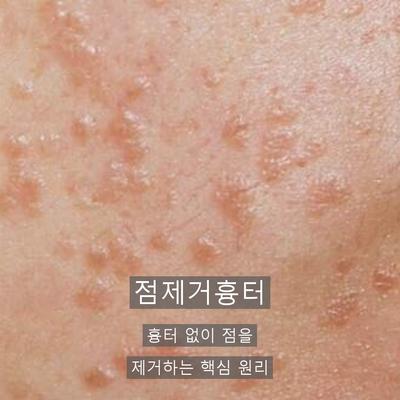
To get straight to the point, there are three main reasons why scars can form.
Three Causes of Scarring
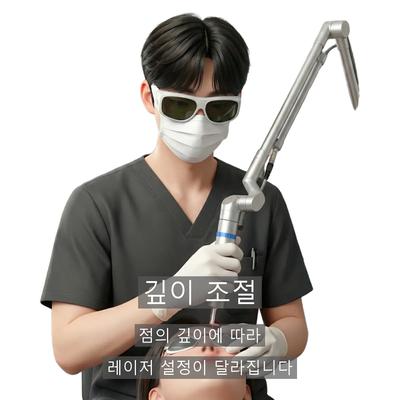
The first is laser depth and power control.
Some moles are located on the epidermis, while others have roots deep into the dermal layer.
If all moles are removed with the same power, shallow moles receive excessive energy, damaging surrounding tissues.
Conversely, if there's insufficient power for deep moles, mole cells may remain, leading to recurrence or hyperpigmentation.
The second is the method of hemostasis.
Removing moles with a laser can cause minor bleeding.
If this bleeding is not properly managed, the treated surface can heal unevenly, increasing the risk of scarring.
The third is insufficient post-procedure care.
If the treated area becomes dry or is exposed to UV light after the procedure, the likelihood of hyperpigmentation and scar formation significantly increases.
How Kkeut Korean Medicine Clinic Minimizes Mole Removal Scars
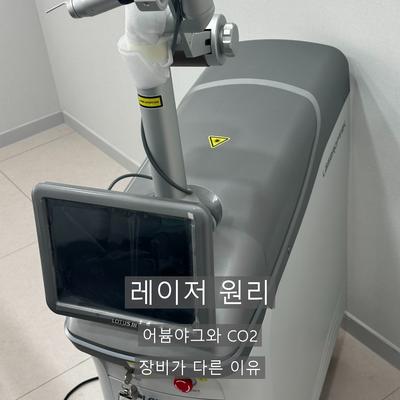
At Kkeut Korean Medicine Clinic, we use both Er:YAG and CO2 lasers.

There's a reason we combine these two devices.
Er:YAG has a high water absorption rate, which is advantageous for precisely vaporizing skin tissue.
Mole removal is primarily performed with Er:YAG to minimize damage to surrounding tissues, while CO2 is used concurrently for hemostasis.
When hemostasis is clearly achieved, the treated surface is neatly managed, reducing the possibility of scarring during the recovery process.
Post-Procedure Care Determines Mole Removal Scars
After the procedure, wound care is crucial in determining whether scars will form.
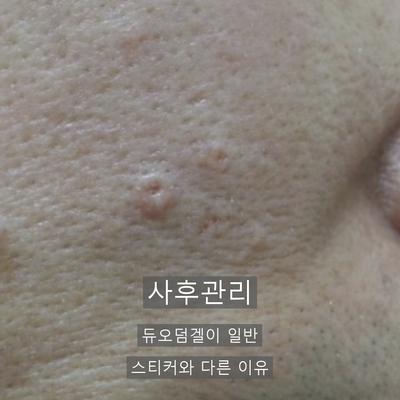
At Kkeut Korean Medicine Clinic, we use DuoDerm Gel, not regular DuoDerm stickers.
Being a gel type, it avoids the irritation caused by peeling and sticking, unlike stickers.
Even those with allergies to DuoDerm stickers can comfortably use the gel type.
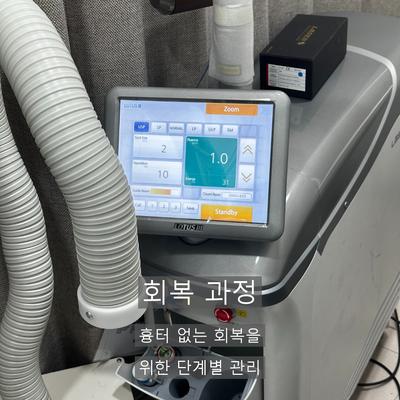
Consistently maintaining a moist dressing prevents the wound area from drying out and allows for smooth skin regeneration.
If this process is not properly managed, mole removal scars may appear darker than expected.
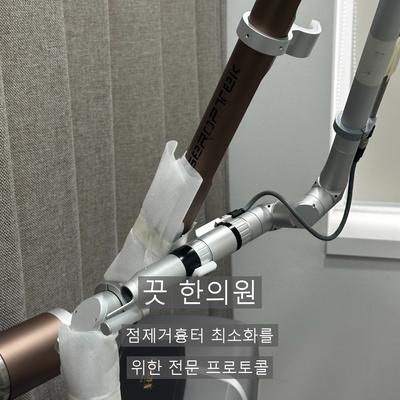
At Kkeut Korean Medicine Clinic, we can perform procedures even on challenging areas such as raised moles or those near the eyes.
If a mole suspected of being malignant is found, we do not proceed with a simple cosmetic procedure; instead, we immediately refer the patient to a higher medical institution.
Safety protocols come first.
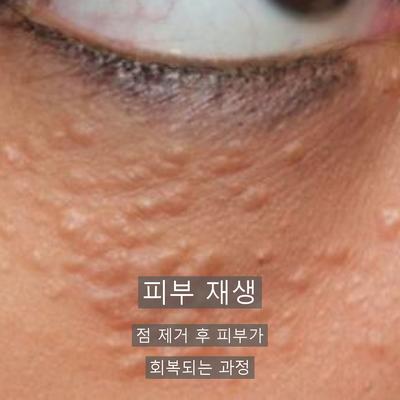
Frequently Asked Questions
Q. Do mole removal scars always occur?
A. Mole removal scars do not always occur. In most cases, if laser power and depth settings, hemostasis, and post-procedure care are properly managed, recovery can happen without scarring.
Q. What kind of post-procedure care is important to prevent mole removal scars?
A. Maintaining moist dressings and UV protection are key to preventing mole removal scars. It's crucial to keep the treated area from drying out and to diligently protect against UV rays to prevent hyperpigmentation.
Q. Which device should I choose to minimize mole removal scars?
A. The operating method is more important than the choice of device. At Kkeut Korean Medicine Clinic, we use Er:YAG and CO2 lasers selectively according to their purpose, aiming to minimize downtime while ensuring a clean treated surface.
Q. Can raised moles or moles near the eyes also be removed without scarring?
A. At Kkeut Korean Medicine Clinic, we can treat challenging areas such as raised moles and moles near the eyes. We adjust the laser power and approach direction according to the specific characteristics of each area, thereby minimizing the risk of mole removal scars.
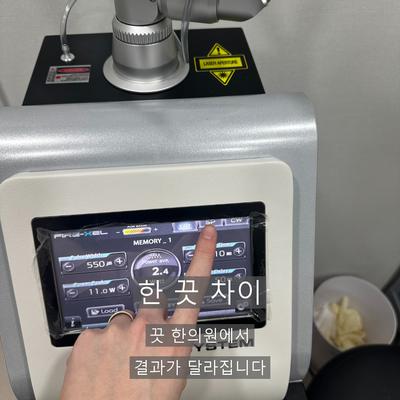
Kkeut Korean Medicine Clinic's Commitment
Kkeut Korean Medicine Clinic primarily uses Er:YAG for treatment and concurrently uses CO2 for hemostasis to ensure a clean treated surface and minimize mole removal scars.
Kkeut Clinic provides post-care with Duoderm gel to help your skin regenerate stably during the wound healing process.
Kkeut Clinic addresses challenging areas such as raised moles and near the eyes, and operates a safety protocol that immediately refers suspected malignant lesions to specialized institutions.
A subtle difference, a remarkable result — Experience it at Kkeut Clinic.
Related notes
Procedure notes worth reading next.


Loading menu…