

3 Reasons Why Full Body Hair Removal Sessions Differ by Area Beomgye, Pyeongchon, Beomgye Station, Pyeongchon Station, Hogye-dong, Bisan-dong, Gwanyang-dong, Dongan-gu, Indeogwon, Geumjeong, Anyang
This is Gyeonggi Anyang Beomgye KKEUT Korean Clinic's procedure note on 3 Reasons Why Full Body Hair Removal Sessions Differ by Area.
One of the most frequently asked questions when planning full-body hair removal is why different recommended session counts are given for different areas.
Even when using the same laser equipment, the arms, legs, armpits, and face are each recommended a different number of sessions, and there's a clear reason for this.
Since the hair characteristics and skin properties differ by area, such as the face, armpits, limbs, and Brazilian, it is difficult to unify the session count to a single standard.
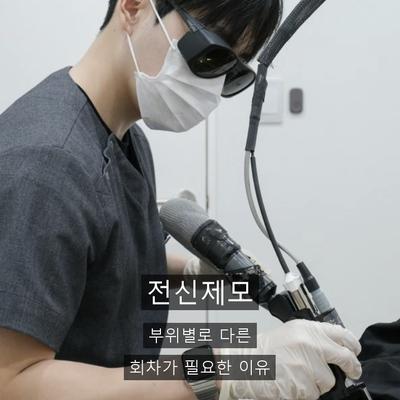
The first reason is the regional difference in hair growth cycles.
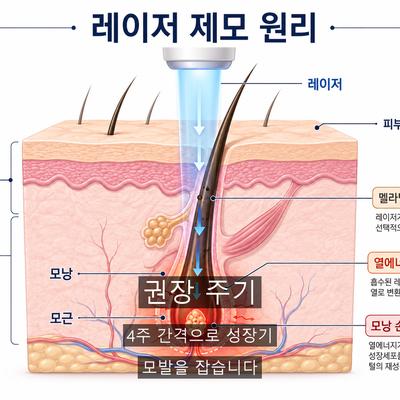
Laser hair removal works on the principle that energy is selectively absorbed by melanin in the hair follicle, destroying the hair root.
At this time, the laser effectively reacts only to hair follicles that are in the anagen (growth) phase.
The problem is that not all hair on the body is simultaneously in the anagen phase.
The ratio of anagen to telogen (resting) hair varies by area, so only some of the actively growing hair follicles are destroyed in a single session.
Telogen hair follicles that the laser does not recognize will only react in the next session after they have transitioned to the anagen phase over time.
For this reason, it is necessary to consistently target anagen hair follicles as they sequentially emerge through repetitive treatments for each area.

The second reason is the difference in hair thickness and density by area.
Thick and dark hair, like a beard, has a high melanin content, so it responds well to the laser, but because its structure is thick, more energy and sessions are needed to deliver heat evenly to the hair root.
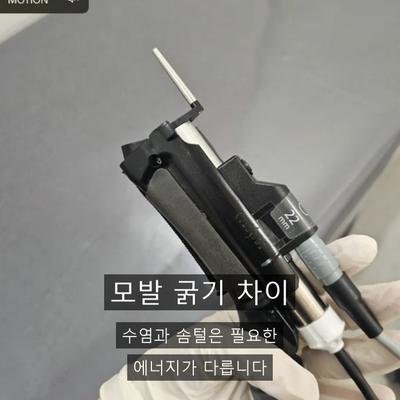
Conversely, areas with fine, soft vellus hair, such as the arms and legs, have relatively less melanin content, so the degree of reaction in a single session is weaker.
For special areas like Brazilian waxing, where hair is thick and skin is sensitive, pain and energy control must be considered together, which also influences session planning.
For this reason, the male beard area may require 20 or more sessions over a period of 1 year or more, while other body areas are often recommended for a minimum of 10 sessions.
Knowing the exact session standards for each area before starting is crucial to avoid giving up mid-treatment and to complete the process.
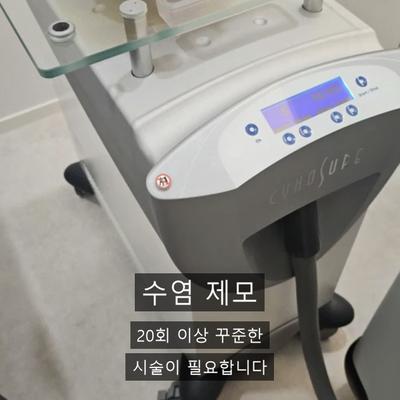
The third reason is the skin area per region and the recommended treatment cycle for full-body hair removal.
For full-body hair removal, the treatment time increases proportionally with the size of the area, and the procedure also changes.
Considering the skin cell regeneration cycle, treatments should be performed at intervals of at least 3 weeks, preferably 4 weeks, to allow time for new anagen hair to develop.
If the treatment cycle is too short, hair follicles still in the resting phase may also be treated, reducing efficiency, and if it's too long, a habit of plucking already grown hair can easily develop, which may actually increase the number of sessions.
One common misconception when undergoing full-body hair removal is the belief that applying anesthetic cream will completely eliminate pain.
Anesthetic ingredients primarily act on the skin surface and do not reach deep into the hair root, so anesthetic cream largely serves for psychological comfort.
The actual sensation of pain is similar to holding an ice pack before treatment, and as sessions progress and hair decreases, the perceived pain tends to decrease as well.
During the laser hair removal period, avoid plucking hair.
If you pluck, the hair root that the laser would target disappears, nullifying the effect in that spot.
Folliculitis may occur, but this is a natural reaction as heat is directly delivered to the hair follicles, and it improves over time with the application of a regenerative cream.
Hair removal results vary greatly depending on how precisely the hair characteristics of each area are reflected.
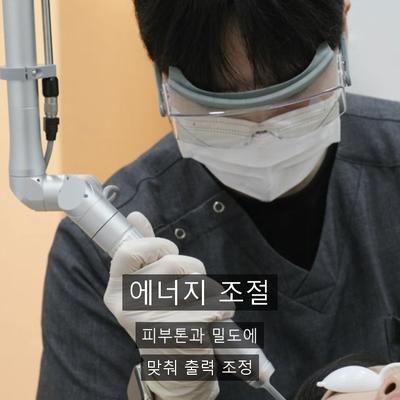
Kkeut Clinic designs different pulse durations considering the differences in hair thickness and melanin content by area.
For thick, dark hair, which has a high melanin content, applying a short pulse can cause rapid energy absorption and risk epidermal damage. Therefore, Kkeut Clinic uses long pulses to deliver heat gently, protecting the epidermis while delivering energy to the hair root.

The results only possible at Kkeut Clinic come from adjusting the energy density differently for each area.
For areas with dense hair, energy is efficiently dispersed during treatment to prevent burns from overheating, and for darker skin tones, the output is precisely adjusted to prevent melanin-related side effects.
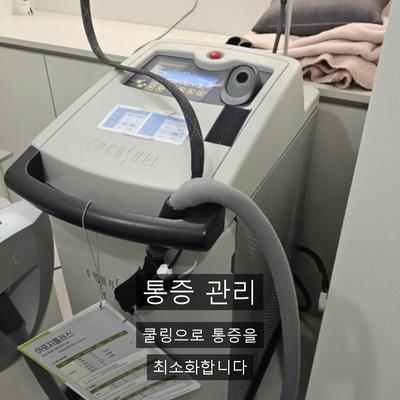
The cooling method of the equipment also affects the convenience of treatment for each area.
The continuous air cooling method has the advantage of maintaining a constant flow of cool air before and after laser irradiation, minimizing skin irritation.
Kkeut Clinic reconfirms if any additional areas are needed before concluding the treatment and only finishes the session after the customer's final approval.
If there's a specific area of concern, a method of more precisely concentrating energy on that area is also applied.
Kkeut Clinic's unique differentiated treatment know-how lies in reducing pain and achieving clear results through verified high-end equipment like Apogee and GentleMax.

Frequently Asked Questions
Q. How many full-body hair removal sessions do I need in total?
A. Full-body hair removal varies by area, but is generally recommended for a minimum of 10 sessions, and thicker areas like beards may require 20 or more sessions.
Q. How often should I receive full-body hair removal treatments?
A. Full body hair removal should be performed at intervals of at least 3 weeks, and preferably 4 weeks, considering the skin cell regeneration cycle, to ensure no new anagen hairs are missed.
Q. Can I shave during full body hair removal?
A. Shaving is possible during the full body hair removal period, and it is recommended to do so starting from the day after the procedure rather than on the day of the procedure. However, plucking hair should be avoided as it removes the hair follicle, reducing the effectiveness.
Q. Is full body hair removal very painful?
A. Full body hair removal feels similar to holding an ice pack, and Kkeut Oriental Clinic informs patients that the perceived pain decreases with each subsequent session.
The Sincerity of Kkeut Oriental Clinic
Kkeut Oriental Clinic provides differentiated results by precisely designing the pulse duration and energy density for each area.
Kkeut Oriental Clinic enhances patient satisfaction through an unlimited responsibility system that obtains the client's final approval before the end of the procedure.
Kkeut Oriental Clinic simultaneously pursues safety and effectiveness through verified high-end equipment such as Apogee and GentleMax.
A subtle difference, a different result — Experience it at Kkeut Oriental Clinic.
Related notes
Procedure notes worth reading next.


Loading menu…