

3 Things You Need to Know Before Starting Self-Hair Removal (Self-Hair Removal, Part 2) Beomgye, Pyeongchon, Beomgye Station, Pyeongchon Station, Hogye-dong, Bisan-dong, Gwanyang-dong, Dongan-gu, Indeogwon, Geumjeong, Anyang
This is Gyeonggi Anyang Beomgye KKEUT Korean Clinic's procedure note on 3 Things You Need to Know Before Starting Self-Hair Removal (Self-Hair Removal, Part 2).
Many people consider self-hair removal because they can start the treatment at a convenient time at home.
There are three criteria to know in advance when purchasing or first using a device, which can reduce unnecessary trial and error.
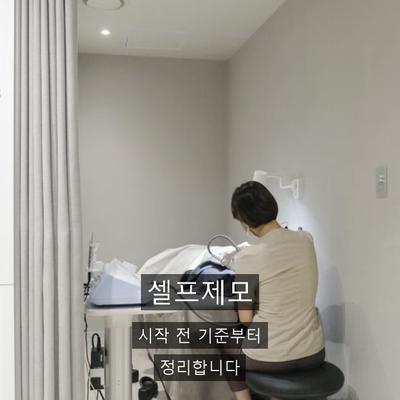
Criterion 1: Hair Thickness and Skin Tone Combination
Laser or light energy used in hair removal treatments is based on the principle that melanin pigment in the hair absorbs heat.
The thicker and darker the hair, the higher the heat energy absorption rate, and the better the response. Conversely, if the hair is thin and light, the response may feel less pronounced even with the same intensity.
For those with darker skin tones, the melanin in the skin itself can also absorb laser heat. Therefore, particular care must be taken when adjusting the output intensity during treatment.
Fine facial hair, beards, underarm or leg hair, or hair in sensitive areas all have different characteristics. Therefore, it may be difficult to adequately address all areas with a single setting.
Commercially available self-hair removal devices have an output range set considering general use environments. Therefore, it is important to check in the user manual whether your hair thickness and skin type match the device's applicable range before use.
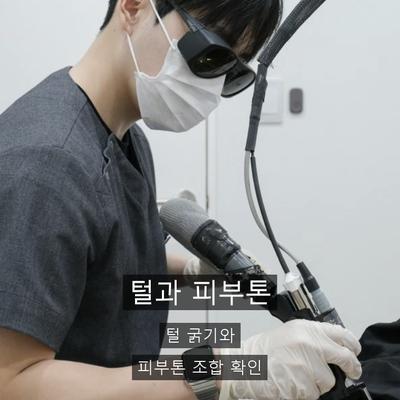
Criterion 2: Hair Growth Cycle and Expectations
Laser or light energy most effectively reacts to hair follicles in the anagen (growth) phase, where melanin production is active.
The timing of hair entering the growth phase varies by individual and is difficult to predict. Therefore, it is challenging to effectively treat all hair follicles with a single session.
For this reason, most areas typically require a minimum of 10 treatment sessions. It is generally recommended to schedule sessions at intervals of at least 3 weeks, preferably 4 weeks.
Before starting hair removal, setting goals for how much hair reduction you'd be satisfied with, or whether you can consistently undergo treatment for several months, helps prevent inconsistencies in your regimen.
True permanent hair removal, where hair never grows back, is difficult to expect. It is more realistic to consider semi-permanent hair removal as the goal. Even after hair has reduced to some extent, it is advisable to consider maintenance treatments about once every 2-3 months.
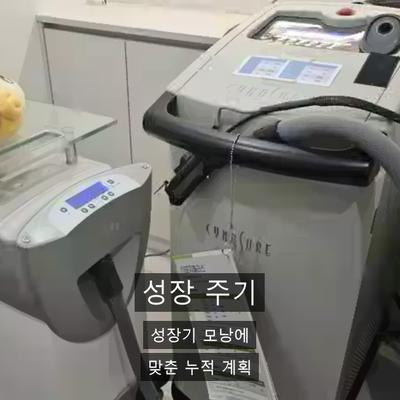
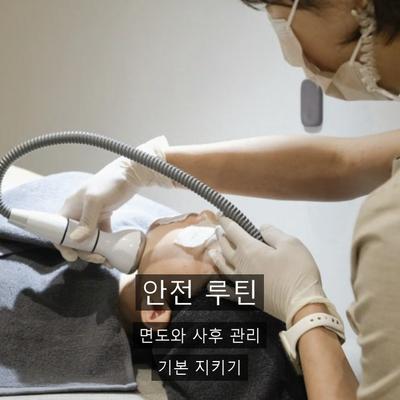
Criterion 3: Safety and Aftercare Routine
Shaving before treatment is essential. If hair is long, laser energy can be dissipated on the surface, increasing the risk of burns and potentially preventing sufficient energy from reaching the hair root.
If hair is plucked, the hair root targeted by the laser will be removed. Therefore, plucking hair should be avoided during the hair removal period.
For 1-2 days after treatment, it is best to avoid activities that generate heat in the body, such as excessive exercise, saunas, and alcohol consumption.
We recommend shaving starting from the day after treatment, once the skin has sufficiently calmed down, rather than on the day of the treatment. Since warmth has been delivered to the hair follicles, redness or folliculitis may occasionally appear, so it's good to manage the skin with a regenerating cream.
Before using the device, it is advisable to perform a test shot on a small area and check the skin reaction for about a day. This is a basic safety procedure also outlined in the user manual.
Self-hair removal devices can be used effectively if the precautions in the user manual are strictly followed. However, areas with wounds, moles, tattoos, or sensitive skin may be difficult for individuals to assess on their own, so it is essential to check the exclusion criteria separately.
Difference in Roles Between At-Home and Clinic Hair Removal
Self-hair removal offers the advantage of consistent management in daily life. Clinic hair removal, on the other hand, provides the benefit of customized settings tailored to an individual's hair condition and skin tone, and the ability to directly monitor skin reactions during the procedure.
These two hair removal methods serve different purposes rather than competing with each other. If you attempt self-hair removal but feel limitations due to specific areas or hair thickness, it is a good idea to seek professional consultation at a clinic.
Keeping a record of the type of device used, output intensity, and the date you started hair removal can be useful reference material when consulting a clinic in the future.
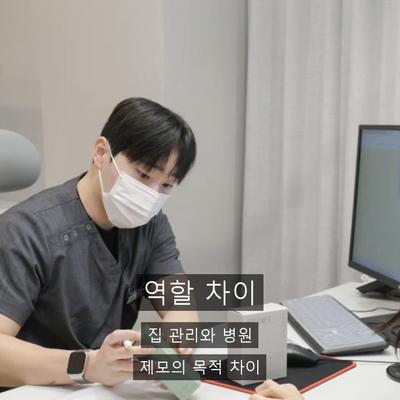
Kkeut Oriental Clinic applies the 3 criteria exactly as discussed during consultation before treatment begins.
At Kkeut Oriental Clinic, we meticulously assess the patient's hair thickness, density, and skin tone. Based on this, we plan treatments by setting different pulse durations and energy densities tailored to the specific characteristics of each area.
For thick hair, we use longer pulses to ensure heat is evenly delivered to the hair root without excessive concentration on the skin surface. Conversely, for fine and light hair, we adjust the energy or use repeated passes to effectively deliver heat to the hair root.
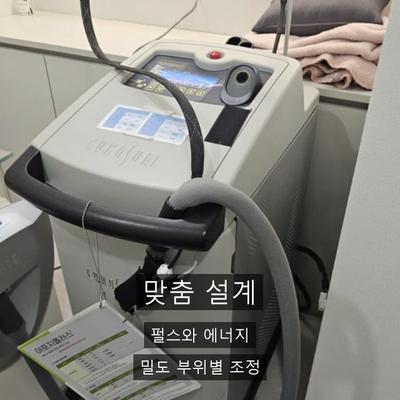
In areas with dense hair growth, energy is dispersed to avoid excessive heat accumulation. Furthermore, for darker skin tones, we carefully adjust the output within a safe range to minimize the risk of side effects.
Before treatment, we check the patient's shaving status and whether they have recently plucked hair to determine the appropriate starting time for the procedure. Treatment intervals are usually planned for a minimum of 3 weeks, with 4 weeks being recommended.
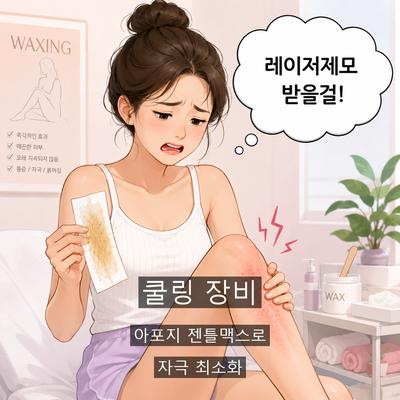
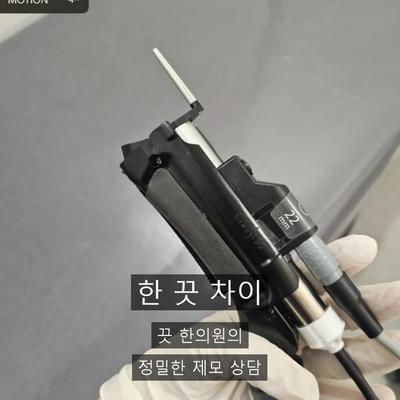
Kkeut Oriental Clinic uses equipment such as Apogee and GentleMax. Apogee continuously sprays cool air before and after treatment to help reduce skin irritation. GentleMax uses cooling gas to cool the skin, providing comfort.
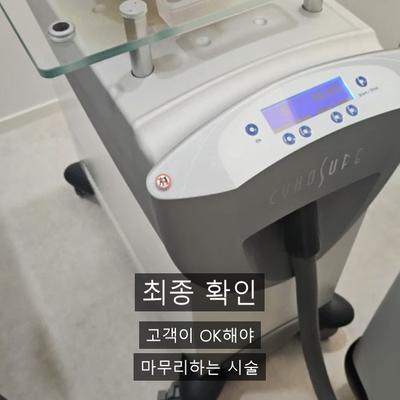
At Kkeut Oriental Clinic, we operate on the principle of completing treatment only with the patient's consent.
Before concluding the treatment, we check with the patient if any additional areas require attention. We finalize the procedure only after obtaining the patient's final consent.
Areas of concern can differ from person to person. At Kkeut Oriental Clinic, we strive to focus energy more meticulously on these individual areas of concern during treatment.
Frequently Asked Questions
Q. Can I switch from using a self-hair removal device to clinic hair removal?
A. You can switch from self-hair removal to clinic hair removal at any time. However, immediately after plucking or waxing, there may not be enough hair roots for the laser to react to. Therefore, we recommend consulting us after only shaving. At Kkeut Oriental Clinic, we first review your previous hair removal history during the consultation.
Q. Is anesthetic cream absolutely necessary before self-hair removal?
A. Even if you are concerned about pain during self-hair removal, anesthetic cream is not essential. Anesthetic cream primarily works only on the skin surface and is unlikely to affect the hair root. The pain during laser hair removal can feel similar to applying ice. At Kkeut Oriental Clinic, we use cooling air during treatment to help alleviate discomfort.
Q. Is permanent hair removal possible with self-hair removal?
Whether it's self-hair removal or hair removal at a medical institution, complete permanent hair removal, where hair never grows back for a lifetime, is realistically difficult. The goal of the treatment is to achieve semi-permanent effects through long-term hair growth suppression and reduction. If the results of your self-hair removal are unsatisfactory, it's advisable to first check the hair growth cycle and the number of treatments. At Kkeut Korean Medicine Clinic, we generally recommend a consultation based on 10 or more sessions for effective management.
The Value of Hair Removal at Kkeut Korean Medicine Clinic
At Kkeut Korean Medicine Clinic, we meticulously analyze the customer's hair thickness and skin tone, then precisely adjust the pulse duration and energy density accordingly. Through this customized approach, we strive to achieve more effective results.
At Kkeut Korean Medicine Clinic, we communicate thoroughly with patients before and after treatment to carefully check for any discomfort or additional areas of concern. When necessary, we take even more meticulous measures in those areas to ensure a highly satisfying experience.
At Kkeut Korean Medicine Clinic, we perform treatments using medical hair removal equipment such as Apogee and GentleMax. By adjusting the appropriate energy considering the characteristics of each area and skin condition, we strive to achieve effective results safely.
Through management with a meticulous approach, Kkeut Korean Medicine Clinic is making efforts for better results.
Related notes
Procedure notes worth reading next.


Loading menu…