

Facial scar treatment: What types of scars is Juvelook most suitable for? Beomgye, Pyeongchon, Beomgye Station, Pyeongchon Station, Hogye-dong, Bisan-dong, Gwanyang-dong, Dongan-gu, Indeogwon, Geumjeong, Anyang
9/14/2026
This is a procedure note for Facial scar treatment: What types of scars is Juvelook most suitable for? at Gyeonggi Anyang Beomgye KKEUT Korean Clinic.
Many people consider facial scar treatment, but scars are categorized differently based on their cause and shape.
Even scars that appear similar can require different treatment methods depending on their type.
Before starting facial scar treatment, it's crucial to accurately identify the specific shape of your scar.
The first step in a facial scar treatment consultation is to classify the specific shape of the scar.
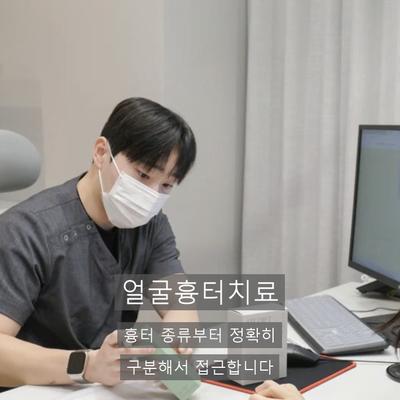
Scars caused by acne can generally be divided into three main types.
These are the icepick type, which are narrow and deep like an ice pick; the boxcar type, which are clearly bordered and broadly depressed; and the rolling type, which have gentle borders and a wavy appearance.
All three of these types commonly result in depressed skin due to collagen damage in the dermis.
Depressed scars tend to appear shadowed or uneven because collagen doesn't sufficiently fill the area where tissue has been lost.
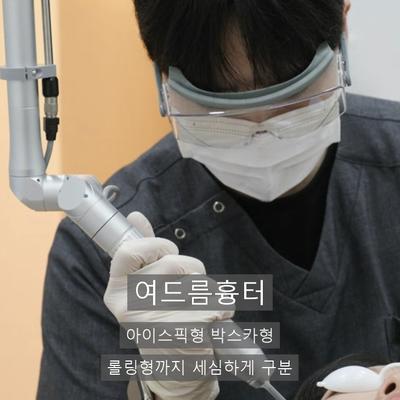
In addition to acne scars, scars are also classified as those resulting from trauma or surgery, and raised scars that elevate above the skin, such as keloids or hypertrophic scars.
Since depressed atrophic scars and raised hypertrophic scars have different tissue reactions, their treatment approaches must also be planned differently.
At Kkeut Clinic, during facial scar treatment consultations, we first classify the scar's shape by examining photos and performing a palpation to feel the scar directly.
If the scar shape is misidentified and the treatment direction is set incorrectly, the improvement may be slower, or the desired changes may be difficult to achieve.
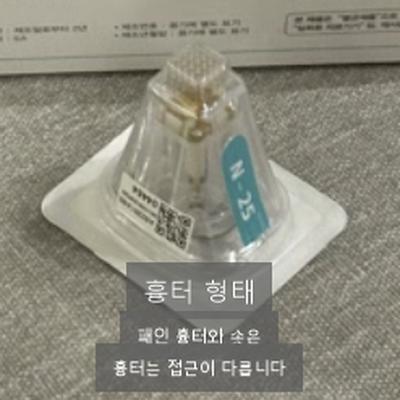
The necessary ingredients may vary depending on the scar shape
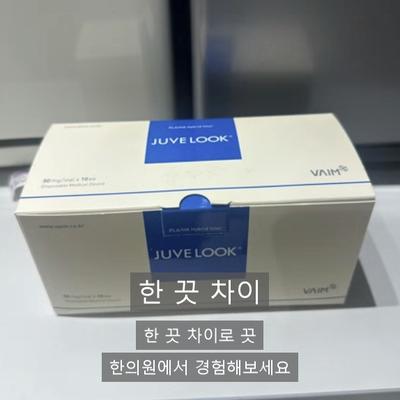
Juvelook is a type of skin booster that stimulates collagen production by injecting PLLA into the dermal layer.
This can be considered for depressed atrophic scars caused by collagen deficiency, namely icepick, boxcar, and rolling acne scars.
Especially among atrophic scars, icepick types, due to their narrow and deep nature, require collagen to be filled over multiple sessions to expect satisfactory changes.
Conversely, raised scars like keloids, where tissue has overgrown excessively, may require a different treatment plan than simply filling with collagen.
Rolling scars, with their soft borders, sometimes show a relatively quick response, but this can also vary by individual.
The reason Juvelook is recommended even when pores are enlarged or fine wrinkles are present is that it generally strengthens collagen production in the dermal layer.
If fine wrinkles, enlarged pores, and depressed scars appear simultaneously on the face, they often share a common cause: collagen deficiency.
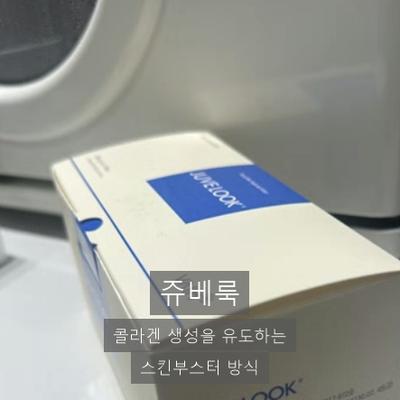
Even among different types of skin boosters, there can be differences in ingredients and their mechanisms of action.
For inflammatory skin problems, ingredients with soothing effects are usually prioritized, but for existing depressed scars, ingredients that strongly promote collagen synthesis may be necessary.
Juvelook has a good collagen synthesis-inducing effect among skin boosters, making it a suitable choice when aiming for scar improvement.
During consultation, the decision to apply Juvelook is made by considering not only the scar's shape but also pore condition and skin elasticity.
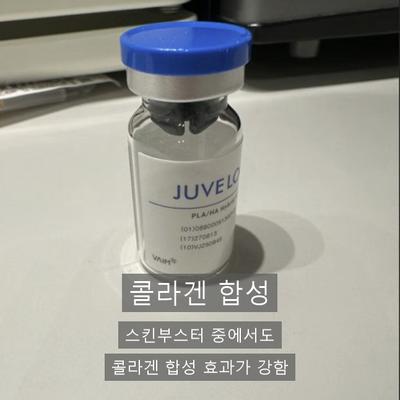
Juvelook utilizes a method that does not directly use injections
Juvelook treatment proceeds by first creating micro-channels in the skin using a pumping tip or Needle RF device, rather than a manual injection method, and then applying the medication.
Juvelook treatment involves extracting the required amount, adjusting the application volume, and opening channels only as needed in each area to allow the medication to absorb.
This is a deliberate method designed to reduce the possibility of nodule formation and variations in dermal absorption that can occur with injection procedures.
This method, which lowers the risk of nodule formation, can be applied to sensitive or prominent areas like the face with relatively less burden.
Since it's a procedure that doesn't cause significant damage to the skin surface, it's relatively less painful and requires less intensive post-treatment care.
As it's a method with minimal skin surface damage, you may not experience significant difficulty with washing your face or applying light makeup from the day after the procedure.
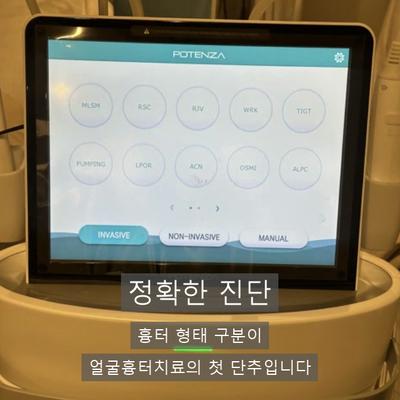
Before deciding on facial scar treatment, it's helpful to confirm when the scar first appeared and whether its cause was acne or trauma.
Since the treatment direction can vary depending on the cause of the scar, sharing any previous treatment history during your consultation will help with accurate diagnosis.
The starting point of facial scar treatment is distinguishing scar types
Frequently Asked Questions
Q. Is facial scar treatment performed the same way regardless of the scar type?
A. No, it is not. Facial scar treatment varies depending on whether it's a depressed atrophic scar or a raised hypertrophic scar. If treatment begins without first distinguishing the scar type, the results may differ from what is expected. At Kkeut Clinic, we first diagnose the scar's shape before determining the treatment direction.
Q. Can acne scars also expect improvement with facial scar treatment?
A. Icepick, boxcar, and rolling acne scars all result from dermal collagen damage, so improvement can be expected through facial scar treatment. However, the number of sessions required may vary individually depending on the scar's depth and extent.
Q. Is Juvelook facial scar treatment generally painful?
A. Kkeut Korean Medicine Clinic utilizes a method where, instead of direct injection, a fine channel is first created to apply ingredients when treating facial scars with Juvéluk. This can reduce the burden of pain. Since it does not cause deep wounds on the skin surface, there is generally no significant problem in returning to daily life immediately after the procedure.
Q. How many treatment sessions does it take to see a change in facial scar treatment?
A. The depth and area of scars vary from person to person. Since facial scar treatment is a process that induces collagen production in the skin, gradual improvement can be expected through multiple cumulative sessions rather than a single treatment. It is advisable to check the estimated number of sessions you need in advance when consulting with a specialist.
Q. How are facial scars diagnosed before treatment?
A. Prior to facial scar treatment, during the consultation, we first visually inspect the scarred area and palpate it directly to identify the type of scar. This is a process of accurately distinguishing whether it is an atrophic scar or a raised scar. If necessary, photo records may be kept to objectively verify the changes before and after the procedure.
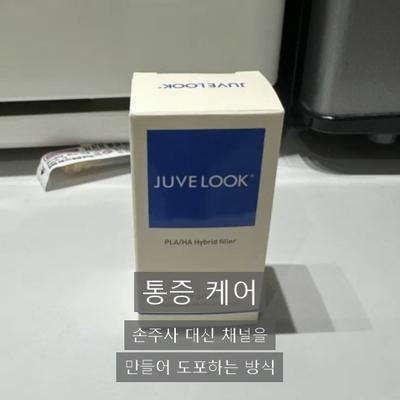
Kkeut Korean Medicine Clinic's Treatment Principles
At Kkeut Korean Medicine Clinic, we carefully select and apply ingredients that aid collagen production according to the shape and cause of the scar. Through this, we aim to help improve scars in a way that is appropriate for each patient.
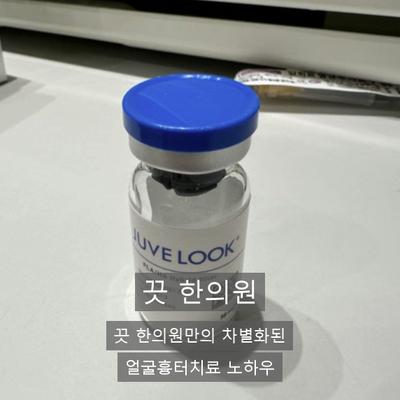
At Kkeut Korean Medicine Clinic, instead of using a syringe directly, we create fine channels with a pumping tip or needle RF device and then apply the medication. Through this method, we strive to reduce the possibility of nodule formation that may occur after the procedure and to lessen the burden on patients regarding the treatment.
At Kkeut Korean Medicine Clinic, we prepare the exact amount of medication before the procedure and guide patients to verify it themselves. This is our principle to ensure safe treatment and help achieve the desired results.
With sincere and dedicated care — Kkeut Korean Medicine Clinic will be with you.
Related notes
Procedure notes worth reading next.


Loading menu…