

Choosing an Ultherapy Clinic: Be Sure to Check These! (3 Key Criteria) Beomgye, Pyeongchon, Beomgye Station, Pyeongchon Station, Hogye-dong, Bisan-dong, Gwanyang-dong, Dongan-gu, Indeogwon, Geumjeong, Anyang
This is Gyeonggi Anyang Beomgye KKEUT Korean Clinic's procedure note on Choosing an Ultherapy Clinic: Be Sure to Check These! (3 Key Criteria).
When considering Ultherapy, many people struggle with choosing the right medical institution.
With many places using the same equipment, it's difficult to discern differences in procedures based solely on the equipment name.
Therefore, examining the overall process, from the pre-procedure preparation stage to post-procedure care, can be a reasonable criterion for selection.
In this article, we've summarized what to check, focusing on three key stages for an effective procedure: diagnosis and consultation, procedure design, and post-procedure care.
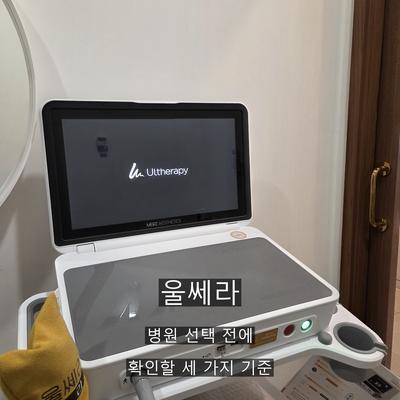
Criterion 1. Considerations during the diagnosis and consultation process
The first thing to check is how thoroughly they assess your facial condition during the consultation.
Consultation is an important process where you can directly experience the medical institution's explanation style and expertise before deciding on a procedure.
Rather than indirect reviews or photos, hearing how the procedure process is explained directly helps clarify your selection criteria.
It's important to see if they first confirm the patient's treatment goals and primary concerns, and then adjust the treatment area accordingly.
Since the area and degree of facial sagging vary for each individual, a single treatment plan is not suitable for all patients.
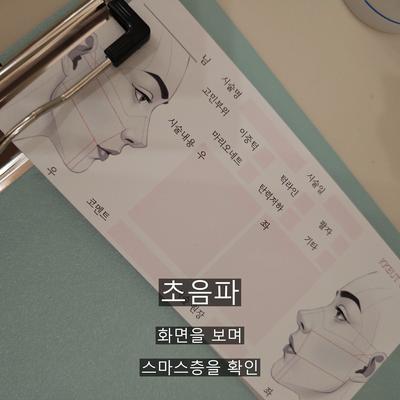
At our medical institution, we sometimes perform design while the patient is in a seated position before a lifting procedure.
This is a precise assessment of the facial condition to minimize the possibility of cheek hollowing after the procedure and to enhance the natural contours of the face.
Inquiring whether such detailed preparation is included in the consultation will give you insight into the medical institution's philosophy on procedure preparation.
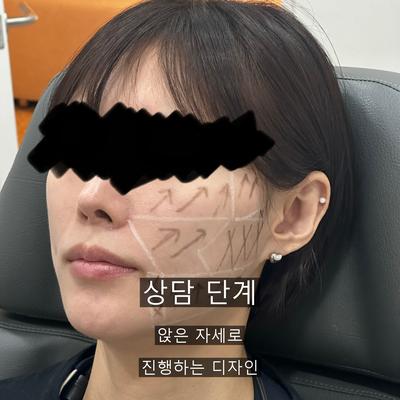
Furthermore, an important criterion is whether they honestly guide you to other treatment alternatives if Ultherapy is deemed not the most suitable solution for your current concerns.
Since the two procedures serve different purposes, reading an article on the differences between thread lifting and Ultherapy beforehand can help you ask clearer questions during the consultation.
Pay close attention to whether they recommend only a single procedure, or if they compare and explain various procedures tailored to your individual situation.
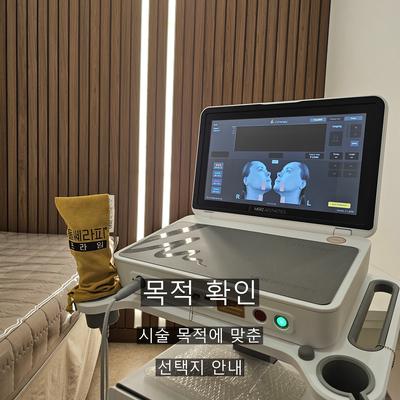
Criterion 2. Considerations during the procedure design stage
The next important aspect to examine is the overall design of the procedure.
This stage can be considered a critical factor that directly influences the procedure's outcome.
Even with the same equipment, the procedure method and results can vary depending on the design, so it's advisable to listen to explanations not only about the equipment name but also about the specific design plan.
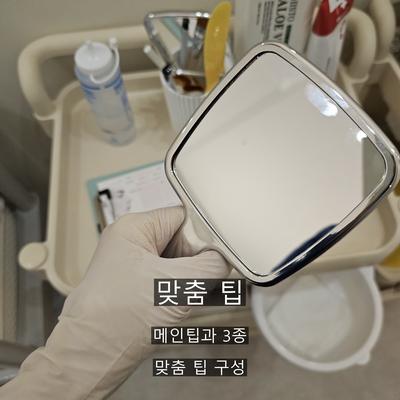
Some medical institutions use various depth tips, such as 3.0mm, 2.0mm, 1.5mm, in addition to the 4.5mm main tip, changing them according to the patient's skin condition and treatment area.
It is advisable to ask during the consultation whether they use a single tip throughout the procedure, or if they appropriately switch between various tips according to the specific characteristics of each facial area.
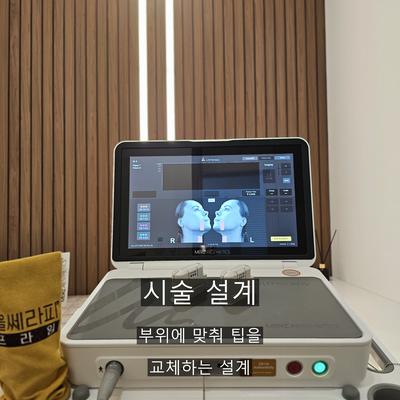
Also, an important aspect to confirm is how accurately they target the SMAS layer, located deep within the skin, by adjusting the tip's angle and tilt.
In such places, the procedure is sometimes performed while directly observing the ultrasound screen, allowing real-time confirmation of skin layer structures and energy delivery.
Whether they perform the procedure by visually confirming the internal skin layers can be determined by requesting a detailed explanation during the consultation.
If you are curious about the procedure design method for each area, you can refer to the article on nasolabial fold treatment using Ultherapy for insights into SMAS layer targeting and shot design approaches.
How specifically and clearly they explain the design process, rather than giving abstract answers to questions about it, is also an important judging factor.
Criterion 3. Post-procedure care and record verification
The third criterion to check is the records left after the procedure is completed.
It is advisable to understand the procedure not as a one-time act, but as an overall process that extends from consultation to the procedure itself and then to post-procedure records.
Some medical institutions record the details of lifting procedures and share them with patients in the form of a 'lifting card' or similar.
If the treatment area and method used are preserved in records, they can serve as useful reference material when observing progress or consulting for re-treatment later.
It's also a good idea to check in advance whether there are well-established methods for checking post-procedure progress and communication channels for inquiries.
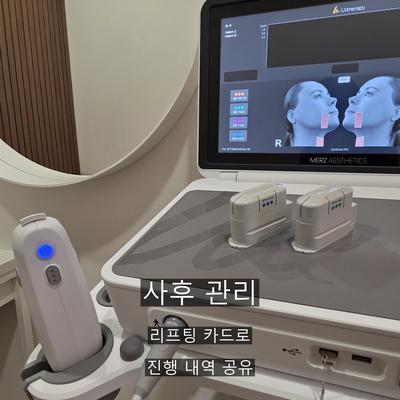
Whether you can receive documented details of the procedure can be confirmed by asking during the consultation stage.

Five questions to ask when choosing a medical institution
Check if they perform design while sitting before the procedure.
Check if they use various tips depending on the treatment area.
Check if they perform the procedure while viewing ultrasound images.
Check if they record and share the procedure details.
If the procedure is not suitable for your treatment goals, check if they offer other alternatives.
These five questions are helpful checkpoints you can use regardless of which medical institution you consult.
Frequently Asked Questions
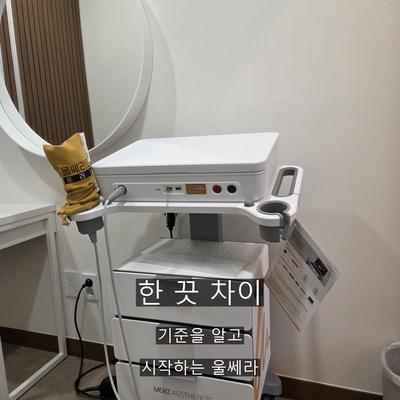
Q. When choosing an Ultherapy clinic, should I decide based solely on the equipment name?
A. While the Ultherapy device itself is important, even with the same equipment, the consultation method, treatment plan, and record-keeping process can vary among medical institutions. It is advisable to consider the three questions explained previously.
Q. What should I ask during a consultation before choosing an Ultherapy clinic?
A. During an Ultherapy consultation, you can check whether the design is done in a seated position, if tips are changed for each treatment area, and if the treatment is performed while directly viewing ultrasound images. Our clinic incorporates these three elements into our treatment process.
Q. Is it important to receive a treatment record when choosing an Ultherapy clinic?
A. To effectively manage your skin after Ultherapy, it is important to know the exact details of the treatment. Our clinic creates a lifting card to share the detailed treatment information with patients. This allows for discussions in subsequent consultations based on previous records.
Q. Can I be recommended treatments other than Ultherapy while choosing an Ultherapy clinic?
A. During an Ultherapy consultation, you may be guided through other treatments depending on your individual skin condition and desired improvements. This can be understood as a process of finding the most suitable method for your concerns. Information on the characteristics of each treatment can be found in related articles.
Our Clinic's Treatment Approach
In our clinic, in addition to the 4.5mm main tip, we use various customized tips such as 3.0mm, 2.0mm, and 1.5mm to meticulously approach each treatment area.
Performing treatment design in a seated position and carrying out the procedure while checking real-time ultrasound images can help reduce side effects such as cheek hollowing and accurately deliver energy to the SMAS layer.
Treatment details are meticulously recorded on a lifting card and shared with the patient, ensuring clear understanding of the treatment content.
Meticulous care can positively influence treatment results. Our clinic considers this crucial and approaches treatment with this in mind.
Loading menu…