

3 Reasons Why Syringoma Laser Treatment Isn't a One-Time Fix Beomgye, Pyeongchon, Beomgye Station, Pyeongchon Station, Hogye-dong, Bisan-dong, Gwanyang-dong, Dongan-gu, Indeogwon, Geumjeong, Anyang
6/7/2026
This is a procedure note for 3 Reasons Why Syringoma Laser Treatment Isn't a One-Time Fix at Beomgye(Opening Soon) KKEUT Korean Clinic.
Syringoma Laser Treatment, Why Isn't It a One-Time Fix?
Many people have experienced getting syringoma laser treatment to remove the bumpy, millet-like growths around their eyes or on their cheeks, only to find them reappearing over time.
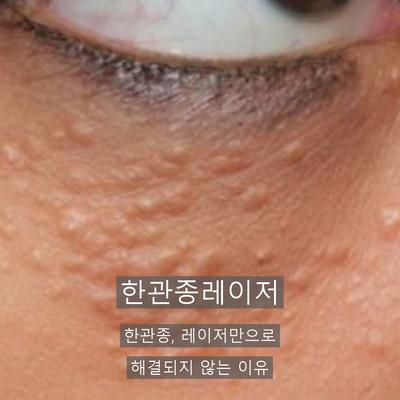
There are three clear reasons why syringoma laser treatment isn't a one-time fix. Understanding this structure can help you determine why simple removal has limitations and what approach leads to effective suppression.
Starting with the Cause of Syringoma
Syringoma are benign lesions that protrude to the skin surface due to the abnormal proliferation of the secretory ducts of sweat glands (eccrine glands) within the skin.
They have a strong genetic predisposition, and factors like hormonal changes, increased skin temperature, and weakened immunity promote their development. They often appear concentrated around the eyes and cheekbones, making them a significant cosmetic concern.
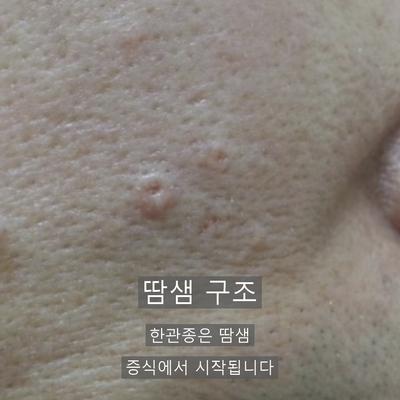
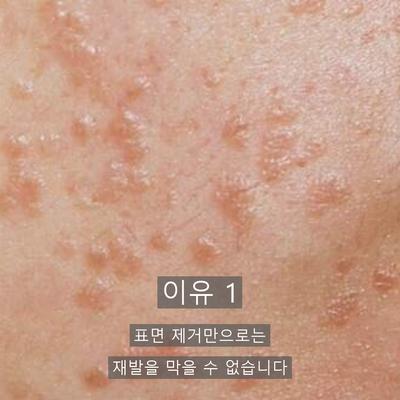
Reason 1 — Surface Removal Does Not Affect the Sweat Gland Itself
Syringoma laser treatment burns off lesions protruding from the skin surface. While visible structures are removed, the sweat gland secretory ducts that created the lesions remain intact beneath the skin.
Since the root remains, there's a high chance they will reappear in the same location after some time. Even with repeated surface laser treatments, if this underlying structure isn't addressed, the recurrence cycle will continue.
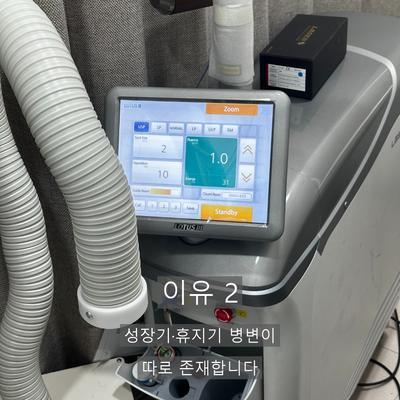
Reason 2 — Active Lesions and Latent Lesions Exist Separately
Beyond the lesions already visible on the surface, syringoma often include numerous latent lesions that have not yet emerged to the skin surface, remaining beneath it.
Even if visible lesions are removed with laser treatment, new latent lesions will emerge a few weeks later. From the patient's perspective, it may feel like a 'recurrence' in the same spot, but it is precisely new, hidden lesions coming to the surface, not the old ones.
Due to this characteristic, syringoma laser treatment is often difficult to complete entirely in one session, and repeated treatments with specific intervals are usually necessary.
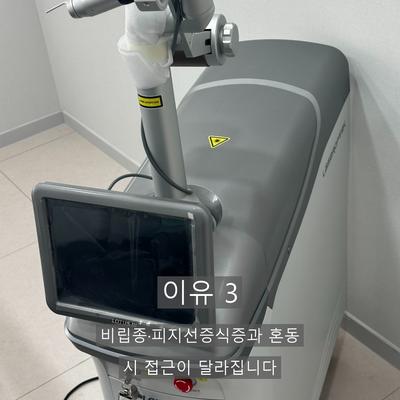
Reason 3 — Confusing Similar-Looking Lesions Leads to Different Approaches
Besides syringoma, millet-like lesions that appear around the eyes and cheeks include milia and sebaceous hyperplasia. Their similar appearance makes visual differentiation difficult.
The treatment approach varies depending on the type of lesion. Syringoma are caused by the proliferation of sweat gland ducts, while milia are structures where keratin is trapped within the skin. Even applying the same laser in the same way will result in different effectiveness and recurrence rates.
Repeating treatments without an accurate diagnosis will yield limited results and only accumulate irritation to the skin. If repeated syringoma laser treatments are not producing satisfactory outcomes, prioritizing reconfirming the type of lesion is essential.
So, What Method Is Effective for Suppressing Recurrence?
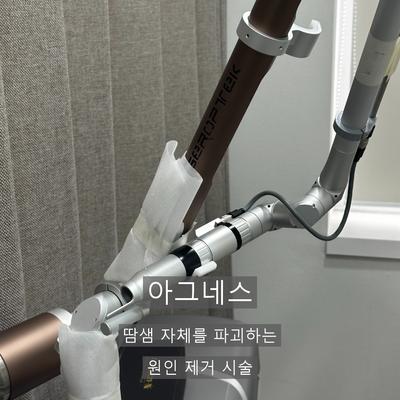
Among the methods that complement the limitations of surface removal, the approach with the most accumulated evidence currently is radiofrequency insulated microneedle treatment, specifically Agnes.
Agnes precisely inserts an insulated needle into the lesion, then emits radiofrequency energy only from the needle tip to destroy the sweat gland secretory duct itself. This structure directly targets the root of the lesion rather than burning the surface.
By treating the surface with a laser while simultaneously addressing the causative sweat glands with Agnes, one can expect a longer recurrence-free interval compared to standalone laser treatment.
After treatment, post-care to protect the skin surface damaged by the laser is crucial. Keeping dust and foreign substances away from the treated area and rigorously applying sun protection can reduce the risk of hyperpigmentation.
Frequently Asked Questions
Q. How many sessions of syringoma laser treatment are needed?
A. For standalone syringoma laser treatment, the number of sessions varies depending on the number of lesions and the state of latent lesions; generally, multiple sessions are required. When combined with Agnes, the added recurrence suppression effect helps reduce the total number of treatments. It is most accurate to receive an appropriate plan after confirming your condition during a visit.
Q. What is the downtime after syringoma laser treatment?
A. After syringoma laser treatment, scabs will form on the treated area and naturally fall off within 1-2 weeks. It is important not to remove the scabs artificially during this time, and diligent sun protection is crucial to prevent hyperpigmentation.
Q. How do syringoma laser treatment and Agnes differ?
A. Syringoma laser treatment burns off lesions protruding from the surface, while Agnes directly destroys the sweat glands themselves inside the lesion using an insulated needle. The two are complementary, and they are often combined to suppress recurrence.
Q. Is syringoma laser treatment around the eyes safe?
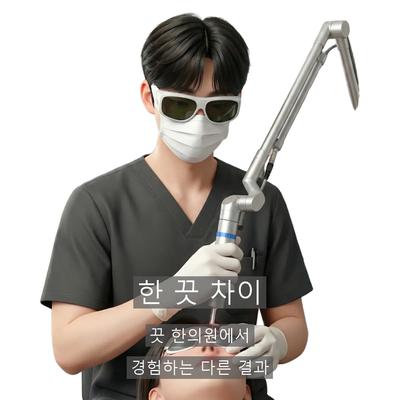
A. The area around the eyes has thin and sensitive skin, so precise treatment by the practitioner is crucial. The procedure should be performed while wearing protective equipment, and fine-tuning the energy parameters is necessary to ensure safe results.
The Sincerity of KKEUT Clinic
KKEUT Clinic differentiates between similar-looking 'millet-like' growths (such as milia, sebaceous hyperplasia) and syringoma, approaching each differently. Repeating the same treatment without an accurate diagnosis is a practice KKEUT Clinic avoids.
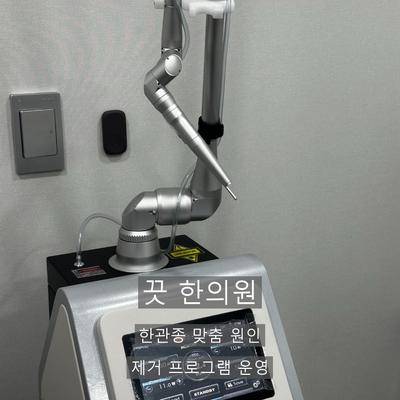
KKEUT Clinic does not stop at simple surface removal but operates a separate root cause removal program that combines Agnes (radiofrequency insulated microneedle treatment). This essential approach, which destroys the sweat glands themselves, produces results on a different level compared to general surface laser treatments.
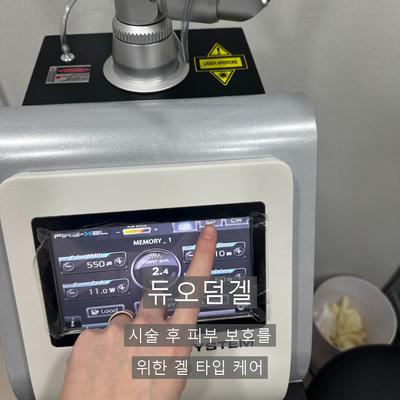
KKEUT Clinic supports skin protection after treatment using Duoderm Gel. This is a gel type, not a regular Duoderm sticker, making it usable without discomfort even for those with sticker allergies.
A subtle difference, a distinct result — Experience it at KKEUT Clinic.
Loading menu…