

Why Laser Hair Removal for White Beards Is Challenging, and Why It's Most Effective on Dark Hair Beomgye, Pyeongchon, Beomgye Station, Pyeongchon Station, Hogye-dong, Bisan-dong, Gwanyang-dong, Dongan-gu, Indeogwon, Geumjeong, Anyang
10/8/2026
This is a procedure note for Why Laser Hair Removal for White Beards Is Challenging, and Why It's Most Effective on Dark Hair at Beomgye(Opening Soon) KKEUT Korean Clinic.
Many people start to worry about hair removal methods as white hairs begin to appear one by one in their beards.
This article explains why laser hair removal is difficult to perform on white hair and why it is advantageous to start hair removal when there is still black hair. We also guide you on how to plan your treatment if you already have a mix of white hair.
How Lasers Recognize Hair
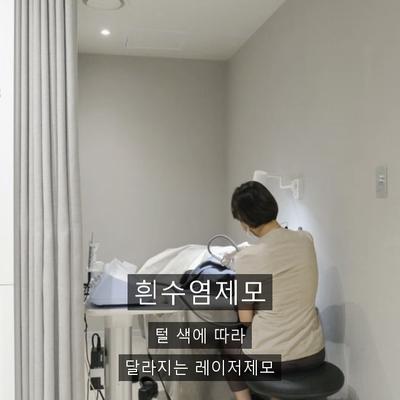
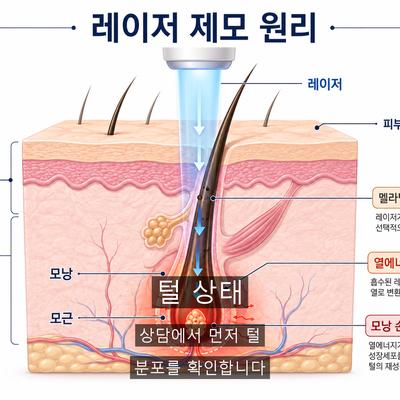
Laser hair removal treatments utilize the principle of laser energy being selectively absorbed by the dark melanin pigment in the hair.
The absorbed energy is converted into heat, affecting the hair roots and follicle tissues responsible for hair growth.
The fact that lasers distinguish hair based on the presence or absence of pigment, rather than hair length or thickness, is why white hair removal has limitations.

Why Laser Hair Removal is Less Effective on White Hair
White hair has little to no melanin pigment. Since lasers react to melanin, heat energy is not properly delivered to the hair follicle in white hair with less pigment, making hair removal effects difficult to achieve.
Fine or light-colored hair also has less melanin, which can reduce the laser's effectiveness, so energy is adjusted or multiple passes are performed to compensate. However, white hair has a significant lack of pigment, making the limitations of this method clearly apparent.
At Kkeut Oriental Medicine Clinic, we do not exaggerate the effects of laser hair removal on white hair. During the pre-treatment consultation, if there is hair that is difficult to treat, we will explain it honestly.
Why You Should Start Hair Removal When You Still Have Black Hair
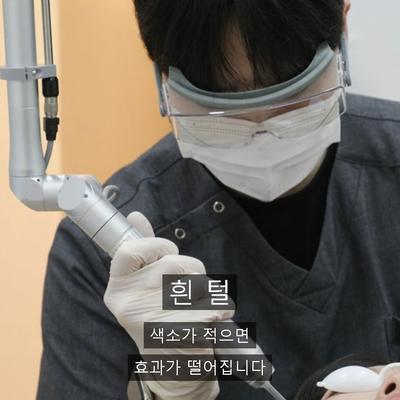
Laser hair removal is only effective on hair follicles in the anagen (growth) phase, where melanin pigment is actively produced. Since the timing of hair growth varies individually, consistent repeated treatments are required to match the cycle of resting hair transitioning to the growth phase.
Generally, 10 or more treatments are recommended, and for men's beards, 20 or more treatments, or a period of over a year, may be necessary. This is a process that needs to be planned and carried out systematically, not a treatment that finishes in a short period.
This long-term hair removal process is only meaningful when there is hair that the laser can react to. Treatments should begin when black hair containing melanin pigment is still present to effectively accumulate the number of sessions.
Therefore, starting hair removal before hair turns white is a reasonable choice to maximize the effectiveness of laser hair removal.
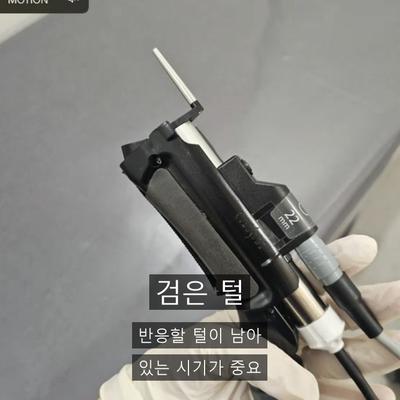
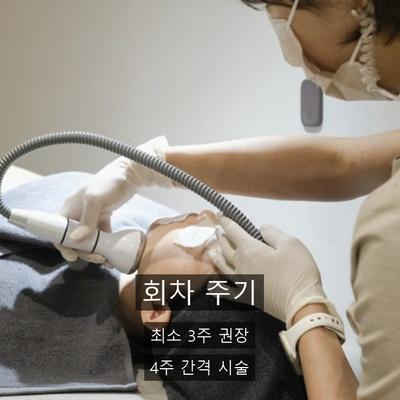
Hair Removal Treatment Frequency, Cycle, and Aftercare
The appropriate treatment cycle is a minimum of 3 to 4 weeks apart. This is to protect the skin by considering its exfoliation and regeneration cycle, and to allow sufficient time for the next anagen hair to be prepared.
It is best to shave from the day after the treatment, once the skin has fully calmed down, rather than on the day of the procedure. During the hair removal period, plucking hair should be avoided. This is because the hair root, which the laser targets, would be removed, potentially nullifying the treatment's effectiveness.
Pain during treatment may be similar to what is felt when using an ice cooler, and tends to decrease as hair removal progresses and the amount of hair diminishes. For 1-2 days after treatment, it is advisable to refrain from activities that can generate body heat, such as exercise, sauna, or alcohol consumption.
Permanent hair removal, where hair never grows back, is realistically difficult, and semi-permanent management is important. Even after completing the full course of treatments, we recommend receiving maintenance treatments approximately every 2-3 months.
If You Already Have White Hair Mixed in Your Beard
There are situations where both black and white hairs appear in the beard simultaneously. In such cases, a precise consultation to confirm the current state of the hair must precede the treatment.
We meticulously observe the patient's hair condition directly to identify the distribution and quantity of black, light, and white hair. Based on this, we accurately inform you how much hair remains that can respond to laser treatment.
While black hair is the primary target for laser hair removal, we explain in detail beforehand that it is difficult to achieve results on white hair, helping to set realistic expectations for the treatment. Since other hair removal methods also have different characteristics, these can be discussed during the consultation.
Kkeut Oriental Medicine Clinic customizes treatments considering hair characteristics.
Thick hair has a high melanin content, so when using a short-pulse laser, energy can be rapidly absorbed, potentially causing epidermal damage. At Kkeut Oriental Medicine Clinic, we use a long-pulse method to deliver thermal energy more gently, protecting the skin surface.
For thick and dark hair, we apply a high energy density to ensure sufficient heat accumulation. Conversely, for fine or light hair, we carefully adjust the energy or use repeated passes to ensure heat reaches the hair root.
In areas with dense hair, energy is appropriately dispersed to prevent skin burns caused by overheating. Additionally, for darker skin tones, we meticulously adjust the laser output to ensure the safety of the treatment.
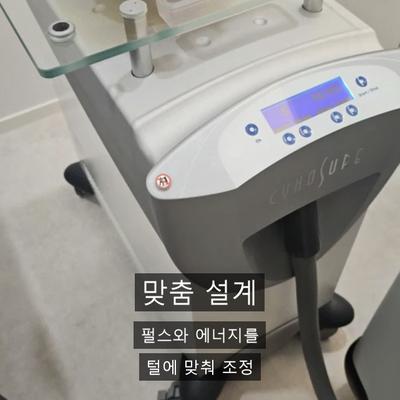
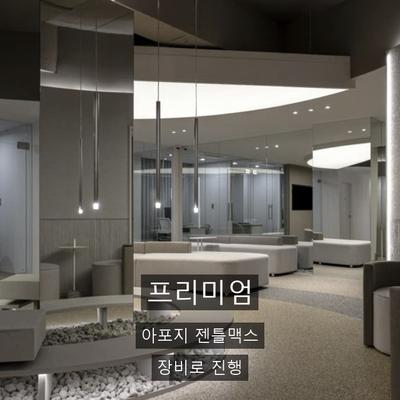
At Kkeut Oriental Medicine Clinic, we use medical devices with proven performance, such as Apogee and GentleMax. The Apogee device, in particular, features a continuous air cooling system that helps reduce skin irritation that may occur before and after laser treatment.
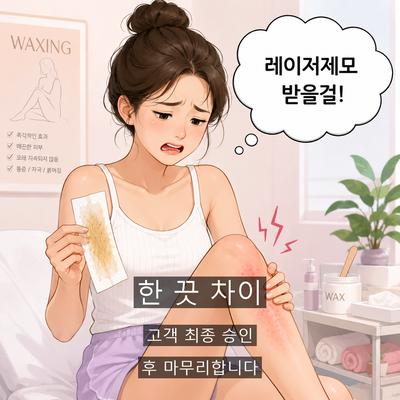
Before completing the treatment, we confirm with the patient if any additional areas require treatment. We finalize the treatment only after the patient is completely satisfied, and for areas of particular concern, we precisely adjust the energy for focused treatment.
Frequently Asked Questions
Q. Can white beard hair be effectively treated with laser hair removal?
A. White beard hair may be difficult to treat effectively with laser hair removal. This is due to the principle that lasers react to melanin pigment. At Kkeut Oriental Medicine Clinic, we meticulously examine the patient's hair condition during the consultation first.
Q. I'm concerned about white beard hair removal, is it okay to get a consultation now?
A. If you are concerned about white beard hair removal, we recommend getting a consultation while you still have black hair. For men's beard hair removal, 20 or more treatments and a period of over a year may be required, so it is wise to plan your treatment in advance.
Q. What aspects are checked during a white beard hair removal consultation?
A. During a white beard hair removal consultation, we comprehensively check the distribution of black, light, and white hair in the patient's beard, their skin tone, and hair density. Based on these diagnostic results, Kkeut Oriental Medicine Clinic honestly guides you on the treatable range and expected effects.
Kkeut Oriental Medicine Clinic's Treatment Philosophy
Kkeut Oriental Medicine Clinic aims for more effective treatments by precisely adjusting pulse duration and energy density to match the patient's hair characteristics and skin tone.
At Kkeut Oriental Medicine Clinic, we go through a meticulous verification process until the patient is completely satisfied with the treated area. This is a process that builds trust in our patients' treatment results.
At our clinic, we utilize proven medical devices such as Apogee and GentleMax. During the procedure, we use a cooling system to minimize any discomfort our patients may experience, and carefully perform the treatment to ensure satisfying improvements.
With meticulous attention to even the smallest details, we focus on enhancing treatment satisfaction. We believe that such details can contribute to achieving personalized results.
Loading menu…