

Areola Hair Removal: Why this sensitive area requires delicate treatment, and who it's recommended for Beomgye, Pyeongchon, Beomgye Station, Pyeongchon Station, Hogye-dong, Bisan-dong, Gwanyang-dong, Dongan-gu, Indeogwon, Geumjeong, Anyang
6/21/2026
This is a procedure note for Areola Hair Removal: Why this sensitive area requires delicate treatment, and who it's recommended for at Gyeonggi Anyang Beomgye KKEUT Korean Clinic.
Areola hair removal is the same laser hair removal, but it requires a completely different approach compared to general areas.
The skin around the areola and nipple is thin, sensitive, and has a complex pigment distribution. Due to the high melanin content characteristic of this area, even a slight misadjustment of energy increases the risk of skin damage. For these reasons, unlike hair removal on the legs or armpits, the meticulous judgment of the practitioner significantly influences the results of areola hair removal.
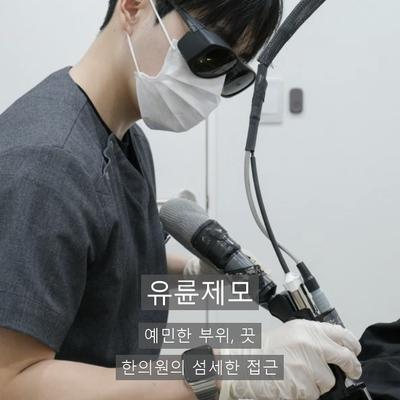
The Principle of Laser Hair Removal and Why the Areola Area is More Challenging
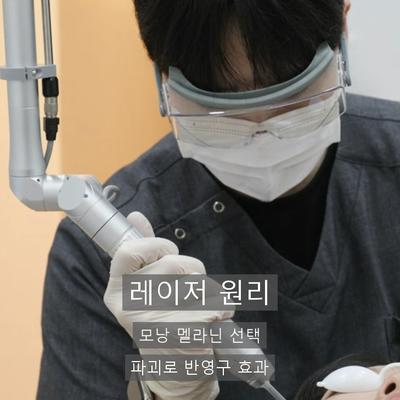
Laser hair removal works by concentrating energy absorption into the black melanin pigment of the hair, converting it into heat, and fundamentally destroying the hair root and follicle. During this process, the laser is only effective when the hair is in its 'anagen' (growth) phase. Since not all hair follicles are in the growth phase simultaneously, repeated treatments of 10 sessions or more are necessary.
The areola area itself also has a dense distribution of melanin pigment in the skin. This means that if the laser energy is not precisely adjusted to target only the melanin in the hair, it can also be absorbed by the skin's melanin, leading to a risk of hyperpigmentation or burns. This is why both energy density and pulse duration must be designed much more carefully than for general areas.
Who is Areola Hair Removal Recommended For?
Laser areola hair removal is recommended for those who are bothered by hair around the areola and avoid exposure, those who are tired of repetitive temporary methods like shaving or waxing, and those who experience discomfort when wearing underwear or swimsuits. It is also suitable for those whose hair has thickened or darkened due to hormonal changes after pregnancy and childbirth.
On the other hand, there are cases where prior confirmation is necessary before treatment. It is safer to postpone the procedure if you have a skin condition, have recently been exposed to strong UV light, or have a skin infection or wound in the target area. If you are pregnant or breastfeeding, it is advisable to decide after consulting with medical staff.
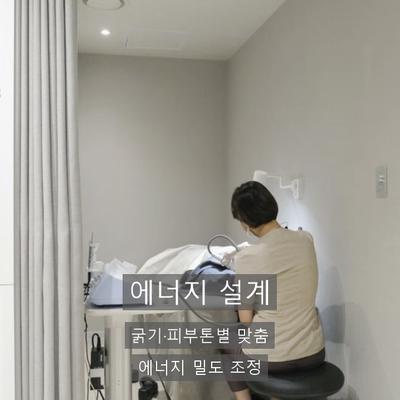
Why Energy Conditions Must Differ — Precise Design by Hair Thickness and Skin Tone
The most important variables in areola hair removal are energy density (J/cm²) and pulse duration. While hair in the areola area is generally thick and dark, the skin itself also has a lot of melanin, so simply applying high energy can lead to skin damage.
For thick hair, long pulses should be used to deliver heat gradually, safely protecting the epidermis while still delivering sufficient heat to the hair root. For areas with darker skin tones, the output must be precisely lowered and compensated with a repetitive shot method to ensure effectiveness without burns. Simultaneously matching these two variables is the core technology of areola hair removal.
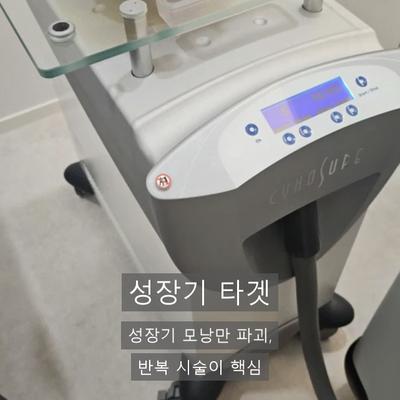
The treatment cycle is typically 4-week intervals. To accumulate the effects of each session, enough time must be allowed for the next growth-phase hair follicles to prepare, in line with the skin's keratin regeneration cycle. For the areola area, considering the skin's recovery speed, a 4-week interval is recommended over 3 weeks. Treatment proceeds based on a minimum of 10 sessions, and the number of sessions may vary depending on individual differences.
There are essential post-treatment care instructions to follow. On the day of and the day after the procedure, avoid heat stimulation such as saunas, alcohol consumption, and strenuous exercise. Shaving is recommended from the day after the procedure rather than on the day of. Plucking hair during the laser hair removal period is strictly prohibited. If the hair root is removed, the laser will have no target, and the treatment effect itself will be lost.
Folliculitis is a possible reaction after treatment. It is a natural reaction that occurs as heat is directly delivered to the hair follicles, and it subsides over time with consistent application of a regenerative cream. As the areola area can be more sensitive to skin irritation than general areas, meticulous moisturizing after treatment will aid recovery.
Frequently Asked Questions
Q. Is areola hair removal not very painful?
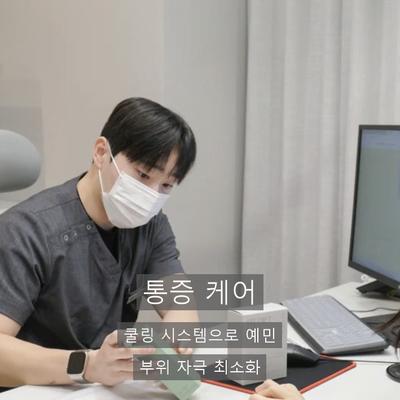
A. As areola hair removal is performed on a sensitive area, it may feel more stimulating than other areas. While anesthetic cream primarily acts on the epidermis and doesn't completely block deep hair roots, it can be used for psychological comfort. Using equipment with a constantly operating cooling system minimizes heat stimulation and controls pain to a tolerable level, allowing for effective treatment. As sessions progress and hair decreases, pain naturally reduces as well.
Q. I'm concerned about hyperpigmentation after areola hair removal.
A. The high risk of hyperpigmentation in areola hair removal is due to the dense melanin in the skin itself. To reduce this risk, it is important to receive treatment at a clinic that precisely adjusts energy density and pulse duration to match the specific skin tone. Sun protection after the procedure is also crucial for preventing hyperpigmentation.
Q. Can I see results with just one session of areola hair removal?
A. The laser is only effective on hair follicles in the growth phase. Since not all hair follicles are in the growth phase simultaneously, areola hair removal also requires cumulative treatments of 10 sessions or more to achieve stable results. Although you may notice a reduction in hair after one session, the sustained hair removal effect is achieved after a sufficient number of accumulated sessions.
Q. What is the recommended interval for areola hair removal treatments?
A. For areola hair removal, a 4-week interval is recommended. This allows for the skin's exfoliation regeneration cycle to protect the skin and provides enough time for the next growth-phase hair follicles to emerge, ensuring the proper accumulation of effects from each session.
The Sincerity of KKEUT Clinic
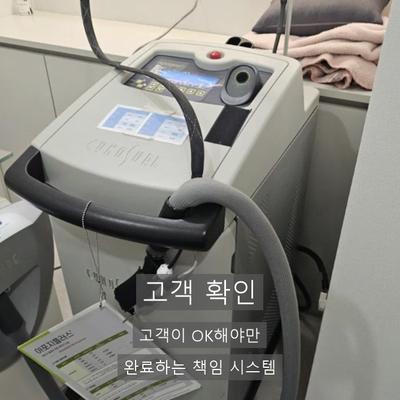
KKEUT Clinic performs areola hair removal with an unlimited responsibility system, where the procedure is only completed after the customer personally checks and gives final approval before the session ends. If the customer feels any area is unsatisfactory, additional laser shots are provided immediately.
KKEUT Clinic individually designs pulse duration and energy density according to hair thickness, skin tone, and hair density. Especially for areas with dense skin melanin, like the areola, the output is precisely adjusted to accurately deliver heat to the hair follicles without causing burns.
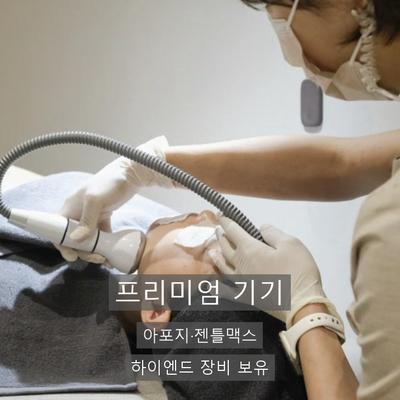
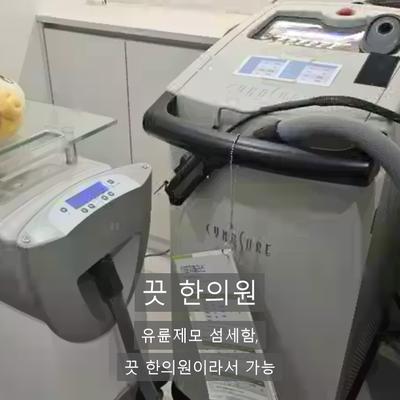
KKEUT Clinic performs areola hair removal exclusively with high-end equipment like Apogee and GentleMax, which have proven performance and safety. The continuous cooling system constantly minimizes skin irritation before and after the procedure, ensuring safe management even for sensitive areas.
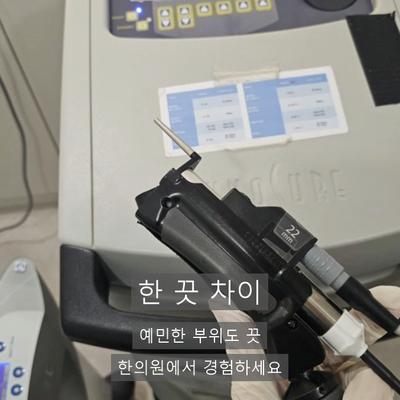
A Subtle Difference, A Different Result — Experience it at KKEUT Clinic.
Related notes
Procedure notes worth reading next.


Loading menu…