

Don't squeeze milia around your eyes at home! Essential risks you need to know (Part 2) Beomgye, Pyeongchon, Beomgye Station, Pyeongchon Station, Hogye-dong, Bisan-dong, Gwanyang-dong, Dongan-gu, Indeogwon, Geumjeong, Anyang
This is Gyeonggi Anyang Beomgye KKEUT Korean Clinic's procedure note on Don't squeeze milia around your eyes at home! Essential risks you need to know (Part 2).
Many people try to extract milia around their eyes directly when they see them.
You might notice small, white bumps and feel the urge to touch them with your hands.
However, it's best not to extract small bumps around your eyes at home. Here's why.

Reasons Why Lesions Recur Even After Extraction
Milia are lesions caused by small keratin cysts, or keratin sacs, inside the skin.
The visible white bumps are only a part of the keratin sac, not its entire structure.
If you try to remove only the contents with a needle or fingernail, there's a high chance the sac will remain intact within the skin.
If the keratin sac is not removed, bumps of the same shape may reappear in the same location.
In milia treatment, effectively destroying the keratin sac is crucial.
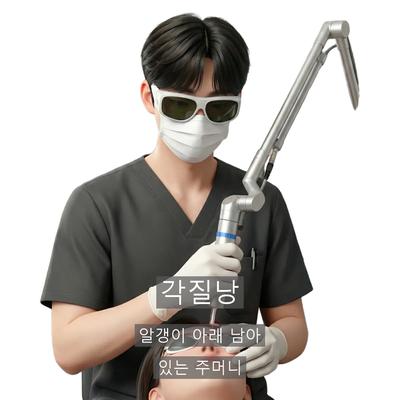
If you attempt extraction at home or use a general approach, this important process may be missed.
Even with cotton swabs, tweezers, or extraction tools, it's difficult to completely remove the entire keratin sac.
Even if the bumps are not visible on the surface, the milia may not be completely removed but merely temporarily concealed.
If the lesions repeatedly recur, frequently touching the eye area can lead to accumulated skin irritation.
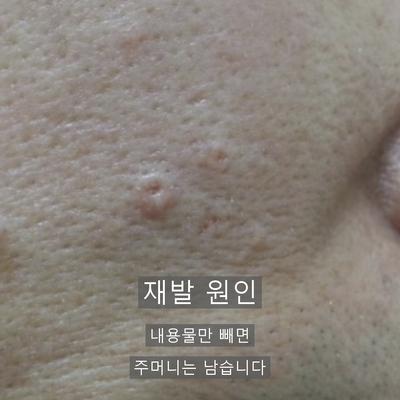
Not All Small, Bumpy Lesions Around the Eyes Are Milia
Besides milia, there are several types of small, bumpy lesions that occur around the eyes.
Syringomas and sebaceous hyperplasia also have similar appearances, leading to frequent attempts at extraction without proper differentiation.
These three types of lesions require different treatment approaches based on their specific characteristics.
While milia treatment focuses on removing the keratin sac, syringomas and sebaceous hyperplasia require separate treatment processes to address their underlying causes.
Since syringomas originate from sweat glands and sebaceous hyperplasia from sebaceous glands, simply extracting the surface will not provide a fundamental solution.
Repeated extraction without knowing the exact type of lesion can lead to continued ineffective attempts.
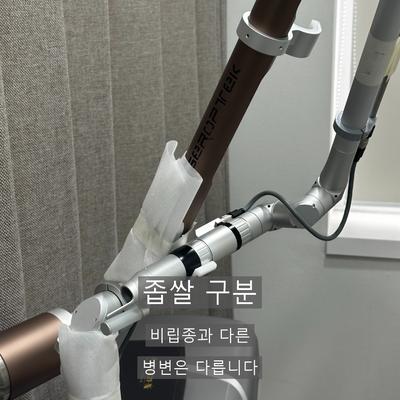
Things to Consider Before Attempting Removal at Home
It's not easy to determine whether a bump around the eye is milia just by looking at its appearance.
The eye area is very sensitive to irritation, so it's best to avoid repeatedly rubbing or pressing it.
Areas you've self-extracted may develop wounds due to irritation, requiring special aftercare.
The process of removing milia around the eyes requires accurate differentiation of the lesion and targeting the keratin sac, making self-treatment at home difficult.
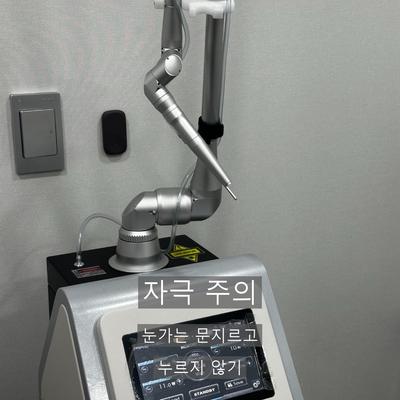
Professional Approach at a Medical Institution
At a medical institution, the eye lesion is first accurately diagnosed as milia or another type of small bump.
If diagnosed as milia, the procedure is performed using an Er:YAG laser to destroy the keratin sac.
The Er:YAG laser has a relatively short recovery period after the procedure, which can reduce the burden of returning to daily life.
After the procedure, the treated area is managed with Duoderm gel.
Since it's a gel, individuals with sticker allergies may experience less discomfort during use, and it also reduces the hassle of applying and removing patches.
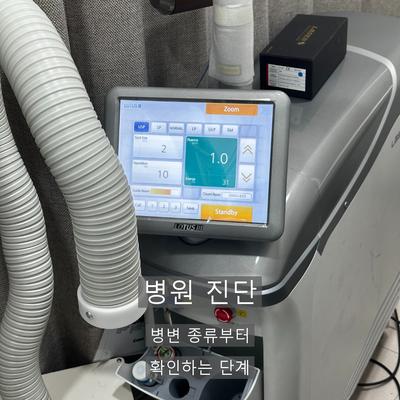
How Kkeut Korean Medicine Clinic Approaches Small Bumps Around the Eyes
At Kkeut Korean Medicine Clinic, we first accurately differentiate small, bumpy lesions around the eyes that may appear similar on the surface.
For milia, the goal is removal. For syringomas and sebaceous hyperplasia, we approach each differently with cause-improvement programs, including Agnes RF insulated needle treatment.
Therefore, at Kkeut Korean Medicine Clinic, we do not apply the same procedure in all cases just because small bumps are found around the eyes.
We believe that choosing the appropriate treatment method tailored to the characteristics of each lesion is the starting point for lowering the likelihood of recurrence.
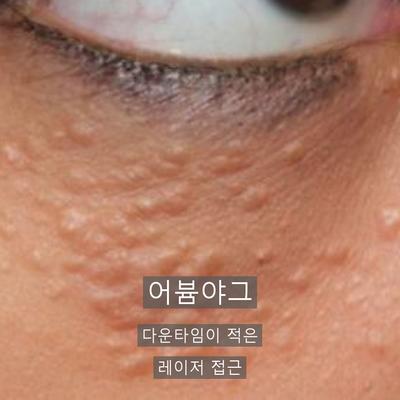
Kkeut Korean Medicine Clinic places great importance on using the Er:YAG laser for milia removal.
This laser has a relatively short recovery time, which can reduce the burden of treatment even for highly visible areas like around the eyes.
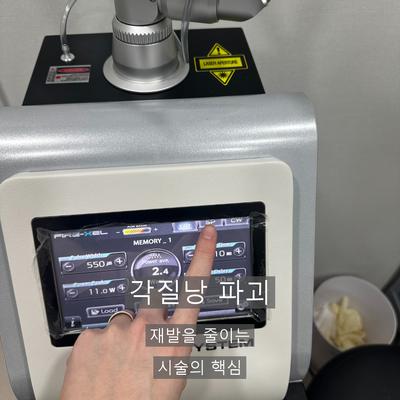
What Kkeut Korean Medicine Clinic considers most important in milia treatment is the effective destruction of the keratin sac.
Through this approach, Kkeut Korean Medicine Clinic considers reducing the likelihood of recurrence as a crucial standard.
Self-care alone often can't fully address deeper lesions, so a laser procedure at a medical clinic may be necessary.
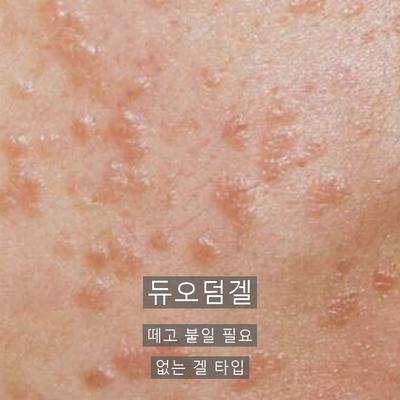
For post-procedure care, Kkeut Korean Medicine Clinic's unique Duoderm Gel is applied.
Similar to post-mole removal care, this aids comfortable recovery without the inconvenience of changing stickers.
Frequently Asked Questions
Q. Why do milia around the eyes reappear if I try to remove them at home?
A. For milia around the eyes, it's crucial to address the internal keratin sac, not just the surface bump. When attempting self-extraction, only the contents might come out, leaving the keratin sac behind, which can lead to recurrence in the same spot. At Kkeut Korean Medicine Clinic, we prioritize the thorough removal of the keratin sac as a key principle of our treatment.
Q. Is it truly necessary to differentiate the lesion before removing milia around the eyes?
A. Before treating milia around the eyes, it's crucial to accurately distinguish them from other similar lesions, such as syringomas or sebaceous hyperplasia. Because the treatment approach differs based on the specific characteristics of each lesion, Kkeut Korean Medicine Clinic provides a precise diagnosis to create a customized treatment plan for each individual.
Q. How should I care for my skin after milia removal around the eyes?
A. After milia removal around the eyes, we manage the skin using Duoderm Gel. Kkeut Korean Medicine Clinic's Duoderm Gel is not a sticker, so there's no need to bother peeling it off or reapplying it. This makes it relatively comfortable to use, even for those with sensitive skin or sticker allergies.
The Heart of Kkeut Korean Medicine Clinic
At Kkeut Korean Medicine Clinic, we precisely diagnose millet-shaped lesions and strive for delicate care through individualized treatment plans tailored to the unique characteristics of each lesion.
Kkeut Korean Medicine Clinic utilizes an Er:YAG laser, known for its relatively short recovery period, to help minimize the impact on your daily life after treatment.
Kkeut Korean Medicine Clinic meticulously removes the keratin sac and follows up with Duoderm Gel post-treatment care, aiming for stable results and a comfortable recovery.
A subtle difference, a distinct approach is what you'll find at Kkeut Korean Medicine Clinic.
Related notes
Procedure notes worth reading next.

Loading menu…