

Why are IPL hair removal devices slow to show results, and how do they differ from laser hair removal? Beomgye, Pyeongchon, Beomgye Station, Pyeongchon Station, Hogye-dong, Bisan-dong, Gwanyang-dong, Dongan-gu, Indeogwon, Geumjeong, Anyang
9/13/2026
This is a procedure note for Why are IPL hair removal devices slow to show results, and how do they differ from laser hair removal? at Gyeonggi Anyang Beomgye KKEUT Korean Clinic.
In the recent market for at-home beauty devices, IPL hair removal devices have been steadily gaining attention.
These devices work by delivering light energy to the skin, which stimulates hair follicles.
Some people are puzzled when, even after using an IPL hair removal device for several weeks, they don't see a noticeable reduction in hair.
This can be attributed not to a problem with the device itself, but rather to differences in the device's output and purpose.
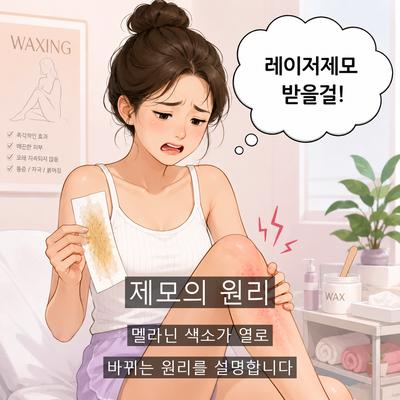
The basic principle of hair removal is that melanin pigment in the hair absorbs light energy, converts it into thermal energy, and stimulates the hair roots and follicles.
This mechanism applies equally to both at-home devices and professional laser equipment used in clinics.
However, the key difference lies in how powerfully and precisely the energy is delivered.
At-home devices are designed with the safety of general users in mind, with output regulated within a broad safety range.
In contrast, professional laser equipment in clinics allows medical staff to directly assess skin condition and hair characteristics, adjusting the output to suit each individual during treatment.
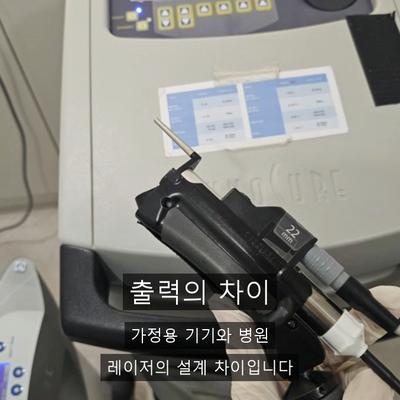
Lasers primarily affect hair follicles that are rich in melanin pigment and are in their active growth phase.
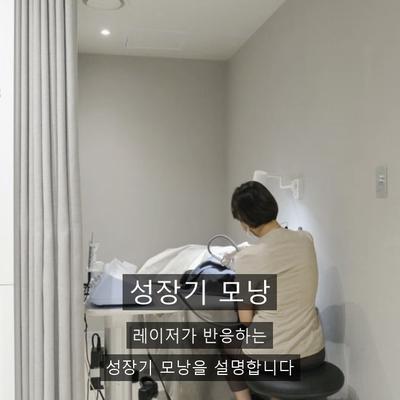
Since not all hair is simultaneously in the growth phase, it's difficult to remove all hair in a single session.
This is why consistent, repeated treatments are necessary, timed with the cycle of dormant hairs entering a new growth phase.
IPL hair removal devices operate on the same principle, but due to their relatively lower output, more time and a greater number of sessions may be required to completely disable the hair follicles.
Clinics primarily use high-output laser devices such as Apogee, GentleMax, and Clarity.
These devices feature different skin cooling systems, allowing them to safely deliver high energy while minimizing skin irritation.
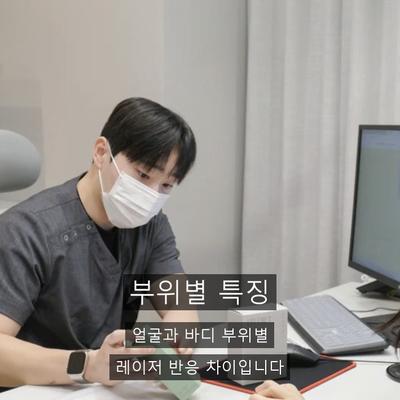
The effectiveness of hair removal can vary by treatment area.
Areas with diverse hair types, from fine vellus hair to thick beard hair, like the face, require precise energy control. Areas with distinct melanin pigmentation, such as armpits or limbs, tend to respond relatively well to laser treatment.
The number of hair removal sessions and their frequency are also important considerations.
Generally, regardless of the area, a minimum of 10 sessions is recommended, and thick, strong hair like beards may require 20 or more sessions.
An interval of usually 3 to 4 weeks between sessions is recommended.
This interval considers the skin's exfoliation cycle and the time it takes for new growth-phase hairs to develop.
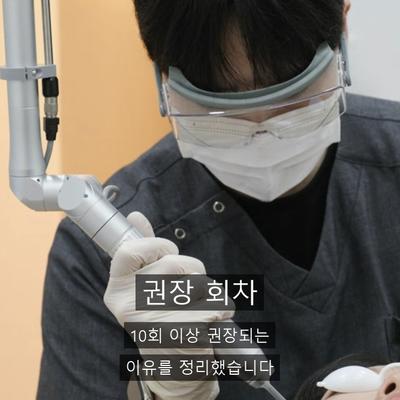
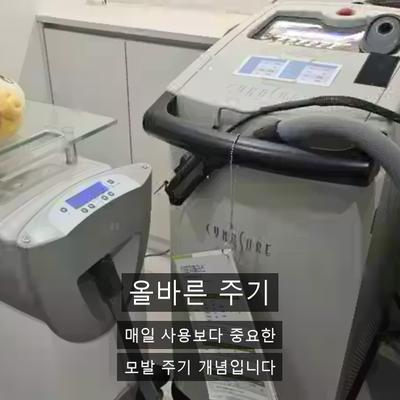
Understanding this concept of cycles can also be helpful for those using at-home IPL hair removal devices in managing their treatment.
Using it daily at short intervals does not necessarily lead to faster results.
Ignoring the hair cycle and repeatedly applying excessive stimulation can put a strain on the skin.
Let's address some common misconceptions regarding laser hair removal.
Many people believe that it's difficult to tolerate the pain without using anesthetic cream, but anesthetic ingredients primarily act on the skin surface and do not numb the hair roots.
The actual pain is similar to the sensation of placing a cold instrument on the skin before treatment, and the pain tends to gradually decrease with an increasing number of sessions.
Sometimes, small red bumps may appear on the skin after treatment, which is a natural phenomenon caused by direct heat delivery to the hair follicles. This usually subsides by applying a regenerating cream and monitoring the progress.
During the laser hair removal period, you should refrain from plucking hair.
This is because if there are no hair roots for the laser to target, the effectiveness of the treatment may be reduced.
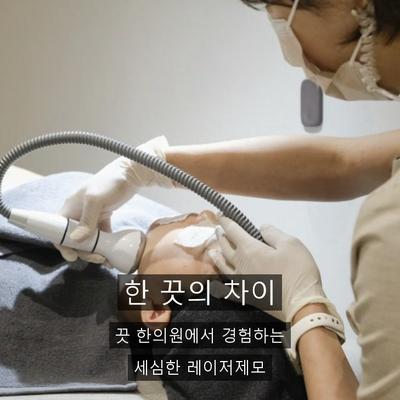
At Kkeut Clinic, we take a customized approach to laser hair removal.
We meticulously adjust the pulse duration during treatment.
Applying short pulses to thick hair with high melanin content can cause rapid energy absorption, potentially risking epidermal damage. Therefore, at Kkeut Clinic, we focus on protecting the epidermis by gradually delivering heat with longer pulses.
Energy density is also finely adjusted according to hair condition.
For thick, dark hair, we use high density to ensure sufficient heat reaches the thick hair structure. For fine, light hair, we adjust the energy to deliver heat to the hair roots through repeated irradiation.
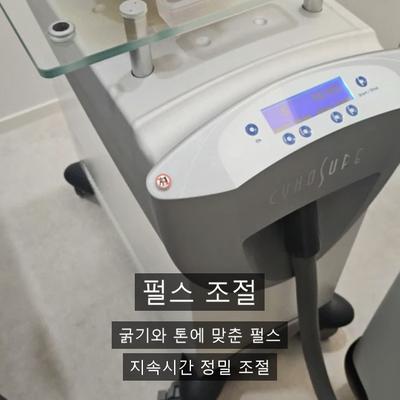
Even in areas with dense hair or darker skin tones, we meticulously divide the output during treatment to reduce the possibility of excessive heat accumulation and side effects.
Kkeut Clinic utilizes devices such as Apogee and GentleMax to reduce pain and strive for satisfactory results.
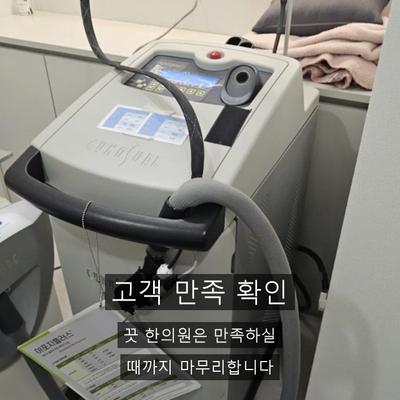
Kkeut Clinic also applies its own standards regarding the timing of treatment completion.
We check for any additional concerns and complete the treatment when the client ultimately feels fully satisfied.
Frequently Asked Questions
Q. What are the main differences between IPL hair removal and laser hair removal?
A. The principle that melanin pigment absorbs light energy is the same for both procedures. However, IPL hair removal devices are designed with lower energy within a relatively wide safety range. In contrast, laser hair removal is performed by medical professionals who delicately adjust the energy considering the patient's skin and hair condition. These differences will be explained in detail during your consultation.
Q. If I use an IPL hair removal device for a long time, will I achieve the same results as professional laser hair removal?
A. Both devices operate on the same principle of using light. However, because the devices are designed for different purposes, even if used for the same duration, there may be differences in treatment results. If you wish to manage hair follicles more effectively, we recommend considering laser hair removal.
Q. How many laser hair removal sessions are typically needed to feel the effects?
A. Regardless of the area, we generally recommend undergoing hair removal treatment for at least 10 sessions. Especially for thick and strong hair like beards, more sessions may be required. We carefully check the condition of your hair during each session.
Q. Is it okay to receive laser hair removal without anesthetic cream?
A. The ingredients in anesthetic cream primarily affect only the skin surface, making it difficult to completely alleviate pain felt at the hair root. Laser hair removal is often possible with sufficient cooling alone. Our clinic strives to create a comfortable treatment environment.
The Sincerity of Kkeut Korean Medicine Clinic
At our clinic, we meticulously adjust pulse and energy density to match each patient's hair thickness and skin tone. Through this, we strive for results that show expected improvement after treatment.
Our clinic uses advanced equipment such as Apogee and GentleMax. These devices help ensure treatment stability and provide patients with a more comfortable treatment experience.
At our clinic, we prioritize safety during procedures and strive to meet expectations regarding treatment efficacy. To achieve this, we establish treatment plans based on thorough communication with our patients.
Accurate consultation and genuine care. If you have any questions, please feel free to contact us anytime.
Related notes
Procedure notes worth reading next.


Loading menu…