

Duoderm for Dark Spots: Unsure About How Long to Keep Your Dressing? Beomgye, Pyeongchon, Beomgye Station, Pyeongchon Station, Hogye-dong, Bisan-dong, Gwanyang-dong, Dongan-gu, Indeogwon, Geumjeong, Anyang
4/4/2026
This is a procedure note for Duoderm for Dark Spots: Unsure About How Long to Keep Your Dressing? at Gyeonggi Anyang Beomgye KKEUT Korean Clinic.
Initial confusion often arises after lentigo removal, especially once patients leave the clinic and head home.
Questions frequently emerge regarding Duoderm application duration, water exposure, or replacement when it peels. Unnecessary contact due to these uncertainties may hinder the healing process.
This discussion will explore the practical aspects of Duoderm use, addressing whether prolonged application is consistently beneficial and outlining situations that warrant specific attention.

To begin, it's important to understand that following pigment lesion removal, the treated skin temporarily forms a delicate, sensitive barrier.
During this delicate period, factors such as friction, UV radiation, excessive washing, and frequently touching the area can hinder healing. This means how you apply and care for the Duoderm holds greater importance than the patch itself.
It is more precise to consider this protective material as an aid for establishing a stable wound environment during the first few days, rather than seeing it as a singular solution.
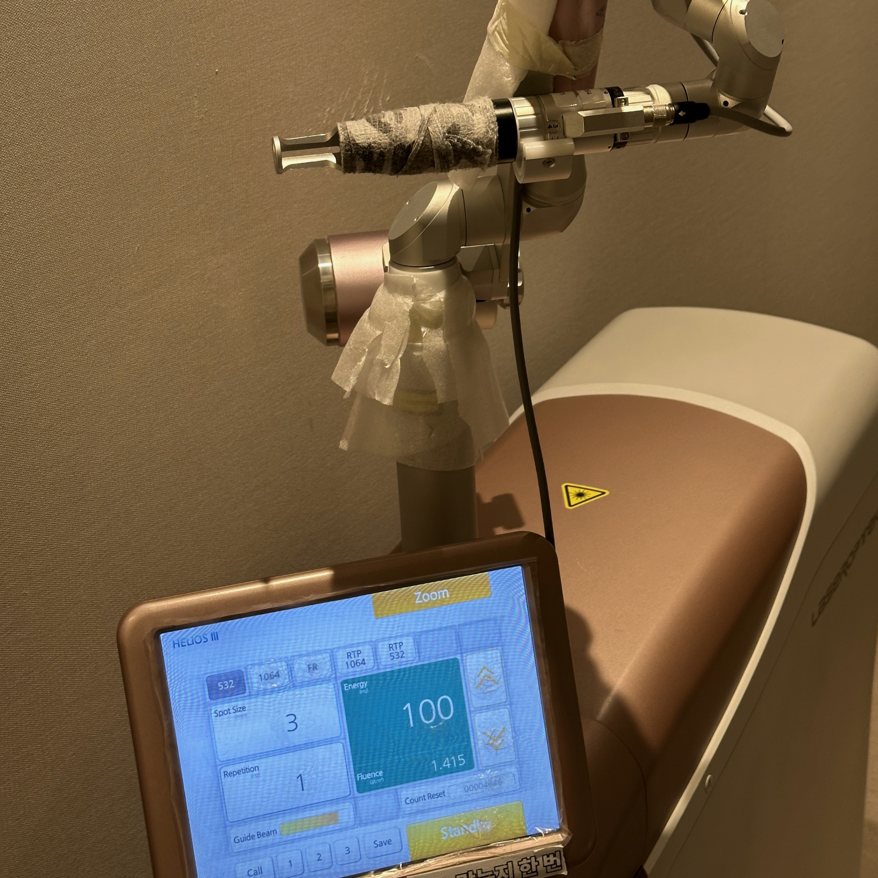
Patients often ask if continuous application leads to quicker healing, particularly when seeking information on lentigo removal Duoderm.
Leaving a peeled dressing on for an extended period, or maintaining strong occlusion with minimal wound fluid, might cause discomfort. Following the specific instructions provided is generally recommended.
Furthermore, the care approach can differ based on the treated area's susceptibility to friction, as well as when one can resume cleansing and applying cosmetics.
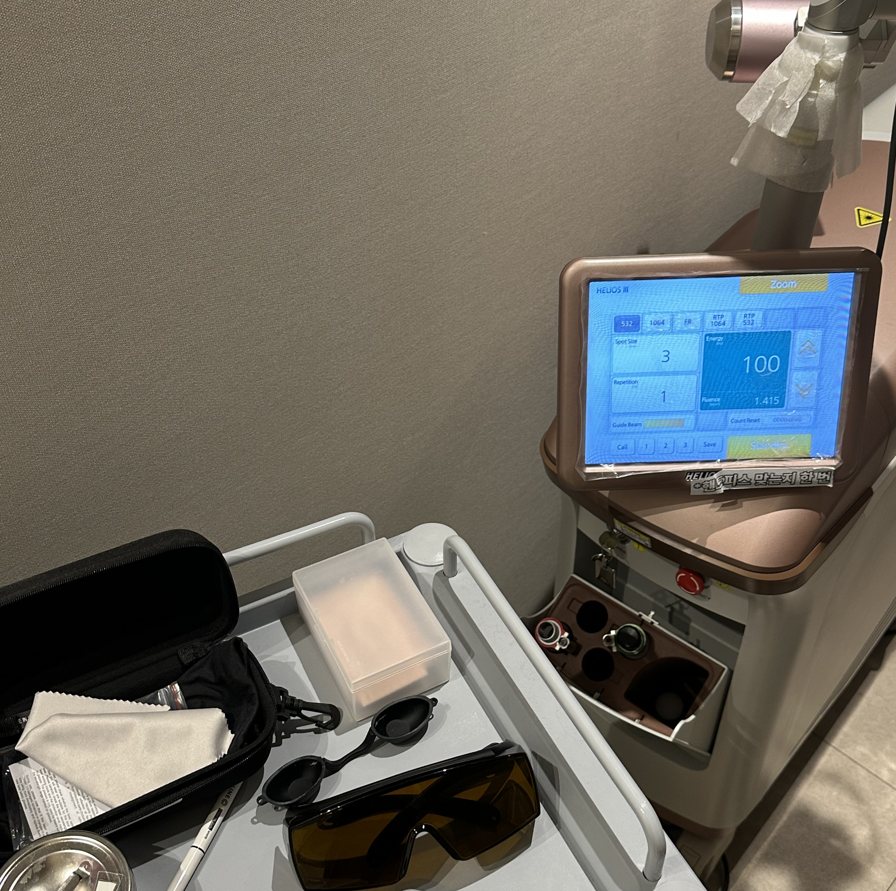
The essential point is to maintain wound cleanliness without excessive touching, rather than focusing solely on prolonged application.
Attempting to remove scabs prematurely or frequently changing the protective film due to minor discomfort can potentially worsen irritation.
Consequently, post-procedure guidance should cover not just the Duoderm application duration, but also the proper sequence for facial cleansing, cosmetic use, sun protection, and regenerative cream application.
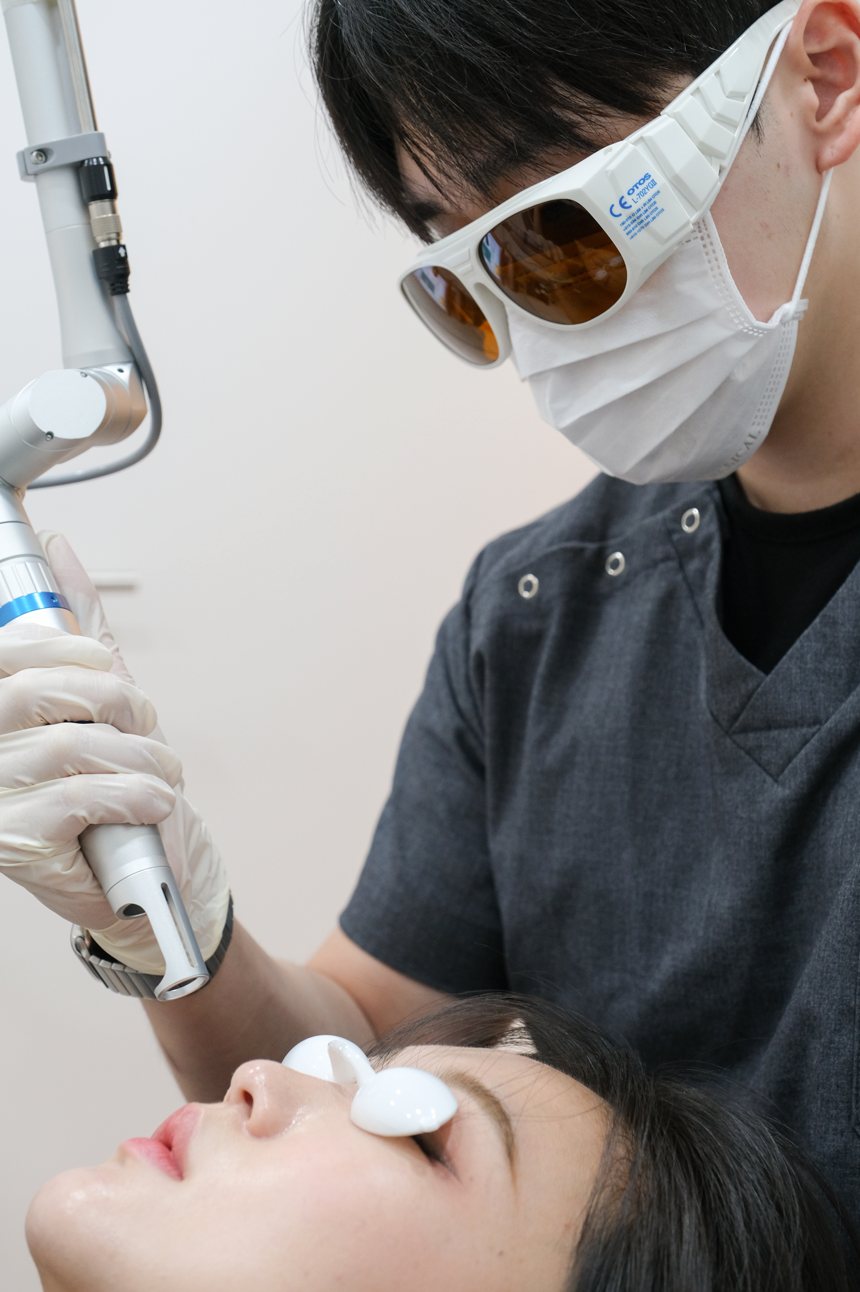
Research and Clinical Observations
1. Guides for managing skin after pigment lesion removal emphasize that minimizing UV exposure and friction during initial healing is crucial for reducing post-inflammatory hyperpigmentation.
2. Studies on skin regeneration suggest that repeated contact or undue irritation to the wound site may extend the duration of redness and dyspigmentation.
3. Clinically, patient satisfaction with recovery, even after similar treatment outcomes, can significantly depend on post-procedure care. This underscores the importance of clear instructions regarding protective material usage and daily habits.
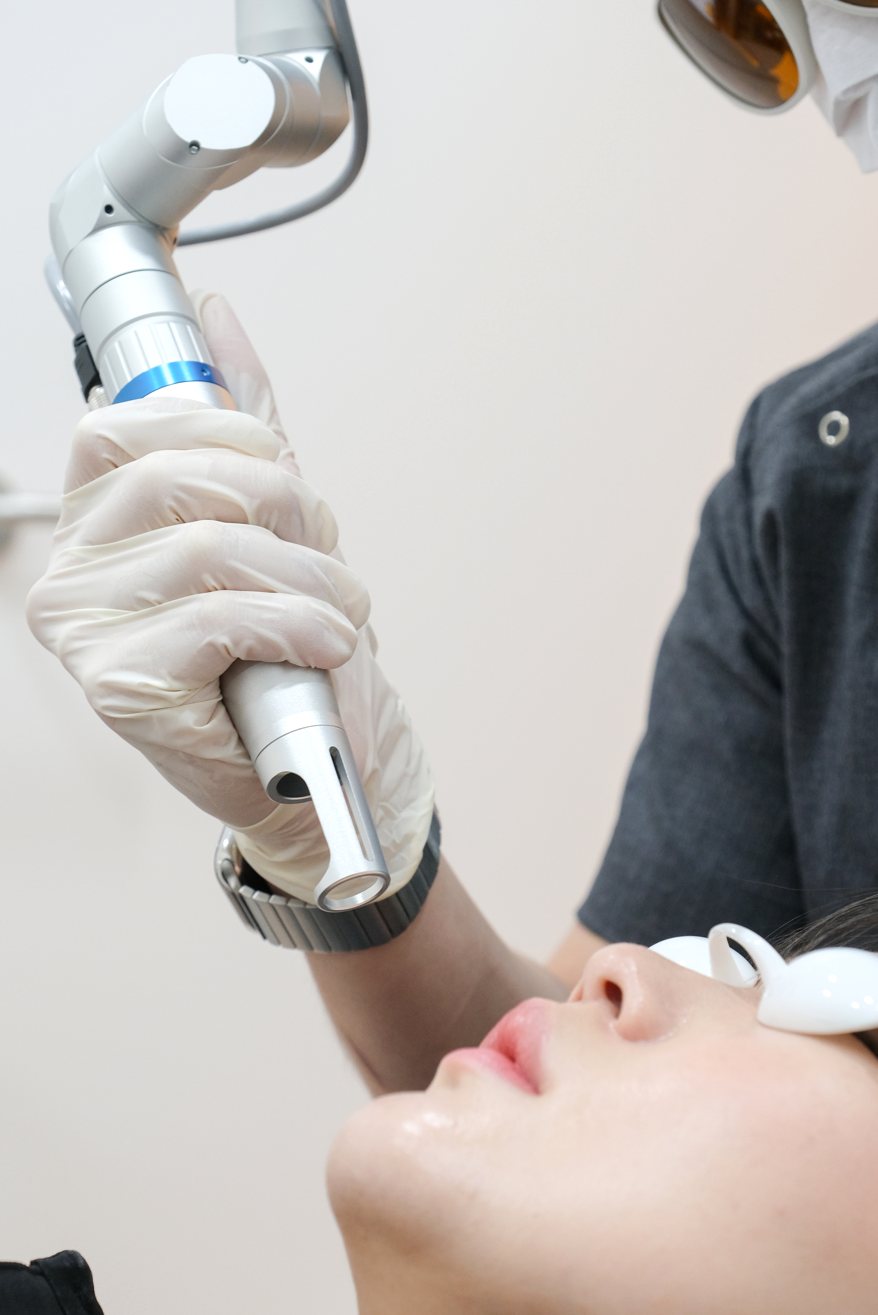
Our Clinic's Focus
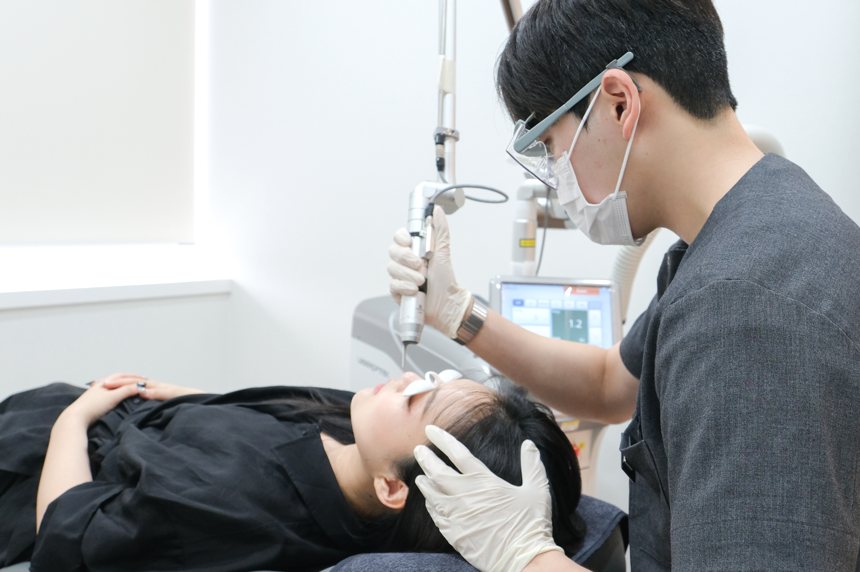
Procedures for lentigo and blemish removal consistently involve a preliminary consultation with our medical director, followed by discussions with medical staff.
We prioritize minimizing waiting times and providing thorough explanations of essential aftercare tailored to daily routines.
We aim to provide treatments using wavelengths similar to advanced laser technologies, offered at a reasonable value. Our team also provides thorough post-procedure management guidelines, paying close attention to patient education.
Instead of merely advising prolonged application, explaining the appropriate times for cleansing, makeup, and sun protection based on the lesion's current state is more vital for patient satisfaction with recovery.
Fundamentally, the essence of Duoderm after lentigo removal lies not in the patch alone, but in adopting daily habits that support consistent wound healing.
To mitigate color changes and irritation, it is more beneficial to focus on careful management. This includes avoiding friction, preventing UV exposure, and adhering to provided instructions, rather than merely remembering when to remove the dressing.
For the safest outcome, it is advisable to obtain explicit guidance on permissible and restricted activities during the initial days post-procedure.
Frequently Asked Questions
Q. Is prolonged Duoderm application consistently beneficial?
A. Not always. The optimal duration varies with the lesion's state and specific instructions. Maintaining a peeled or contaminated dressing for too long could potentially impede healing.
Q. When is it appropriate to begin facial cleansing?
A. This timeframe may differ based on the treated area's condition and the protective method used. Adhering to the instructions given on the procedure day offers the safest approach.
Q. What are the key factors in minimizing hyperpigmentation?
A. The primary considerations include consistent UV protection, reducing physical friction, and refraining from forcibly disrupting scabs or protective dressings.

Related notes
Procedure notes worth reading next.


Loading menu…