

3 Tips for Choosing a Scar Treatment Clinic and the Principle of Potenza Beomgye, Pyeongchon, Beomgye Station, Pyeongchon Station, Hogye-dong, Bisan-dong, Gwanyang-dong, Dongan-gu, Indeogwon, Geumjeong, Anyang
This is Gyeonggi Anyang Beomgye KKEUT Korean Clinic's procedure note on 3 Tips for Choosing a Scar Treatment Clinic and the Principle of Potenza.
When looking for a scar treatment clinic, the first thing to check is the principle of the procedure.
The main reason scars remain after acne or injuries heal is that the arrangement of collagen tissue becomes irregular during the recovery process of the damaged dermis.
These scars often do not smooth out naturally over time, so an appropriate procedural approach may be necessary.
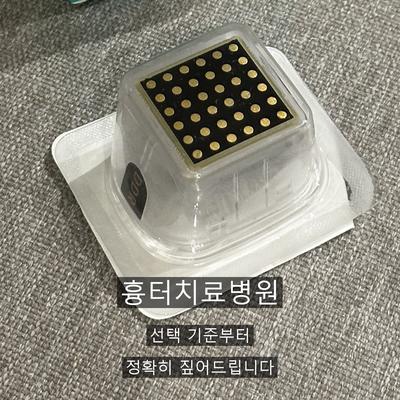
When choosing a clinic for scar treatment, the first criterion is to check whether the medical staff clearly explains the principle of the procedure.
Potenza works by having micro-needles reach the dermal layer, then directly emitting high-frequency energy from the needle tips.
Unlike past methods that shaved off the skin surface, this is designed to minimize damage to the skin surface while intensively inducing regeneration of the dermal layer.
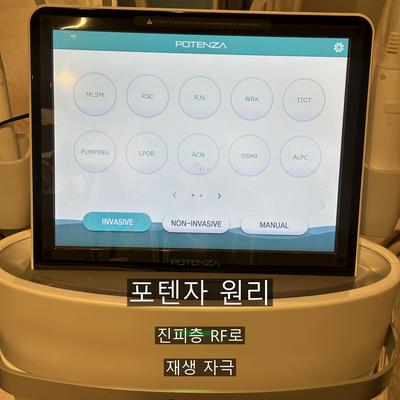
To improve scars, it is important to accurately deliver energy to the dermal layer.
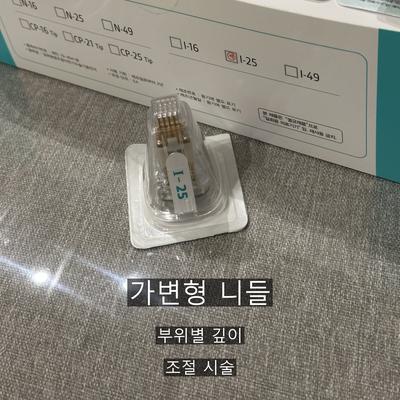
The second criterion is whether the needle depth and tip type can be adjusted to suit each area and treatment purpose.
Potenza has a flexible structure that allows for precise adjustment of needle depth from 0.5mm to 3.5mm, depending on the treatment area and goals.
If a depressed scar with varying depths is treated with the same intensity, the results may not be uniform, making this precise adjustment capability crucial.
The third criterion is clear guidance on the number and interval of treatments, along with transparent disclosure of the number of shots performed.
While the recommended number of treatments may vary among scar treatment clinics, typically, a cumulative 3 to 5 sessions at intervals of 4 to 6 weeks are considered.
While you may experience an improvement in skin texture after a single session, the fundamental recovery of deep scars often occurs gradually through multiple treatments.
In addition to acne scars and depressed scars, Potenza treatment can also be applied to sagging pores, melasma, and overall skin tone improvement.
Melasma is not so much a problem with the pigment itself, but rather a state where melanin-producing melanocyte cells react hypersensitively. RF energy works by calming this excessive excitation of melanocytes.

Pain during the procedure is generally tolerable as it is performed after applying anesthetic cream.
Immediately after the procedure, redness and tiny pinpoint bleeding spots may be visible on the skin. These typically subside within 1 to 2 days, but depending on individual skin type or treatment intensity, they could last up to a week.
Makeup is possible from the day after the procedure, but it is recommended to refrain for about 3 days to protect the skin.
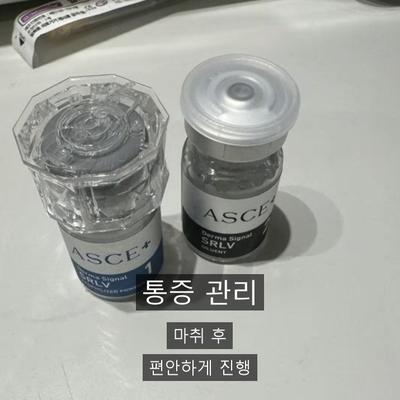
After the procedure, avoid heat-generating activities such as saunas, strenuous exercise, and alcohol for 1 to 2 days. Ample moisturizing and thorough sun protection can aid skin recovery.
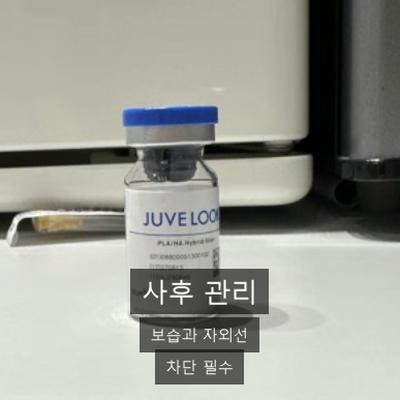
Kkeut Korean Medicine Clinic significantly incorporates the three criteria mentioned above right from the treatment design process.
When combining with skin boosters, Kkeut Korean Medicine Clinic uses a Potenza-specific pumping tip to precisely inject the medication into the dermal layer.
This method utilizes the positive pressure created when the needles withdraw from the skin, which can contribute to a higher absorption rate compared to conventional topical drug application.
Kkeut Korean Medicine Clinic strictly adheres to hygienic principles by using a single-use tip per person for all procedures and disposing of it immediately after use, never reusing tips.
Kkeut Korean Medicine Clinic enhances treatment density by meticulously adjusting needle depth for each area of concern and applying a layering technique with overlapping shots.
Kkeut Korean Medicine Clinic utilizes its unique layering technique to provide customized treatments for each area.
Kkeut Korean Medicine Clinic meticulously performs treatments, using the promised number of shots sufficiently to ensure energy is evenly delivered across the entire skin.
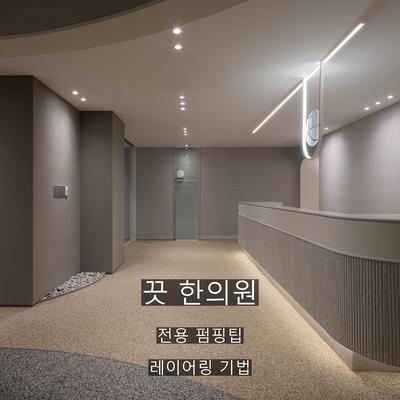
Frequently Asked Questions
Q. What should I check first when choosing a scar treatment clinic?
A. When selecting a clinic for scar treatment, it is advisable to first check the basic principles of the procedure and whether needle depth adjustment is possible. Kkeut Korean Medicine Clinic explains these points in detail during consultations.
Q. How many Potenza treatments should I receive at a scar treatment clinic?
A. We generally recommend a cumulative 3 to 5 sessions at intervals of 4 to 6 weeks. The number of treatments may vary depending on the depth of the scar or individual skin condition.
Q. What is the downtime after scar treatment at a clinic?
A. Generally, redness after the procedure subsides within 1 to 2 days. However, there can be individual differences, and it may last up to a week. Kkeut Korean Medicine Clinic provides detailed guidance on the expected recovery period before treatment.
Q. Is there a reason why the number of shots varies between scar treatment clinics?
A. The number of shots may differ because each medical institution has different treatment protocols and standards. When choosing a scar treatment clinic, it is important to check whether they transparently disclose the number of treatment shots.
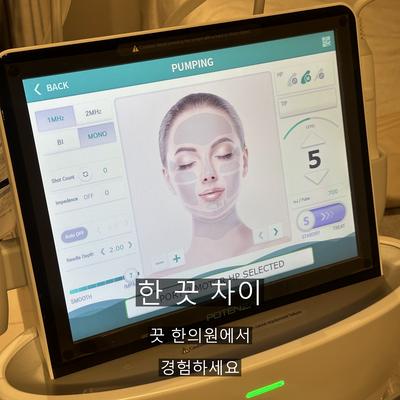
The Sincerity of Kkeut Korean Medicine Clinic
Kkeut Korean Medicine Clinic strives for effective improvement through a treatment method that precisely delivers medication to the dermal layer using a Potenza-specific pumping tip.
Kkeut Korean Medicine Clinic ensures patients can receive treatment with peace of mind through strict hygiene management, using only one tip per person and disposing of it immediately.
Kkeut Korean Medicine Clinic aims to achieve positive results along with treatment safety by utilizing a layering technique that adjusts needle depth for each area.
Learn more about the positive changes that precise treatment can create through a consultation at Kkeut Korean Medicine Clinic.
Related notes
Procedure notes worth reading next.


Loading menu…