

Find out for yourself: Is hair removal pain greater or lesser than you expect? Beomgye, Pyeongchon, Beomgye Station, Pyeongchon Station, Hogye-dong, Bisan-dong, Gwanyang-dong, Dongan-gu, Indeogwon, Geumjeong, Anyang
4/9/2026
This is a procedure note for Find out for yourself: Is hair removal pain greater or lesser than you expect? at Gyeonggi Anyang Beomgye KKEUT Korean Clinic.
When considering laser hair removal, a common question is regarding the discomfort level during the procedure. Even with promising results, significant pain can lead to hesitation. Conversely, some individuals expect no pain at all and are surprised by the actual sensation.
However, the perception of hair removal pain is not universal. It can differ greatly depending on the specific area treated, as well as individual factors like hair thickness and density, skin sensitivity, and even one's overall condition on the day of the session.
Therefore, instead of relying on sensational reviews or inflated claims, we aim to provide a realistic understanding of discomfort during the process, highlighting which areas might be more sensitive.
Laser hair removal operates by directing thermal energy to the hair follicles, so some degree of sensation during the procedure is a natural expectation.
This sensation is typically not unbearable, but rather described variably based on the body area and individual tolerance. Common descriptions include a slight prickling, a fleeting warmth, or a momentary tingling.
Thus, a more practical approach to understanding discomfort involves considering the specific treatment area and the conditions surrounding the procedure, rather than a simple 'yes or no' to pain.
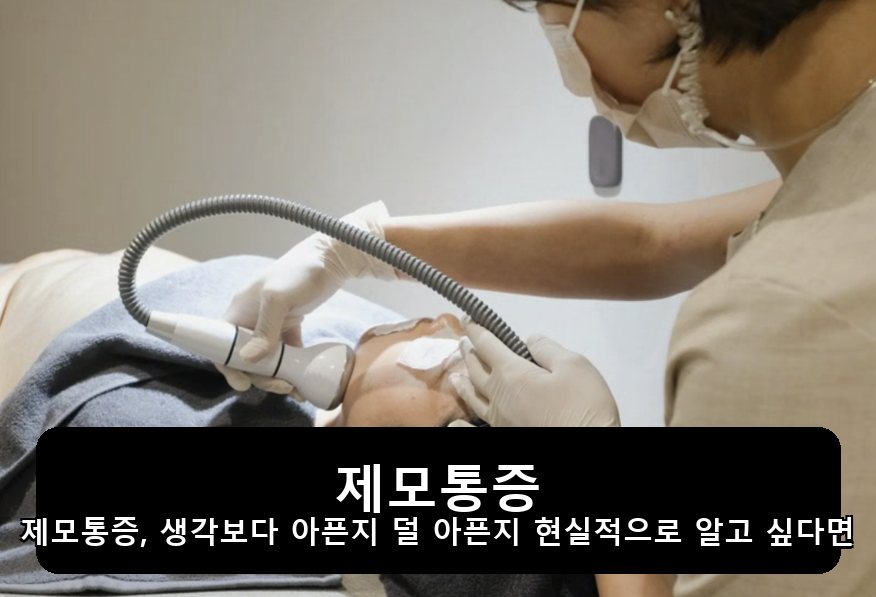
For those specifically concerned about hair removal pain, it is helpful to anticipate that areas with coarser hair and more sensitive skin, like the armpits, upper lip, and bikini line, may experience a more pronounced sensation.
In contrast, larger body areas such as the arms or legs may involve longer procedure times due to their surface area, yet many individuals report perceiving the immediate sensation itself as different.
Even within the same treatment area, the intensity of sensation can fluctuate with factors like insufficient sleep, menstrual cycle phases, skin dryness, or recent shaving. Consequently, relying solely on another person's single review to predict your own experience may not be accurate.
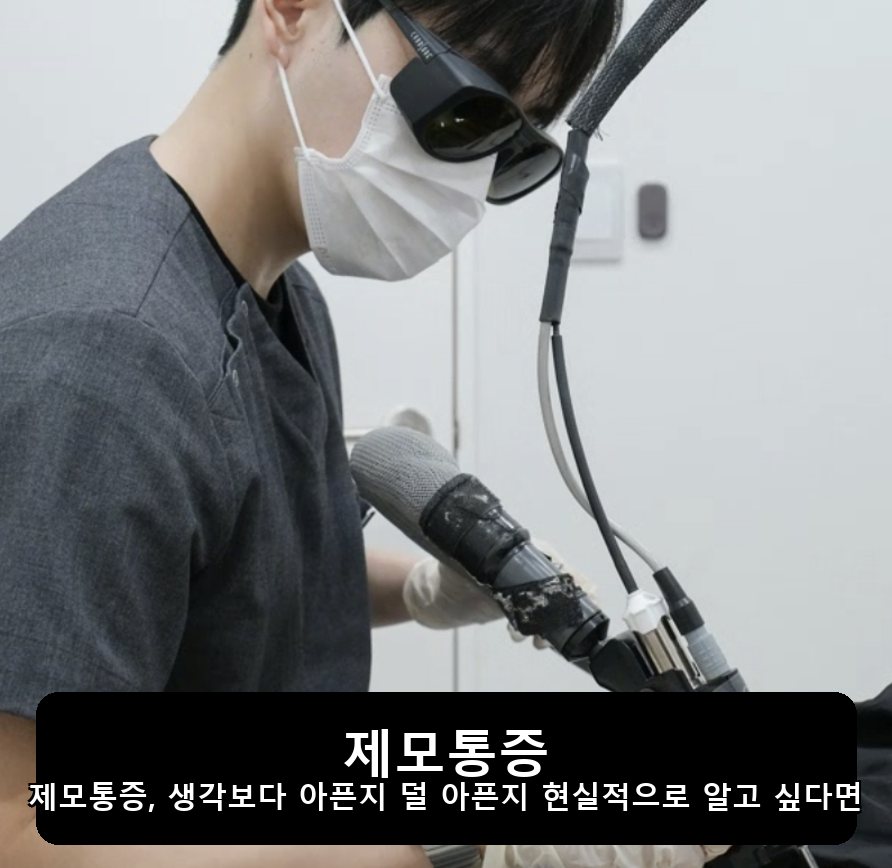
The key is not to consistently opt for the most aggressive settings, but rather to undergo regular treatments using parameters tailored to your specific skin condition and hair characteristics.
If discomfort is a concern, adopting an overly cautious approach might lead to unsatisfactory results. Conversely, if you do not clearly express your discomfort, the procedure experience may become more challenging.
Hence, prior to the procedure, it is advisable to openly discuss any sensitive areas, the need for anesthetic cream, or your past hair removal experiences. This dialogue helps in mitigating unnecessary apprehension and can stabilize the actual sensations perceived.
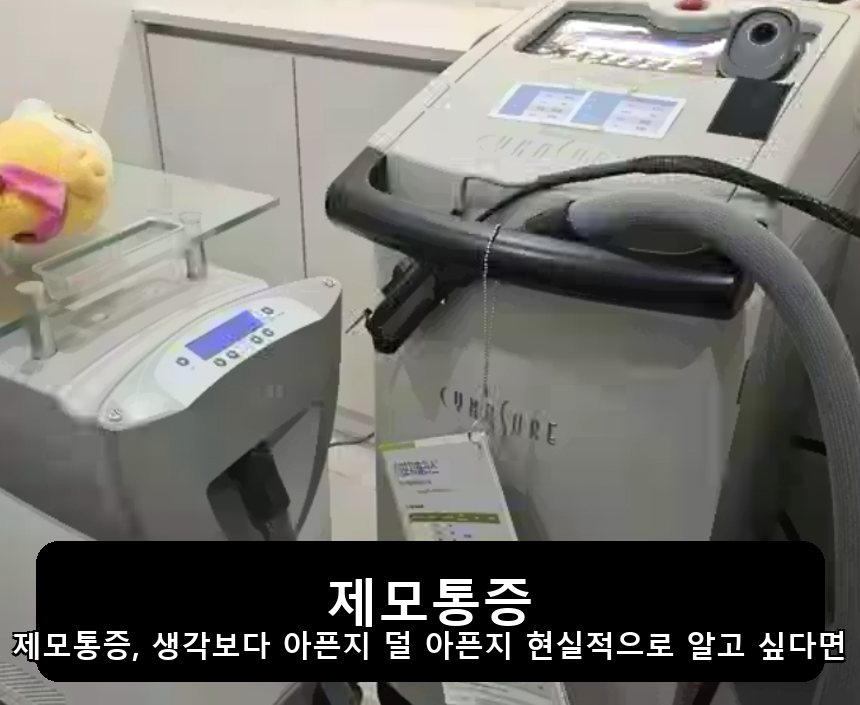
In conclusion, hair removal pain is not a matter of undue fear, but rather about understanding and preparing for the variations that arise from different body areas and individual responses.
Review of Academic Literature and Clinical Observations
1. Published literature on laser hair removal indicates that transient stinging or warmth can be experienced during treatment, and the sensation of pain may differ based on the anatomical region, hair caliber, and individual sensitivity thresholds.
2. Studies on pain perception in dermatological procedures suggest that even when using identical energy devices, anatomical variations across body regions and the patient's psychological state can influence the perceived level of discomfort.
3. In practical clinical settings, it is frequently observed that more sensitive or densely haired areas, such as the upper lip, armpits, and bikini line, tend to elicit a relatively higher sensation of pain. Thorough pre-procedure explanations and preparation are beneficial for enhancing patient satisfaction.
Key Characteristics of Our Clinic
At our clinic, laser hair removal procedures consistently begin with a consultation with the director, and a thorough discussion with the medical staff is a mandatory step.
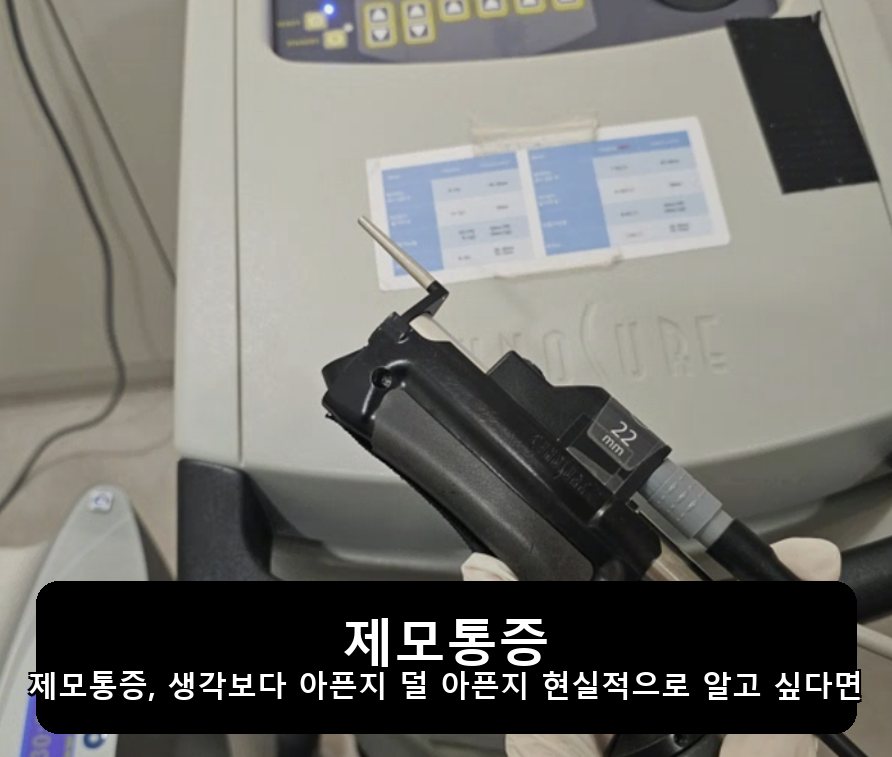
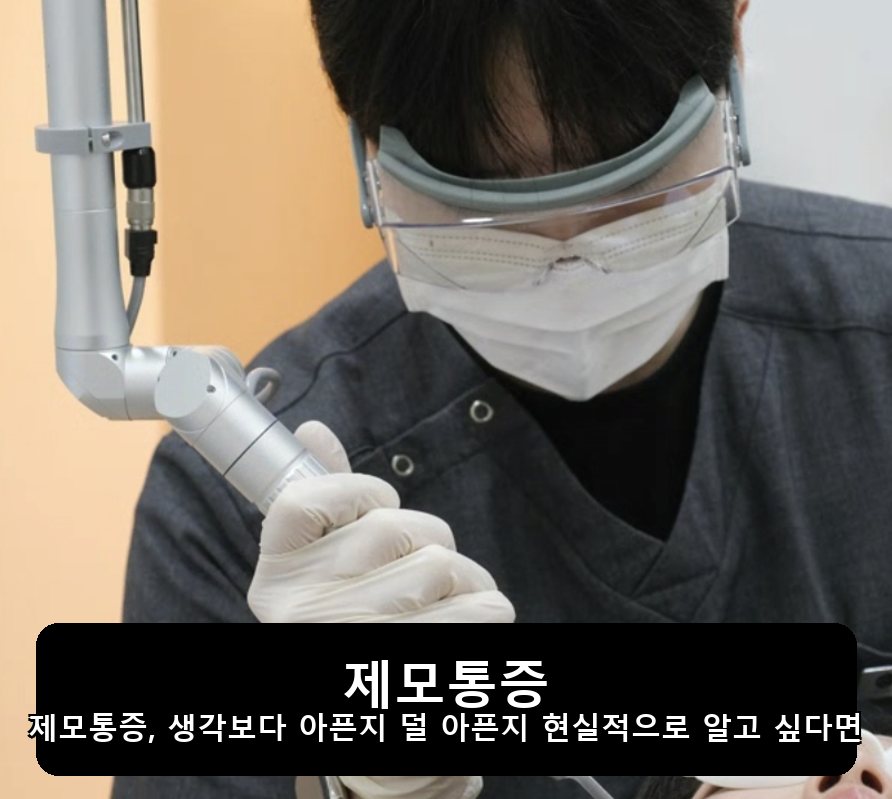
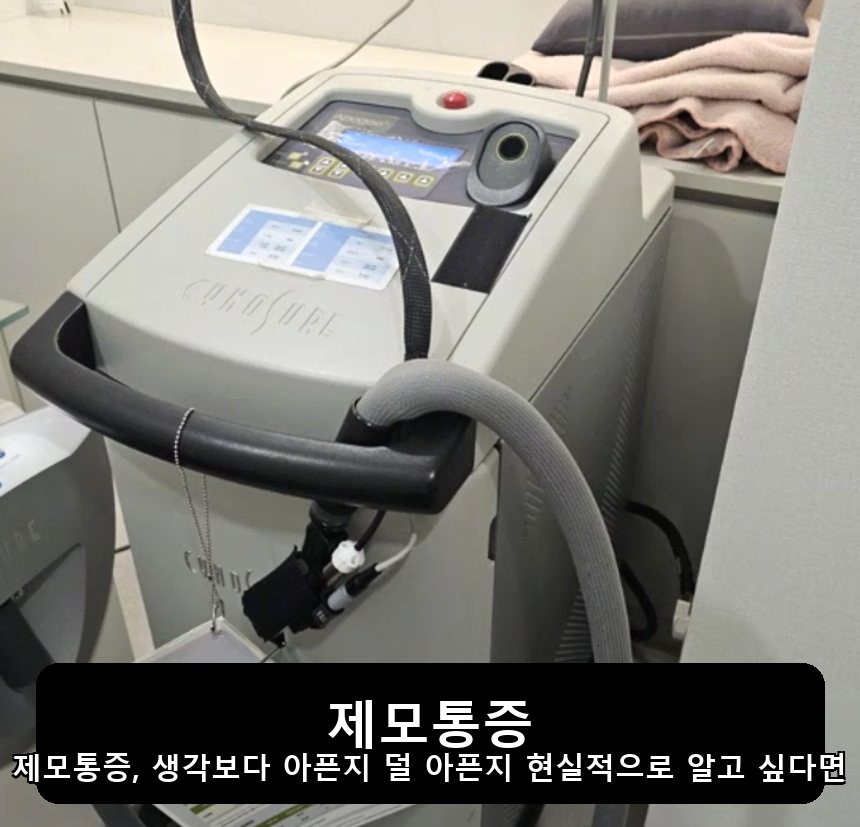
We prioritize utilizing quality imported laser equipment and upholding rigorous completion standards until individuals express satisfaction with their hair removal outcomes.
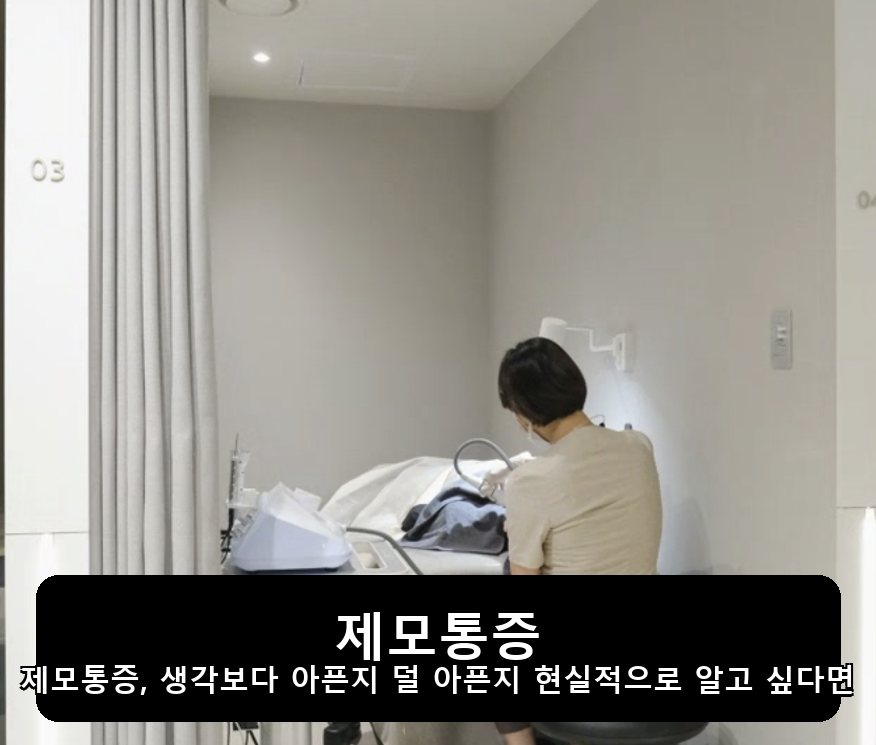
We strive to minimize waiting periods through efficient operations, aiming to facilitate smoother management of both pre-procedure apprehension and post-procedure comfort.
Instead of simply advising patients to endure, we believe a more secure and practical approach involves actively listening to concerns about sensitive areas and potential discomfort first, then providing thorough explanations.
Ultimately, hair removal pain is not an issue with a universal answer, but rather one that can be approached with significantly reduced anxiety through understanding regional differences and individual responses.
Rather than being apprehensive and postponing treatment, understanding why certain areas might be more sensitive and openly communicating this during a consultation can contribute to greater satisfaction.
Effective hair removal begins with a nuanced understanding of discomfort across different areas. Rather than simply asserting a pain-free experience, a clinic that thoroughly explains potential sensations and devises a tailored plan offers a more thoughtful approach.
Common Questions Regarding Hair Removal
Q. Is there a notable difference in the level of discomfort depending on the body area during hair removal?
A. Indeed. Areas such as the upper lip or armpits, where hair tends to be thicker and the skin is more sensitive, may experience a more pronounced sensation compared to other regions.
Q. Is anesthetic cream always required for all hair removal procedures?
A. This depends on the specific treatment area and an individual's pain threshold. If you have considerable concerns about discomfort, it is advisable to discuss these fully with the medical staff during your pre-procedure consultation.
Q. Does experiencing more discomfort during the procedure necessarily indicate greater treatment effectiveness?
A. Not necessarily. The key is consistent treatment using energy settings precisely calibrated for your skin type and hair attributes, rather than the level of pain experienced.
Related notes
Procedure notes worth reading next.


Loading menu…