

Melasma that doesn't improve with melasma serum: Why Laser Toning is the answer Beomgye, Pyeongchon, Beomgye Station, Pyeongchon Station, Hogye-dong, Bisan-dong, Gwanyang-dong, Dongan-gu, Indeogwon, Geumjeong, Anyang
9/5/2026
This is a procedure note for Melasma that doesn't improve with melasma serum: Why Laser Toning is the answer at Gyeonggi Anyang Beomgye KKEUT Korean Clinic.
Many people are concerned that their melasma spots on their face do not lighten even after consistently using melasma serum for several months.
Even after trying various types of serums, the lack of change in pigmentation is not solely due to the presence or absence of specific ingredients.
This is because there is a difference between the depth at which melasma serum is absorbed into the skin and the skin layer where melasma pigment is actually located.
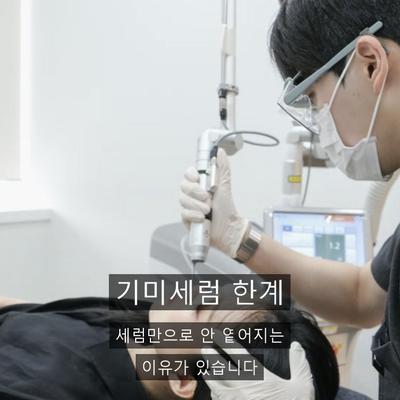
Our skin consists of the stratum corneum on the outermost layer, followed by the epidermis, and the deepest layer, the dermis.
The active ingredients in general cosmetics usually only reach the stratum corneum, the outermost layer of the skin.
On the other hand, melasma pigment is produced by melanocytes in the epidermal basal layer, which is deeper than the stratum corneum.
No matter how consistently you apply serum, there are limitations to directly breaking down already formed pigments.
The skin layer where melasma serum acts and the layer where melasma pigment is located are different
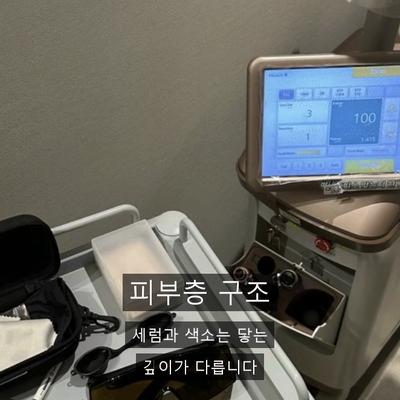
Melasma begins to appear when melanocytes become hypersensitive due to UV exposure, hormonal changes, or continuous friction and irritation.
Once activated, melanocytes continuously produce melanin pigment whenever stimulated.
Simply calming the skin surface may not be enough to stop this pigment production reaction itself.
Melasma serums containing skin-brightening functional ingredients primarily focus on a supplementary role in inhibiting new melanin production.
However, there are limitations in directly removing existing pigmentation deeply embedded in the dermal layer of the skin.
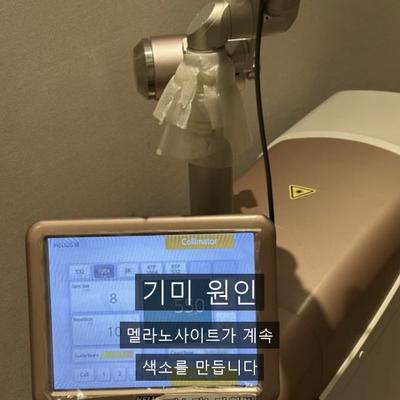
Due to these points, laser toning can be considered as an approach to effectively address existing pigmentation.
Laser toning utilizes the principle of precisely delivering laser energy of a specific wavelength to melanin pigment, finely fragmenting those pigment particles.
By applying relatively weak energy in multiple fractional passes, it ensures sufficient energy delivery to the pigment layer located between the epidermis and dermis.
This allows laser energy to reach pigments at depths that serums find difficult to penetrate, enabling a differentiated approach to melasma improvement.

Since it involves repeatedly applying low-intensity laser, it is known as a procedure with relatively less pain.
Most procedures can be performed without anesthetic cream, and the treatment time is relatively short, around 20 minutes.
Immediately after the procedure, a slight redness may appear, but most cases show calming within the same day.

Rather than expecting satisfactory results from a single session, laser toning aims for gradual improvement through consistent, cumulative treatments.
Generally, it is performed over several sessions at 1-2 week intervals, with laser energy intensity adjusted based on a close observation of each individual's pigmentation status.
After clearing existing pigmentation with laser treatment, maintenance care involving melasma serum to suppress new melanin production should be combined.
When consistently managed with serum in conjunction with the procedure, it can help reduce the risk of pigmentation recurrence and maintain a clear skin tone for a long time.
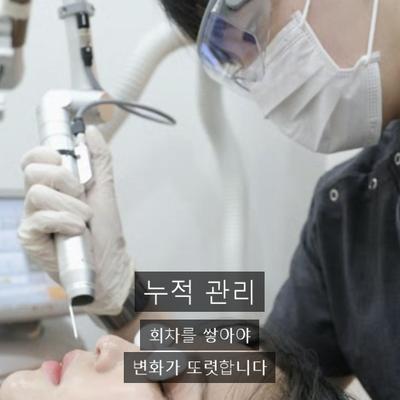
Sun protection cannot be overemphasized in post-procedure care.
This is because re-exposure to UV light can stimulate melanocytes, leading to the potential recurrence of pigmentation.
Therefore, it is important to apply sunscreen meticulously along with sufficient soothing care after the procedure.
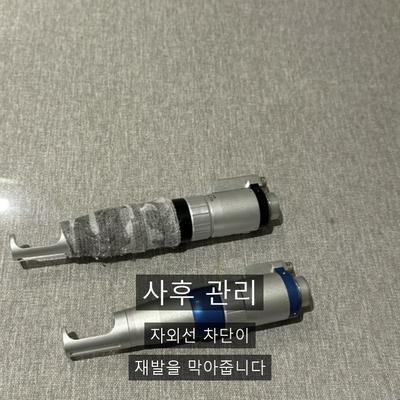
Melasma serum and laser treatment are not substitutes for each other but complementary treatments that create synergy
Many people believe that melasma will completely disappear with melasma serum alone, but this may differ from realistic expectations when considering the physiological characteristics of the skin.
Considering the depth of pigmentation in the skin, melasma serum can be seen as playing a supplementary role, while laser toning provides a more fundamental approach.
Our medical team carefully approaches melasma concerns that are difficult to improve with melasma serum alone through laser toning.
Our medical team provides the appropriate irradiation dose for each treatment session and emphasizes communication by reviewing that dose with the patient after the procedure.
We establish a treatment plan that delicately focuses on areas where melasma is more prominent, while also considering the overall facial skin tone balance.
Our medical team carefully observes skin reactions during each treatment session and adjusts the laser energy according to the individual's condition to induce gradual improvement.
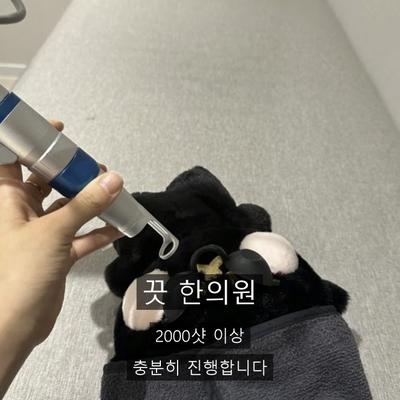
Appropriate Laser Dosage and Delicate Targeting
Frequently Asked Questions
Q. Can melasma improve with consistent use of melasma serum alone?
A. Melasma serum can help inhibit new melanin production, but it has limitations in completely removing deeply embedded pigmentation. In such cases, combining treatments like laser toning may be effective.
Q. Is it okay to combine melasma serum and laser toning treatments?
A. Yes, it is possible. Managing consistently with melasma serum after improving pigmentation with laser toning can help reduce the risk of pigmentation recurrence.
Q. How many laser toning sessions are needed to see changes that are difficult to achieve with melasma serums alone?
A. Treatment effects may vary from person to person. Generally, when consistently performed 10 or more times at 1-2 week intervals, you can expect to see changes in areas where improvement was difficult with melasma serums.
Q. What could be the reason why improvements were minimal even after using various types of melasma serums?
A. Rather than an issue with the ingredients themselves, it is often because the skin layer reached by the serum does not match the skin layer where the melasma pigment is located. At our clinic, we help accurately determine the depth of the pigment through consultation.
Values We Pursue at Our Clinic
For each session, we ensure sufficient irradiation, performing treatments based on a minimum of 2000 shots. This promotes improvement in treatment efficacy.
Areas with dense melasma are treated with more detailed focus. This precise approach is aimed at enhancing the effectiveness of the treatment.
For each session, we progressively adjust energy levels, considering the skin's condition. This cumulative approach is designed to maintain treatment stability while allowing for gradual improvement.
Refined Treatment Approach At our clinic, we help achieve improvement through delicate treatment plans tailored to each individual's skin condition.
Related notes
Procedure notes worth reading next.

3 Criteria to Consider When Choosing a Clinic for Melasma Treatment
2026. 10. 5.

Criteria for Choosing a Melasma Treatment Clinic: Accurate Diagnosis, Customized Treatment Plan, Thorough Aftercare
2026. 10. 9.

Melasma Always Comes Back? The Solution to Persistent Recurrence is 'Laser Treatment'.
2025. 11. 28.
Loading menu…