

Firming Lasers: What's the Difference Between Radiofrequency and Ultrasound Methods? Beomgye, Pyeongchon, Beomgye Station, Pyeongchon Station, Hogye-dong, Bisan-dong, Gwanyang-dong, Dongan-gu, Indeogwon, Geumjeong, Anyang
10/24/2026
This is a procedure note for Firming Lasers: What's the Difference Between Radiofrequency and Ultrasound Methods? at Gyeonggi Anyang Beomgye KKEUT Korean Clinic.
Elasticity laser is not the name of a specific device. You can understand it as a general term for various procedures that use thermal energy to improve skin elasticity.
These treatment methods are broadly divided into two types: radiofrequency (RF) and ultrasound. They differ in the depth to which energy reaches the skin and the way heat is generated.
We explain both methods based on their principles, and we guide you through the treatment process, especially focusing on the radiofrequency device, Tensserma.
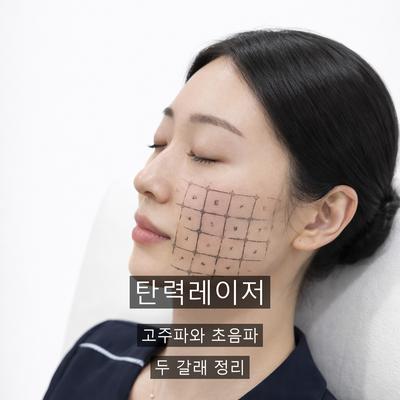
Main Methods of Elasticity Lasers: Radiofrequency and Ultrasound
Representative devices for radiofrequency methods include Tensserma, Oligio, and Density.
Ultherapy and Shurink belong to the ultrasound method.
All five of these devices share the common goal of stimulating collagen within the skin using thermal energy.
The main differences lie in the energy source that generates heat (electricity or ultrasound) and the location where this heat converges within the skin tissue.
If you understand the principles first, rather than just the names of the devices, you will be able to more easily grasp the explanations provided during your consultation.
Once you understand the basic principles of each treatment, you can set your own standards for what results to expect and what questions to ask, even if the device names differ.
Principle of Radiofrequency Method
Radiofrequency utilizes a method where electrical energy is converted into heat by the resistance it encounters as it passes through skin tissue.
When this heat warms the dermis and subcutaneous tissue, existing collagen contracts, which then induces new collagen production, aiding in skin regeneration.
Thanks to the characteristic of energy being widely distributed and delivered to the skin surface, it is primarily used for improving skin texture, reducing fine lines, and managing elasticity in thin and dry skin.
In this treatment, a crucial factor is whether the thermal energy is evenly delivered throughout the skin, rather than being concentrated in a specific area.
Tensserma, Oligio, and Density all belong to the radiofrequency category, but each device shows slight differences in the structure through which it delivers energy to the skin.
Radiofrequency treatments focus on improving the overall elastic environment of the skin by delivering heat from the superficial layer to the subcutaneous tissue.
Principle of Ultrasound Method
Ultrasound is a focused method that precisely irradiates energy concentrated at a single point.
Without affecting the skin surface, thermal coagulation points are created at a predetermined depth, primarily targeting the SMAS layer, which is the fascial layer.
The focal depth is determined by the specifications of the tip used, so various tips, such as 4.5mm, 3.0mm, 2.0mm, and 1.5mm, are selected and used according to the treatment area.
Concerns about sagging facial lines are closely related to the deeper supportive structures of the skin, making ultrasound methods primarily considered.
Ultherapy and Shurink are precisely the devices that belong to this ultrasound category.
Since heat is generated point by point, the choice of tip and the location where energy is irradiated are crucial factors determining the treatment results.
Recommended Candidates for Each Method
If rough skin texture or overall loss of elasticity is your primary concern, a radiofrequency treatment could be the first step in your consultation.
On the other hand, if you are concerned about sagging jawlines or cheek lines, it is advisable to first consult about ultrasound treatments.
There are also many people who have both concerns simultaneously.
Ultrasound, which targets deeper layers, and radiofrequency, which manages superficial layers, act on different skin depths, so there are cases where treatments are combined to achieve complementary effects.
Rather than definitively stating which method is better, the most suitable combination can vary depending on an individual's skin thickness and the pattern of sagging.
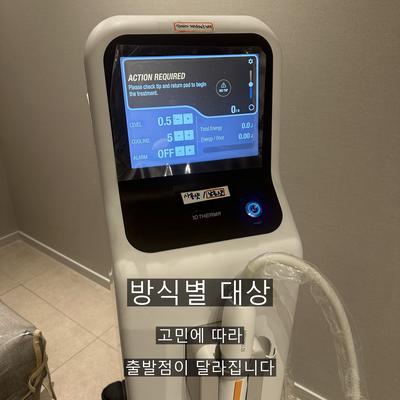
Three Considerations Before Treatment
First is to check the degree and pattern of sagging. Since sagging is less visible when lying down, it is better to assess your skin condition while sitting upright first.
Second is the skin thickness in each area. The skin thickness varies in different parts of the face, such as above the cheekbones, under the jaw, and on the cheeks, so applying the same intensity to the entire face may not be appropriate.
Third is the recovery schedule after treatment. Reactions such as swelling or redness can vary among individuals, so if you have an important appointment, we recommend discussing it thoroughly in advance.
By comprehensively considering these three factors, you can establish clearer criteria for choosing the treatment method that is right for you.
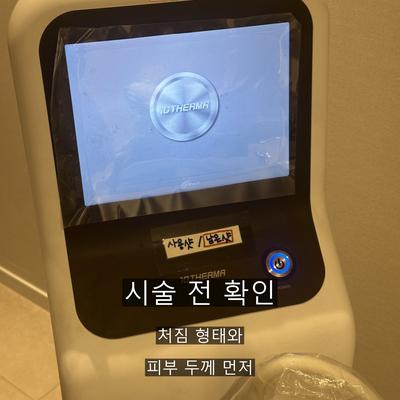
Our KKEUT Korean Medicine Clinic's Tensserma Treatment Has a Special Approach
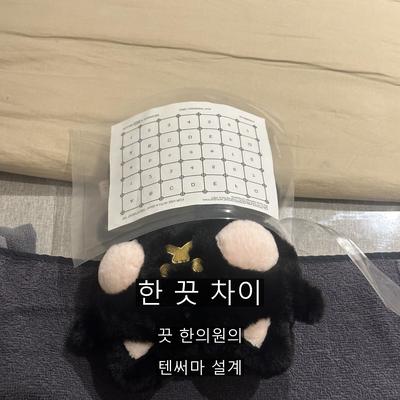
Tensserma is a lifting device that utilizes radiofrequency energy. We begin the treatment process by meticulously designing a grid pattern on the tip while the patient is in a seated position.
By strategically placing energy over this grid design, heat is delivered more evenly across the entire face, helping to reduce missed or overlapping treatment areas.
While drawing lines directly on the face to divide it into sections is a time-consuming process, we believe it's the first step towards achieving uniform heat distribution.
During the actual treatment, we apply the 'Superpass Technique,' repeatedly passing the tip to continuously enhance the thermal delivery efficiency of the accumulated energy.
Rather than delivering concentrated heat at once, this method gradually raises the temperature to maintain heat within the skin.
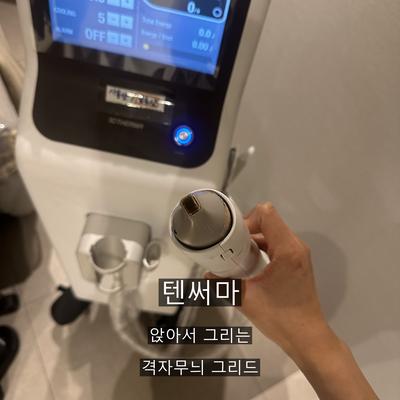
The Superpass method is a technique that involves repeatedly passing over the same area multiple times in a row, where the practitioner's skill and accurate judgment play a crucial role.
At our clinic, we establish detailed plans during the design phase before treatment and proceed with the treatment accordingly to enhance accuracy.
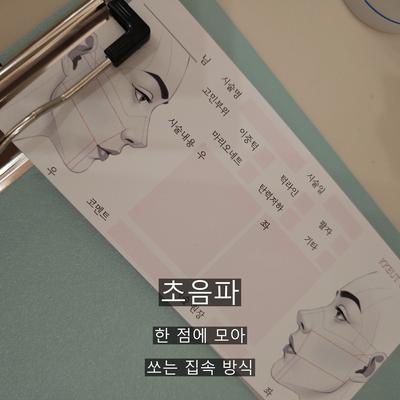
After the treatment, a lifting card is created to record and share treatment information.
The recorded treatment details are used as comparative data with past treatments during subsequent consultations, which can assist with ongoing management.
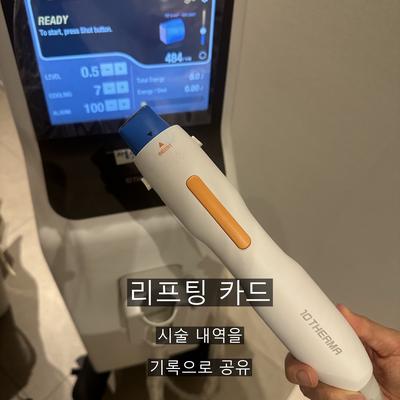
Lifting treatments have the characteristic that patients find it difficult to immediately observe the changes themselves, making it important to keep such records.
Even when choosing ultrasound lifting treatments, a design phase is carried out beforehand according to the same principles, and treatment details are provided in detail via a card.
When explanations of the method, design plans, and treatment records are systematically linked during a consultation for elasticity laser treatment, treatment results can be compared and understood more clearly.
Frequently Asked Questions
Q. For elasticity laser treatments, should I choose radiofrequency or ultrasound?
A. The most suitable method for elasticity laser treatment can vary depending on whether the skin concern is closer to epidermal texture issues or related to the contours of deeper layers. At our clinic, we carefully examine the degree of sagging and skin thickness while you are seated, and then guide you to the most appropriate method.
Q. How much pain can I expect during elasticity laser treatment?
A. The degree of pain experienced during elasticity laser treatment can vary depending on the method used, the treatment area, and individual settings. Most treatments minimize pain through cream anesthesia, and if you feel any discomfort during the procedure, please feel free to inform us.
Q. Is one session of elasticity laser treatment sufficient?
A. Elasticity laser treatment involves the gradual regeneration and reconstruction of skin tissue after thermal energy stimulation, so the treatment effects tend to appear slowly over time. Therefore, the required number of sessions and frequency will vary depending on the chosen treatment method and individual skin condition, and it is best to decide this together through thorough consultation.
Q. Can I receive both Tensserma and Ulthera among elasticity laser treatments?
A. Even within the range of elasticity laser treatments, Tensserma and Ulthera act on different depths of the skin, so combining the two treatments may be considered. Whether such a combination is suitable for an individual can vary depending on their skin condition, so we will provide detailed guidance after a thorough consultation.
The Sincerity of KKEUT Clinic
At our clinic, we design a grid pattern directly on the skin while the patient is seated before treatment, striving to ensure that thermal energy is delivered more uniformly to the desired areas.
Our clinic utilizes the Superpass technique to ensure sufficient thermal energy accumulation in the treatment area, thereby aiming to achieve treatment goals.
Creating and sharing lifting cards is an important process for transparently recording and managing treatment procedures. Through this, we aim to provide more careful and systematic care to each individual patient.
Results that can change with a delicate approach — You can experience our clinic's treatment philosophy.
Related notes
Procedure notes worth reading next.

Loading menu…