

Achieve Cheekbone Volume with Anterior Lifting for Hollow Cheeks Beomgye, Pyeongchon, Beomgye Station, Pyeongchon Station, Hogye-dong, Bisan-dong, Gwanyang-dong, Dongan-gu, Indeogwon, Geumjeong, Anyang
12/9/2025
This is a procedure note for Achieve Cheekbone Volume with Anterior Lifting for Hollow Cheeks at Gyeonggi Anyang Beomgye KKEUT Korean Clinic.
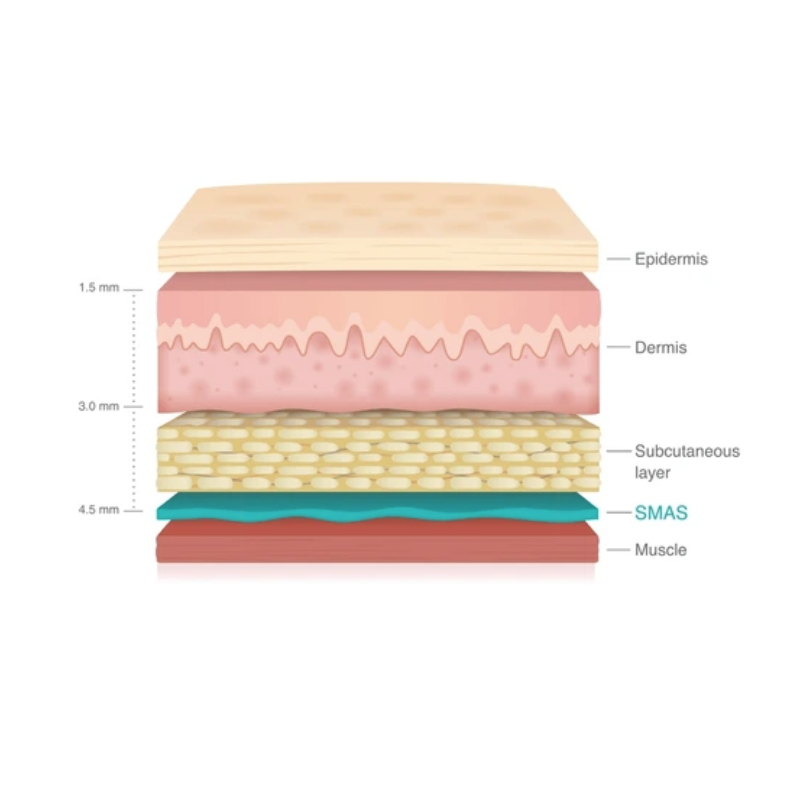 **Cheekbone Depression: Understanding Its Causes,**
and When an Anterior Cheekbone Lift May Be Considered**
In our medical practice,
patients often express diverse concerns regarding their cheekbone region.
Some individuals mention,
“My cheekbones appear sunken,”
while others describe,
“My cheekbone volume seems too prominent.”
However, upon closer facial analysis,
the underlying issue for both sentiments often correlates.
Regardless of whether the cheekbone appears pronounced or recessed,
these perceptions frequently stem
from a condition where the natural positioning of cheekbone volume has shifted.
Therefore,
the cheekbone cannot be assessed solely based on fat quantity.
When factors such as
the delicate superficial tissue over the cheekbone,
the placement of the deeper fat layers,
and the degree of skin elasticity on the surface
are no longer in harmony,
the inherent three-dimensional contour of the cheekbone may diminish.
This can lead to an overall facial appearance that seems fatigued or lacking definition.
For this reason, anterior cheekbone lifting
serves as both
a procedure to restore volume to a more elevated position,
and a method to rejuvenate areas that have lost fullness.
Lifting and volume restoration efforts
are not distinct problems requiring separate solutions,
but rather closely integrated processes.
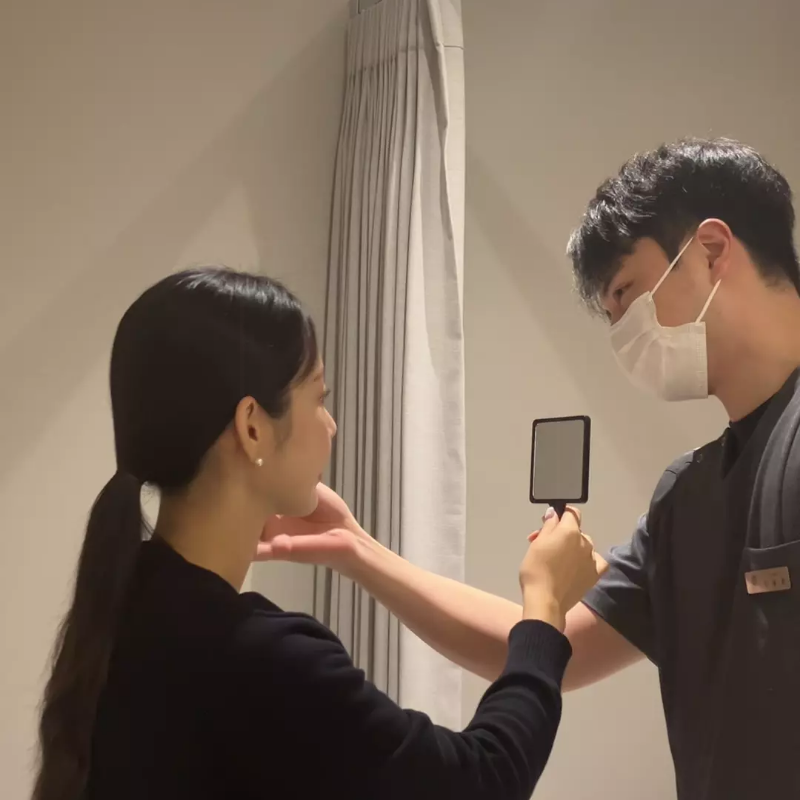
1. Cheekbone hollowness is commonly categorized into two forms:
“Deficiency-type hollowness” and “Sagging-type hollowness.”
A crucial initial step in assessing cheekbone hollowness involves
identifying the specific reason for its sunken appearance.
The chosen treatment approach will differ significantly based on the type.
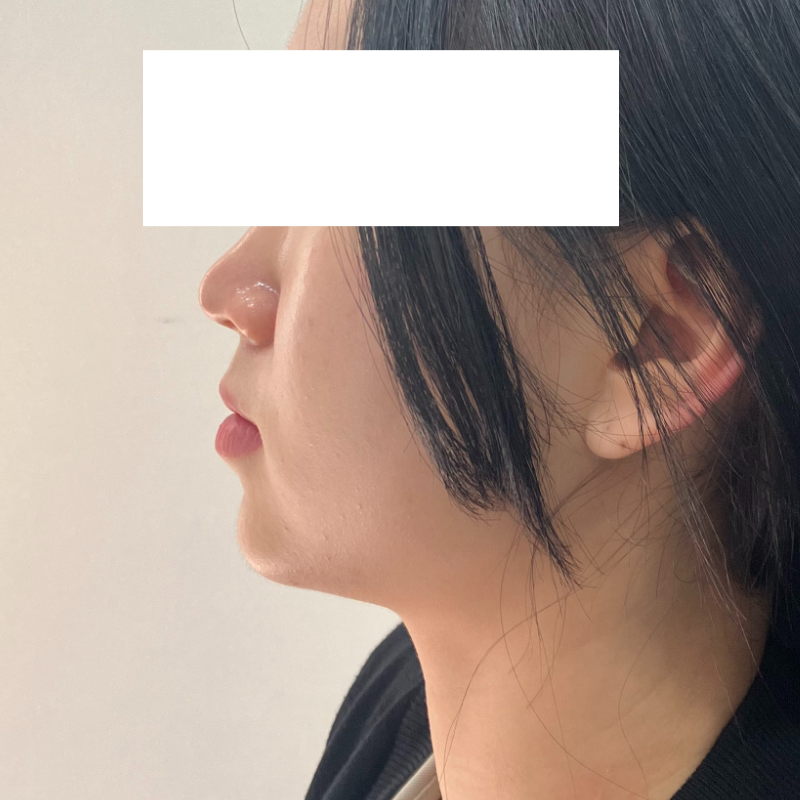
① Deficiency Type
When there is an inherent lack of volume
This description applies to situations where
the soft tissue overlying the cheekbone itself is naturally thin.
This characteristic might be present from birth,
Volume loss can occur due to factors like weight fluctuations or the natural aging process,
both of which commonly contribute to reduced facial volume.
Characteristics
- A noticeable shadow may develop around the prominent part of the cheekbone.
- Smiling might cause the cheekbone area's volume to appear to shift downwards.
- Even procedures aimed at lifting the front cheekbone
- might not fully resolve the hollow appearance.
Such instances indicate that the primary concern is often a lack of true volume,
rather than just an issue of position.
Since lifting alone may not restore lost volume,
prioritizing volume replenishment may be beneficial.
Solution
COVA (Collagen Volume Injection)
The aim is to help
restore the natural contour by carefully adding volume to the hollowed regions.
It is important to avoid adding excessive volume,
as this is generally not required.
Within the cheekbone area,
even subtle volume adjustments can contribute to a notable change in overall facial appearance.
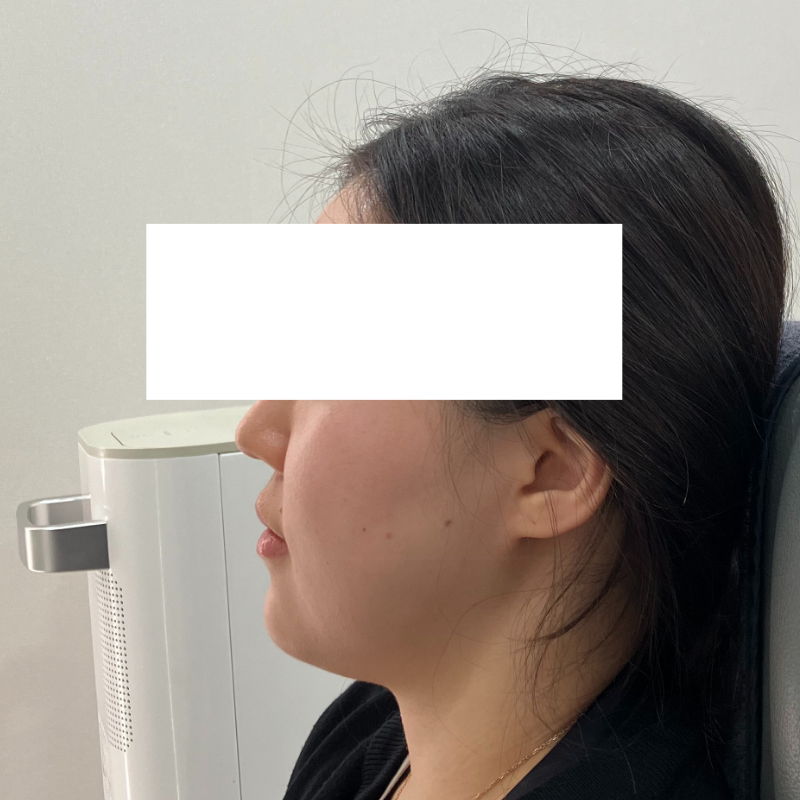
② Sagging Type
This refers to situations where existing facial volume has shifted from its original position.
This presentation is frequently observed.
Though fat tissue may persist above the cheekbones,
the mid-cheek fat pad can descend,
potentially leading to an impression of emptiness in the upper face and heaviness below.
Characteristics
-Volume located beneath the cheekbone may appear to protrude.
-The nasolabial folds and corners of the mouth might exhibit a heavier appearance.
-From a side view, the mid-cheek contour can show a downward sag.
Upon palpation, the fat tissue may give a sensation of being displaced downwards.
Should procedures focused on increasing volume be performed in such instances,
the cheekbones might appear larger than desired.
Instead of focusing on filling procedures, position restoration, through methods like anterior cheekbone lifting, is generally considered first.
Solution
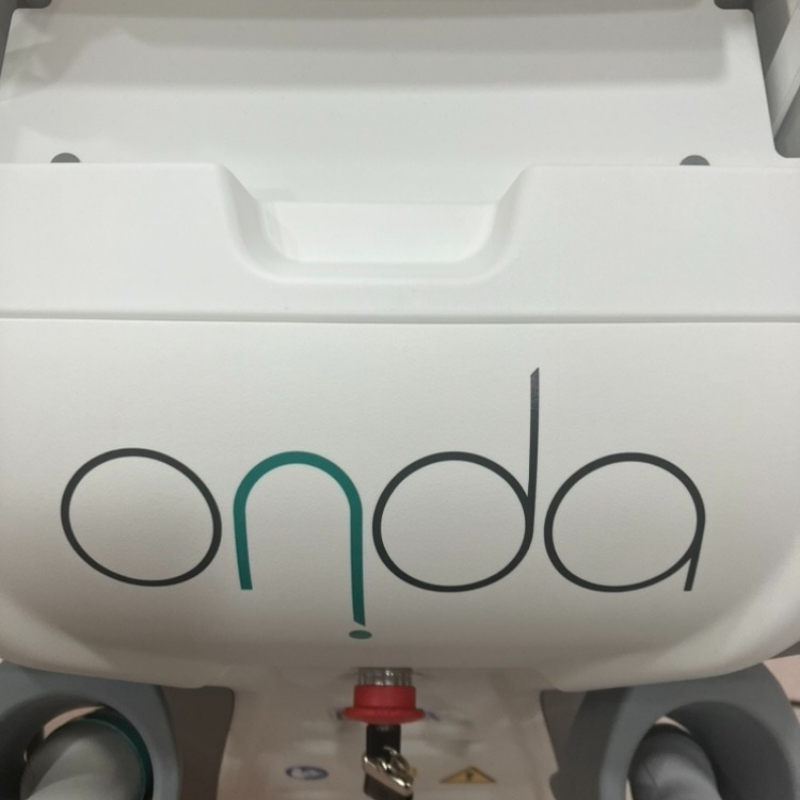
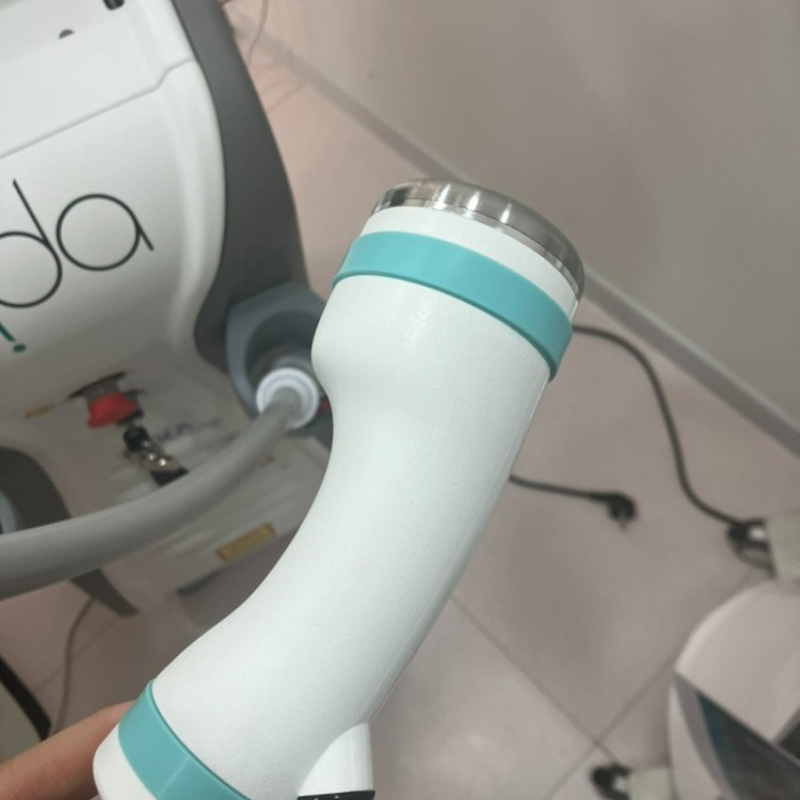
-Onda, Shurink
-Tenssarma, Oligio
This combination of approaches
can be effective in repositioning sagging fat back into place,
and helping to soften shadow lines that form below the cheekbones.
This helps reposition the volume of the cheekbones to a more youthful direction.
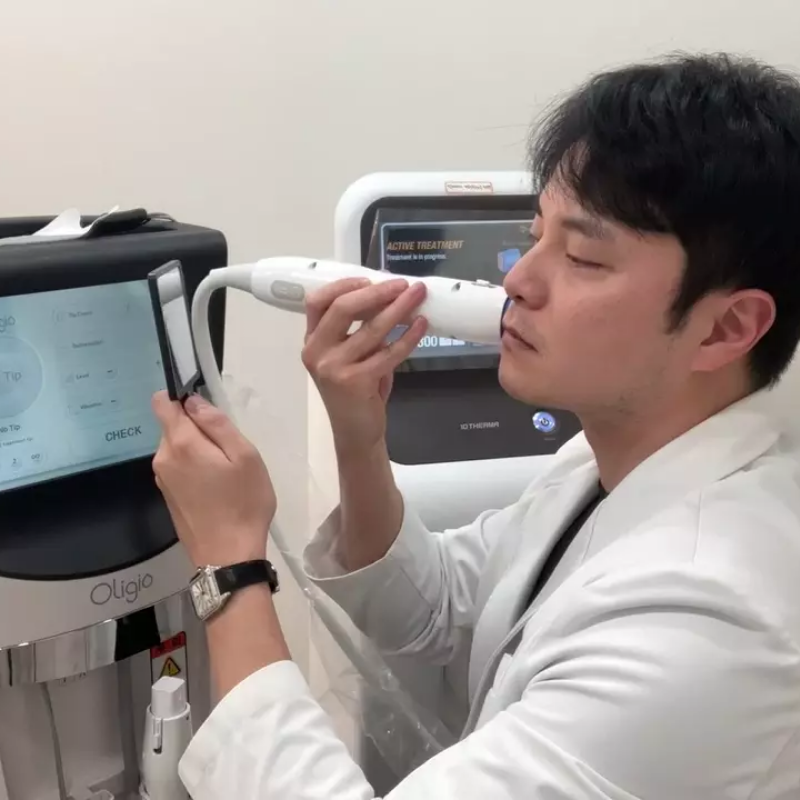
2. The reason why anterior cheekbone lifting may seem to
result in a 'creation' of cheekbone volume
Following a lifting procedure, many individuals observe that
their cheekbone area appears more defined and vitalized.
However, it is important to understand that,
no new volume is genuinely added.
Instead, the previously descended volume is elevated to its proper, higher anatomical location,
thereby restoring the natural three-dimensional contour of the cheekbones.
This anterior cheekbone lifting method
works by repositioning the facial fat that has migrated downwards due to gravity and aging,
aiming to bring back the lost definition and three-dimensionality.
Thus, concerns regarding sunken cheekbones and overall cheekbone volume
often represent complementary challenges, where both lifting and subtle volume enhancement can work synergistically.
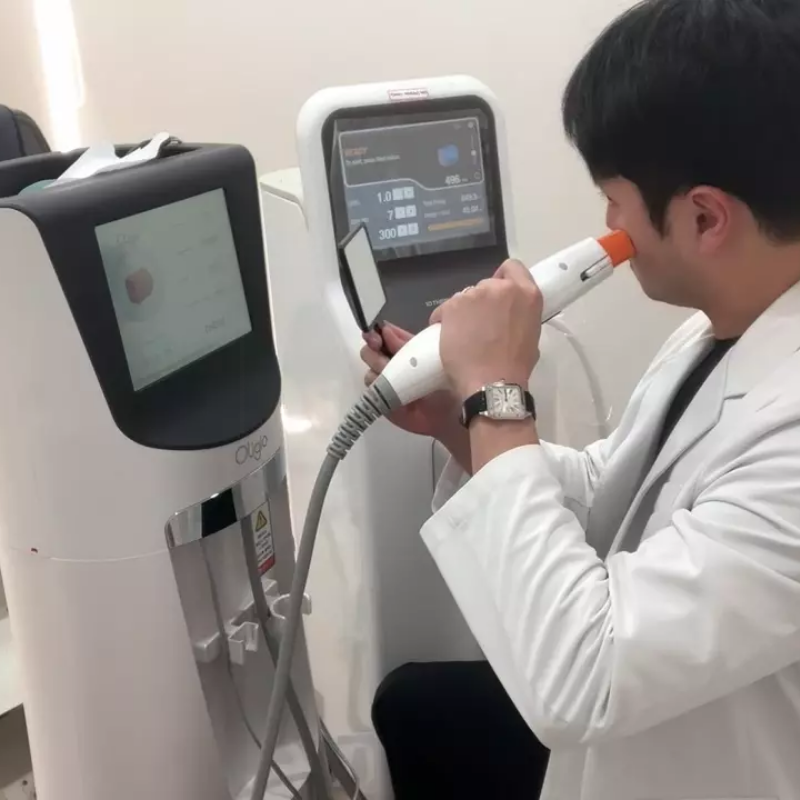
3. Cases presenting with a combination of both deficiency and sagging types
In clinical practice, a frequently encountered presentation among individuals is
a blend where both deficiency and sagging characteristics are present.
Here, the anterior cheek area may show descent,
while the cheekbone apex appears subtly hollowed.
Recommended Procedure Sequence
Step 1: Anterior Cheekbone Lifting (utilizing Deep Cheek Shurink + Oligio)
Step 2: If indicated, supplementary COVA treatment may be considered.
This particular approach can often lead to results that appear natural and offer sustained improvement.
4. Identifying suitable candidates for specific procedures
- Individuals who notice pronounced shadows around their cheekbones in frontal photographs
- Those who perceive a sense of heaviness in the volume below their cheekbones, accompanied by more prominent nasolabial folds
- Patients whose facial volume appears to primarily descend when they smile
- Persons whose face seems wider, with cheekbones that appear more pronounced than desired
These four observational patterns
often indicate a combination of both volume deficiency and tissue sagging.
Consequently, during a clinical assessment,
we meticulously evaluate the adipose tissue distribution across the upper and lower cheekbones, side facial contours, and anterior cheek areas.
This allows us to first identify which of the two contributing factors is predominantly at play.
5. Summary
For genuinely deficient cases (classified as Deficiency type)
→ The COVA procedure may be considered.
Lifting alone may not be sufficient for correction.
When hollowness appears due to tissue sagging (positional type)
Anterior cheekbone lifting is often a primary consideration.
A combined approach using Deep Cheek Shurink, Oligio, and FORMA may be beneficial.
When both conditions are present
The common approach is to first perform lifting, then apply minimal volume to any remaining hollow areas.
This method aims for results that look natural and refined.
Restoring cheekbone volume is not about creating new volume,
but rather about repositioning it to its original place,which is often more significant.
Mid-face lifting plays a pivotal role in achieving this.
Volume supplementation can serve as a final touch to address any areas still lacking.
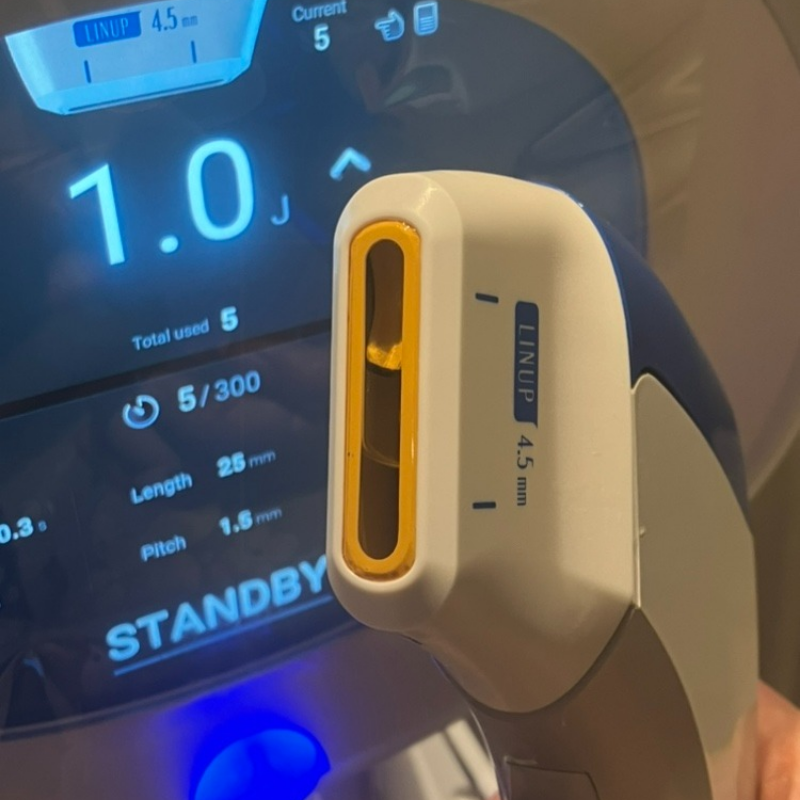
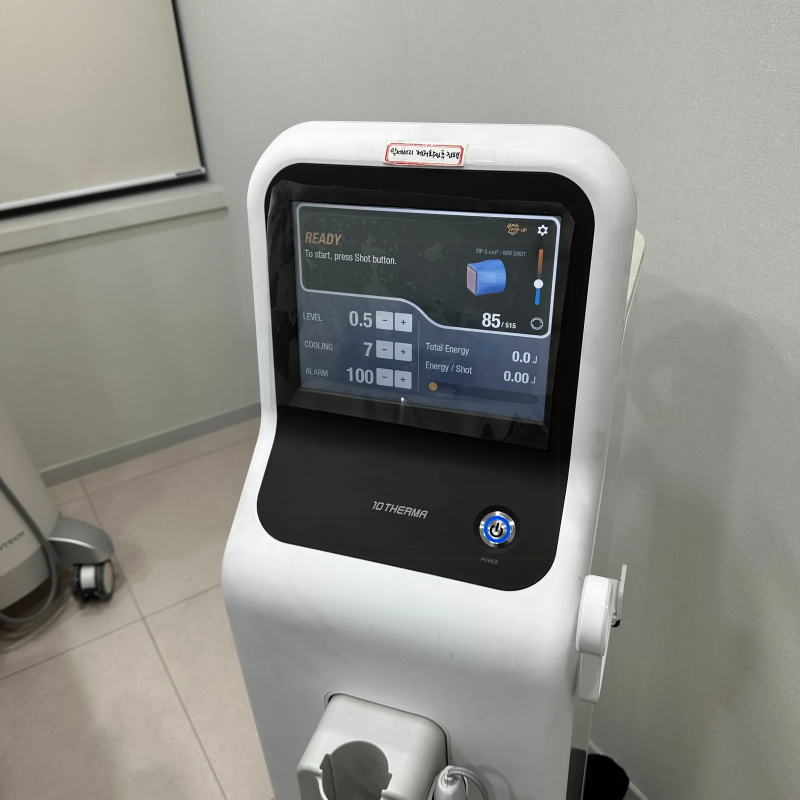
Recommended treatments
Treatments that work especially well together.

COVA: No-Filler Nasolabial Fold
View details →
COVA: No-Filler Cheek Volume
View details →
COVA: No-Filler Forehead Lines
View details →![[100 Shots for 7,900 KRW Event] Shurink Universe](/_next/image?url=https%3A%2F%2Ffirebasestorage.googleapis.com%2Fv0%2Fb%2Fkkeutguro-7e583.firebasestorage.app%2Fo%2Fproducts%252Fguro%252Fko%252F1758779429496_5b7b2091-4233-4458-a57a-366e680e405d_1756101494437_b319f26d-c87d-4d89-bfa8-b6672b688313_001-ezgif.com-png-to-webp-converter.webp%3Falt%3Dmedia%26token%3D492af73d-2690-4818-abe6-d996e618b2ad&w=3840&q=75)
[100 Shots for 7,900 KRW Event] Shurink Universe
View details →![[Less Pain, Fast Results] Onda Lifting](/_next/image?url=https%3A%2F%2Ffirebasestorage.googleapis.com%2Fv0%2Fb%2Fkkeutguro-7e583.firebasestorage.app%2Fo%2Fproducts%252Fguro%252Fko%252F1758785686405_61e88bd8-1f84-4d0d-b47b-44786189aa69_1756101519465_0a2a32db-d727-4e61-a698-17925e1696b6_003-ezgif.com-png-to-webp-converter.webp%3Falt%3Dmedia%26token%3D093c1ac5-d278-44c9-89d4-d16c45df5d41&w=3840&q=75)
[Less Pain, Fast Results] Onda Lifting
View details →![[Fine Lines, Elasticity, Pores] 10Therma Lifting](/_next/image?url=https%3A%2F%2Ffirebasestorage.googleapis.com%2Fv0%2Fb%2Fkkeutguro-7e583.firebasestorage.app%2Fo%2Fproducts%252Fguro%252Fko%252F1758871107392_1fc53b82-aec4-42dd-a0ec-e3963616d61b_1756113820837_b91d3c01-d162-4b6b-b2f6-bef2d7013d9a_SFAFAA.webp%3Falt%3Dmedia%26token%3D81ba32c2-cfe6-4753-97a7-2d4b5524bb2d&w=3840&q=75)
[Fine Lines, Elasticity, Pores] 10Therma Lifting
View details →![[Elasticity that Rises from Within the Skin] Oligio Lifting](/_next/image?url=https%3A%2F%2Ffirebasestorage.googleapis.com%2Fv0%2Fb%2Fkkeutguro-7e583.firebasestorage.app%2Fo%2Fproducts%252Fguro%252Fko%252F1758872932950_7588725d-8f58-4178-91c1-b013b40321d8_1756101549299_046ca959-0461-4967-850d-3caf59844b04_004-ezgif.com-png-to-webp-converter.webp%3Falt%3Dmedia%26token%3D55c19d83-9db2-40ac-8e48-aa75696e3366&w=3840&q=75)
[Elasticity that Rises from Within the Skin] Oligio Lifting
View details →Related notes
Procedure notes worth reading next.


Loading menu…