

Effective Mole Removal: 3 Things to Consider When Choosing a Dermatology Clinic Beomgye, Pyeongchon, Beomgye Station, Pyeongchon Station, Hogye-dong, Bisan-dong, Gwanyang-dong, Dongan-gu, Indeogwon, Geumjeong, Anyang
This is Gyeonggi Anyang Beomgye KKEUT Korean Clinic's procedure note on Effective Mole Removal: 3 Things to Consider When Choosing a Dermatology Clinic.
Although mole removal may seem simple, many people agonize over which medical institution to choose. Even removing a small mole requires careful consideration.
Moles vary in shape, depth, location, and degree of protrusion from person to person. Therefore, it is difficult to apply the same treatment method to all moles.
Here are three key things to check before choosing a medical institution for mole removal.
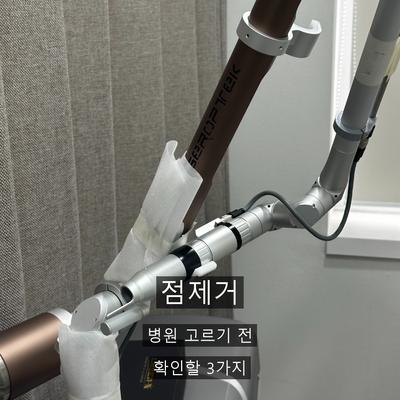
Check 1. Can they handle various mole types?
Moles come in various types, including flat moles level with the skin, raised moles protruding above the skin, and moles located in sensitive areas like the eyes.
Raised moles may have a larger volume to remove, and moles around the eyes require a delicate approach.
Before mole removal, the size, depth, and extent of pigment diffusion of the mole are carefully assessed to establish an appropriate removal plan.
During consultation, it is important to confirm whether you can receive a detailed explanation about your specific mole type.
Rather than being turned away because the procedure is difficult, it is better to consider a medical institution that can handle various cases, such as raised moles or moles near the eyes.
At Kkeut Clinic, all types of moles are considered for treatment, and a cautious approach is taken even for raised moles or those in sensitive areas like around the eyes.
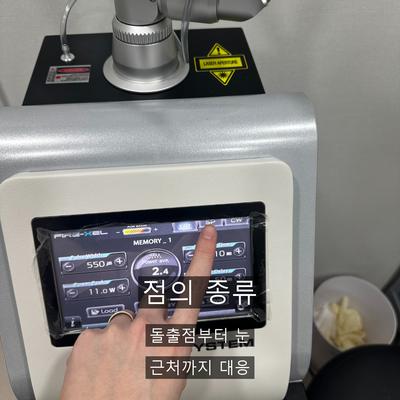
Check 2. Do they thoroughly verify for malignancy before mole removal?
Mole removal is not just for cosmetic purposes; it is crucial to first confirm whether the mole is a malignant lesion before removal.
Moles that are asymmetrical in shape, uneven in color, or continuously changing in size require thorough examination.
If moles exhibiting such characteristics are removed with a simple cosmetic procedure, the opportunity to identify any malignant changes might be missed.
Accurate differentiation must precede removal
When a mole suspected of malignant changes is found, it is important to confirm whether the procedure can be stopped and the patient referred to a higher-level medical institution.
At Kkeut Clinic, if a mole suspected of malignancy is identified during the consultation process, we promptly refer the patient to a higher-level medical institution for detailed examination.
Kkeut Clinic's mole removal can be described as a treatment process that prioritizes safety, going beyond mere cosmetic purposes.
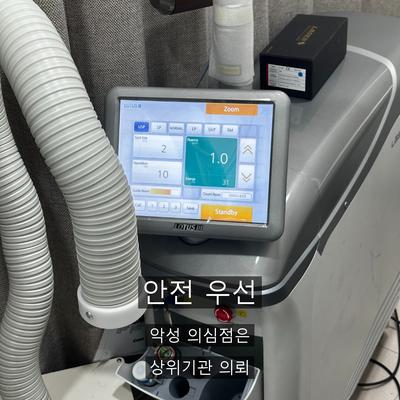
Check 3. Do they provide detailed explanations about treatment equipment and post-treatment care?
Various types of laser equipment are used for mole removal procedures. The degree of bleeding during treatment and the recovery process may differ depending on which lasers are used and how they are combined.
During the consultation, asking about the types of lasers used, whether they stick to a single method or take a comprehensive approach, will help you understand the medical institution's treatment principles.
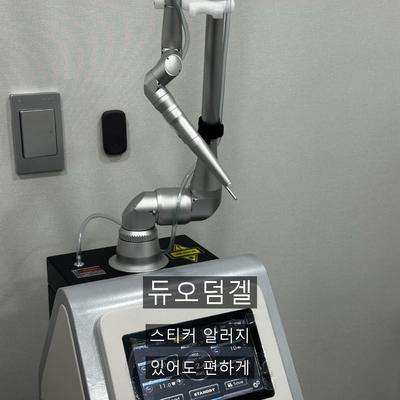
At Kkeut Clinic, we use both Er:YAG laser and CO2 laser. Considering skin recovery time, we primarily utilize the Er:YAG laser for procedures.
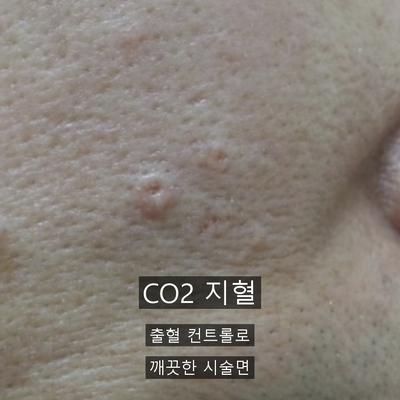
The CO2 laser is mainly used to control bleeding during the procedure. When bleeding is properly managed, it allows for clearer observation of the treatment area and enables more precise procedures.
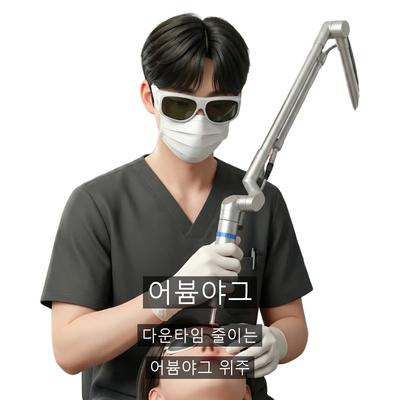
The area where the mole is removed will remain a small wound, so proper protective care must accompany the recovery period.
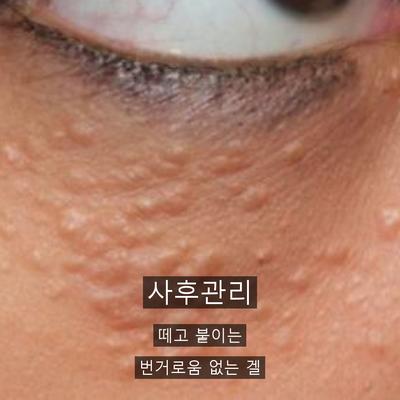
In many cases, DuoDERM stickers are used as a protective dressing, but this can be somewhat uncomfortable for those who experience itching or redness at the sticker contact site.
Considering this discomfort, Kkeut Clinic uses DuoDERM gel instead of sticker-type dressings.
DuoDERM gel can be used comfortably by those with sticker allergies and involves less hassle with application and removal.
Sunscreen application to the treated area is a crucial basic care rule during the recovery process.
Four Questions to Ask During Consultation
First, what type of mole do I have, and how will the procedure be performed?
Second, if a mole is suspected of being malignant, how do you plan to handle it?
Third, what types of lasers are used, and how is bleeding managed during the procedure?
Fourth, what type of protective dressing will be used after the procedure?
If you can receive clear and sufficient explanations for these four questions, it can serve as a good criterion for choosing a medical institution for mole removal.
Kkeut Clinic's Approach to Mole Removal
At Kkeut Clinic, mole removal is not merely considered a process to solve a superficial skin problem.
From the initial diagnosis stage, we meticulously examine the type and location of the mole, and if malignancy is suspected, we prioritize referral for detailed diagnosis over immediate treatment.
During the procedure, we primarily utilize the Er:YAG laser and concurrently use the CO2 laser for hemostasis, striving to reduce the burden of recovery time while maintaining a clean treatment area.
In the post-procedure care phase, DuoDERM gel is used to protect the wound, helping even those with sticker allergies to recover comfortably.
The reason a meticulous three-step approach is needed even when removing a single mole is because moles can be more than just a cosmetic skin issue; they can also be lesions requiring careful examination.
At Kkeut Oriental Medicine Clinic, we prioritize a systematic process from diagnosis to treatment and aftercare.
During your consultation, it's best to first inform us about any areas of particular concern, such as raised moles or moles located around the eyes.
At Kkeut Oriental Medicine Clinic, we carefully examine the characteristics of your mole and provide a detailed explanation of the appropriate treatment method and management plan.

Once you know what criteria to use when choosing a clinic, finding the right one for you becomes much easier.
During your consultation, it's important to thoroughly check three things: the classification of the mole, the procedure for determining potential malignancy, the equipment used, and the aftercare plan.
Frequently Asked Questions
Q. What are the criteria for choosing a good mole removal clinic?
A. When choosing a clinic, it's advisable to carefully consider their understanding of various mole types, their referral process to higher-level medical institutions if malignancy is suspected, and their explanation of treatment equipment and recovery procedures. At Kkeut Oriental Medicine Clinic, we provide detailed information on these aspects during your consultation.
Q. Is it possible to treat raised moles or moles around the eyes?
A. At Kkeut Oriental Medicine Clinic, we consider mole treatments for areas requiring delicacy, such as raised moles or those around the eyes. Before visiting, it would be helpful to inquire first about the possibility of treatment for these specific areas. Whether a treatment proceeds and its method will be determined after thoroughly assessing the mole's condition.
Q. What should I do if I have an allergic reaction to Duoderm stickers after mole removal treatment?
A. At Kkeut Oriental Medicine Clinic, we use Duoderm gel rather than sticker-type Duoderm, helping those with sticker allergies to use it with relatively less concern. When choosing a clinic, it's advisable to check the type of protective material used beforehand.
Kkeut Oriental Medicine Clinic's Philosophy
Kkeut Oriental Medicine Clinic carefully treats various types of moles and refers suspicious moles to higher-level medical institutions, helping patients feel at ease.
Kkeut Oriental Medicine Clinic primarily utilizes Er:YAG laser and combines it with CO2 laser for hemostasis during treatment, striving to reduce bleeding and ensure patients' comfort.
At Kkeut Oriental Medicine Clinic, we provide aftercare using Duoderm gel to aid in the recovery of the treated area and help achieve stable results.
Experience the difference a meticulous approach makes, at Kkeut Oriental Medicine Clinic.
Loading menu…