

Melasma Treatment Methods: Why Laser Toning is Our Top Choice, and How It Works Beomgye, Pyeongchon, Beomgye Station, Pyeongchon Station, Hogye-dong, Bisan-dong, Gwanyang-dong, Dongan-gu, Indeogwon, Geumjeong, Anyang
6/1/2026
This is a procedure note for Melasma Treatment Methods: Why Laser Toning is Our Top Choice, and How It Works at Gyeonggi Anyang Beomgye KKEUT Korean Clinic.
When you search for melasma treatment methods, numerous options appear. Among them, the reason laser toning is ranked first is not due to a trend, but because the mechanism of melasma formation and the principle of laser toning's action align precisely.
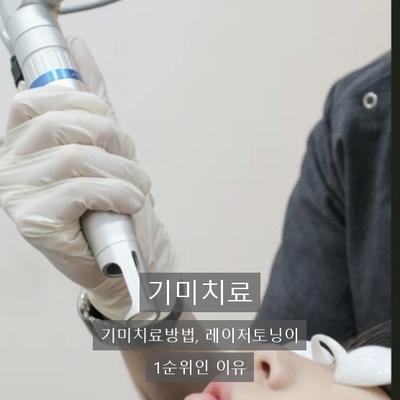
Why Does Melasma Occur — A Melanocyte Problem, Not a Pigment Problem
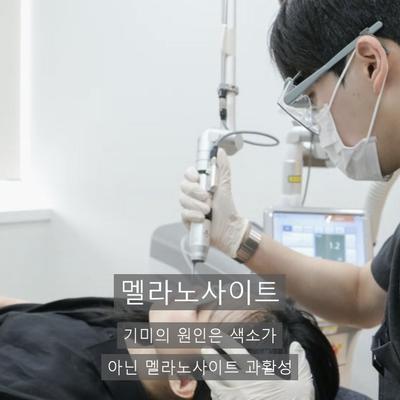
If you only view melasma as 'an accumulation of dark pigment,' you will misunderstand the direction of treatment. The core of melasma lies in the excessive activation of melanocytes, the cells that produce melanin pigment.
UV stimulation, hormonal changes (pregnancy, birth control pills), inflammatory reactions, and chronic heat stimulation excite melanocytes, and excited melanocytes continuously produce excessive melanin. If the melanocytes themselves, deeply rooted beneath the epidermis, are not calmed, melasma will repeatedly return no matter how much surface pigment is removed.
This is precisely why melasma treatment is difficult. It requires addressing two things simultaneously: pigment removal and melanocyte calming.
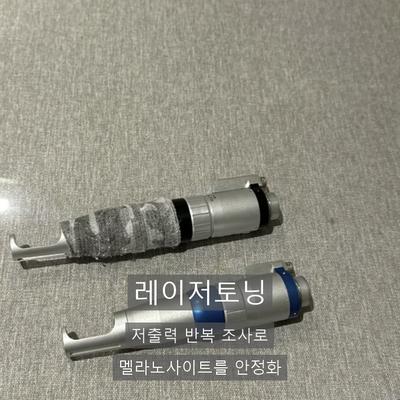
Why Laser Toning is the Top Melasma Treatment Method
Laser toning is a method of repeatedly irradiating a 1064nm Nd:YAG laser at low power. Instead of strongly destroying pigment, it gradually breaks down melanin particles with weak energy while simultaneously stabilizing the melanocytes themselves.
If high-power lasers destroy pigment all at once, it can cause inflammatory reactions in surrounding tissues, leading to post-inflammatory hyperpigmentation (PIH) or a paradoxical effect where melanocytes become even more excited. Laser toning's choice of a low-power, repetitive method is an approach tailored to the essence of melasma.
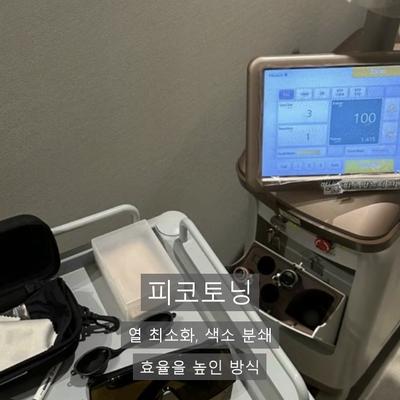
Pico toning goes a step further. When energy is irradiated with ultrashort pulses in picosecond (one trillionth of a second) units, the photoacoustic effect, which selectively shatters pigment particles without heat generation, is maximized. This allows for increased pigment destruction efficiency while minimizing skin damage and thermal stimulation, making it a suitable method for heat-sensitive skin concerns like melasma.
Laser Toning vs. Other Options for Melasma Treatment
In addition to laser toning, melasma treatment methods include IPL, high-power pigment lasers, whitening injections, and topical medications. Understanding the differences between each makes it clearer why laser toning is considered the top choice.
IPL, which irradiates a broad spectrum of light at once, is widely used for blemishes and redness. However, its energy is often dispersed and may not sufficiently reach deep melasma pigment. If applied too aggressively to skin with melasma, it can actually worsen the pigmentation.
High-power pigment lasers (such as 532nm series) are very powerful for epidermal pigment lesions like lentigines and freckles. However, applying them at high power to melasma carries the risk of PIH or rebound hyperpigmentation, as mentioned earlier. For melasma-affected skin, a low-power cumulative approach is generally safer.
Whitening injections and topical medications play a supplementary role by inhibiting melanin production pathways, but they do not directly remove existing pigment like lasers do. Combining them with laser toning can create synergy.
Sessions and Cycle — Why a Sufficient Number of Sessions is Crucial in Melasma Treatment
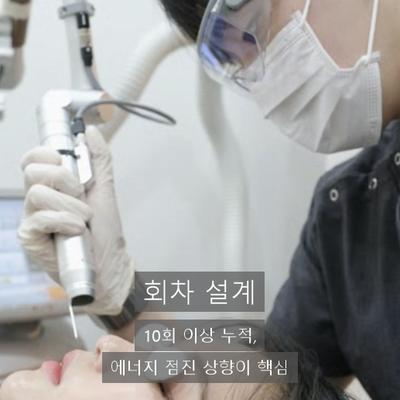
Laser toning is not a one-time procedure. Because it gradually stabilizes melanocytes, dramatic changes are difficult to expect with a single session. Generally, more than 10 cumulative sessions serve as the baseline for melasma improvement.
The recommended frequency is typically every 1-2 weeks. Considering the skin regeneration cycle, the key is to steadily accumulate energy without intervals that are too short or too long. When choosing laser toning as a melasma treatment method, it is important to approach it with the concept of 'consistent cumulative treatment' rather than expecting it to 'finish in a few sessions.'
Instead of using fixed energy for each session, it is more efficient to gradually increase it while observing the skin's reaction. Once the skin adapts in the initial sessions, gradually increasing the energy can build a stronger melanocyte stabilization effect.
Post-Procedure Care — How to Prevent Melasma Recurrence
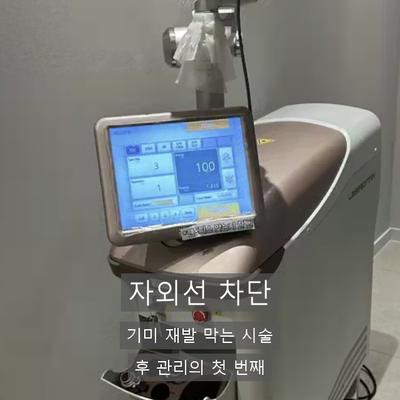
The most important aspect of post-laser toning care is sun protection. UV radiation is the most powerful stimulus that excites melanocytes, so no matter how diligently pigment is reduced during the procedure, if sun protection is lax, melasma will resurface.
Apply a sunscreen with SPF 50 or higher and PA+++ or higher meticulously every morning, and when outdoors between 10 AM and 3 PM, it is recommended to also use physical blockers like hats or parasols. On the day of the procedure, avoid using strong peeling ingredients (AHA, BHA, Retinol) and focus on moisturizing. Also, avoid heat stimulation such as saunas, jjimjilbangs (Korean bathhouses), or strenuous exercise for 1-2 days after the procedure.
During melasma treatment, using supplementary whitening care products (such as Vitamin C, Niacinamide) can help prolong the effects of the laser.
Frequently Asked Questions
Q. I want to get laser toning for melasma treatment. How many sessions are needed to see results?
A. When choosing laser toning as a melasma treatment method, improvements in skin tone brightening are often felt from 4-6 sessions. A more distinct reduction in melasma pigment itself typically appears after 10 or more cumulative sessions. At Kkeut Clinic, we gradually adjust the energy while checking the skin's reaction in each session, so treatments are tailored to individual pace differences.
Q. Besides laser toning, I've heard of pico toning as a melasma treatment method. What's the difference?
A. While laser toning and pico toning for melasma treatment share fundamentally similar operating principles, pico toning has a shorter pulse duration, minimizing heat generation while maximizing pigment fragmentation efficiency. This makes it advantageous for melasma-affected skin that is sensitive to heat. The most suitable method depends on the melasma condition and skin type, so an accurate decision is best made through consultation.
Q. Is it possible to wash my face and apply makeup on the same day I receive laser toning for melasma treatment?
A. Facial cleansing is possible from the evening of the procedure day. Makeup can often be applied starting the next day, depending on your skin condition, but it's advisable to lightly avoid it for 1-2 days depending on the treatment intensity and skin reaction. Given the nature of melasma treatment, it is crucial never to skip sun protection starting from the day after the procedure.
Q. While looking for melasma treatment methods, I saw cases where melasma worsened during laser toning. Why does this happen?
A. If the energy setting is too strong or if sun protection is neglected after the procedure, rebound hyperpigmentation, where the pigment temporarily appears darker, can occur even with laser toning for melasma treatment. Adhering to the low-power cumulative principle and ensuring thorough post-procedure sun protection can significantly reduce this risk.

Kkeut Clinic's Sincere Approach
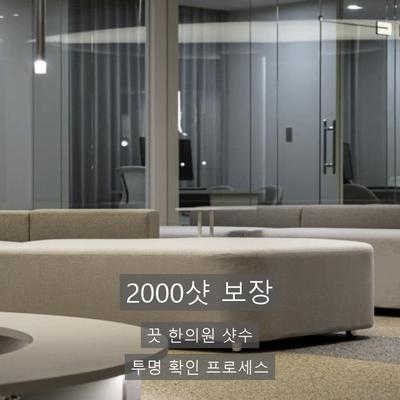
Kkeut Clinic guarantees over 2,000 shots for each laser toning session and operates a process where the director directly confirms the shot count with the patient after the treatment. We transparently verify that sufficient energy accumulation has occurred in each session, preventing any reduction in shot count to shorten treatment time.
Kkeut Clinic applies a focused irradiation protocol that specifically targets areas where melasma is concentrated. We apply a slightly more concentrated energy to problematic areas with dense melasma, such as the forehead, cheekbones, and under the eyes, to simultaneously maximize overall toning effects and localized improvement.
Kkeut Clinic's principle is a cumulative design where energy is gradually increased in each session while observing the skin's reaction, rather than repeating with the same energy. As the skin adapts, progressively increasing the energy helps to maintain the melanocyte stabilization effect deeper and for longer.
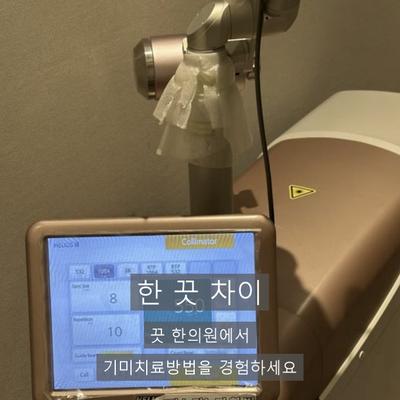
A Subtle Difference, Remarkable Results — Experience it at Kkeut Clinic.
Related notes
Procedure notes worth reading next.

3 Criteria to Consider When Choosing a Clinic for Melasma Treatment
2026. 10. 5.

Criteria for Choosing a Melasma Treatment Clinic: Accurate Diagnosis, Customized Treatment Plan, Thorough Aftercare
2026. 10. 9.

Melasma Always Comes Back? The Solution to Persistent Recurrence is 'Laser Treatment'.
2025. 11. 28.
Loading menu…