

Laser Hair Removal Recommendations: Who Should Get It? A Complete Guide to Candidates Beomgye, Pyeongchon, Beomgye Station, Pyeongchon Station, Hogye-dong, Bisan-dong, Gwanyang-dong, Dongan-gu, Indeogwon, Geumjeong, Anyang
10/19/2026
This is a procedure note for Laser Hair Removal Recommendations: Who Should Get It? A Complete Guide to Candidates at Gyeonggi Anyang Beomgye KKEUT Korean Clinic.
Many people considering laser hair removal wonder which equipment is effective.
However, it's more important to first check if your individual hair condition and skin type are suitable for laser hair removal, rather than focusing on the type of equipment.
At Kkeut Clinic, we explain through this article cases that may respond well to laser hair removal, and cases where careful treatment planning is required.
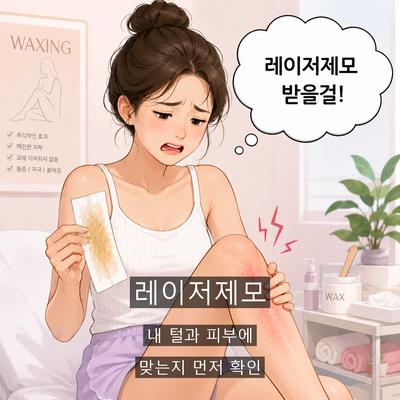
Who is suitable for laser hair removal?
Laser hair removal works by selectively absorbing energy into the dark melanin pigment in the hair, converting it into heat. This heat then damages the hair root and follicle that produce the hair.
Therefore, the darker and thicker the hair, the more distinct the response to the laser tends to be.
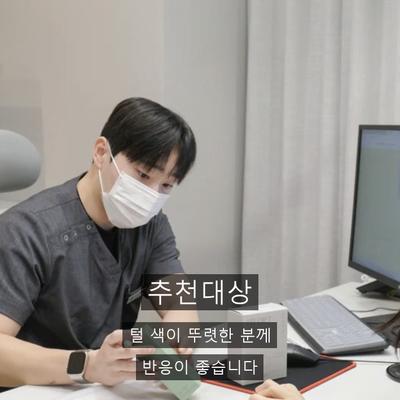
Those who experience skin irritation from shaving or waxing, and the inconvenience of repeated maintenance, may also consider laser hair removal.
While waxing provides temporary hair removal and can irritate the skin, laser hair removal directly targets the hair follicle to achieve permanent hair reduction.
Treatment is possible for areas including facial hair, upper lip, chin, and hairline, as well as underarms, arms, legs, and even Brazilian.
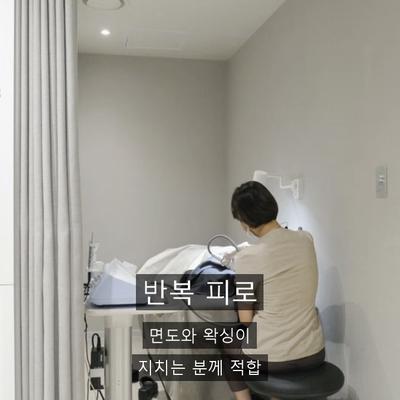
However, higher satisfaction is generally expected for those who can consistently receive 10 or more sessions.
This is because lasers are only effective on hair follicles in the growth phase, and not all hair is in the growth phase simultaneously, thus requiring a sufficient cumulative number of treatments.
It is recommended to plan treatment intervals of at least 3 weeks, with 4 weeks being ideal.
Those who require precise treatment planning
Rather than saying laser hair removal is completely unsuitable, it's more accurate to say that treatment settings need to be carefully adjusted according to individual conditions.
Fine and light hairs have less melanin pigment, so standard settings may not be effective enough. In such cases, the treatment plan must be adjusted to increase energy intensity or deliver multiple pulses to ensure sufficient heat reaches the hair root.
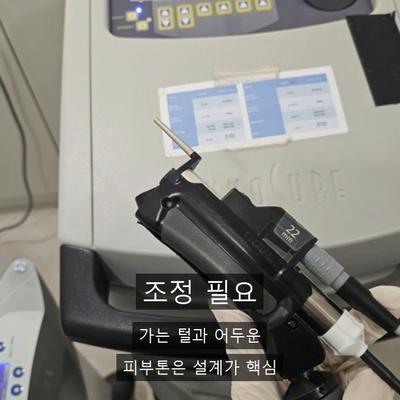
For individuals with darker skin tones, the melanin in their skin can also absorb laser energy, making it crucial to precisely adjust the output intensity for safety.
In areas with dense hair, there is a risk of burns due to localized overheating, so an approach that disperses energy during treatment is considered.
For men's beards, it may take 20 or more sessions or over a year, so it is wise to plan a sufficient duration before starting treatment.
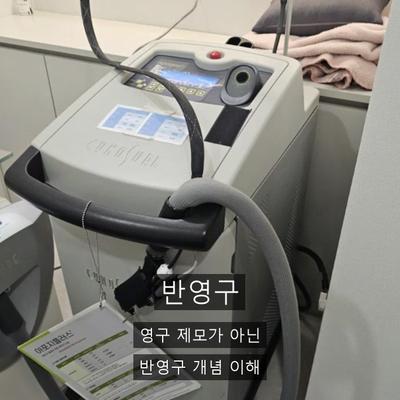
For those who expect permanent hairlessness, meaning hair never grows back, realistic expectations need to be set.
The essence of laser hair removal is semi-permanent hair reduction, and even after a significant reduction in hair volume, maintenance treatments once every 2-3 months may be recommended.
3 points to note before and after treatment
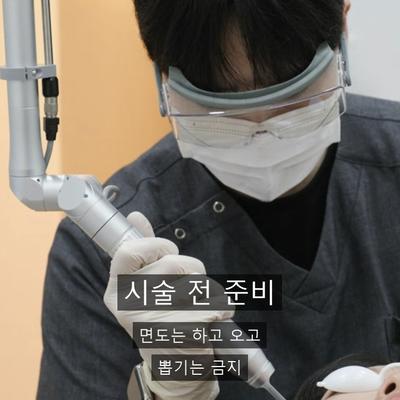
First, you must shave on the day of your treatment. If the hair is too long, laser energy will be consumed on the skin's surface, increasing the risk of burns and making it difficult for the energy to reach the hair root sufficiently.
Second, avoid plucking hair. This is because if there is no hair root for the laser to target, the treatment effect cannot be expected.
Third, for 1-2 days after the treatment, it is advisable to refrain from activities that generate body heat, such as vigorous exercise, saunas, and alcohol consumption. Shaving is possible from the day after the treatment.
Many people are also concerned about treatment pain. It is generally similar to the sensation of holding an ice cooler against the skin, and as the amount of hair decreases, the intensity of the pain also tends to decrease.
Anesthetic cream primarily acts only on the skin surface and has limitations in numbing deep hair roots. It is not a medically essential part of the procedure and can be used selectively to alleviate psychological discomfort from pain.
Folliculitis may temporarily occur during the process of delivering heat energy directly to the hair follicle. However, with consistent use of regenerative cream, it often gradually subsides over time.
Equipment selection and cooling method are also important
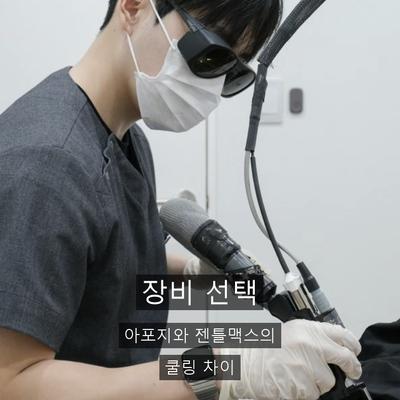
Apogee equipment, which uses Alexandrite wavelength, continuously sprays powerful cold air before and after treatment to help cool the skin.
GentleMax and Clarity equipment utilize DCD gas cooling. This method offers excellent cooling effects, but it is not a continuous spray and treatment costs may be slightly higher due to consumable expenses.
Kkeut Clinic's Hair Removal Treatment Design
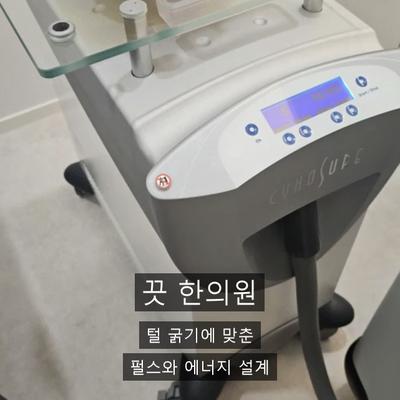
Kkeut Clinic is equipped with both Apogee and GentleMax devices and plans customized treatment settings according to each patient's hair thickness and skin condition.
For thick hair, with its high melanin content, a short pulse can cause strong energy to be absorbed suddenly, posing a risk of epidermal damage. Kkeut Clinic uses a long pulse method in such cases to deliver heat gently to the skin, protecting the epidermis.
Energy density is also applied differently depending on hair characteristics. For thick, dark hair, high density is used to ensure sufficient thermal energy delivery, while for fine hair, increasing energy intensity or repeated pulsing is considered.
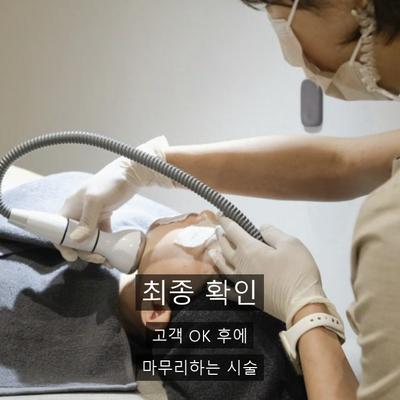
Before concluding the treatment, Kkeut Clinic reconfirms with the patient if there are any additional areas they wish to have treated and proceeds to finalize the session only after receiving their final consent.
Especially for areas of particular concern or worry, laser energy can be focused more finely.
Frequently Asked Questions
Q. Is laser hair removal suitable for people with fine hair?
A. Yes, people with fine hair can also be candidates for laser hair removal. However, because fine hair has less melanin pigment, delicate treatment planning is required, such as increasing energy settings or using repeated pulses. Therefore, a thorough consultation regarding hair condition is recommended in advance.
Q. Is laser hair removal possible for those with dark skin tones?
Laser hair removal is possible even for dark skin tones. To prevent side effects caused by skin melanin, the procedure is performed with delicate energy control.
Q. How many laser hair removal sessions are generally needed?
A. Generally, laser hair removal requires at least 10 sessions. The treatment interval is a minimum of 3 weeks, with 4 weeks recommended. For men's beards, more than 20 sessions may be necessary.
Our Clinic's Treatment Approach
We adjust the pulse duration and energy density according to hair thickness to create a customized treatment plan tailored to each patient.
In the final stage of the procedure, we go through a process of confirming the patient's opinion. This is a step for thorough treatment.
Our clinic uses reliable equipment such as Apogee and GentleMax. We delicately adjust the output according to skin tone and hair density, considering both the safety and effectiveness of the treatment.
We aim for meticulous treatment with a subtle difference. We recommend consulting with us at our clinic.
Loading menu…