

Body Pigmentation: Why It Needs Different, Tailored Care Than Your Face Beomgye, Pyeongchon, Beomgye Station, Pyeongchon Station, Hogye-dong, Bisan-dong, Gwanyang-dong, Dongan-gu, Indeogwon, Geumjeong, Anyang
This is Gyeonggi Anyang Beomgye KKEUT Korean Clinic's procedure note on Body Pigmentation: Why It Needs Different, Tailored Care Than Your Face.
Body pigmentation may require a different approach than facial pigmentation. This is because managing it in the same way might not lead to the desired improvement.
The principle behind pigmentation darkening in areas that rub against clothing or experience pressure, such as elbows, knees, armpits, neck, and inner thighs, can be viewed differently from facial areas.
At Kkeut Oriental Medicine Clinic, we differentiate our approach to facial and body pigmentation. We develop a laser toning plan considering the area and density of pigmentation in each region.

What causes body pigmentation?
Skin color varies depending on the amount and distribution of melanin pigment.
Melanin is produced more actively when there is stimulation such as UV radiation, physical friction, or inflammation. If this pigment accumulates in a specific area, it can appear darker than the surrounding skin.
On the body, pigmentation is prone to occur in areas that experience continuous friction, such as underwear lines, armpits, knees, and elbows.
Furthermore, it is common to see brown marks remaining due to stimulation caused by acne, folliculitis, scratches, or post-hair removal.
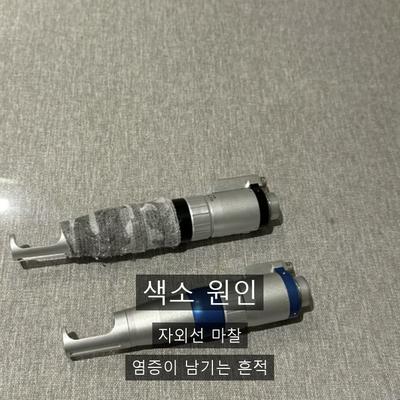
Once formed, these pigments often do not naturally fade even after the stimulus disappears. Therefore, it is crucial to clearly identify the stimulus that caused the pigmentation and the specific area where it settled.
The body has a large surface area, so if only one part brightens, the color difference with the surrounding skin can become noticeable. Therefore, a treatment plan that considers the overall balance of skin tone is necessary.
Why is different management needed for body pigmentation compared to facial pigmentation?
People tend to check their face in the mirror daily and pay attention to UV protection and moisturizing. However, the body often receives less care compared to the face.
Considering the body's large surface area and varying pigment densities across different regions, a uniform intensity treatment for the entire body may not be suitable.
Since friction with clothing occurs continuously in daily life, efforts to reduce irritation in everyday habits are as important as the treatment itself.
If facial care standards are applied directly to the body, there's a possibility that the practitioner might not properly distinguish between dense pigmentation in specific areas and lighter pigmentation in surrounding areas, leading to inappropriate treatment.
Areas covered by clothing often go unnoticed in everyday life, but concerns tend to deepen when seasons with more exposure arrive.
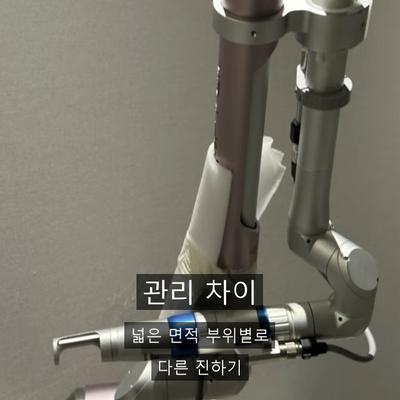
Key approaches required for managing body pigmentation
First, ensuring a sufficient number of shots to evenly treat the large surface area of the body.
For large body areas, if the number of shots is insufficient, there may be areas where laser energy is not delivered, leading to uneven pigment improvement.
Second, delivering more concentrated energy to areas with dense pigmentation.
Third, it is crucial to carefully check the skin's response and adjust the energy intensity during each treatment session.
If pigmentation receives excessive stimulation, it can potentially darken further. Therefore, rather than treating with strong energy from the start, a gradual increase in intensity is recommended.
Meticulously observing the changes in each area over multiple sessions can help in formulating more precise treatment plans for subsequent sessions.
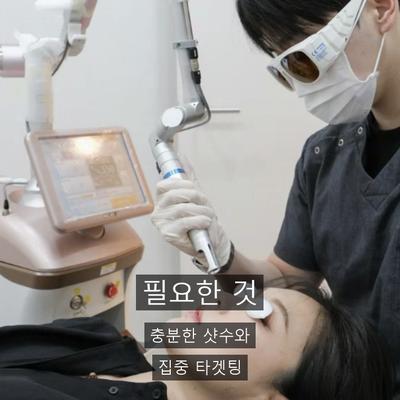
What is the principle of laser toning?
Laser toning is a procedure that uses a 1064nm wavelength laser to selectively deliver energy to melanin pigment deep within the skin.
This procedure is used for melasma, freckles, general pigmentation, and improving skin tone. The same principle can be applied to managing body pigmentation.
Laser toning selectively targets pigments, which differentiates it from procedures that ablate the skin surface.
This procedure is not a one-time treatment but an approach that helps pigments gradually lighten through consistent repetition, typically over 10 or more sessions.
The rate at which pigmentation fades varies among individuals, depending on the treated area, the depth of the pigment, and the overall condition of the skin.
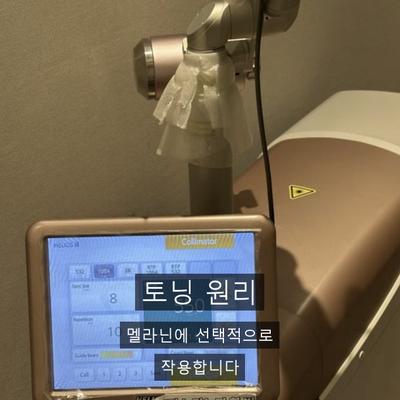
Kkeut Oriental Medicine Clinic's Body Toning Approach
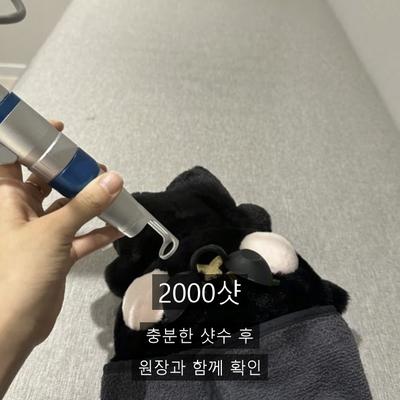
At Kkeut Oriental Medicine Clinic, we perform toning treatments with over 2000 shots, and after a sufficient number of shots are used, you can personally verify the shot count with the director.
For large body areas, personally verifying the number of shots used during the treatment can be an important consideration when deciding on the procedure.
Kkeut Oriental Medicine Clinic plans more intensive treatments for areas of concern for our clients.
We do not treat densely pigmented areas like elbows or armpits, and their surrounding lighter areas, with the same energy intensity. We adjust the energy according to the pigment density to provide customized treatment.
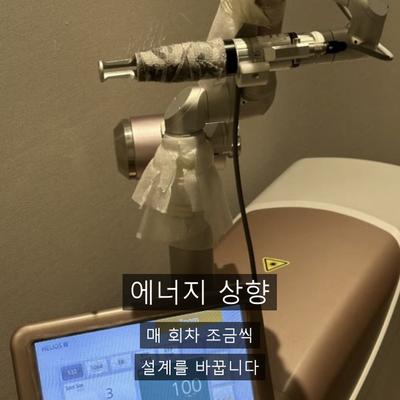
At Kkeut Oriental Medicine Clinic, instead of repeating the same settings for each session, we gradually adjust and apply energy based on the skin's response in each subsequent session.
Since we thoroughly check the skin's response after the first treatment and plan subsequent sessions accordingly, treatment for large body areas can also be performed in a way that minimizes burden on the skin.
Combined with the treatment, efforts such as UV protection, adequate moisturizing, and reducing friction with clothing can help maintain the positive changes from the procedure.
Frequently Asked Questions
Q. For body pigmentation, how many sessions are usually needed?
A. Laser toning used for body pigmentation management is generally recommended to be performed consistently for 10 or more sessions. However, there can be individual differences depending on the treated area, the depth, and density of the pigment. Therefore, at Kkeut Oriental Medicine Clinic, we establish a suitable treatment plan through consultation with a specialist.
Q. How many shots are administered in one session of body pigmentation toning?
A. Since body pigmentation treatment is performed over a large area, applying a sufficient number of shots is crucial. Our medical team recommends 2000 shots or more for body toning, and we carefully perform the procedure by confirming the number of shots administered with the patient.
Q. Is home care alone sufficient for body pigmentation?
A. Sun protection, consistent moisturizing, and minimizing skin friction are basic elements for managing body pigmentation. However, existing pigmentation is often difficult to improve with such home care alone. Combining professional treatment with proper lifestyle habits can be an effective management method.
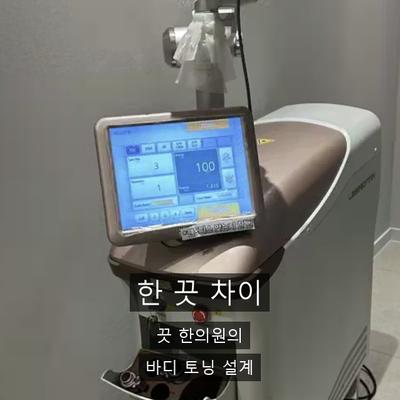
Body Pigmentation Treatment: Our Principles
When performing body pigmentation toning, we focus on improving pigmentation by applying sufficient energy with 2000 shots or more. After the procedure, our medical team directly confirms the number of shots with the patient, aiming for meticulous treatment.
We meticulously identify the unique patterns of body pigmentation and areas of concern for each individual. Based on this, we strive to concentrate energy on the areas requiring treatment to promote more effective pigmentation improvement.
Body toning requires an approach that considers skin sensitivity and the pigment's response. We check the patient's skin condition before each session and adjust the energy gradually accordingly, aiming to provide a safe yet effective treatment.
Addressing Pigmentation Concerns Together Our medical team always strives to provide careful and dedicated care for those concerned about body pigmentation.
Loading menu…