

Comprehensive Skin Tag Removal: Utilizing Two Advanced Lasers Beomgye, Pyeongchon, Beomgye Station, Pyeongchon Station, Hogye-dong, Bisan-dong, Gwanyang-dong, Dongan-gu, Indeogwon, Geumjeong, Anyang
12/15/2025
This is a procedure note for Comprehensive Skin Tag Removal: Utilizing Two Advanced Lasers at Gyeonggi Anyang Beomgye KKEUT Korean Clinic.
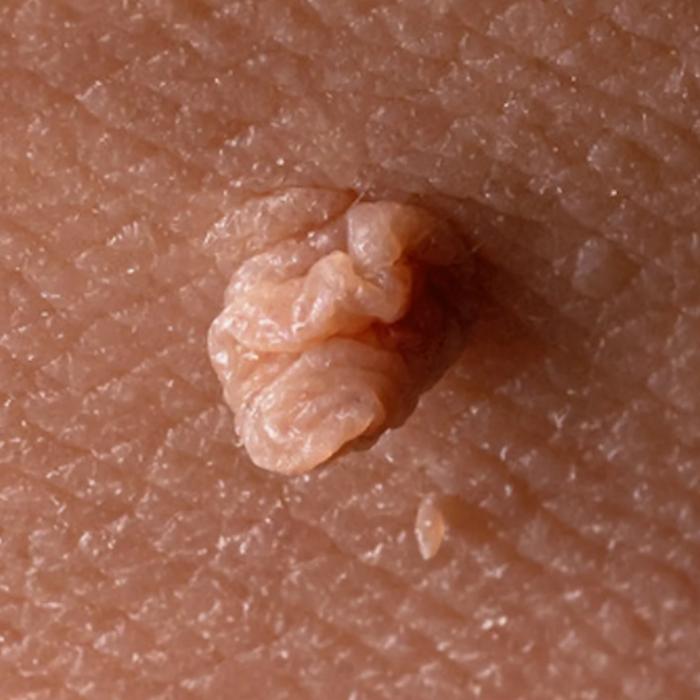
Understanding Skin Tag Removal
The approach to skin tag removal can influence its outcome.
Here are some common questions regarding skin tag removal methods.
Skin tags are frequently observed dermatological lesions.
However, patient satisfaction following treatment may differ based on the chosen removal technique and individual skin characteristics.

Q1. What are skin tags?
Medically, a skin tag is identified as a soft fibroma (acrochordon).
It is not caused by a virus,
and commonly appears in skin areas subject to frequent folding or continuous friction.
As skin tags become more numerous or increase in size,
patients often seek treatment primarily for aesthetic improvement.

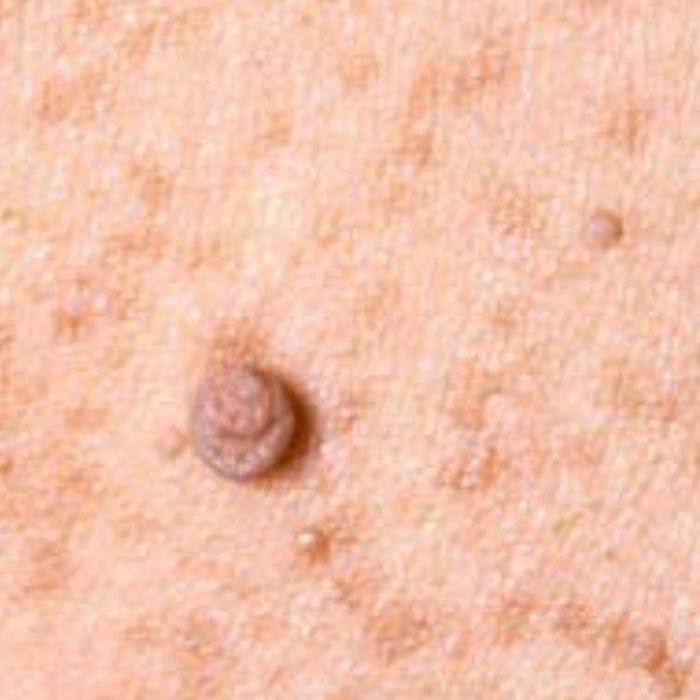
Q2. Why are skin tags often seen on the neck or underarms?
Skin tags frequently emerge in areas where the skin experiences:
- Repeated folding, and
- Exposure to persistent irritation or friction from garments or jewelry.
Consequently, they often present as multiple lesions in high-friction regions,
including the neck, underarms, inframammary folds, eyelids, and groin area.
Q3. What are the methods for skin tag removal, and is at-home removal advisable?
Upon investigating options for skin tag removal,
one may encounter suggestions like ligating them with thread or attempting manual removal.
Nevertheless, these methods warrant careful consideration due to potential risks, including:
- Challenges in accurately identifying the lesion type,
- The possibility of bleeding or infection, and
- A potential for scarring post-removal.
Specifically, what seems to be a skin tag
could, in fact, be another type of skin growth.
Therefore, it is not advisable to remove skin lesions without a professional assessment.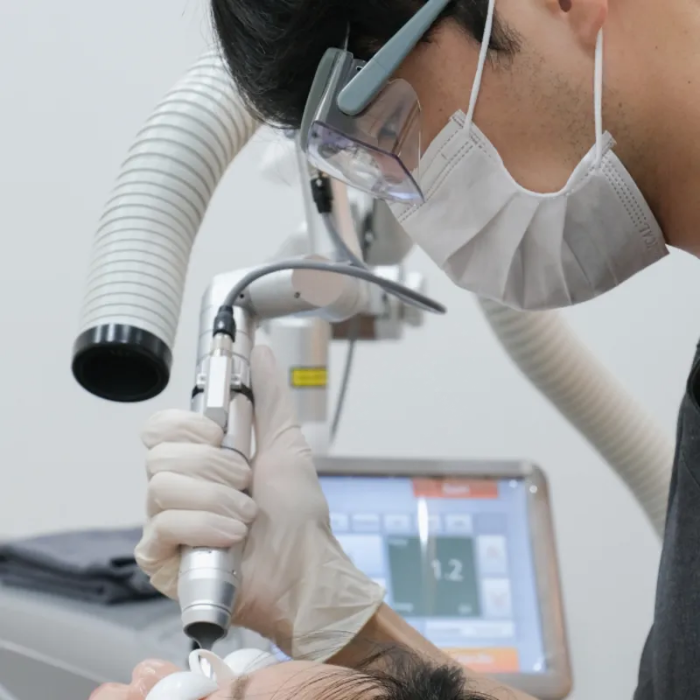
Q4. How are skin tags typically addressed in a medical setting?
Within a medical environment, laser treatment is frequently utilized for skin tag removal.
The procedure usually requires a relatively brief duration,
and generally does not impose significant disruption to daily routines.
Nevertheless, the crucial factor is not merely the application of laser technology,
but rather ensuring the treatment strategy is appropriately customized to the individual characteristics of each skin tag.
Q5. Is every laser treatment for skin tags identical?
While they might superficially resemble each other,
skin tags differ in their size, depth of dermal attachment, and anatomical location.
Therefore, applying a singular, standardized method for all skin tag removals
may result in undue skin trauma or prolonged recovery periods.
The principal distinction in effective skin tag treatment
rests not solely on the specific laser device employed,
The significant difference lies in the careful evaluation and precise classification of each lesion prior to beginning treatment.
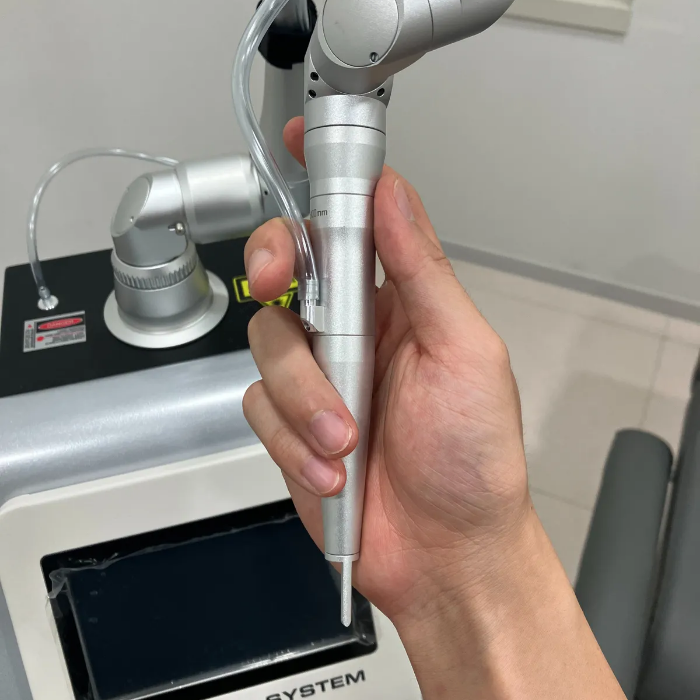
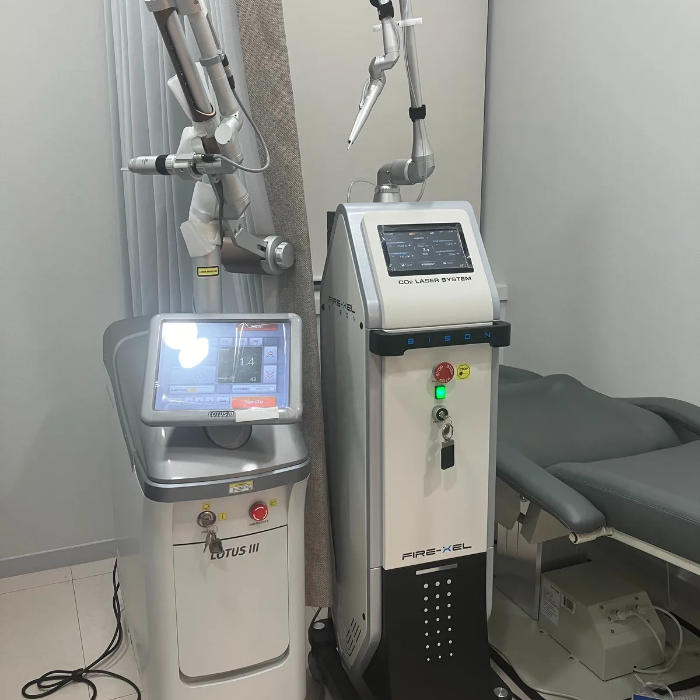
Q6. Why are Er:YAG and CO₂ lasers selectively chosen for skin tag removal?
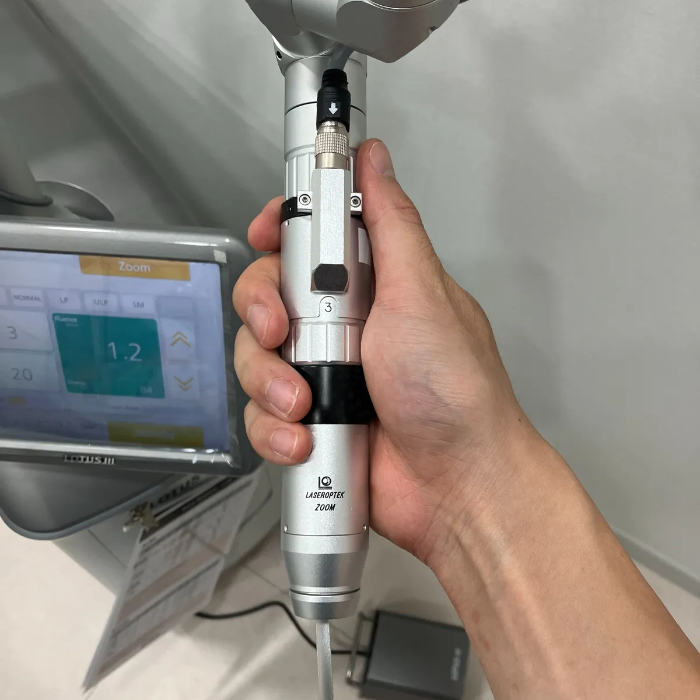
For the removal of skin tags, Er:YAG and CO₂ lasers are commonly employed.
CO₂ lasers are known for their strong tissue coagulation capabilities,
which can be advantageous for addressing larger skin tags with deeper attachments.
Conversely, Er:YAG lasers cause minimal thermal damage to the surrounding tissues.
This characteristic makes them well-suited for treating small, superficial skin tags or for applications in areas where the skin is particularly thin.
The appropriate laser selection is guided by the skin tag's size, depth, and precise location.
Consequently, these two laser types may be selected individually or utilized in combination.
This strategy aims to minimize visible marks after the procedure and to foster favorable skin healing.
Q7. Is it possible for scars to form following skin tag removal?
Generally, smaller skin tags often heal without resulting in visible marks.
However, should the lesion be of a larger size,
or found in a region frequently exposed to friction or irritation,
the recovery period might be extended.
Therefore, skin tag treatment should encompass more than merely the removal procedure itself,
and should equally prioritize supporting appropriate skin healing after the intervention.

Q8. Is it possible for skin tags to recur after they have been removed?
It is infrequent for an identical skin tag to regrow in the exact location from which it was removed.
However, an individual's skin type, metabolic considerations, or lifestyle choices can influence whether
new skin tags might form in different areas over time.
For this reason, skin tag management often proves more effective when approached
as a comprehensive evaluation of the patient's overall skin condition,
rather than solely as a singular removal procedure.
While skin tags are a common occurrence,
they are not lesions to be removed haphazardly or without adequate professional assessment.
Should you be contemplating options for skin tag removal, it is prudent to assess whether:
- The clinic performs precise differentiation of skin lesions,
- The treatment offered is not confined to a singular, standardized laser approach, and
- Detailed explanations are provided concerning post-removal skin healing and subsequent aftercare.
Even in the case of a solitary skin tag,
the disparity between an approach that emphasizes minimizing subsequent effects
and an alternative that does not
can yield significantly varied results.
For skin tag treatments,
the authentic distinction resides not in the specific technique employed for lesion removal,
but rather in the overall clinical philosophy regarding comprehensive skin well-being.
Recommended treatments
Treatments that work especially well together.


Related notes
Procedure notes worth reading next.


Loading menu…