

Does LDM Treatment Support Skin Soothing and Barrier Function? Beomgye, Pyeongchon, Beomgye Station, Pyeongchon Station, Hogye-dong, Bisan-dong, Gwanyang-dong, Dongan-gu, Indeogwon, Geumjeong, Anyang
4/2/2026
This is a procedure note for Does LDM Treatment Support Skin Soothing and Barrier Function? at Gyeonggi Anyang Beomgye KKEUT Korean Clinic.
If you're looking for treatments that can soothe sensitive skin and help restore its barrier, one keyword you'll encounter more often than you might expect is LDM Effect.
Especially for those who experience prolonged heat after laser treatments or whose skin easily reddens, many wonder if a calming-focused approach is better than treatments that add more irritation.
In such cases, it's better to first understand what skin conditions it can actually help with, rather than simply whether it's a popular treatment.
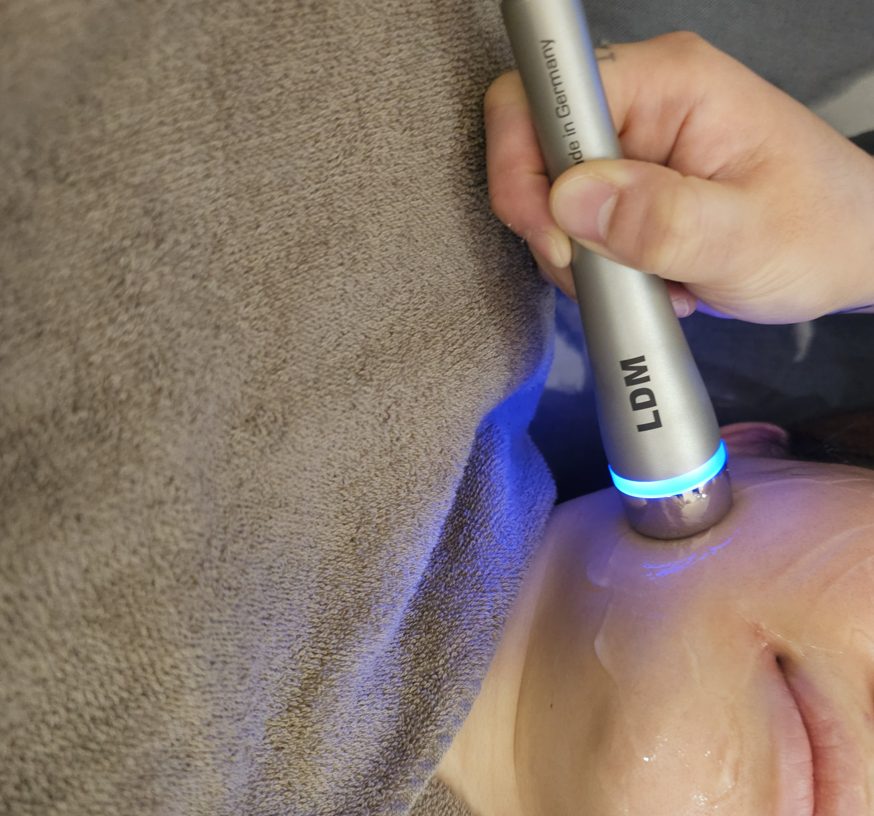
First, to give you a broad overview, LDM is an ultrasound-based treatment that has the advantage of focusing on both soothing and restoring balance to the skin, rather than adding excessive heat stimulation.
Of course, it's not a treatment that resolves all skin problems at once, but it can be a good supplementary option for skin that retains heat or has a compromised barrier.
Therefore, many people are interested in it for post-aggressive treatment care, sensitive skin care, or in cases of persistent redness or dryness.
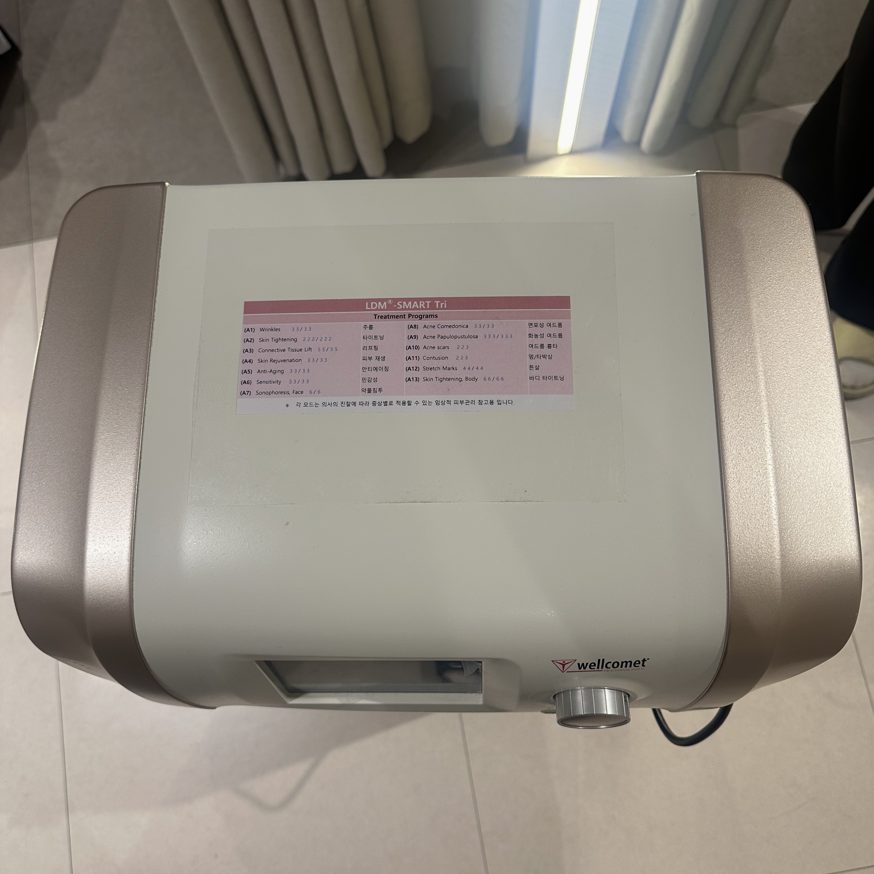
An important point when discussing the LDM Effect is that “no strong irritation does not equal no meaning”.
Skin doesn't just improve by aggressive treatment; when it needs to recover, creating a recovery flow is also important.
Especially if your skin continues to be sensitive, it might be more realistic to prioritize calming and barrier restoration rather than repeatedly undergoing more irritating treatments.
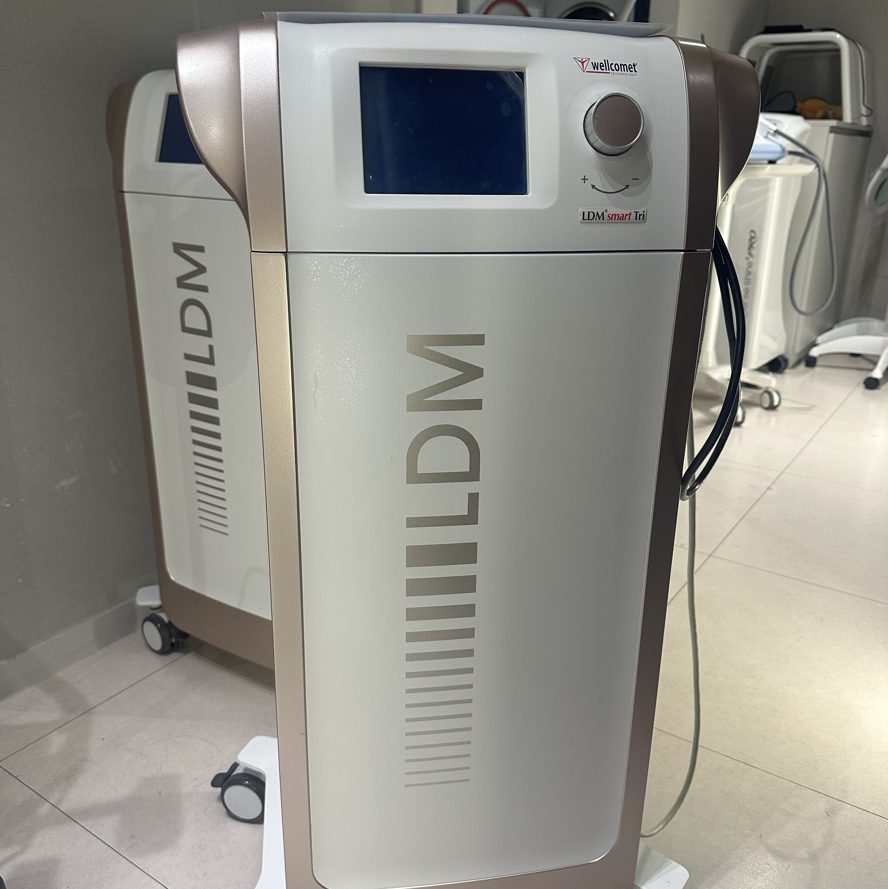
Related Studies/Evidence Summary
1. Data related to ultrasound-based skin care explains its potential for use in helping to soothe skin and restore its moisture balance. However, the response may vary depending on the indications and skin condition.
2. Reviews related to skin barrier and inflammatory responses explain that for sensitive skin, creating a stable recovery environment is more important than approaches that add more irritation.
3. In clinical practice, we believe it's more important to determine which treatment is appropriate at what time within the overall skin condition, rather than just standalone care.
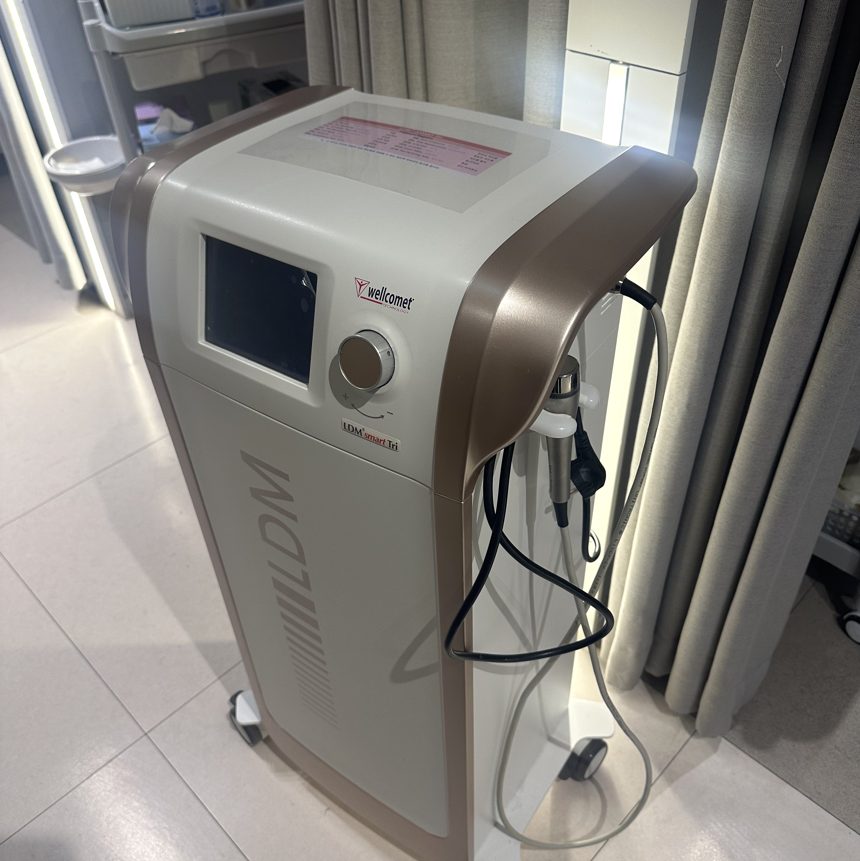
At Kkeut Clinic, we also consider this aspect important when looking at LDM.
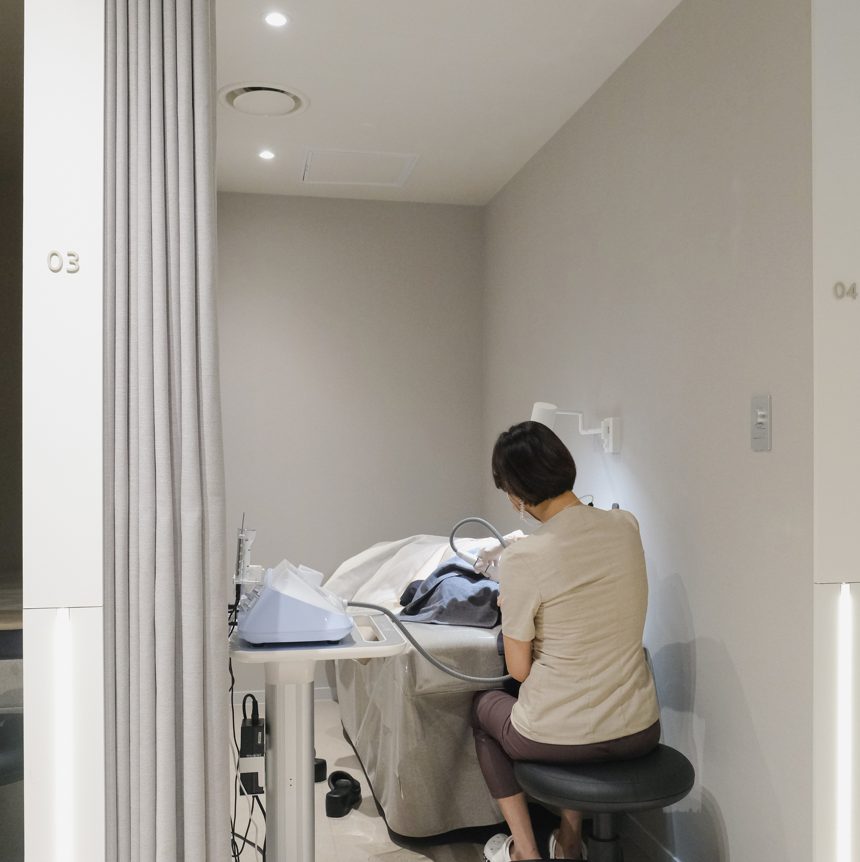
We always proceed with treatments after consultation with the director, ensure medical staff consultation is mandatory, and focus on operations that reduce waiting times.
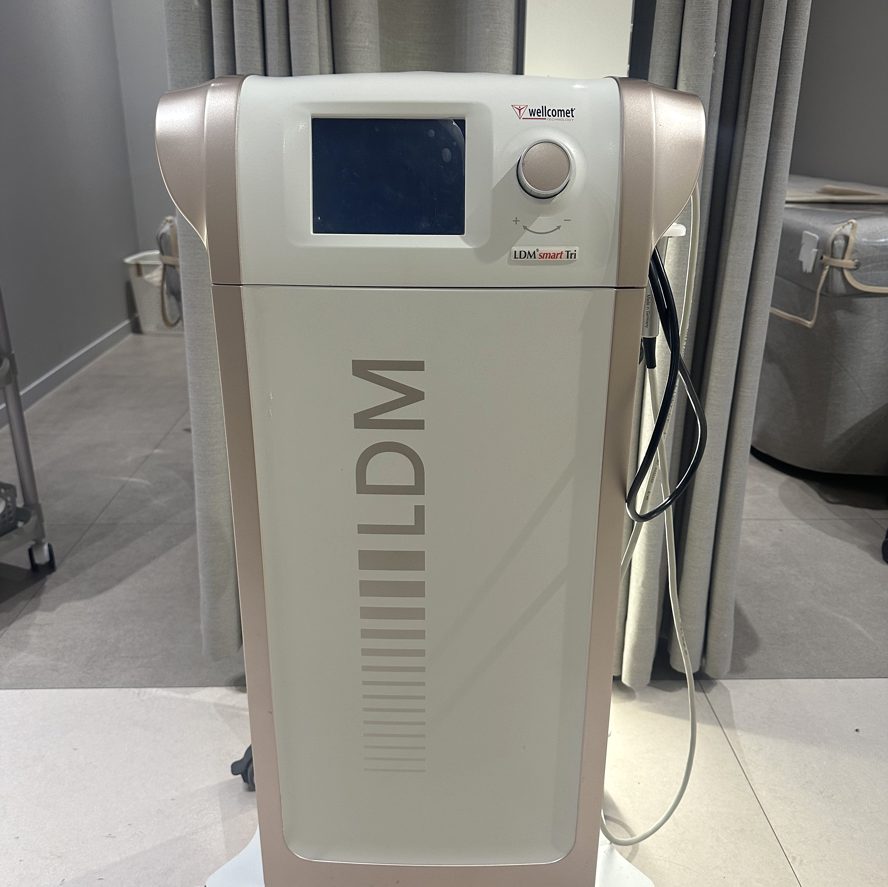
Furthermore, the use of expensive, genuine smart tri equipment is also a significant difference.
Ultimately, it's not just about what equipment is used, but more importantly, whether there's an explanation as to why this treatment is necessary for your current skin.
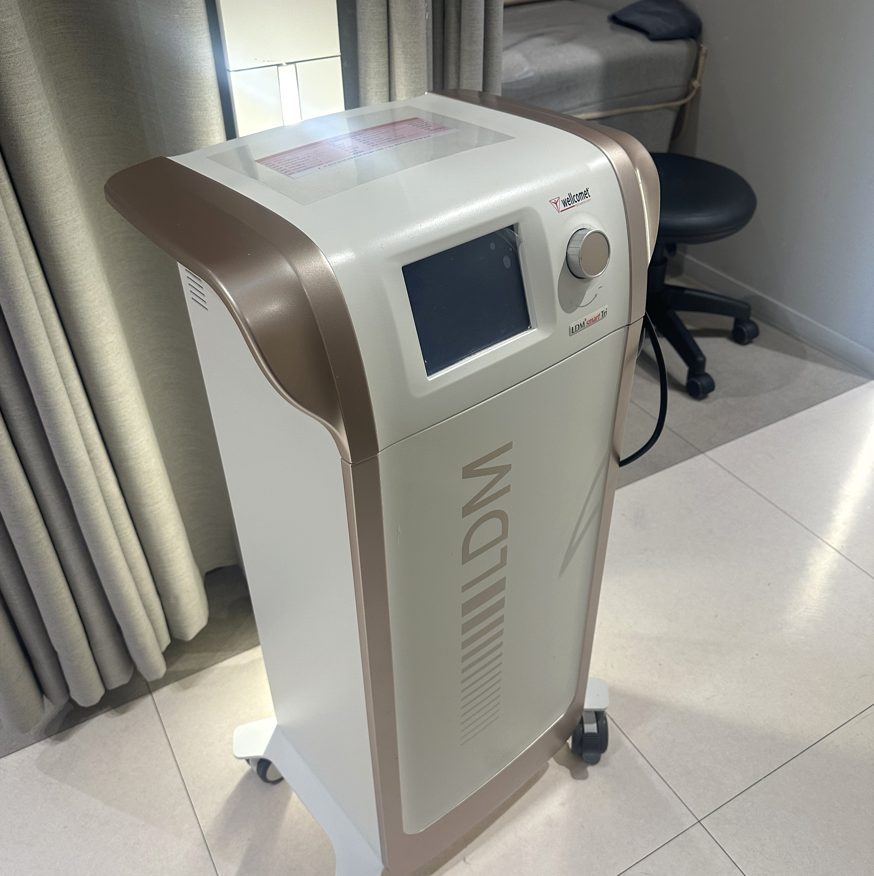
For sensitive skin, rather than desiring immediate strong changes, reducing irritation and maintaining a stable recovery flow often contributes more to satisfaction.
Therefore, when planning treatment, it should also be explained whether your skin is currently at a stage where it can undergo the treatment, and what interval should be maintained with other procedures.
If you're curious about the LDM Effect, it's better to check if it suits your current skin condition first, rather than just relying on simple experience reviews.
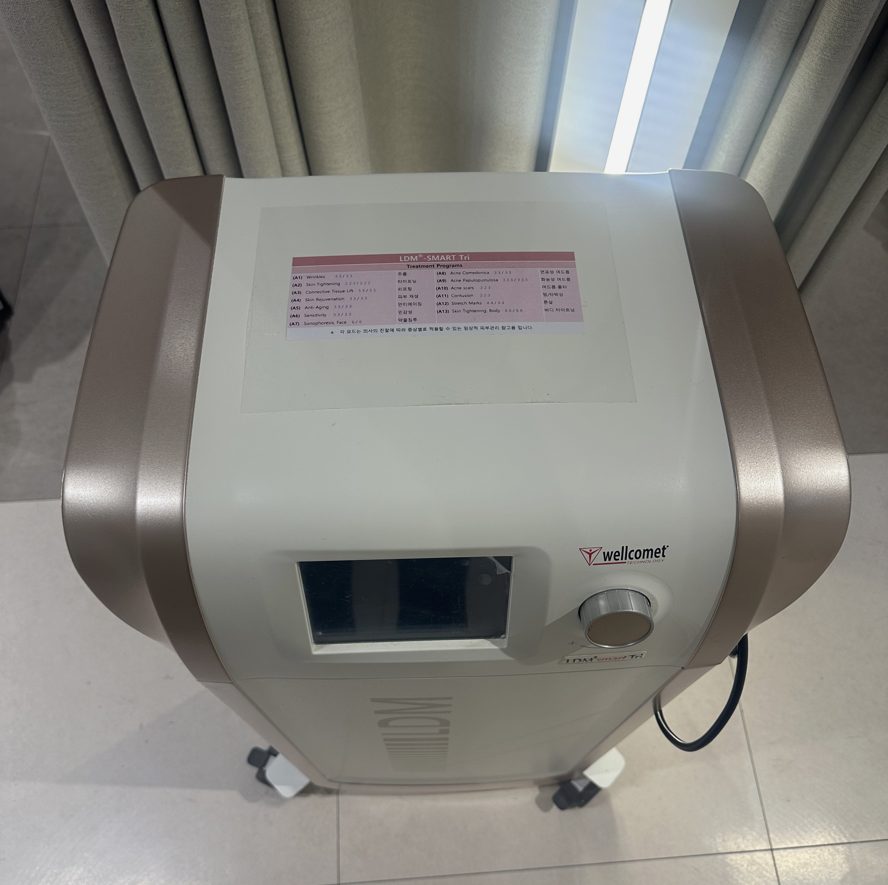
QnA Summary
Q1. Is LDM generally less irritating?
A1. It's often viewed as a relatively calming-focused approach, but its applicability may vary depending on your current skin condition.
Q2. Can it also help sensitive skin after treatment?
A2. While it may be considered as a supplementary option for skin with residual heat or redness, a judgment based on individual condition is necessary.
Q3. What criteria should I use to decide on treatment?
A3. It's best to check if it explains whether your skin is currently in a recovery phase and what the interval should be with other treatments.
Related notes
Procedure notes worth reading next.


Loading menu…