

Thread Lift vs. Ultherapy: Comparing Benefits and Who They're For Beomgye, Pyeongchon, Beomgye Station, Pyeongchon Station, Hogye-dong, Bisan-dong, Gwanyang-dong, Dongan-gu, Indeogwon, Geumjeong, Anyang
8/20/2026
This is a procedure note for Thread Lift vs. Ultherapy: Comparing Benefits and Who They're For at Gyeonggi Anyang Beomgye KKEUT Korean Clinic.
Thread lifting is a frequently searched keyword for those concerned about improving sagging skin.
When you feel your facial line has collapsed and are looking into lifting procedures, it's common to compare thread lifting and ultrasound lifting together.
Thread lifting is a procedure that involves inserting dissolvable threads into the dermal or subcutaneous fat layers of the skin to physically lift sagging tissues.
It is known that while the inserted threads support the tissues, a foreign body reaction occurs, simultaneously stimulating collagen production in the surrounding area.
The intensity of the lift and the areas where it lasts vary depending on the type and number of threads, and the direction of insertion.
The threads used in this procedure, such as PDO, PLLA, and PCL, are known to have different absorption rates and duration of effects depending on their composition.
The procedure is often performed after applying anesthetic cream or local anesthesia to the treatment area, which helps reduce pain.
These procedures are often applied to mild to moderate sagging areas, and are known for their short treatment time and relatively fast recovery.
Since the duration of the effect is determined by the time it takes for the threads to be gradually absorbed into the body, it is important to check the maintenance period in advance.
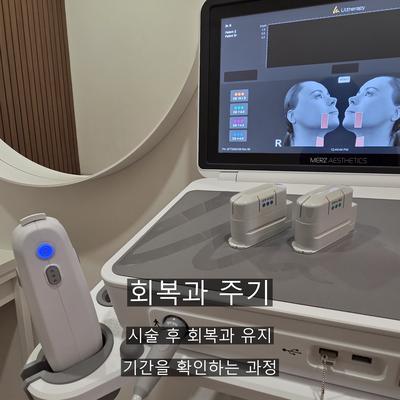
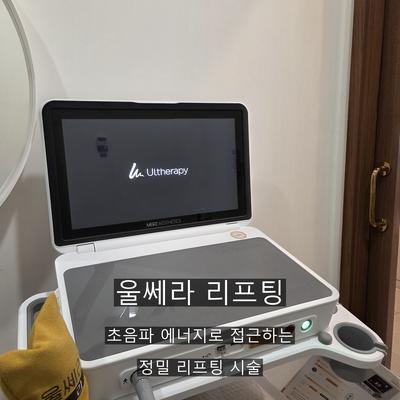
Ultherapy is an ultrasound lifting procedure that operates on a completely different principle than thread lifting.
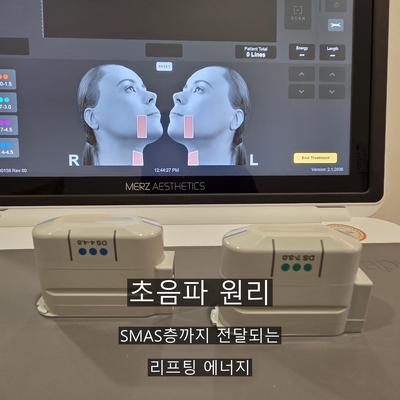
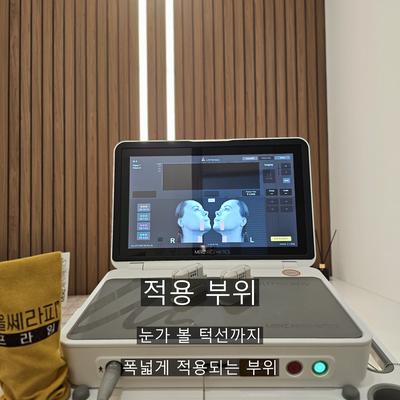
It works by precisely delivering high-intensity focused ultrasound (HIFU) energy to the deep SMAS layer of the skin, inducing collagen regeneration within the tissue itself.
Being a non-invasive method that does not involve threads or separate implants, its approach is fundamentally different from the procedure described earlier.
Ultherapy delivers energy while real-time ultrasound imaging confirms the depth of the SMAS layer, making it crucial to accurately reach the desired depth.
It is common to adjust the tip depth according to the treatment area and skin thickness.
Ultherapy is widely applied to various sagging areas across the face, including around the eyes, cheeks, jawline, and neck wrinkles.
Since collagen regeneration takes time after a single treatment, effects appear gradually and are generally known to last for about 6 months to 1 year.
Since the two procedures have different purposes, it is difficult to definitively say which one is better.
Thread lifting is often considered when one desires to quickly experience noticeable line changes, as the thread structure provides immediate support.
Ultherapy is typically chosen by those who seek natural elasticity changes over time, by enhancing the skin tissue's regenerative power without a foreign body sensation.
If your lower facial line has sagged and you desire immediate changes, thread lifting is often considered; if you wish to naturally enhance elasticity in broader areas like around the eyes or cheeks, Ultherapy is often prioritized.
It's also good to note that thread lifting may cause swelling or a pulling sensation initially as it settles, while Ultherapy might result in temporary redness or mild discomfort immediately after the procedure.
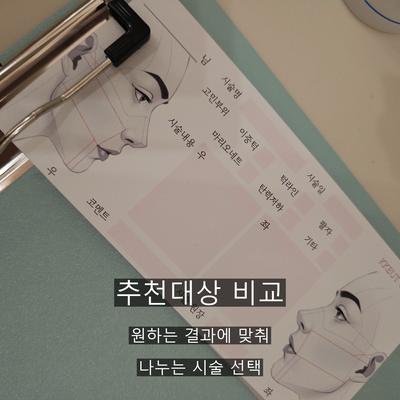
Thread lifting and Ultherapy are not about superiority, but rather about choosing the approach that best suits your desired results and skin condition.
Organizing your skin type and desired timeline for changes in advance can help determine the more suitable direction between the two procedures during the consultation.
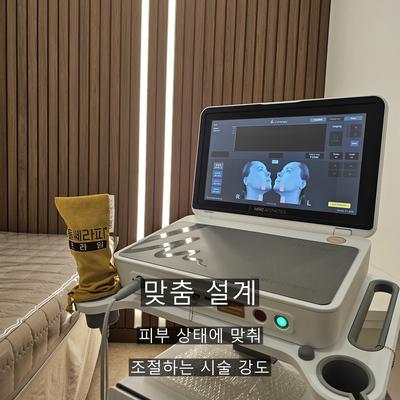
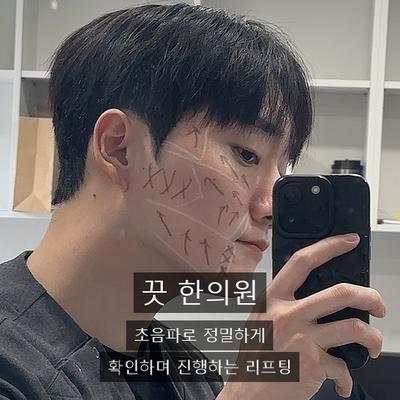
At Kkeut Oriental Medicine Clinic, before performing Ultherapy, we always first conduct the design in a sitting position to prevent side effects such as cheek hollowing.
Kkeut Oriental Medicine Clinic carefully examines the skin condition and degree of sagging before treatment, designing the Ultherapy treatment intensity and tip configuration individually for each patient.
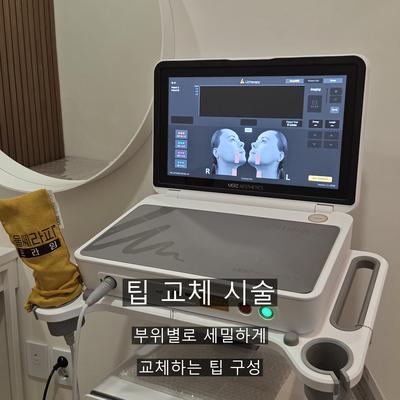
Kkeut Oriental Medicine Clinic not only uses the 4.5mm main tip but also switches between 3.0, 2.0, and 1.5mm tips for different areas, meticulously addressing variations in tissue depth across the face.
Kkeut Oriental Medicine Clinic adjusts the tip's angle and directly confirms the SMAS layer on the ultrasound screen before delivering energy, concentrating lifting energy precisely where needed.
Kkeut Oriental Medicine Clinic summarizes and shares treatment progress in a lifting card after the procedure, which can be referred to when planning future treatments.
Frequently Asked Questions
Q. Which procedure should I look into first between thread lifting and Ultherapy?
A. Thread lifting utilizes the physical support of threads, while Ultherapy induces tissue regeneration with ultrasound. Therefore, it's best to first clarify your desired speed of change and preference regarding foreign body sensation before comparing them.
Q. How long do the effects of thread lifting last?
A. The effects of thread lifting tend to gradually diminish as the threads are absorbed, so it is necessary to check the maintenance period in advance, depending on the type of thread used.
Q. Can I receive both thread lifting and Ultherapy at the same clinic?
A. Since the availability and method of thread lifting vary by clinic, confirmation is required before your visit. Kkeut Oriental Medicine Clinic specializes in Ultherapy lifting, which utilizes ultrasound.
Q. When is Ultherapy recommended instead of thread lifting?
A. If you desire natural elasticity changes without a foreign body sensation, or if you feel apprehensive about thread insertion, non-invasive lifting procedures like Ultherapy are often prioritized over thread lifting.
The Sincerity of Kkeut Oriental Medicine Clinic
Kkeut Oriental Medicine Clinic provides differentiated results through a meticulous protocol that involves changing tips from 4.5mm down to 1.5mm for different areas.
Kkeut Oriental Medicine Clinic enhances patient satisfaction by first conducting the design in a sitting position, preventing side effects such as cheek hollowing.
Kkeut Clinic simultaneously pursues safety and effectiveness through a precise approach that involves directly verifying the SMAS layer with an ultrasound screen and adjusting the tip's angle.
The subtle difference that makes all the difference — Experience it at Kkeut Clinic.
Related notes
Procedure notes worth reading next.


Loading menu…