

Why Facial Melasma Doesn't Lighten with Just One Laser Toning Session Beomgye, Pyeongchon, Beomgye Station, Pyeongchon Station, Hogye-dong, Bisan-dong, Gwanyang-dong, Dongan-gu, Indeogwon, Geumjeong, Anyang
8/21/2026
This is a procedure note for Why Facial Melasma Doesn't Lighten with Just One Laser Toning Session at Gyeonggi Anyang Beomgye KKEUT Korean Clinic.
Facial melasma is not a pigment that completely disappears with a single treatment.
Many people are concerned about melasma in the mirror and are looking into laser toning.
Understanding the principle of why facial melasma doesn't fade easily can help in planning your treatment.
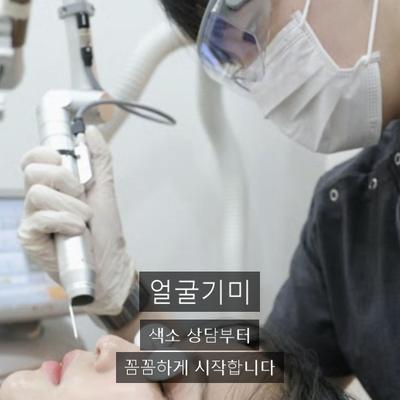
Melasma is a hyperpigmentation caused by the overactivation of melanocytes at the epidermal-dermal junction.
Accumulated UV exposure makes melanocytes sensitive and causes them to continuously produce pigment.
Hormonal changes, friction, and heat stimulation can also excite melanocytes.
The pigment produced in this way often spreads widely and shallowly across the entire face.
Unlike distinct spots or blemishes, melasma spreads in areas, requiring a different approach.
If there is a family history, melasma tends to occur more easily.
Due to these characteristics, melasma management requires not only pigment removal but also overall improvement of the skin environment.
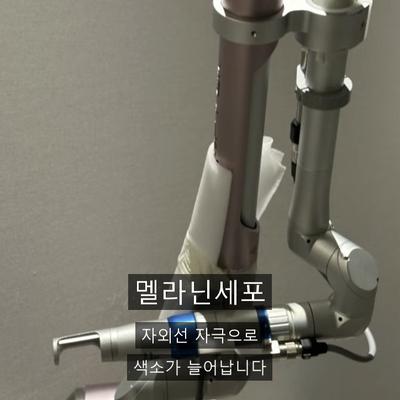
The reason facial melasma does not fade with a single laser toning session is related to how the pigment spreads.
Applying strong energy in one go may partially lighten the pigment, but it increases the risk of sensitive melanocytes being re-stimulated to produce pigment.
This phenomenon is called post-inflammatory hyperpigmentation and can lead to melasma actually getting darker.
Facial melasma often spreads widely and symmetrically, so treating only one area intensely can create an overall tone difference.
Ultimately, to safely reduce pigment, increasing the number of treatment sessions rather than the intensity is a reasonable approach.
For facial melasma treatment, it is safer to apply lower energy in multiple divided sessions rather than strong stimulation.
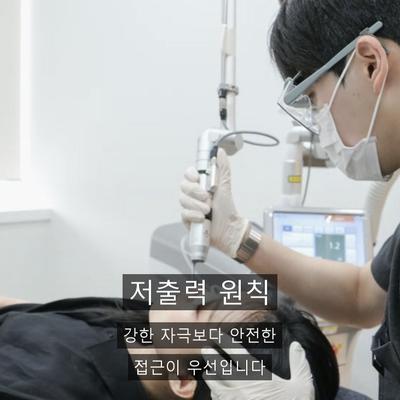
Laser toning is a procedure that gradually breaks down melanin by applying a 1064 nanometer wavelength laser with low energy multiple times.
It is not a method of burning the pigment all at once, but an accumulative procedure that gradually reduces the pigment over multiple sessions.
The key to this method is to selectively reduce pigment without stimulating melanocytes, while minimizing epidermal damage.
Thanks to the principle of repeated low-power irradiation, you can continue your daily life without recovery processes like swelling or scabs.
Depending on the equipment, wavelength and pulse width can be adjusted, allowing for settings tailored to pigment depth and skin type.
After laser treatment, pigment gradually fades through the body's metabolic processes, so results may not appear immediately.
Instead of maintaining consistent energy each session, gradually adjusting it based on the skin's response helps reduce pigment recurrence.
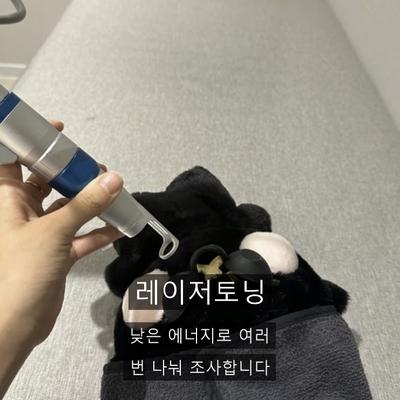
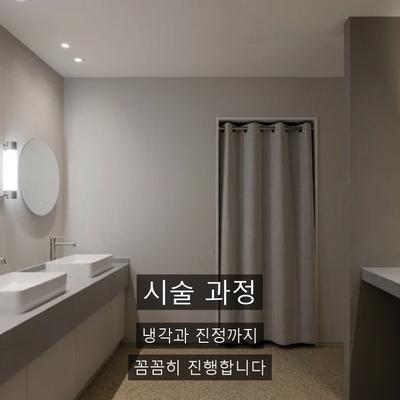
The treatment begins with cleansing the skin.
Next, cooling gel or anesthetic cream is applied to reduce heat and irritation.
After evenly applying the laser to the entire face, the treatment concludes with soothing care.
The treatment time is generally short, around 15 to 20 minutes.
There may be a tingling sensation during the procedure, but it is generally tolerable.
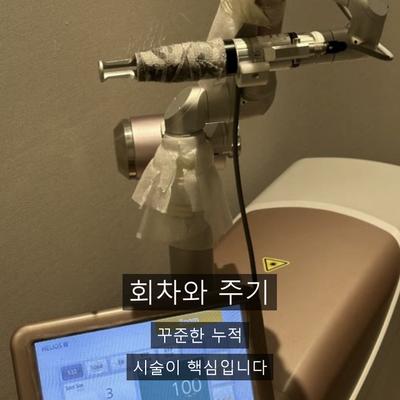
Laser toning for melasma improvement usually requires ten or more cumulative sessions.
The more widely spread the pigment, like facial melasma, the greater the impact of cumulative sessions.
The recommended frequency is every 1-2 weeks, and it's important not to receive treatments too frequently, considering the skin's recovery time.
Checking skin condition and adjusting energy during each session significantly helps prevent pigment recurrence.
Rather than rushing sessions, progressing according to the skin's recovery speed leads to more stable results.
If treatment intervals are too short, skin irritation can accumulate, potentially slowing down pigment improvement.
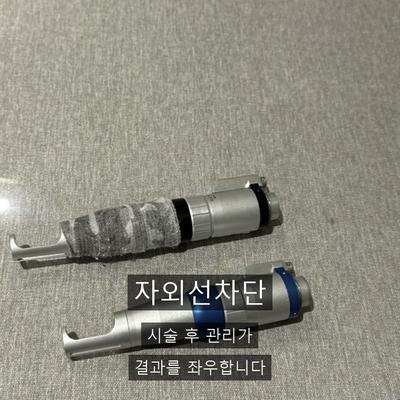
After treatment, sun protection is key to melasma management.
You must frequently reapply a sufficient amount of sunscreen to reduce melanocyte stimulation.
Moisturize sufficiently and on the day of treatment, avoid activities that raise body temperature, such as saunas or strenuous exercise.
Gently cleanse your face with lukewarm water, and it's best to refrain from exfoliation or scrubbing for a few days.
It is recommended to apply light makeup starting the day after treatment, rather than on the day of the procedure.
Touching or rubbing the treated area with your hands can also lead to pigment stimulation, so caution is advised.
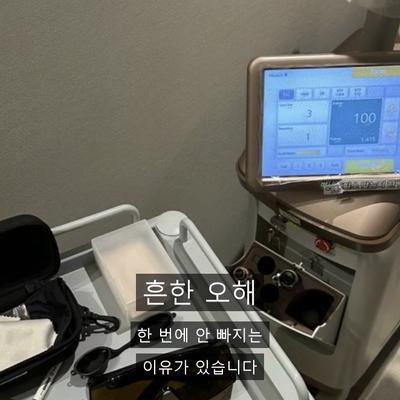
Sometimes, people confuse melasma with dark circles or general dullness, leading them to waste time on incorrect treatments.
Expecting melasma to completely disappear after just one session of laser toning can easily lead to disappointment.
Consistent sessions and proper care are essential to gradually observe the lightening of pigmentation.
The speed at which pigmentation lightens can vary depending on individual skin type and the depth of the pigmentation.
Laser toning is a procedure that not only helps with melasma but also contributes to overall skin tone improvement.
Kkeut Oriental Clinic's Unique Melasma Management Expertise
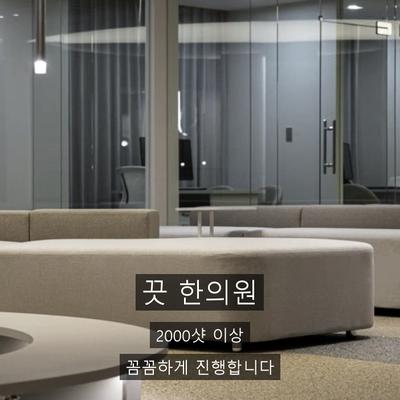
Kkeut Oriental Clinic ensures a sufficient dosage of over 2000 shots per session in melasma treatment.
Kkeut Oriental Clinic increases efficiency by targeting areas of concern with dense pigmentation more intensively.
Kkeut Oriental Clinic does not use the same energy level in every session, but rather gradually increases the energy according to the patient's skin condition.
Thanks to this meticulous approach, Kkeut Oriental Clinic performs treatments in a way that minimizes irritation and accelerates pigmentation improvement.
Even after the treatment, Kkeut Oriental Clinic provides specific guidance on UV protection and moisturizing care methods to minimize gaps in management between sessions.
Frequently Asked Questions
Q. How many sessions of laser toning are typically needed for facial melasma?
A. For improving facial melasma, a cumulative treatment of usually ten or more laser toning sessions is recommended, and Kkeut Oriental Clinic adjusts the number of sessions and frequency according to the patient's skin condition.
Q. Can facial melasma become darker after laser toning?
A. Excessive high-energy treatments can stimulate facial melasma and worsen pigmentation, so it is safer to proceed with lower energy levels divided into multiple sessions.
Q. What is the recommended interval between facial melasma treatments?
A. For facial melasma laser toning, an interval of 1-2 weeks is recommended, and the next session proceeds after checking the skin's recovery status.
Q. Is sun protection truly important if I have facial melasma?
A. Facial melasma reacts sensitively to UV exposure, so it is crucial to apply sunscreen diligently throughout the treatment period.
Kkeut Oriental Clinic's Sincere Commitment
Kkeut Oriental Clinic provides differentiated results by ensuring a sufficient dosage of over 2000 shots per session.
Kkeut Oriental Clinic enhances patient satisfaction by intensively targeting areas with dense pigmentation.
Kkeut Oriental Clinic simultaneously pursues safety and effectiveness by meticulously adjusting energy levels in each session.
A Subtle Difference, Different Results — Experience it at Kkeut Oriental Clinic.
Related notes
Procedure notes worth reading next.

3 Criteria to Consider When Choosing a Clinic for Melasma Treatment
2026. 10. 5.

Criteria for Choosing a Melasma Treatment Clinic: Accurate Diagnosis, Customized Treatment Plan, Thorough Aftercare
2026. 10. 9.

Melasma Always Comes Back? The Solution to Persistent Recurrence is 'Laser Treatment'.
2025. 11. 28.
Loading menu…