

Laser Lifting After-Effects: Why Indentations, Asymmetry, and Overcorrection Happen Beomgye, Pyeongchon, Beomgye Station, Pyeongchon Station, Hogye-dong, Bisan-dong, Gwanyang-dong, Dongan-gu, Indeogwon, Geumjeong, Anyang
11/27/2025
This is a procedure note for Laser Lifting After-Effects: Why Indentations, Asymmetry, and Overcorrection Happen at Gyeonggi Anyang Beomgye KKEUT Korean Clinic.
레이저 리프팅 후 발생하는 꺼짐, 비대칭, 과교정 현상의 원인은 무엇일까요?
문제를 이해하면 예방도 가능합니다.
리프팅을 고려하는 많은 분들이 가장 걱정하는 질문입니다.
“얼굴이 꺼지는 것은 아닐까요?”
“비대칭이 될까 봐 염려됩니다…”
이러한 걱정은 충분히 이해할 만한 현실적인 부분입니다.
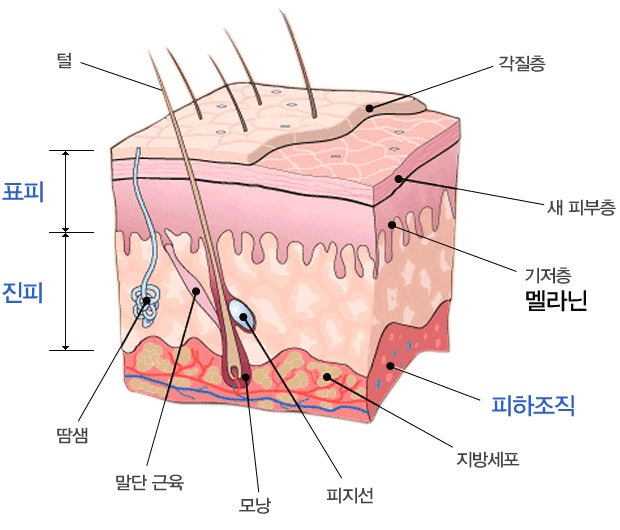
리프팅 시술은 단순히 피부 표면만 다루는 섬세한 과정이 아닙니다.
진피층부터 피하 지방층, 그리고 유지 인대층까지 영향을 미치는 에너지 기반의 시술이지요. 그렇기 때문입니다.
1) 부작용이 발생하는 실제 원인
✔ ① 피부 두께와 지방량을 고려하지 않은 시술
개개인의 피부 특성은 모두 다릅니다.
- 얼굴에 지방이 많은 경우
- 얼굴 지방이 적은 경우
- 피부가 얇은 경우
- 피부가 두꺼운 경우
이러한 차이를 고려하지 않고 동일한 강도로 시술하게 되면:
- 지방이 적은 분들은 → 얼굴 꺼짐이 발생할 위험이 있습니다.
- 피부가 두꺼운 분들은 → 기대하는 효과가 미흡할 수 있습니다.
안전을 위해 시술 강도와 깊이는 각 개인의 볼륨 구조에 맞춰 조절되어야 합니다.
✔ ② 좌우 얼굴 비대칭에 대한 충분하지 않은 고려
대부분의 사람 얼굴은 좌우가 완벽하게 대칭이지 않습니다.
하지만 양쪽에 동일한 강도로 리프팅을 진행한다면 어떻게 될까요?
- 한쪽 턱선만 더 강하게 올라가거나,
- 광대 밑 꺼짐이 다르게 나타나는 등,
- → 비대칭이 심화될 수 있습니다.
따라서 양쪽 얼굴에 다른 설정 값과,
다양한 각도로 에너지를 적용해야 합니다.
✔ ③ 열 안전 수칙 및 에너지 누적 방식 미준수
리프팅 에너지는
한 번에 강하게 주입하는 방식보다는,
낮은 에너지를
여러 번 반복하여 쌓아 올려
안전하게 누적하는 것이 중요합니다.
이 과정에서,
피부 표면의 화상이나,
지방층 손상(즉, 꺼짐 현상)을 예방할 수 있습니다.
✔ ④ Practitioner's Tactile Skill Deficit
Even when using identical equipment,
outcomes can differ significantly based on the practitioner's expertise.
Through the fingertips, a clinician perceives:
- Heat sensation within the tissue.
- Resistance or tissue elasticity.
- The speed of tissue response.
By accurately sensing these subtle reactions,
the angle and intensity of application must be adjusted without delay.
It is the practitioner, not solely the device, who guides the procedure and influences its outcome.
✔ ⑤ Insufficient Real-time Patient Feedback During Treatment
During the procedure, practitioners consistently engage patients in conversation.
For example, questions like, "What level of pulling sensation are you experiencing on your cheek?"
or "Is the heat under your cheekbones causing discomfort?" are common.
Gaining insights from the patient's sensory input is crucial.
This dynamic, ongoing interaction
helps to prevent issues such as overcorrection or excessive heat application.
2) Scenarios Leading to Indentation Versus Preventable Circumstances
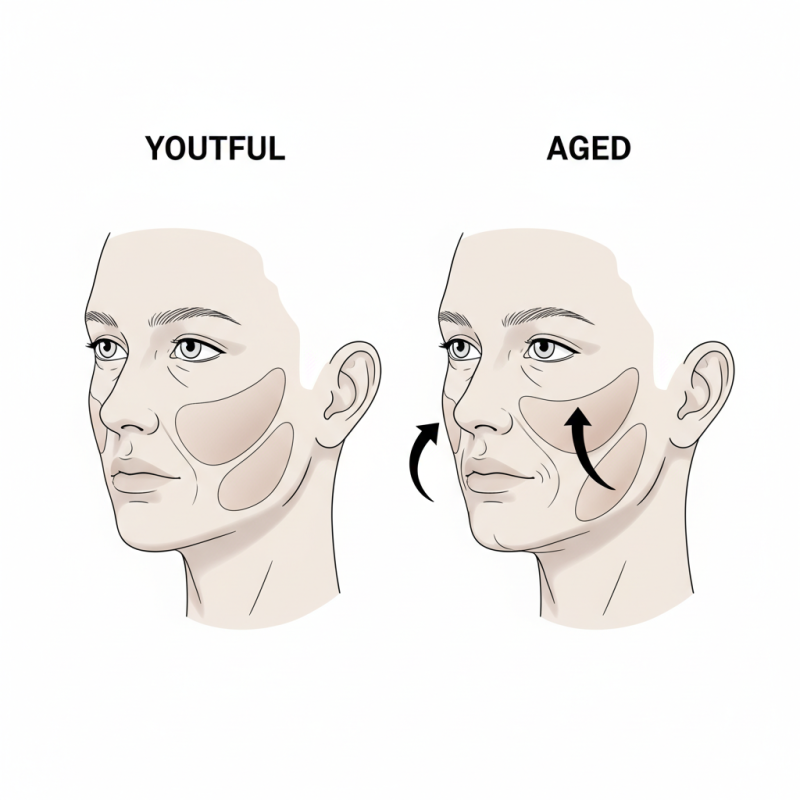
❗ Factors Contributing to Indentation
- Applying high-intensity energy to regions with minimal subcutaneous fat.
- Uniform application of intensity across both sides of the face.
- Solely utilizing an upward lifting direction.
- Performing design planning while the patient is supine.
- Inability to perceive skin resistance, often stemming from insufficient practitioner experience.
- Absence of continuous, real-time patient response verification.
✔ Strategies for Indentation Prevention
- Intensity modulation following a thorough assessment of skin thickness and fat volume.
- Tailored settings considering left-right facial asymmetry.
- Implementing lifting vectors that account for gravitational forces.
- Employing a controlled heat accumulation technique.
- Precise adjustments guided by tactile feedback.
- Ongoing, real-time confirmation of patient feedback.
- + Transparent documentation of treatment parameters using a lifting card.
It is essential to understand that
the significance lies not in the lifting card's mere existence,
but in its role as a transparent tool to meticulously document the complete procedural journey.
3) The lifting card serves no marketing purpose.
Accurate record-keeping helps ensure treatment safety and consistent results.
Each detailed lifting treatment record includes:
- Intensity levels tailored to specific facial areas.
- The precise number of shots applied.
- Specific application depths for different skin layers.
- Any adjustments made for left and right facial asymmetry.
- The precise directional vectors used during the lift.
- Important notes regarding the patient's skin type.
All of these details are carefully recorded.
When a follow-up lifting treatment is scheduled, for example, after six months:
For instance, if a patient returns for a subsequent session, the records might guide the practitioner with insights such as, “During the previous session, the lower cheekbone area showed less adipose tissue, so the intensity was reduced accordingly. We will apply a similar approach this time.”
This detailed history enables us to provide personalized follow-up treatments, drawing upon each individual's previous procedure data.
4) Conclusion: We believe that potential lifting side effects stem from imprecise planning and technique, rather than mere chance.
Concerns such as skin indentations, facial asymmetry, or overcorrection in lifting procedures
are typically not due to inherent skin weakness,
but often arise from an unsuitable or improper application method.
Our fundamental philosophy follows a core principle:
Our approach is not merely about pulling or tightening the skin;
instead, it aims to safely rejuvenate the skin, restoring its vitality.
We do not aim for an unnaturally taut appearance,
but rather a balanced look where elasticity and natural volume are harmonized.
Achieving this natural aesthetic is our ultimate goal.
Recommended treatments
Treatments that work especially well together.
![[100 Shots for 7,900 KRW Event] Shurink Universe](/_next/image?url=https%3A%2F%2Ffirebasestorage.googleapis.com%2Fv0%2Fb%2Fkkeutguro-7e583.firebasestorage.app%2Fo%2Fproducts%252Fguro%252Fko%252F1758779429496_5b7b2091-4233-4458-a57a-366e680e405d_1756101494437_b319f26d-c87d-4d89-bfa8-b6672b688313_001-ezgif.com-png-to-webp-converter.webp%3Falt%3Dmedia%26token%3D492af73d-2690-4818-abe6-d996e618b2ad&w=3840&q=75)
[100 Shots for 7,900 KRW Event] Shurink Universe
View details →![[For fat reduction like double chin, jawline] InMode Lifting](/_next/image?url=https%3A%2F%2Ffirebasestorage.googleapis.com%2Fv0%2Fb%2Fkkeutguro-7e583.firebasestorage.app%2Fo%2Fproducts%252Fguro%252Fko%252F1758784936451_8bf0a7f4-a366-468e-9250-85a3f09c0434_1756101506711_3c7a2d83-391b-42c9-a66f-11986831aa25_002-ezgif.com-png-to-webp-converter.webp%3Falt%3Dmedia%26token%3Dd59ebf9d-3a39-4249-9295-0e383a3e6f45&w=3840&q=75)
[For fat reduction like double chin, jawline] InMode Lifting
View details →![[Less Pain, Fast Results] Onda Lifting](/_next/image?url=https%3A%2F%2Ffirebasestorage.googleapis.com%2Fv0%2Fb%2Fkkeutguro-7e583.firebasestorage.app%2Fo%2Fproducts%252Fguro%252Fko%252F1758785686405_61e88bd8-1f84-4d0d-b47b-44786189aa69_1756101519465_0a2a32db-d727-4e61-a698-17925e1696b6_003-ezgif.com-png-to-webp-converter.webp%3Falt%3Dmedia%26token%3D093c1ac5-d278-44c9-89d4-d16c45df5d41&w=3840&q=75)
[Less Pain, Fast Results] Onda Lifting
View details →![[10,000 Shots for 9,900 KRW Event] Microwave Kkeutda Lifting](/_next/image?url=https%3A%2F%2Ffirebasestorage.googleapis.com%2Fv0%2Fb%2Fkkeutguro-7e583.firebasestorage.app%2Fo%2Fproducts%252Fguro%252Fko%252F1758787974942_78b767ac-a0d0-4414-9603-d9d300b7e453_1758184116226_826038e8-06a5-448a-aebc-98d667b2a3d8_______-005__1_.png%3Falt%3Dmedia%26token%3D52a8033f-715f-4ecb-863f-8c224c7c7e61&w=3840&q=75)
[10,000 Shots for 9,900 KRW Event] Microwave Kkeutda Lifting
View details →![[Fine Lines, Elasticity, Pores] 10Therma Lifting](/_next/image?url=https%3A%2F%2Ffirebasestorage.googleapis.com%2Fv0%2Fb%2Fkkeutguro-7e583.firebasestorage.app%2Fo%2Fproducts%252Fguro%252Fko%252F1758871107392_1fc53b82-aec4-42dd-a0ec-e3963616d61b_1756113820837_b91d3c01-d162-4b6b-b2f6-bef2d7013d9a_SFAFAA.webp%3Falt%3Dmedia%26token%3D81ba32c2-cfe6-4753-97a7-2d4b5524bb2d&w=3840&q=75)
[Fine Lines, Elasticity, Pores] 10Therma Lifting
View details →![[Elasticity that Rises from Within the Skin] Oligio Lifting](/_next/image?url=https%3A%2F%2Ffirebasestorage.googleapis.com%2Fv0%2Fb%2Fkkeutguro-7e583.firebasestorage.app%2Fo%2Fproducts%252Fguro%252Fko%252F1758872932950_7588725d-8f58-4178-91c1-b013b40321d8_1756101549299_046ca959-0461-4967-850d-3caf59844b04_004-ezgif.com-png-to-webp-converter.webp%3Falt%3Dmedia%26token%3D55c19d83-9db2-40ac-8e48-aa75696e3366&w=3840&q=75)
[Elasticity that Rises from Within the Skin] Oligio Lifting
View details →![Oligio Lifting for Special Areas [e.g., Back of hands, Forehead, Glabella, Eyelids, Philtrum]](/_next/image?url=https%3A%2F%2Ffirebasestorage.googleapis.com%2Fv0%2Fb%2Fkkeutguro-7e583.firebasestorage.app%2Fo%2Fproducts%252Fguro%252Fko%252F1758870242276_251e5578-6c97-4f6c-be76-38536018dd7d_1756101560185_efc08dd5-f6cd-49c0-a6a8-0ad4bcb326bb_005-ezgif.com-png-to-webp-converter.webp%3Falt%3Dmedia%26token%3Dd0caab2b-b3a5-466d-8d32-d9a20ee91051&w=3840&q=75)
Oligio Lifting for Special Areas [e.g., Back of hands, Forehead, Glabella, Eyelids, Philtrum]
View details →![Power Inmode Lifting [Fat Removal, Asymmetry Correction, Elasticity UP~!]](/_next/image?url=https%3A%2F%2Ffirebasestorage.googleapis.com%2Fv0%2Fb%2Fkkeutguro-7e583.firebasestorage.app%2Fo%2Fproducts%252Fguro%252Fko%252F1759108170893_215e6806-42e5-4e2c-b9a0-e52e527acc03_gjkyu.webp%3Falt%3Dmedia%26token%3D21ce514c-6e1d-4340-9b0b-d0753c8c7425&w=3840&q=75)
Power Inmode Lifting [Fat Removal, Asymmetry Correction, Elasticity UP~!]
View details →Related notes
Procedure notes worth reading next.


Loading menu…