

Redness: When it's time to accurately identify the cause. Beomgye, Pyeongchon, Beomgye Station, Pyeongchon Station, Hogye-dong, Bisan-dong, Gwanyang-dong, Dongan-gu, Indeogwon, Geumjeong, Anyang
This is Gyeonggi Anyang Beomgye KKEUT Korean Clinic's procedure note on Redness: When it's time to accurately identify the cause.
Redness is a skin problem that can easily stand out even when covered with makeup, and individual differences may appear even with the same treatment.
When managing red skin, it is important to identify its cause. This is because the appropriate management method may vary depending on each cause.
At Kkeut Clinic, rather than temporary methods that cover up redness, we follow a process of first identifying the fundamental reasons why the skin turns red.
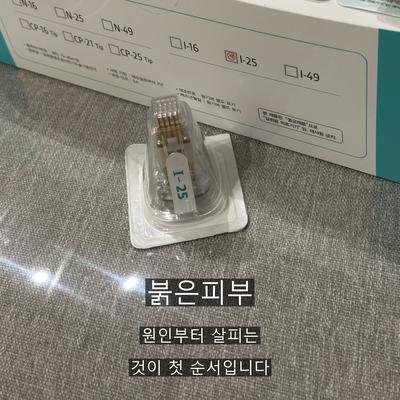
The patterns in which redness appears can generally be divided into three types.
First, there is the case where the skin barrier weakens and reacts sensitively to external stimuli.
In such cases, the skin can easily redden even with facial cleansing, temperature changes, or certain cosmetic ingredients.
The second is a situation where capillaries expand, making the red complexion of the face more prominent.
In this case, the face often reddens easily and the sensation of heat persists for a long time.
The third type refers to red marks that remain after acne or other inflammatory reactions.
Since pigmentation has occurred in the inflamed area, a different approach is needed compared to the two causes mentioned earlier.
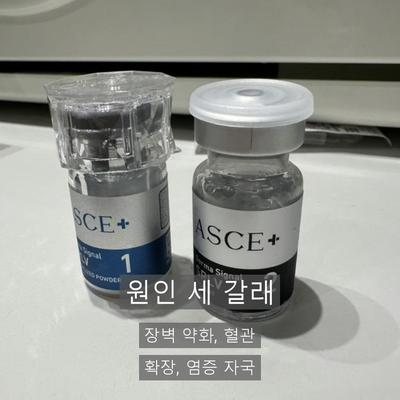
Even if all skin appears red on the surface, if the causes are different, the appropriate management methods will also inevitably differ.
For example, if strong exfoliating treatments are performed on a weakened skin barrier, there is a risk that redness may worsen.
Furthermore, if red marks due to inflammation are simply judged as a skin barrier issue and only hydration-focused management is continued, it may be difficult to see the desired improvement effect.
If redness persists for a long time, we also consider the possibility that multiple complex factors, rather than just one cause, may be at play.
Occasionally, an underlying skin condition may be the cause, so a consultation with medical professionals to accurately identify the skin condition must precede any treatment.
Therefore, accurately identifying the cause is the first and most crucial step in managing red skin.
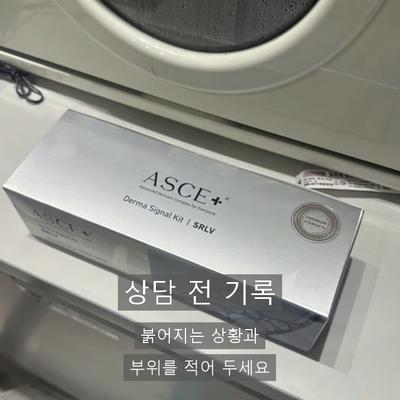
Recording some information in advance before your consultation visit can help you receive a more detailed and accurate consultation.
First, it is advisable to record specific situations in which your skin turns red.
For example, note whether redness occurs immediately after cleansing, after eating certain foods or drinking alcohol, or after sun exposure or drastic temperature changes.
Second, identify the location of the redness.
There is a difference in interpreting the cause depending on whether it is widely distributed on both cheeks and around the nose, or if it is confined only to areas where acne previously occurred.
Third, it is helpful to list your current skincare products and any recent changes in your lifestyle habits.
Especially if you have been using scrubs, peeling agents, or high-concentration functional cosmetics, providing detailed information about them will assist in your consultation.
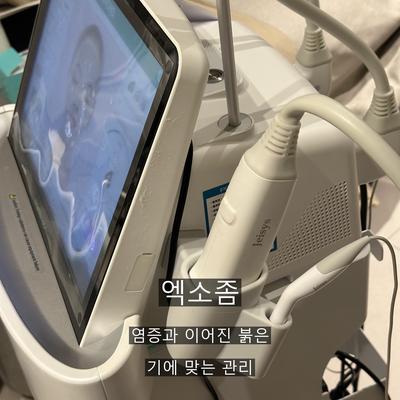
Among types of redness, exosome management can be considered for those deeply related to inflammatory reactions.
Exosomes are skin boosters that utilize signaling substances derived from stem cells. They are considered suitable for skin concerns related to inflammatory issues such as acne, acne scars, and rosacea.
PN-based procedures like Rejuran focus on improving the overall skin environment. You can expect improvements in skin hydration, elasticity, as well as pores and redness.
Since skin boosters vary in ingredients and mechanisms of action depending on their type, it is important to choose them carefully to match the specific patterns of red skin.
LDM management can often be combined with other treatments to alleviate skin troubles, provide a calming effect, and aid in skin recovery after procedures. It plays a role in supporting the overall skin environment.
In addition to procedural treatments, everyday lifestyle habits can also affect the condition of redness.
When cleansing, use lukewarm water to finish gently, and avoid rubbing the skin vigorously.
It is advisable to apply a sufficient amount of moisturizer with simple ingredients, and it is important to use sunscreen consistently every day.
Activities that cause a sensation of heat on the face, such as saunas, excessive exercise, and alcohol consumption, can make redness more prominent, so caution is advised.
If redness persists for a long time or is accompanied by symptoms such as itching or stinging, it is advisable to consult with medical professionals for an accurate diagnosis rather than attempting self-management.
Accurately identifying the cause of redness is essential to establish an effective management plan.
The process explained above is the basic sequence for diagnosing redness, and at Kkeut Clinic, we apply exosome management methods based on this diagnosis.
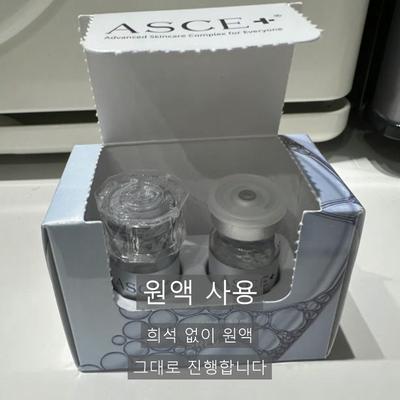
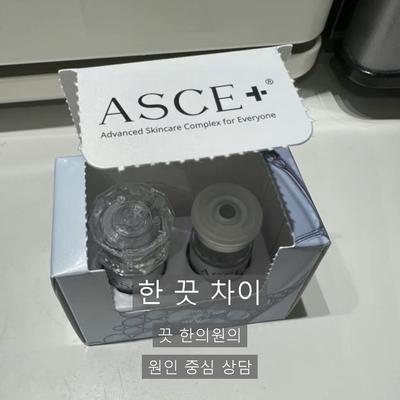
At Kkeut Clinic, it is our principle to use undiluted exosome preparations as they are.
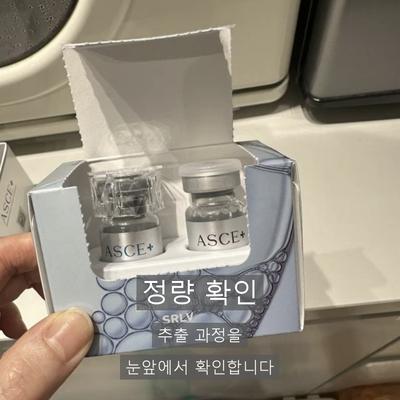
To ensure you can verify the use of genuine products and accurate dosages, we transparently disclose the process of extracting the precise amount in front of the patient.
Since exosome injection methods are illegal under current medical law, Kkeut Clinic performs treatments in a lawful topical (application) form.
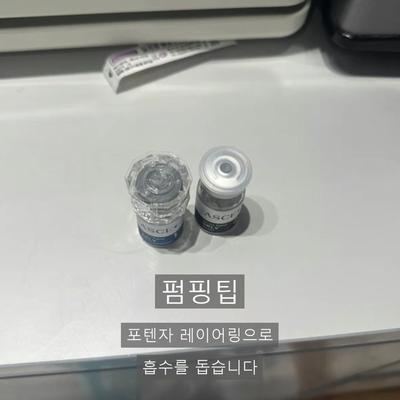
Simple topical application alone may not sufficiently enhance the absorption rate of active ingredients. Therefore, we utilize a layering technique with Potenza's pumping tip to improve absorption.
The pumping tip utilizes the positive pressure generated when microneedles exit the skin. This pressure pushes the drug components towards the dermis, a structure designed to increase the absorption rate of active ingredients compared to conventional topical application.
The layering technique involves finely adjusting the needle depth according to the area of concern. It's a method where treatment is overlapped on areas with redness, allowing for the desired density to be achieved.
Kkeut Oriental Clinic's Exosome Utilization Method
Kkeut Oriental Clinic treats patients based on consistent standards, from initial consultation to post-procedure aftercare.
Frequently Asked Questions
Q. How does the clinic distinguish the causes of red skin?
A. Skin with redness is diagnosed by comprehensively considering factors such as the situation of onset, specific areas, products being used, and history of acne. Through this, we meticulously distinguish whether it's a skin barrier issue or a mark resulting from post-inflammatory issues. At Kkeut Oriental Clinic, during consultation, we prioritize checking such skin conditions and establishing appropriate management directions.
Q. When are exosomes suitable for red skin?
A. If skin with a reddish tone is deeply related to the progression of acne and inflammation, exosome treatment may be considered. However, this does not apply to all cases, and suitability may vary depending on the patient's individual skin condition. Therefore, Kkeut Oriental Clinic makes careful decisions after thorough consultation.
Q. What should be the first thing to reduce at home for red skin?
A. For skin with a reddish tone, it helps to first avoid habits that can irritate the skin, such as using scrubs or peeling agents, or washing with hot water. At Kkeut Oriental Clinic, we also prioritize checking the products patients normally use during their visit.
Kkeut Oriental Clinic's Operating Philosophy
Before treatment, Kkeut Oriental Clinic goes through the process of precisely extracting medication in front of the patient and allowing them to verify it directly. This is our effort for a transparent treatment process.
Kkeut Oriental Clinic uses undiluted solutions and adheres to medically appropriate application methods. Through this process, we strive to build trust with our patients.
Kkeut Oriental Clinic applies the Potenza pumping tip layering technique, giving important consideration to both safety and expected efficacy during treatment.
Kkeut Oriental Clinic's Efforts for Meticulous Treatment
Loading menu…