

Can Chemical Peels On Their Own Eliminate Comedonal Acne? Beomgye, Pyeongchon, Beomgye Station, Pyeongchon Station, Hogye-dong, Bisan-dong, Gwanyang-dong, Dongan-gu, Indeogwon, Geumjeong, Anyang
12/14/2025
This is a procedure note for Can Chemical Peels On Their Own Eliminate Comedonal Acne? at Gyeonggi Anyang Beomgye KKEUT Korean Clinic.
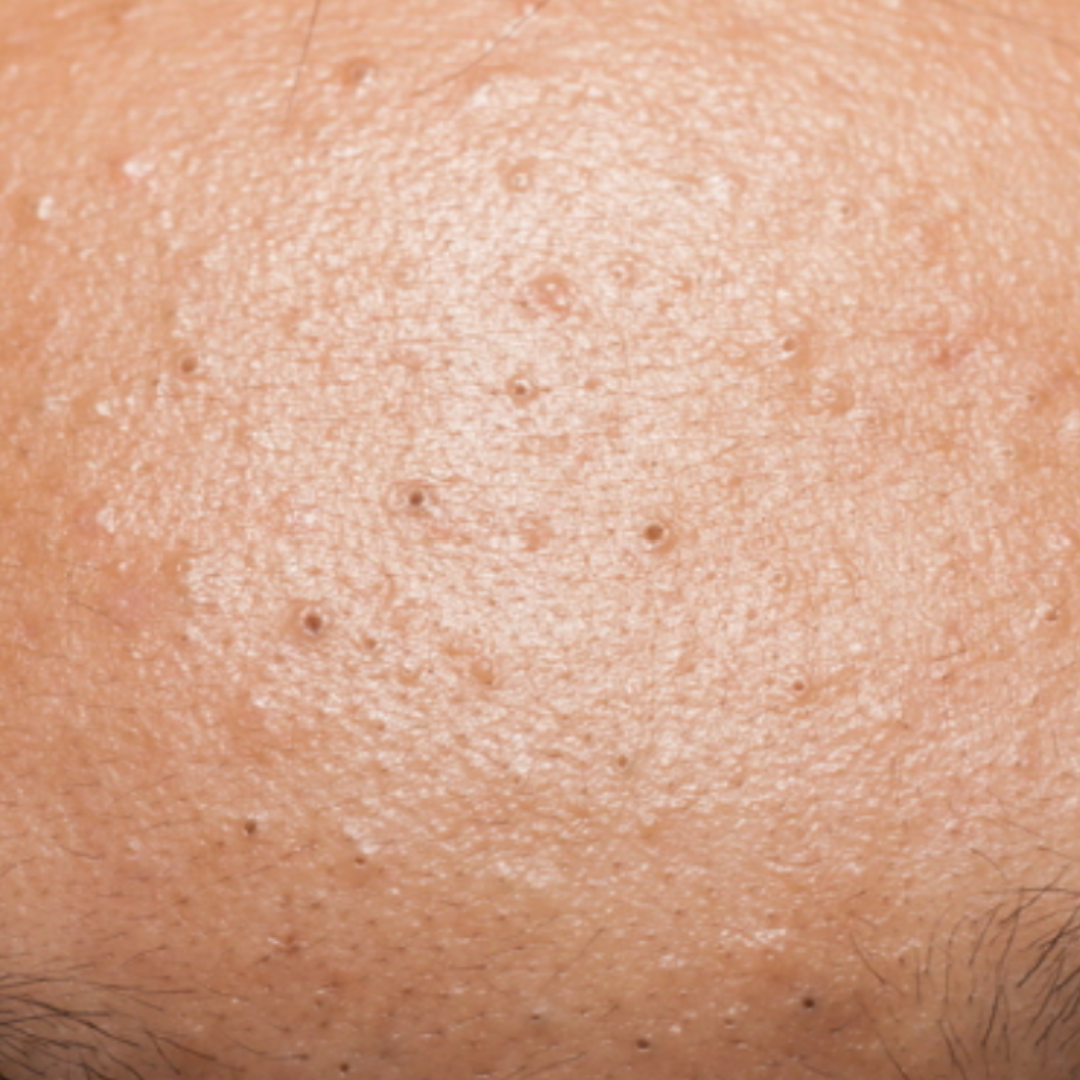
Understanding Tiny Bumps (Comedonal Acne): Causes and Recommended Approaches
— Insights from Common Patient Inquiries
Q1. What exactly are these tiny bumps, also known as comedonal acne?
From a medical perspective, these tiny bumps are specifically identified as comedonal acne.
While they typically do not present with redness or pain on the skin surface,
they are often noticed as a rough or uneven texture when the skin is touched.
This condition is not primarily an inflammatory form of acne;
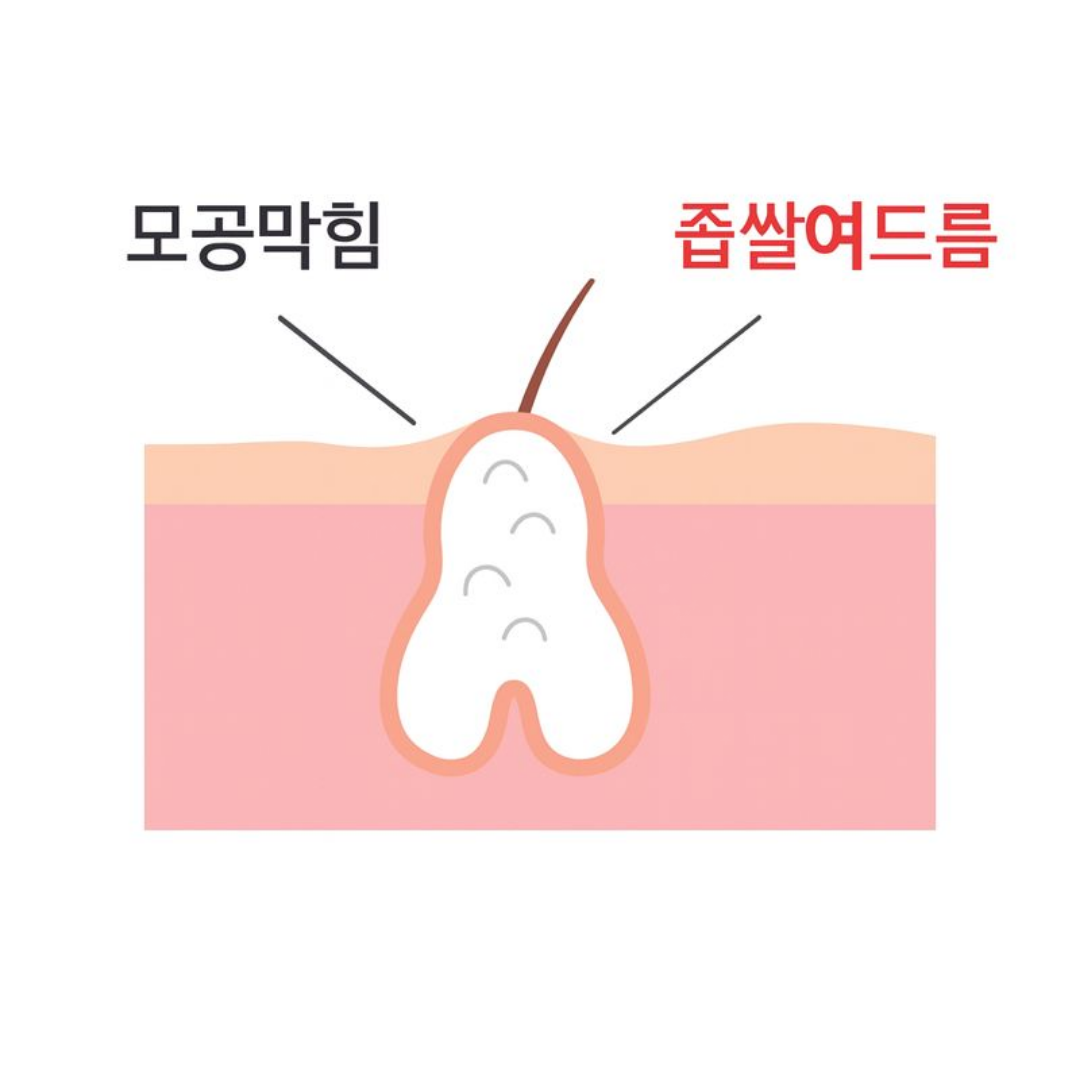
rather, it signifies a state where dead skin cells and excess sebum have obstructed the pore opening, preventing proper excretion.
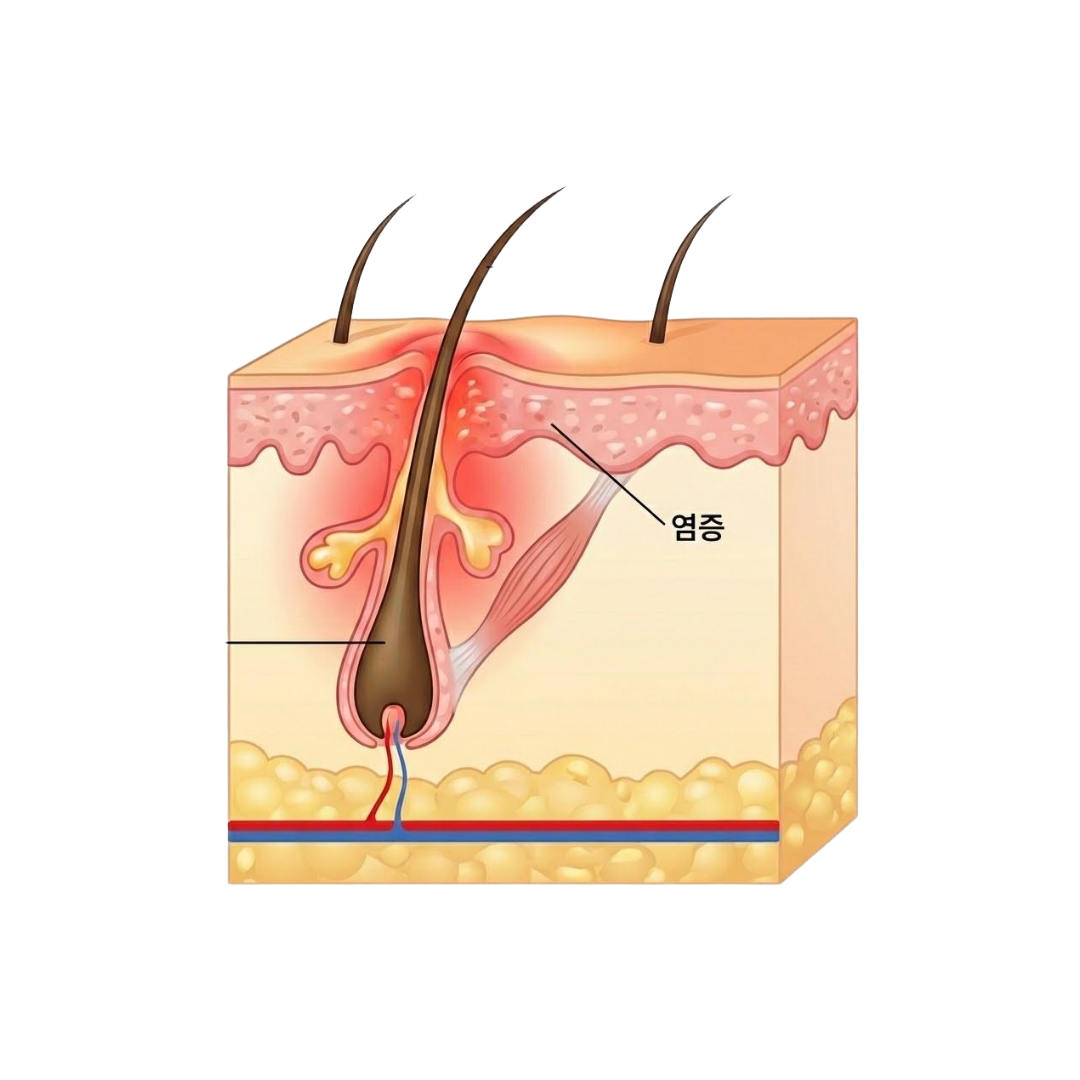
Q2. How do these tiny bumps differ from inflammatory acne?
These two types of acne have distinct underlying causes and necessitate different treatment strategies.
Inflammatory Acne
→ Often characterized by redness, pain, pus formation, and a sensation of warmth.
→ The primary issue involves an inflammatory reaction within the skin.
Tiny Bumps (Comedonal Acne)
→ Generally involves minimal to no pain and little noticeable color change.
→ The skin's texture feels rough or granular upon palpation.
→ The fundamental problem is impaired natural excretion from the pores.
Understanding this distinction is crucial,
as it dictates a fundamentally different approach to treatment.
Q3. Are acne treatments necessary if I have tiny bumps (comedonal acne)?
Not always.
In the early stage of tiny bumps or comedonal acne,
initiating treatments such as antibiotics, aggressive lasers, or injections
may often lead to increased skin irritation with minimal clinical benefit.
Tiny bumps (comedonal acne)
do not typically require suppression of inflammation;
instead, the initial focus should be on normalizing the excretion process.
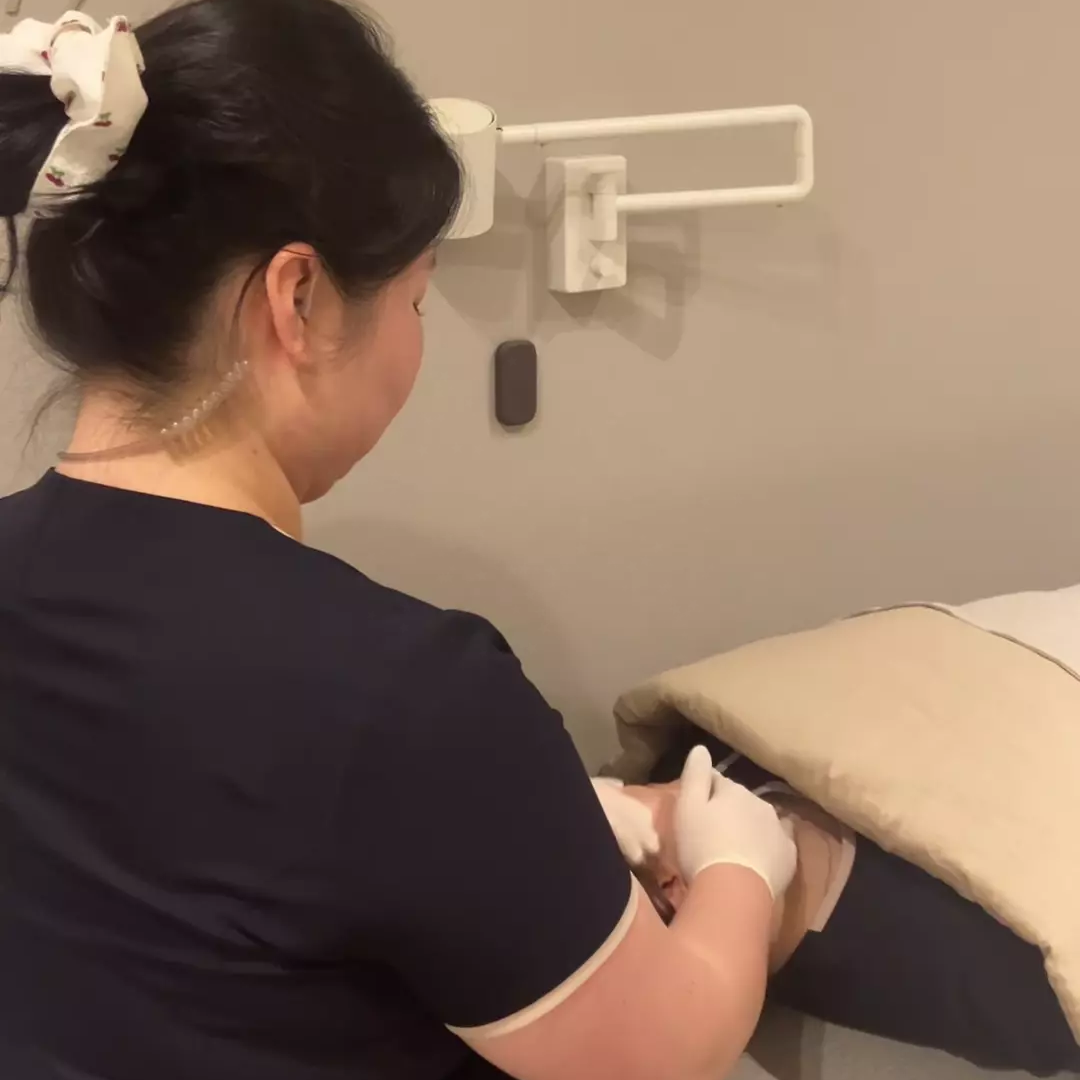
Q4. Is this why peeling procedures are often recommended as a primary treatment for tiny bumps (comedonal acne)?
Yes, there's a clear rationale behind this recommendation.
The fundamental cause of tiny bumps (comedonal acne) arises from
inefficient shedding of dead skin cells and
blockages within the pore openings,
which then leads to sebum accumulation beneath the skin surface.
Therefore, the priority is to implement strategies for managing dead skin cells
and procedures aimed at gently opening the obstructed pores.
A key method that effectively addresses these concerns is
specifically comedonal acne peeling.
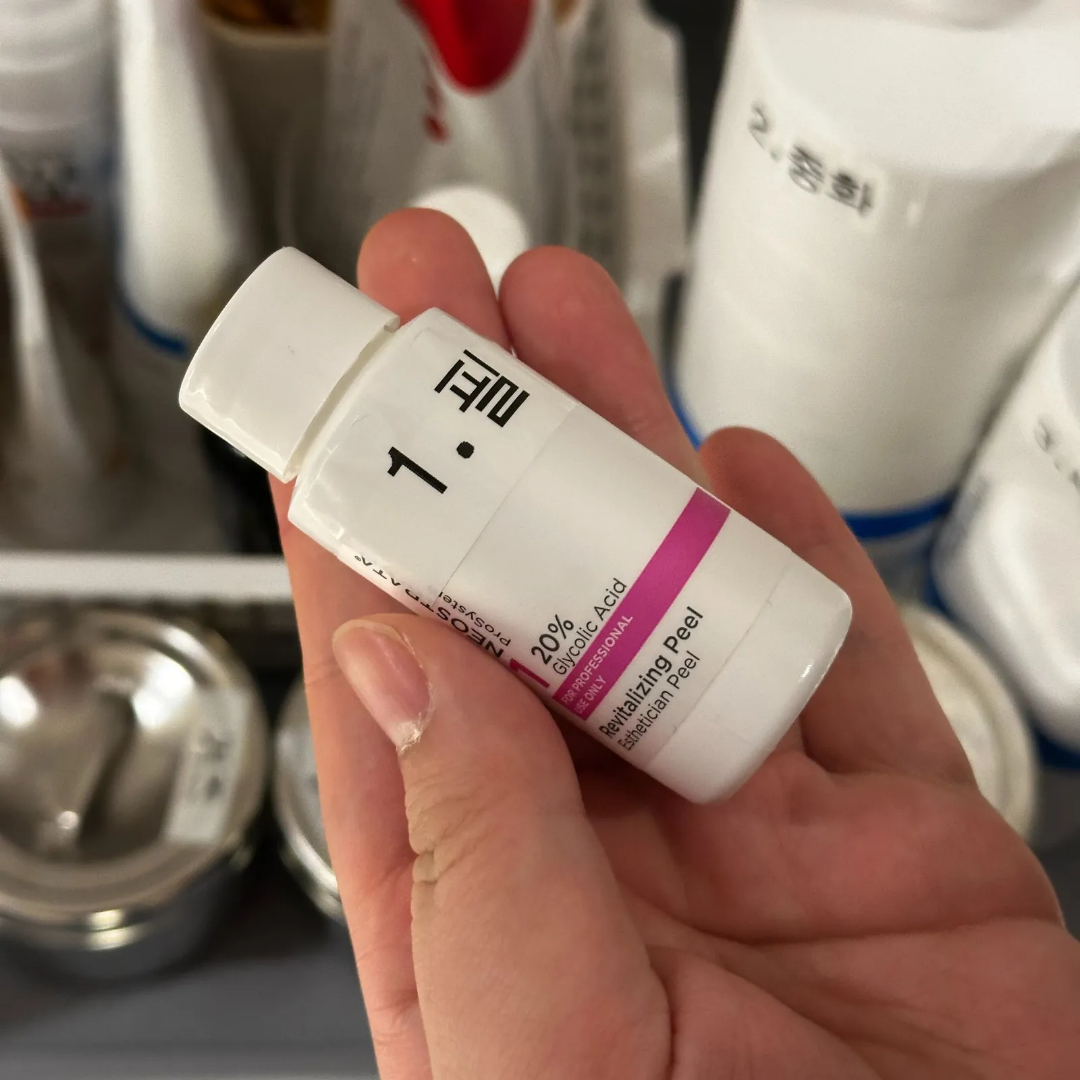
Q5. Are there instances where peeling alone has significantly improved this condition?
Indeed, such cases are frequently observed.
This is particularly true in specific situations, such as the following:
Skin texture often shows noticeable improvement solely through peeling procedures.
Small, non-inflammatory bumps, often referred to as comedonal acne, which are neither red nor painful.
Comedones in their initial, less persistent stages.
Those that appear subtly distributed across areas like the forehead, cheeks, and chin.
When concerns primarily revolve around makeup not adhering well or an uneven skin texture.
For these specific situations,
It may be beneficial to consider peeling as a primary step.
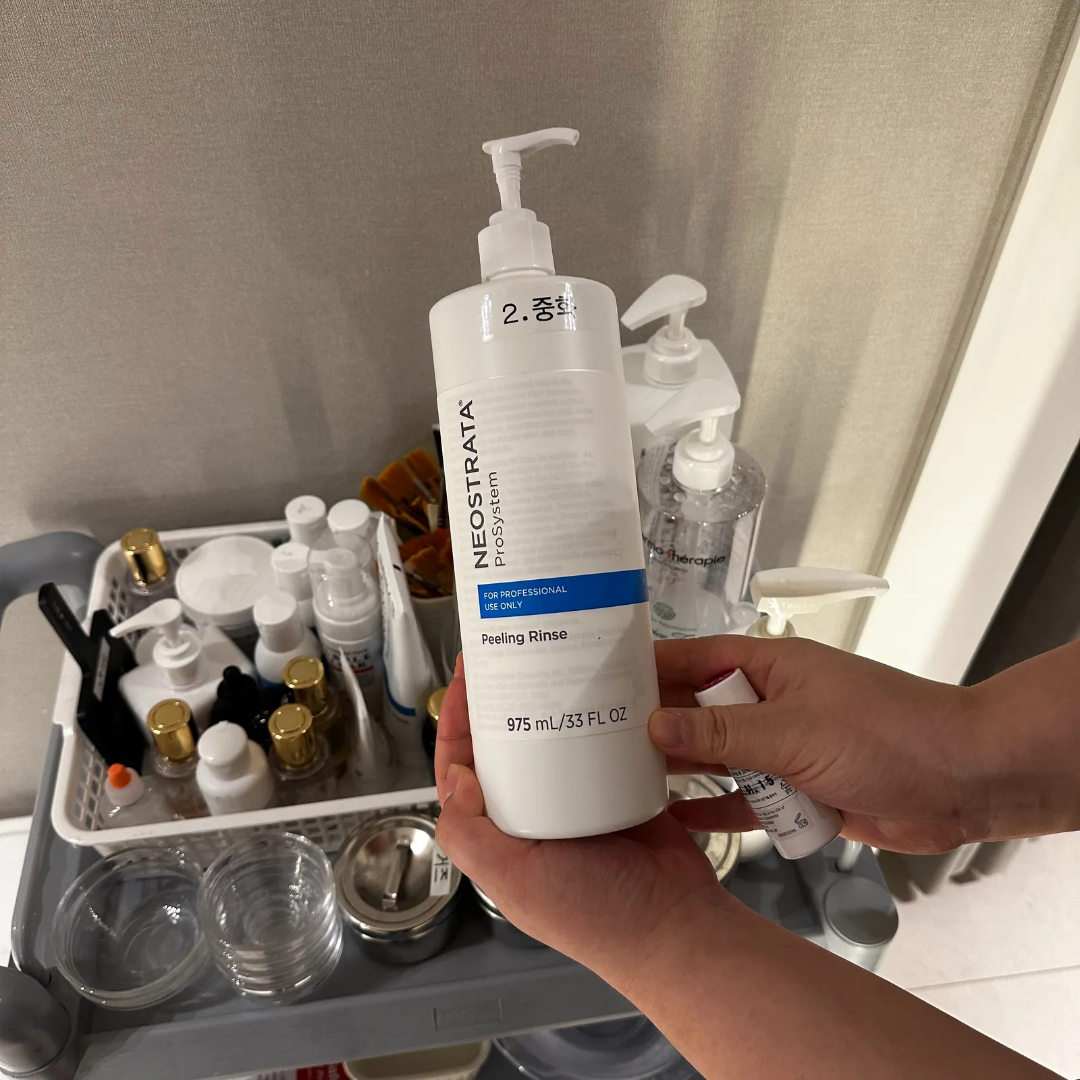
Q6. If closed comedones persist despite chemical peeling, what then?
At this stage, it becomes important to evaluate further management options.
- Comedones that have become firmly established or hardened.
- Skin where natural exfoliation is slow, hindering the expulsion of comedones.
- Situations where lesions reappear in the identical locations even following peeling treatments.
Under such circumstances,
maintaining peeling as a foundational approach,
a strategy supporting comedone extrusion while enhancing the overall skin environment may be helpful.
A crucial aspect is
to avoid initiating overly intensive or aggressive treatments,
instead, progressing through a gradual, step-by-step process.

Q7. What are the frequent missteps in handling closed comedones?
Several common errors in management can generally be grouped into two main areas.
- Incorrectly differentiating between closed comedones and inflammatory acne.
- Initiating anti-inflammatory therapies when the fundamental problem lies in compromised extrusion.
Such an approach often leads to unintended outcomes.
Treatment expenses may escalate, and the skin can develop increased sensitivity.
Furthermore, in numerous instances, the closed comedones might not show substantial improvement.
To summarize:
Closed comedones present differently from inflammatory acne.
The primary concern is often not excessive sebum production, but rather a difficulty in pore extrusion.
Therefore, managing closed comedones frequently commences with a peeling regimen specifically targeting comedones.
Should these lesions persist subsequent to peeling treatments,
then evaluating further treatment options becomes appropriate.
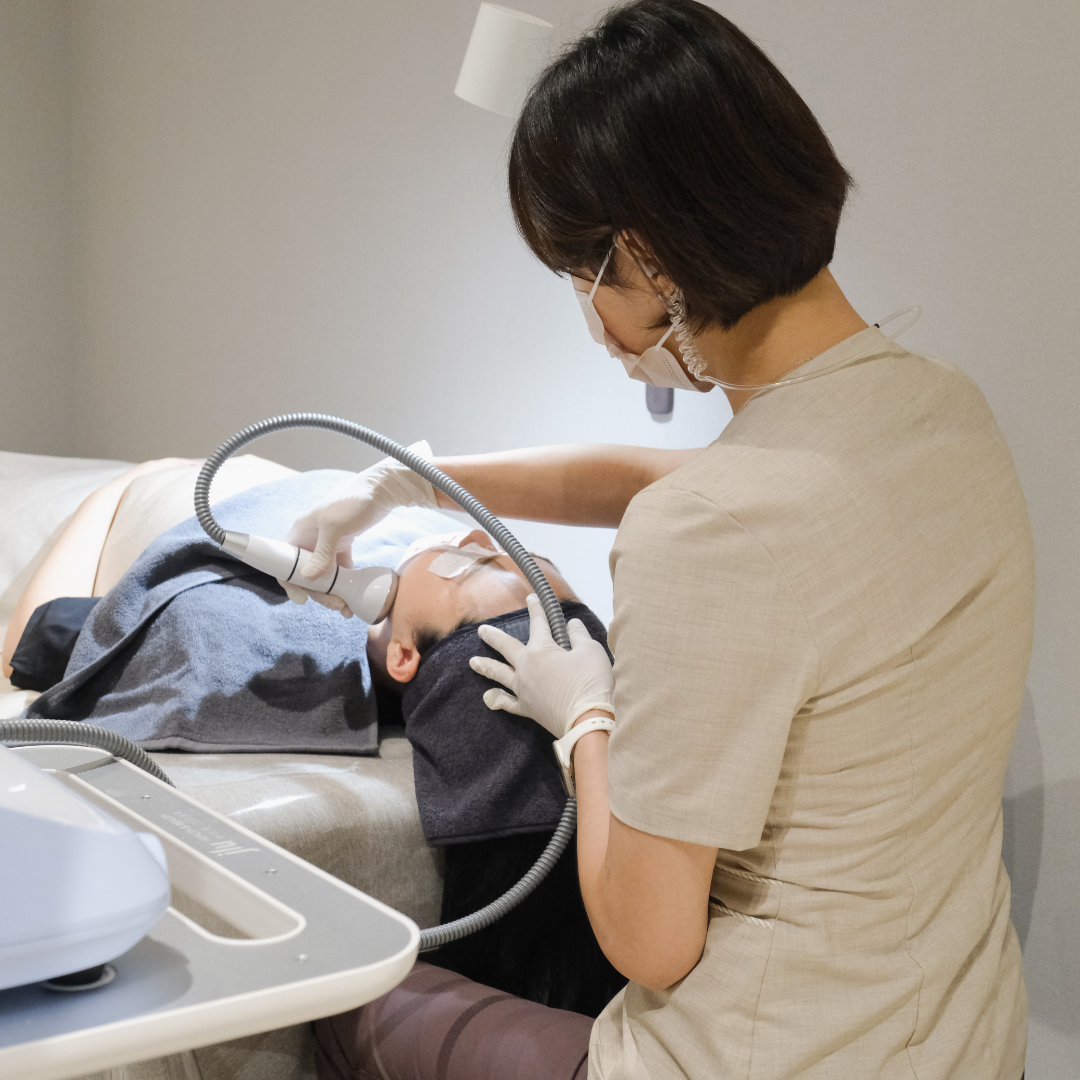
With closed comedones, initiating unnecessary treatments can often be avoided
by establishing the correct management strategy from the outset.
Commencing with a gentle approach and carefully adapting the method based on the skin's reactions
tends to be crucial for achieving effective management.

Recommended treatments
Treatments that work especially well together.
![[Starting with Sebum Softening] Aquapeel](/_next/image?url=https%3A%2F%2Ffirebasestorage.googleapis.com%2Fv0%2Fb%2Fkkeutguro-7e583.firebasestorage.app%2Fo%2Fproducts%252Fguro%252Fko%252F1758776867221_b693083e-c96a-4897-9749-9a8f7f1cd6d3_AFSD.webp%3Falt%3Dmedia%26token%3D0752a8f1-858c-4da6-b1e0-95b4ec37e9a8&w=3840&q=75)
[Starting with Sebum Softening] Aquapeel
View details →
'Dewy Glow Exuviance' PHA Peeling (Multox)
View details →![[Fundamental Acne Treatment] Acne Extraction](/_next/image?url=https%3A%2F%2Ffirebasestorage.googleapis.com%2Fv0%2Fb%2Fkkeutguro-7e583.firebasestorage.app%2Fo%2Fproducts%252Fguro%252Fko%252F1758792197828_20454c8c-f86e-4dcb-b39b-e821ec801cd2_1755741819613_c80c0fec-9036-4947-aae2-d57ae7d82874_006-ezgif.com-png-to-webp-converter.webp%3Falt%3Dmedia%26token%3D08515023-3f67-478f-ab8a-c9c649098c3d&w=3840&q=75)
[Fundamental Acne Treatment] Acne Extraction
View details →![[Elasticity Remodeling through Fibroblast Activation] LHALALA Peel](/_next/image?url=https%3A%2F%2Ffirebasestorage.googleapis.com%2Fv0%2Fb%2Fkkeutguro-7e583.firebasestorage.app%2Fo%2Fproducts%252Fguro%252Fko%252F1758871252625_b2a8f0b6-eadf-472d-8bad-f788354edefd_1755742317330_1a3df95d-ab31-4bf6-b23d-393cb97113be_009-ezgif.com-png-to-webp-converter.webp%3Falt%3Dmedia%26token%3D7fd8ee6f-6e83-435d-95a3-d4846aca8093&w=3840&q=75)
[Elasticity Remodeling through Fibroblast Activation] LHALALA Peel
View details →![[4-Step Skin Detox] Deep Cleansing & Scaling Treatment](/_next/image?url=https%3A%2F%2Ffirebasestorage.googleapis.com%2Fv0%2Fb%2Fkkeutguro-7e583.firebasestorage.app%2Fo%2Fproducts%252Fguro%252Fko%252F1758872124421_2f3a9dc4-887b-4664-8d2a-f064492c378e_1755742364391_79c4a4b1-8bd2-4b4f-b22f-9b2ce94851c6_011-ezgif.com-png-to-webp-converter.webp%3Falt%3Dmedia%26token%3D06261b4b-b859-41e1-9cc9-d9b45006a853&w=3840&q=75)
[4-Step Skin Detox] Deep Cleansing & Scaling Treatment
View details →![Jessner Peel [for addressing small acne/whiteheads]](/_next/image?url=https%3A%2F%2Ffirebasestorage.googleapis.com%2Fv0%2Fb%2Fkkeutguro-7e583.firebasestorage.app%2Fo%2Fproducts%252Fguro%252Fko%252F1760327451669_c7479711-c337-4c43-b3e2-94d05478254d__--006-ezgif.com-png-to-webp-converter.webp%3Falt%3Dmedia%26token%3D75d79134-e07c-4660-863f-c28422bffb5c&w=3840&q=75)
Jessner Peel [for addressing small acne/whiteheads]
View details →Related notes
Procedure notes worth reading next.


Loading menu…